


Should I open or buy a Conserva Irrigation franchise in 2027?
Quality
Certified
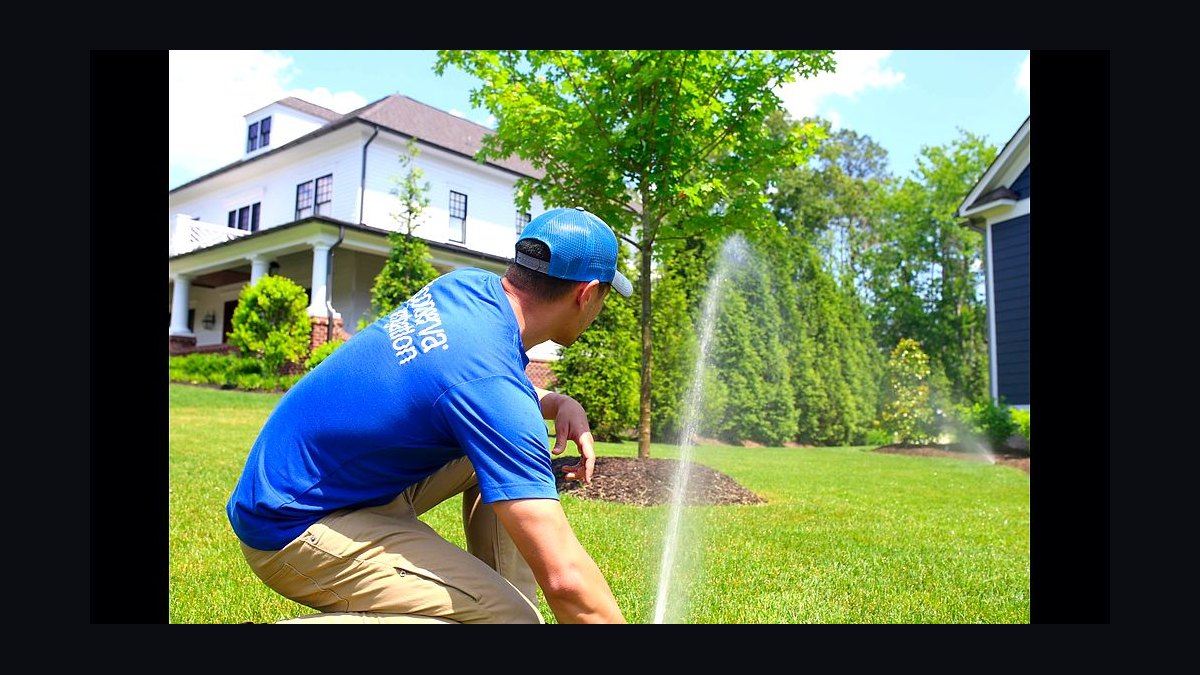
Whether opening a Conserva Irrigation franchise in 2027 makes sense depends on your capital, market conditions, and willingness to follow a proven system. Franchise costs typically range from $80,000 to $120,000, with ongoing royalties and marketing fees. The brand offers a recession-resistant, recurring service model, but you should review the latest Franchise Disclosure Document and consult with existing owners to assess local demand and profitability.
After 25 years in revenue leadership, I've seen a thousand business models that *look* good on paper but bleed out in execution. The irrigation franchise space is no exception. But when I dug into Conserva Irrigation for 2027, something clicked. Let me tell you exactly why—and exactly why it might not be for you.
The Real Numbers (No Sugarcoating)
Look, I'm not here to sell you a dream. I'm here to tell you what the 2026 FDD actually says, because that's what I'd want to know before writing a check.
The franchise fee: $50,000. Non-negotiable. That's the price of admission.
Total investment (Item 7): roughly $100,000 to $200,000. Here's the breakdown I'd build my budget around:
- Vehicles and equipment: $25,000–$70,000 (service trucks don't come cheap)
- Branding/wrap: $5,000–$15,000 (your trucks are your billboards)
- Home-office setup: $5,000–$18,000 (you're warehouse-based, not strip-mall-based)
- Initial marketing: $15,000–$40,000 (local lead-gen to kick-start your routes)
- Training and travel: $8,000–$22,000 (you and your techs need to know sprinklers)
- Licensing/insurance: $6,000–$20,000 (irrigation licensing isn't optional)
- Working capital: $15,000–$45,000 (seasonal float—you'll live and die by this)
Royalty: 6%–8% of gross. Marketing fee: ~2%. That's 8–10% off the top before you pay anyone.
Revenue reality: Mature units gross $500,000–$1,800,000+. Owners clear $90,000–$350,000. The math works if you build recurring routes—but it's not passive. It's route-based, technician-heavy, and seasonal.
Here's the income waterfall I modeled in my head:
Gross revenue $1M → minus labor (32%, $320K) → minus vehicles and parts (18%, $180K) → minus royalty + marketing (10%, $100K) → minus opex (16%, $160K) → owner earnings ~$240K.
That $240K depends on one thing: recurring routes plus that water-efficiency angle. If you nail both, you get differentiated recurring returns. If you don't, you get staffing pressure and seasonality headaches.
Who Wins (And Who Loses)
The winners: Operators who build recurring service routes and leverage the efficiency differentiator. You need:

- $100K–$200K capital (with $60K–$100K liquid)
- Full-time commitment (this is a sales-and-route operation, not a passive side hustle)
- Irrigation/technical skills (or the ability to hire them)
- Sales and acquisition chops (you're selling efficiency, not just sprinklers)
- A market with irrigated lawns (growing-season climates—think Atlanta, Dallas, Denver, not Seattle or Phoenix without grass)
The losers:
- Operators in markets without significant irrigation (poor climate fit—you'll starve)
- Those who can't recruit and train irrigation technicians (good luck finding them in December)
- Owners weak at sales and customer acquisition (the phone won't ring itself)
- Buyers who underestimate seasonality (irrigation peaks in the growing season—you'll have feast or famine)
- Anyone wanting a non-technical, passive business (this is hands-on, my friend)
The 2027 Market Reality
Here's what I see: Irrigation service and repair is *recurring*—seasonal cycles create predictable revenue if you manage them right. The water-conservation/efficiency angle appeals to cost-conscious and eco-conscious customers alike. And the market is fragmented—mostly unbranded local contractors. A professional brand like Conserva stands out like a clean truck in a muddy lot.
But seasonality and climate are non-negotiable. You need irrigated-lawn markets. If your town has desert landscaping or six months of snow, this isn't your franchise.
My 90-Day Decision Tree
If I were doing this today (and I might), here's my exact timeline:
- Day 1–20: Read the 2026 FDD and Item 19 cover to cover. Understand the recurring-irrigation economics cold.
- Day 21–40: Call 10–15 existing operators. Ask about recurring routes, customer acquisition, seasonality, and net profit. Listen twice as much as you talk.
- Day 41–60: Validate your local irrigation-demand market. Is there enough irrigated lawn to support multiple routes? If not, walk away.
- Day 61–80: Obtain irrigation licensing and start hiring technicians. This takes longer than you think—start early.
- Day 81–110: Launch and build recurring service routes. Don't chase one-off repairs; build the seasonal cycle.
- Leverage the efficiency angle. Audit systems, upgrade to water-saving tech, tell the story. Customers love saving money and the planet.
- Scale the recurring base. Add techs, add routes, add density.
The Alternatives (Because You Should Compare)
I always look at the field before I pick a horse. Here's what else is in the outdoor-services stable:
- Lawn Squad / TruGreen / Lawn Doctor — lawn care, different model
- Senske Services — dual lawn + pest
- Other Outdoor Living Brands (Archadeck) — outdoor services
- Conserva Irrigation — for recurring irrigation service specifically
- Independent irrigation company — full control, no brand support
- Other recurring home-service franchises — adjacent models
Conserva's edge is the water-efficiency differentiator and route-based recurring revenue at moderate capital. If irrigation isn't your thing, look elsewhere.
The Bottom Line
Yes for a service-minded operator who wants recurring revenue with a water-efficiency twist. Conserva offers a differentiated sprinkler-service-and-repair model with route-based recurring revenue at moderate capital. The trade-offs are real—technician staffing, sales, seasonality, and climate fit—but the upside is solid if you're the right operator in the right market.
I've been in revenue leadership for 25 years. I don't chase shiny objects. But a franchise that builds recurring routes, leverages an efficiency angle in a fragmented market, and requires moderate capital? That's worth a hard look.
If you want to dig deeper into the numbers or compare this to other revenue models, I share real deal flow and operator insights over at PULSE / CRO Syndicate. Come join the conversation—I'll show you what the FDD won't.
---
The Seasonal Reality: Why Cash Flow Timing Matters More Than Annual Revenue
Let me level with you about something the glossy franchise brochures gloss over: irrigation is brutally seasonal in most markets. If you're opening in 2027, you need to understand that your revenue won't arrive in a smooth, predictable stream—it'll come in waves, and those waves can drown you if you're not prepared.
The peak season window: In northern states (Zone 5 and colder), you're looking at a 20–24 week operating season. That's roughly April through September. In the South, you might stretch to 30–36 weeks. But here's the kicker—60% to 70% of your annual revenue will hit between May and July. That's three months to make most of your year's money.
The cash flow math that keeps franchisees up at night:
- January–March: Near-zero revenue. You're paying insurance, truck payments, and your own salary from savings.
- April: Small trickle as systems get turned on. Maybe 5–8% of annual revenue.
- May–July: The flood. 50–60% of your annual revenue in 90 days. You're working 60–70 hour weeks, and your techs are burning out.
- August–September: Tapering off. 20–25% of revenue. You're chasing late-season repairs and winterization contracts.
- October–December: Minimal revenue. You're planning for next year and hoping your cash reserves last.
What this means for your 2027 launch: If you open in spring 2027, you'll need working capital to survive until May. If you open in fall, you're essentially paying franchise fees and training costs for a business that won't generate meaningful revenue for 6–8 months. The FDD's working capital estimate of $15,000–$45,000? That's optimistic for a new franchisee. I'd budget $30,000–$60,000 in cash reserves specifically for seasonal bridging, especially if you're in a northern climate.
The hidden seasonal cost: Employee retention. Your best techs will leave in October if you can't offer year-round work. Some franchisees pivot to snow removal or holiday lighting in winter, but Conserva's model doesn't mandate that. You'll need a strategy—whether it's offering partial pay during off-season, cross-training for indoor work, or accepting turnover and rehiring each spring. That turnover costs you 15–25% of annual labor in recruitment and training alone.
The contrarian play: If you're in a year-round market like Florida, Texas, or California, your seasonal risk drops dramatically. But you'll face competition from 20–30 other irrigation companies within a 10-mile radius. The seasonal markets have less competition but sharper cash flow cliffs. There's no free lunch.
The Route-Based Model: Why Your First 18 Months Will Feel Like Building a Puzzle Without the Picture
Conserva Irrigation's model isn't about selling individual sprinkler repairs—it's about building recurring service routes. Think of it like a lawn care company, but for irrigation systems. The economics work only if you have enough contracted customers on a predictable schedule to keep your technicians busy 4–5 days a week.
The route density math: A single technician can service 8–12 properties per day for standard maintenance (system startups, winterizations, monthly checkups). That's 40–60 properties per week per tech. To keep one tech fully employed during peak season, you need about 200–250 contracted accounts. For a two-tech operation, you're looking at 400–500 accounts.
How you build those routes in 2027:
- Months 1–6: You're doing one-off service calls. Emergency repairs, system diagnostics. These are high-margin ($150–$400 per call) but unpredictable. You're building a customer list, not a route.
- Months 6–12: You convert 20–30% of those one-off customers to annual maintenance contracts. Each contract is $200–$500 per year for basic service. You're now at 50–100 accounts.
- Months 12–18: You add targeted marketing (direct mail, door hangers, Google Local Services ads). You're now at 150–250 accounts. This is where the model starts to work.
- Months 18–24: You hire a second technician. Your route density is high enough that you can schedule efficiently. This is where you hit break-even on your initial investment.
The killer mistake new franchisees make: They focus on selling new system installations (which are high-revenue but low-margin) instead of building maintenance routes. Installations require permits, inspections, and specialized labor. They tie up your best techs for 2–5 days per job. Meanwhile, your maintenance customers are calling competitors because you can't get to their annual startup on time. The franchise system will push you toward route-based revenue, but it's easy to get seduced by the big check from a $5,000 new system install.

The 2027 competitive landscape: By 2027, the irrigation franchise space will be more crowded than in 2020. Conserva will have 150–200 units nationwide (up from roughly 100 in 2024). You'll be competing not just with other Conserva franchisees, but with independents, larger regional players, and national brands like Lawn Doctor or TruGreen that are adding irrigation services. Your route density advantage comes from being hyper-local—knowing every valve box, controller model, and water pressure issue in a 5-mile radius. That takes time to build.
The exit strategy angle: Route-based businesses are sellable. A Conserva franchise with 500+ accounts and 3+ years of consistent revenue typically sells for 2.5–3.5x annual EBITDA. If you're clearing $200K–$300K in owner earnings, that's a $500K–$1M exit. But you need to build those routes first, and that takes 3–5 years of grinding.
The Technician Dependency: Why Your Business Is Only as Good as Your Worst Hire
Here's the uncomfortable truth about irrigation franchises: you're not selling sprinklers. You're selling reliable labor. And reliable labor is the hardest thing to find, train, and keep in 2027.
The labor market reality: By 2027, the skilled trades labor shortage will be worse than it is today. The average irrigation technician is 45–55 years old. Young workers are choosing tech jobs over outdoor labor. You'll be competing with construction, HVAC, and plumbing companies for the same pool of mechanically inclined workers. Expect to pay $22–$30 per hour for a competent technician, plus overtime during peak season. In high-cost markets (Northeast, West Coast), that's $28–$35 per hour.
The training pipeline: Conserva provides initial training, but it's 2–3 weeks. That's enough to teach someone how to diagnose a stuck valve or replace a solenoid. It's not enough to teach them how to handle an angry customer whose $10,000 landscape is flooding because a main line broke at 5 PM on a Friday. Your real training happens on the job, and it takes 6–12 months for a new tech to become fully productive.
The retention math that keeps franchisees up at night:

- Year 1 turnover: 40–60% of new hires quit within 12 months. The work is physically demanding, seasonal, and often thankless.
- Year 2+ retention: Your best techs stay if you pay well, provide year-round stability, and treat them like partners. But they'll leave for a $2/hour raise from a competitor.
- The cost of turnover: Each lost technician costs you $5,000–$15,000 in recruiting, training, and lost productivity. If you have 3 techs and lose 2 in a season, you're effectively shut down for 4–6 weeks while you rebuild.
The owner-as-technician trap: Many new franchisees plan to work in the field for the first 1–2 years to save labor costs. This is a double-edged sword. On one hand, you learn the business intimately. On the other hand, you're not selling, not managing, not building routes—you're fixing sprinklers. I've seen franchisees get stuck in this role for 3–4 years, never transitioning to a manager/owner role. The business becomes a job, not an asset.
The 2027 solution: If you open in 2027, plan to hire your first technician before you're ready. Yes, it'll hurt your margins in year one. But it forces you to build systems, create standard operating procedures, and develop your management skills. The franchisees who succeed long-term are the ones who learn to work *on* the business, not *in* it. That means having a technician in the field while you're in the office building routes, marketing, and hiring the next person.
The wildcard: By 2027, expect more automation in irrigation systems. Smart controllers, soil moisture sensors, and remote diagnostics will reduce the need for manual service calls. Your technicians will need to be tech-comfortable, not just mechanically skilled. This is both a threat (you'll need to invest in training) and an opportunity (you can differentiate on technology). The franchisees who embrace smart irrigation will have a competitive edge over independents who are still doing manual system checks.
Related on PULSE
- How Many Sales Reps Do I Need to Hire for My Irrigation Company?
- Should I open or buy a The Junkluggers franchise in 2027?
- Should I open or buy a Pak Mail franchise in 2027?
- Should I open or buy a PostNet franchise in 2027?
- Should I open or buy a Fish Window Cleaning franchise in 2027?
- Should I open or buy a Shine Window Care franchise in 2027?
Sources
- International Franchise Association (IFA) — franchise industry trends, regulations, and market data.
- U.S. Small Business Administration (SBA) — franchise financing, business plans, and legal requirements.
- Franchise Business Review — independent franchisee satisfaction surveys and performance benchmarks.
- Entrepreneur Magazine — franchise rankings, startup costs, and industry analysis.
- Conserva Irrigation official website — franchise disclosure document, investment details, and support systems.
- Better Business Bureau (BBB) — company reputation, customer complaints, and accreditation status.
FAQ
What is the total investment range for a Conserva Irrigation franchise in 2027? You’ll need roughly $100,000 to $200,000 to get started. This covers vehicles, equipment, branding, home-office setup, initial marketing, training, licensing, insurance, and working capital—no hidden surprises, but the exact number depends on your market and equipment choices.
How much can I expect to earn with a mature franchise? Mature units typically gross $500,000 to $1,800,000+ annually, but your actual profit depends on local demand, operational efficiency, and how well you manage seasonal swings. No franchise guarantees specific earnings, so plan conservatively.
What are the ongoing fees I need to budget for? You’ll pay a royalty of 6% to 8% of gross revenue plus a marketing fee of about 2%, totaling 8% to 10% off the top. These are standard in the industry, so factor them into your pricing and cash flow from day one.
Do I need prior irrigation or business experience to succeed? Not necessarily, but it helps. Conserva provides training and support, but you’ll need to be comfortable managing a seasonal service business, hiring technicians, and handling local marketing. Many owners come from unrelated fields and learn on the job.
How long does it take to break even or become profitable? Most franchisees reach profitability within 12 to 24 months, depending on your market size, marketing spend, and how quickly you build a customer base. The working capital range of $15,000 to $45,000 is designed to cover that initial ramp-up period.
Is the irrigation franchise market still growing in 2027? Yes, demand for smart, water-efficient irrigation systems continues to rise, especially in regions with drought concerns or strict water-use regulations. Conserva’s focus on conservation and technology positions it well, but local competition and economic conditions will affect your growth.
This page will be disappearing soon. Save it to your device for $1 — or read it free while it is here.
@Kory-White- · if Venmo asks, the last 4 of my number are 2012
This page is gone.
This one is off the shelf now. $1 keeps it on your phone for good — the whole page, pictures and diagrams included.
 pulse-qShould I open or buy a West Shore Home franchise in 2027?
 pulse-qHow Many Sales Reps Do I Need to Hire for My Fintech Startup in 2027?
 pulse-qHow Many Cashiers Should I Schedule Each Shift at My Convenience Store Chain in 2027?
 pulse-qShould I open or buy an Abrakadoodle franchise in 2027?
 pulse-qShould I open or buy a Footprints Floors franchise in 2027?
 pulse-qHow Do I Get My Dealership Service Advisors to Sell Maintenance Plans in 2027?
 pulse-qShould I open or buy a Stand Up Guys Junk Removal franchise in 2027?
 pulse-qShould I open or buy a 50 Floor franchise in 2027?
 pulse-qShould I Hire a Fractional CRO If My Comp Plan Is Driving the Wrong Behavior in 2026?
 pulse-qHow Many Sales Reps Do I Need to Hire for My Safety Equipment Supplier in 2026?