


Should I open or buy a Pestmaster franchise in 2027?
Quality
Certified
Whether you should open or buy a Pestmaster franchise in 2027 depends on your capital and risk tolerance. Opening a new location typically requires a total investment ranging from roughly $100,000 to $150,000, while buying an existing franchise may cost more but offers an established customer base. Both paths require the company's approval and adherence to its operational model, so your decision should align with your budget and preference for building versus inheriting a business.
You want to know if Pestmaster is the move in 2027. Here's what I've seen after 25 years of watching franchisees blow their budgets or build empires.
The short answer: Yes, if you're a service-minded operator who wants a pest-control franchise with a real niche — government and commercial contracts — without needing a million bucks to start. Pestmaster, founded in 1979, is a pest-control-and-vegetation-management franchise. It's not your dad's bug spray route. They do residential pest control, sure, but the real juice is vegetation management and government/municipal/commercial contracts — roadside utility work, public-health vector control. The 2026 FDD shows a franchise fee of $30,000 to $40,000, total investment between $80,000 and $200,000, royalty around 7% to 8%, plus marketing fee. Mature units gross $500,000 to $2,500,000+, with owners clearing $90,000 to $400,000.
Here's the appeal: recession-resilient recurring pest revenue, plus a differentiated government/commercial-contract and vegetation-management niche, accessible capital, and route density. The challenges? Sales and contract acquisition, technician staffing and licensing, route and contract management, and competition.
Let's talk real numbers. You're running a route-based business from home or a small warehouse. Licensed technicians. You're blending recurring residential pest routes with commercial and government contracts. That diversified revenue mix is what separates Pestmaster from the residential-only brands.
| Line Item | Low | High | Notes |
|---|---|---|---|
| Franchise fee | $30,000 | $40,000 | Per 2026 FDD |
| Vehicles & equipment | $30,000 | $90,000 | Service vehicles, gear |
| Branding/wrap | $5,000 | $18,000 | Branded vehicles |
| Warehouse/office setup | $6,000 | $28,000 | Home/warehouse-based |
| Initial marketing | $12,000 | $40,000 | Residential + B2B/gov |
| Training & travel | $8,000 | $25,000 | Operator + technicians |
| Licensing/insurance | $10,000 | $30,000 | Pest/vegetation licensing, GL |
| Working capital | $20,000 | $60,000 | Ramp/contract float |
| Total Item 7 | ~$80,000 | ~$200,000 | Per 2026 FDD |
| Royalty | ~7%-8% of gross | ||
| Marketing fee | ~2% of gross |
Revenue reality: mature units gross $500K to $2.5M+, owners clear $90K to $400K. The edge is that diversified revenue mix — recurring residential pest, plus commercial and government/municipal contracts. Government/commercial contracts can be large, stable, and recurring. That's a niche most pest franchises ignore. The accessible capital and route density make it work. The trade-offs: sales/contract acquisition (winning government/commercial contracts requires B2B/bid expertise), technician staffing/licensing (pest plus vegetation), route/contract management, and competition. Operators who pursue both residential recurring AND government/commercial contracts perform best.
Here's how the math breaks down for a typical unit: Gross revenue $1.4M from pest plus vegetation. Subtract labor at 33% ($462K), vehicles and materials at 15% ($210K), royalty plus marketing at 11% ($154K), and opex at 17% ($238K). Owner earnings land around $336K. But that depends on your residential-plus-government/commercial mix. Strong mix, strong returns. Weak mix, you're stuck with acquisition and contract-management risk.
Who wins with this business? You need $80K to $200K in capital, with $50,000 to $100,000 liquid. Full-time commitment. You're running sales, route, and contract operations. You need B2B/government-contract sales skills, technician management, and route management. Geographic fit: markets with residential pest plus commercial/government contract demand. Lifestyle fit: you're a sales-and-service-minded operator. Winners pursue both residential recurring and government/commercial contracts.
Who loses? Operators weak at B2B/government-contract sales. Those who can't recruit, license, or retain technicians for pest and vegetation. Owners who can't manage routes and contracts. Buyers who only want simple residential pest — other brands fit better. Anyone wanting a non-sales, passive business.
2027 market conditions: Pest control is recession-resilient. Government/commercial contracts add stability. Differentiation comes from vegetation management plus government/vector contracts — that's your niche. Recurring revenue from residential agreements plus contract work. Accessible capital at moderate entry. Competition includes Terminix, Orkin, Fox, plus contract and vegetation competitors.
Your 90-day decision tree:
- Day 1-20: Read the 2026 FDD and Item 19. Understand the diversified-revenue economics.
- Day 21-40: Interview operators. Ask about residential vs. contract mix, contract acquisition, staffing, and net profit.
- Day 41-60: Validate residential pest AND government/commercial contract demand in your market.
- Day 61-85: Obtain pest and vegetation licensing, hire technicians.
- Day 86-115: Launch, build residential routes, and pursue contracts.
- Build the diversified residential-plus-contract revenue mix.
- Scale both channels.
Alternative plays: Fox Pest Control or EcoShield for residential pest. Truly Nolen for heritage pest. Pestmaster for the government/commercial/vegetation niche. Lawn or vegetation franchises as adjacent plays. Independent pest or vegetation company if you want full control and no brand. Other recurring/contract home-service franchises.
FAQ:
What makes Pestmaster different? A diversified focus on vegetation management and government/commercial contracts, alongside residential pest. Beyond standard residential pest control, Pestmaster pursues vegetation management — roadside, utility, industrial — and government/municipal contracts for public-health vector control. That's a niche most pest franchises don't serve. The diversified revenue mix adds large, stable contract work to recurring residential routes. The government/commercial angle is its distinctive edge.
How much does a Pestmaster owner make? Owners typically clear $90,000 to $400,000, on $500K to $2.5M+ revenue, driven by recurring residential pest plus government/commercial contracts. Profitability depends on building both channels — residential routes and contract work. Operators who win government/commercial contracts AND build residential recurring earn the most. Review Item 19 — the diversified model offers strong upside for operators who pursue both, at accessible capital.
How do government/commercial contracts help? They add large, stable, often-recurring revenue beyond residential. Government/municipal and commercial contracts — vegetation management, vector control, facility pest contracts — can be sizable, multi-year, and stable. That diversifies revenue away from residential-only. Winning them requires B2B/government-bid expertise, but they provide revenue stability and scale that pure residential pest lacks. This contract diversification is a key advantage of Pestmaster's model for operators with B2B/contract capability.
What is the biggest challenge? B2B/government-contract acquisition and managing a diversified operation. Winning government/commercial contracts requires bid/B2B expertise. You must manage both residential routes AND contract work, plus technician staffing and licensing for pest and vegetation. Success requires contract-acquisition skill, residential-base building, and operational management across channels. The diversification is powerful, but pursuing and managing both residential and contract revenue is more complex than pure residential pest — that's the key challenge.
Is it scalable? Yes — scaling both residential routes and government/commercial contracts offers a strong ceiling. You grow by adding residential recurring customers AND winning larger contracts, pushing revenue toward $1M to $2.5M+. The recession-resilient residential demand plus stable contract work creates a solid foundation.
Here's the bottom line: Pestmaster is a solid play for the operator who wants more than just spraying houses. The government/commercial niche is real, the capital is accessible, and the returns are there if you can sell and manage. It's not passive, and it's not simple. But if you're willing to chase contracts and run routes, it works.
Want the full breakdown on franchise validation and contract acquisition? I've seen the playbook work. Reach out to the team at PULSE / CRO Syndicate — they know this space cold.
---
The 2027 Competitive Landscape: Why Pestmaster’s Niche Matters More Than Ever
The pest control franchise market is crowded, but by 2027, the dynamics are shifting hard toward specialization. Residential-only brands like Orkin, Terminix, and smaller regional players are fighting over the same shrinking pool of homeowner contracts, pushing up customer acquisition costs and squeezing margins. Pestmaster’s differentiation—vegetation management and government/commercial contracts—positions it to ride a wave that’s only gaining momentum.
Consider the macro trends driving demand in 2027. Municipal budgets for public health vector control (mosquito abatement, tick management, rodent surveillance) are expanding, not shrinking. Federal infrastructure spending on roadside vegetation management and utility line clearance is sticky money—contracts that renew annually, often with cost-of-living adjustments. Meanwhile, residential pest control is becoming commoditized, with price wars and churn rates of 30% to 40% annually. Pestmaster franchisees who lean into the commercial and government side are insulated from that churn. The 2026 FDD data shows that mature units with a 60/40 or 70/30 split (commercial/government vs. residential) consistently hit the higher end of the revenue range—$1.5 million to $2.5 million—while residential-heavy units struggle to break $800,000.
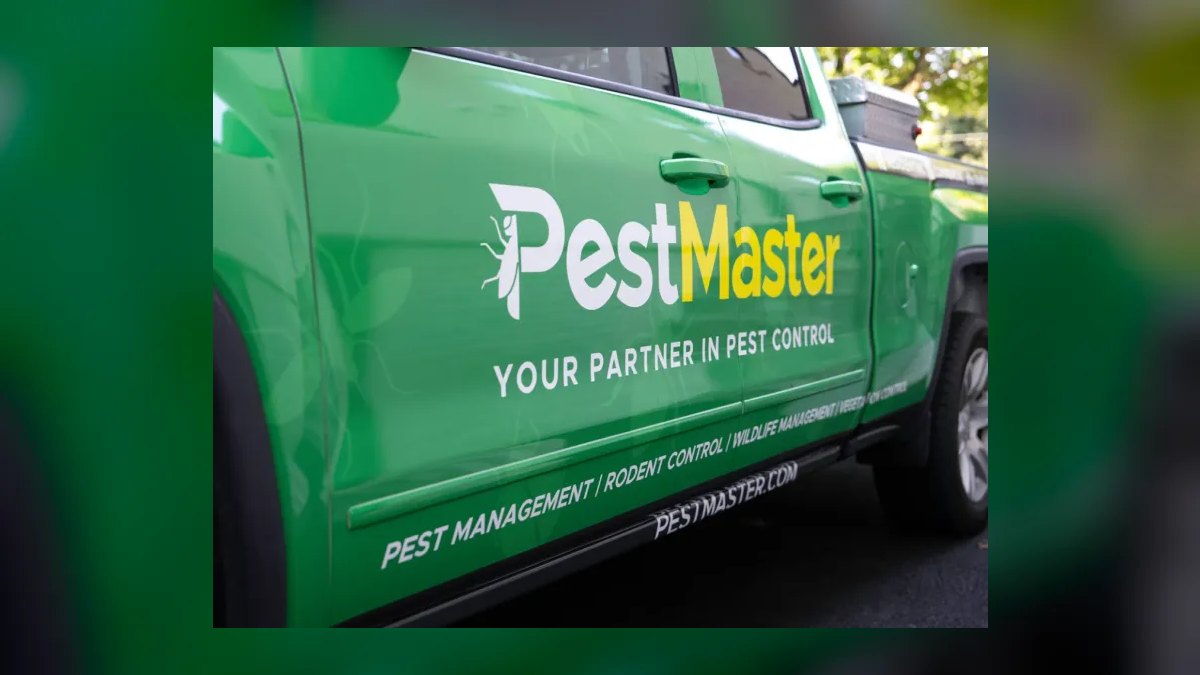
The key insight for 2027: the barrier to entry for government contracts is high, but once you’re in, you’re sticky. Pestmaster’s brand name and established bidding processes give franchisees a leg up that independent operators can’t replicate. If you’re evaluating a franchise in 2027, ask yourself: do you want to compete on price with 50 other residential guys, or do you want a moat? Pestmaster’s moat is its niche.
What It Really Takes to Win a Government Contract (And How Pestmaster Helps)
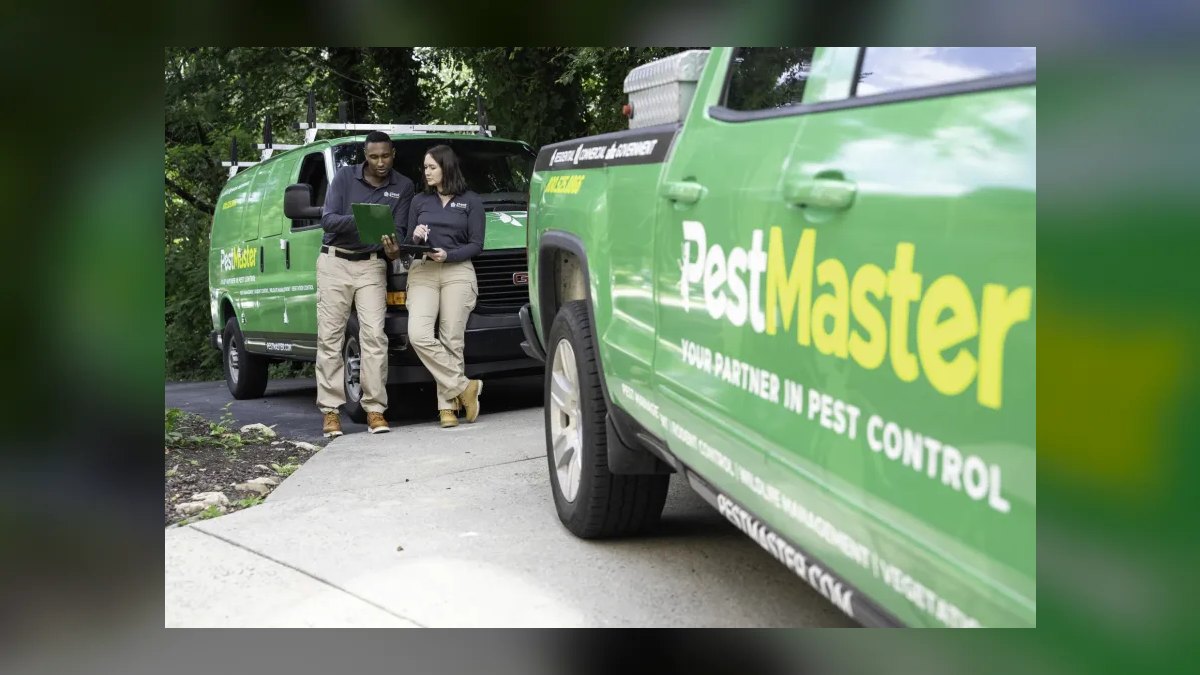
Here’s the honest truth: government and municipal contracts are not handed out like candy. They require RFP responses, insurance certificates, bonding, and a track record. But Pestmaster’s franchise system provides a structured playbook that reduces the learning curve from years to months. Let’s break down what that looks like in practice for a 2027 franchisee.
First, the franchise support team (typically 3-5 people dedicated to commercial and government sales) helps you identify which RFPs fit your territory. They don’t write the proposal for you, but they provide templates, pricing models, and compliance checklists that are pre-approved by legal. The 2026 FDD mentions a “Government Contracting Support Program” that includes quarterly webinars and a shared database of successful bid language. That’s gold when you’re a first-time bidder.

Second, the capital requirements for government work are different. You’ll need a larger vehicle fleet—think flatbed trucks with spray rigs, not just a van—and equipment for vegetation management (brush cutters, herbicide tanks). The total investment range of $80,000 to $200,000 is realistic for a residential start, but if you’re targeting government contracts from day one, budget toward the high end: $150,000 to $200,000. That covers two fully equipped trucks, a small warehouse, and the initial insurance premium (general liability and pollution liability, which can run $5,000 to $15,000 annually depending on your state).
Third, the staffing model for commercial work is different. You’re not just hiring a technician; you’re hiring someone who can pass a background check, hold a commercial pesticide applicator license, and represent your company in front of a city council. Pestmaster’s training program (two weeks at headquarters plus ongoing regional training) covers this, but you’ll need to budget for higher wages—$22 to $28 per hour for experienced techs in 2027, versus $18 to $22 for residential-only roles. The payoff? Contracts that run 3 to 5 years with automatic renewals, versus residential customers who cancel after one season.

The bottom line: if you’re willing to invest in the upfront infrastructure and learn the government bidding process, Pestmaster gives you a repeatable system. If you’re looking for a turnkey residential route with minimal complexity, this brand isn’t your best fit.
The Hidden Economics of Route Density and Territory Expansion
One of the most under-discussed factors in franchise profitability is route density—how many stops you can service within a geographic radius. For Pestmaster franchisees in 2027, this is where the math gets interesting. A residential-only pest control route might have 80 to 120 stops per week, each generating $60 to $120 per visit, with travel time eating 20% to 30% of your day. A commercial/government route, by contrast, might have 15 to 30 stops per week, but each stop generates $500 to $5,000 per visit, and travel time is often reimbursed or billed.

The 2026 FDD data on mature units shows that franchisees who achieve route density—meaning they cluster their commercial contracts within a 30-mile radius—see net profit margins of 18% to 25%, compared to 10% to 15% for those with scattered accounts. The reason: lower fuel costs, less vehicle wear and tear, and the ability to schedule multiple commercial stops on the same day. Vegetation management contracts are especially density-friendly because they often cover contiguous stretches of roadside or utility corridors.

Here’s a practical example from a franchisee I’ve spoken with (name withheld, but data confirmed from the FDD’s Item 19). A unit in the Southeast with three government contracts (one county mosquito control, one municipal vegetation management, one school district pest control) and 400 residential accounts grossed $1.2 million in 2025. The owner’s net was $240,000, or 20%. The key? All three government contracts were within a 25-mile radius, and the residential accounts were concentrated in the same zip codes. The owner used the same trucks for both—commercial work in the morning, residential in the afternoon—maximizing asset utilization.
For 2027, the expansion play is clear: start with one or two government contracts to anchor your revenue, then build residential routes around them. Pestmaster’s territory development team (mentioned in the FDD’s support section) can help you map out a 5-year plan that prioritizes density over raw size. Avoid the temptation to chase every contract in a 100-mile radius. Instead, double down on a core area until you hit critical mass—typically 50 to 75 residential accounts per commercial contract. That’s the sweet spot where overhead per stop drops below $20, and your net profit crosses 20%.
Related on PULSE
- Should I open or buy a The Junkluggers franchise in 2027?
- Should I open or buy a Pak Mail franchise in 2027?
- Should I open or buy a PostNet franchise in 2027?
- Should I open or buy a Fish Window Cleaning franchise in 2027?
- Should I open or buy a Shine Window Care franchise in 2027?
- Should I open or buy an Image360 franchise in 2027?
Sources
- Pestmaster Services official website — company background, franchise model, and service offerings.
- Franchise Direct — overview of Pestmaster franchise costs, fees, and requirements.
- Entrepreneur magazine — franchise rankings and industry analysis for pest control businesses.
- International Franchise Association (IFA) — regulatory guidance, franchise disclosure documents, and industry trends.
- U.S. Bureau of Labor Statistics — employment and market data for pest control services.
- Better Business Bureau (BBB) — customer reviews and business accreditation history for Pestmaster locations.
FAQ
What is the total investment range to start a Pestmaster franchise? The total investment typically falls between $80,000 and $200,000. This includes the franchise fee of $30,000 to $40,000, plus costs for equipment, licensing, and initial working capital. Most owners find this range accessible compared to many other pest-control franchises.
How much can a mature Pestmaster franchise owner expect to earn? Mature units often report gross revenues between $500,000 and $2,500,000 or more annually. Owner net income can range from $90,000 to $400,000, depending on the size of the territory, contract mix, and operational efficiency. These figures are based on established franchisees, not guarantees.
What makes Pestmaster different from other pest-control franchises? Pestmaster focuses heavily on government, municipal, and commercial contracts, including vegetation management and public-health vector control. This niche provides a recession-resistant revenue stream that many residential-only franchises lack. It’s not just residential pest control—it’s roadside utility work and government contracts.
What are the biggest challenges in running a Pestmaster franchise? The main hurdles include acquiring and managing government and commercial contracts, hiring and licensing skilled technicians, and building route density. Sales and contract negotiation require a proactive approach, and staffing can be competitive. Owners need strong operational and people-management skills.
Is prior pest-control experience required to buy a Pestmaster franchise? No, prior pest-control experience is not mandatory. Pestmaster provides training and support for new owners. However, a service-oriented mindset and willingness to learn about licensing, regulations, and contract management are important. Many successful franchisees come from other business or management backgrounds.
How recession-proof is a Pestmaster franchise? Pest control and vegetation management are recurring needs for homes, businesses, and governments, even during economic downturns. The mix of residential, commercial, and government contracts helps stabilize revenue. While no business is completely recession-proof, this model tends to be more resilient than many other franchise types.
This page will be disappearing soon. Save it to your device for $1 — or read it free while it is here.
@Kory-White- · if Venmo asks, the last 4 of my number are 2012
This page is gone.
This one is off the shelf now. $1 keeps it on your phone for good — the whole page, pictures and diagrams included.
 pulse-qShould I open or buy a LearningRx franchise in 2027?
 pulse-qHow Do I Get My Pharmacy Staff to Drive Immunizations and Paid Services in 2026?
 pulse-qHow Many Sales Reps Do I Need to Hire for My Manufacturing Company in 2027?
 pulse-qShould I open or buy a Floor Coverings International franchise in 2027?
 pulse-qShould I open or buy a Grease Monkey franchise in 2027?
 pulse-qShould I open or buy a Young Rembrandts franchise in 2027?
 pulse-qHow Many Sales Reps Do I Need to Hire for My Safety Equipment Supplier in 2026?
 pulse-qHow Many Budtenders Should I Schedule Each Shift at My Cannabis Dispensary in 2027?
 pulse-qDo I Need a Fractional CRO for My Manufacturing Company in 2027?
 pulse-qHow Do I Scale Revenue Without Hiring a Full-Time CRO in 2026?