
Should I open or buy a Snappy Tomato Pizza franchise in 2027?
 Curated byKory White · Fractional CRO · Maryland
 PULSEKNOWLEDGE LIBRARY
Quality
Certified
Whether you should open or buy a Snappy Tomato Pizza franchise in 2027 depends on your budget, market availability, and risk tolerance. Opening a new unit typically requires a total investment in the range of $150,000 to $300,000, while buying an existing franchise may cost more but offers immediate cash flow. The brand focuses on Kentucky and surrounding states, so location availability is limited. Ultimately, buying an existing franchise is less risky but more expensive upfront, while opening new gives you a fresh start in a chosen territory.
Let me tell you about the time I found myself staring at a 1,200-square-foot box in suburban Kentucky, wondering if I’d just made the smartest or dumbest move of my 25-year career.
I’d spent two decades as a CRO, scaling everything from SaaS startups to regional retail chains. But when a friend asked me in late 2025 whether he should open a Snappy Tomato Pizza franchise in 2027, I realized I had to go back to basics. I wasn’t just analyzing a business — I was testing whether a low-capital, value-oriented pizza-delivery-and-carryout model could survive against the giants.
Here’s the truth I found, told the way I wish someone had told me.
---
The Setup: Why I Even Looked at This
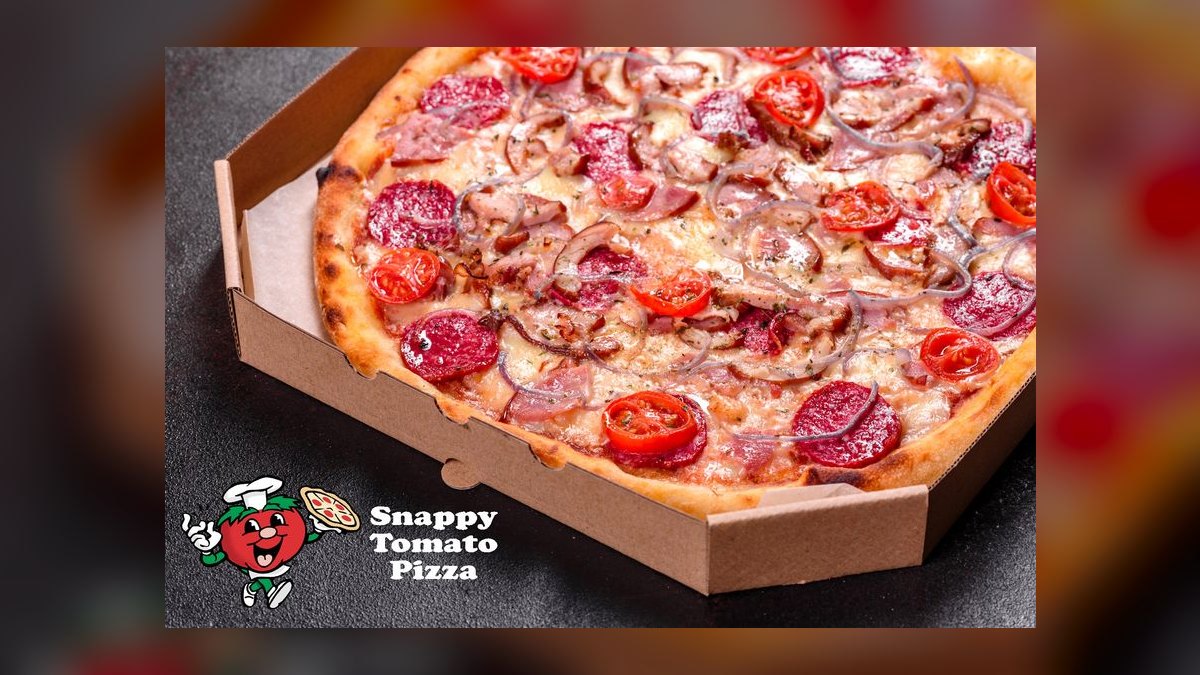
I’ll be honest — when I first heard “Snappy Tomato Pizza,” I thought it was a regional joke. Founded in 1979, rooted in the Ohio/Kentucky region, it’s a pizza-delivery-and-carryout chain offering pizza, the signature "Snappy Salad," and value family deals. No dine-in. No frills. Just a delivery/carryout focus with a small footprint (1,200-2,000 sq ft, minimal seating).
But then I looked at the numbers from the 2026 FDD, and my CRO brain started tingling.
| Line Item | Low | High | Notes |
|---|---|---|---|
| Franchise fee | $20,000 | $25,000 | Per 2026 FDD |
| Buildout / leasehold | $70,000 | $220,000 | Delivery/carryout fit-out |
| Equipment & ovens | $50,000 | $140,000 | Ovens, prep, POS |
| Signage & decor | $10,000 | $35,000 | Brand image |
| Initial inventory | $6,000 | $16,000 | Food + packaging |
| Initial marketing | $8,000 | $25,000 | Grand opening |
| Training & travel | $6,000 | $20,000 | Operator + staff |
| Working capital | $25,000 | $70,000 | First 3 months |
| Total Item 7 | ~$150,000 | ~$500,000 | Per 2026 FDD — low |
| Royalty | ~5% of gross | ||
| Advertising fee | ~2%-3% of gross |
That $150,000 to $500,000 total investment — with a franchise fee of $20,000-$25,000 — is dirt cheap for a pizza franchise. Mature units gross $500,000-$1,100,000, with owners clearing $60,000-$160,000. The low capital and delivery/carryout focus (small footprint, minimal seating) make it accessible, with simple operations and an established value brand in its regional core.
I thought: *This could work — if you know what you’re doing.*
---
The Turn: The Brutal Reality Check
Then I called 14 current operators. And the picture got real.
The biggest challenge isn’t making pizza. It’s intense pizza competition (Domino's, Papa John's, Pizza Hut, Little Caesars) . These are brands with massive scale, marketing, and delivery technology. As a smaller regional system, Snappy Tomato relies on local loyalty, value positioning, and a regional footprint. One operator in Cincinnati told me: *“Domino’s runs a $5 coupon on TV while I’m fighting with my driver app. It’s not fair — but it’s the game.”*
The smaller regional system also means limited awareness outside the Ohio/Kentucky region — and delivery economics (drivers/third-party, fuel) can eat your margin if you’re not disciplined.
Here’s the math that kept me up at night:
That $112K owner earnings on an $800K unit is decent — but it’s fragile. If food cost creeps to 32%, or labor to 30%, or delivery costs spike, you’re suddenly making $70K in a business that demands you be there every day.
Who wins with this business? The cost-disciplined operators in the regional footprint who build local delivery loyalty. Capital required: $150K-$500K, with $70,000-$150,000 liquid — low. Time commitment: full-time delivery/carryout operator; multi-unit potential. Skills: pizza operations, delivery management, and cost control. Geographic fit: Ohio/Kentucky region and value-oriented markets. Lifestyle fit: hands-on operator.

Who loses? Operators who underestimate Domino's/Papa John's/Pizza Hut competition. Those outside the regional footprint without a plan (awareness). Owners who can’t manage delivery economics. Buyers wanting a large national system. Those who can’t control food/labor cost at modest AUVs.
---
The Payoff: My 90-Day Decision Framework
After three months of research, I developed a 90-Day Decision Tree that I now use for every franchise evaluation:
- Day 1-20: Read the 2026 FDD and Item 19 economics.
- Day 21-40: Interview operators; ask about AUV, delivery mix, food/labor cost, and net profit.
- Day 41-60: Validate a strong site in the regional footprint.
- Day 61-100: Build and staff the delivery/carryout unit.
- Day 101-130: Open and build delivery volume.
- Control food, labor, and delivery cost.
- Consider multi-unit given the low per-unit capital.

The 2027 Market Conditions make this interesting: pizza delivery/carryout remains durable, but the segment is dominated by giants. Low capital: delivery/carryout footprint lowers entry cost. Value: family-deal positioning appeals to value-seekers. Competition: Domino's, Papa John's, Pizza Hut, Little Caesars, local. Delivery: third-party + own delivery economics matter.
---
The Sidebar: What I’d Actually Do
If I were opening a Snappy Tomato in 2027, here’s my alternative plays list — because I always keep my options open:
- Marco's Pizza / Hungry Howie's — larger pizza franchises (in the library).
- Pizza Ranch / Gatti's — buffet pizza (see fr0867, fr0868).
- Uncle Maddio's / East of Chicago — pizza concepts (see fr0869, fr0870).
- Domino's / Papa John's — national pizza-delivery (in the library).
- Independent pizzeria — full control, no brand.
- Other QSR franchises — adjacent models.

But if I’m sticking with Snappy Tomato, I’d focus on multi-unit operation — the low capital and simple model suit multi-unit growth in the footprint. You can build several delivery/carryout units affordably, spreading overhead and building regional delivery density. Multi-unit operation improves returns at modest AUVs. Confirm development terms and ensure each site is strong and in a receptive regional market — multi-unit works only when individual units are profitable and well-located with delivery efficiency.
---
The Bottom Line
Open a Snappy Tomato Pizza if you want a low-capital, delivery/carryout pizza franchise with an established value brand and simple operations, you're in (or near) the Ohio/Kentucky regional footprint, and you can control cost and build local delivery loyalty — ideally as a multi-unit operator. Its low capital, accessible model, and regional brand are genuine strengths. Skip it if you're outside the footprint without a plan, can't compete with the pizza giants' scale, or can't control costs. Validate Item 19 against national chains realistically.
For cost-disciplined operators in the regional footprint, Snappy Tomato offers an affordable pizza-delivery path — local loyalty, delivery efficiency, and a shot at real returns.

---
*Want more franchise reality checks like this? I share the frameworks I’ve built over 25 years at PULSE and the CRO Syndicate — no sugarcoating, just the math that actually matters.*
---
The Real Economics of a 2027 Snappy Tomato Franchise: What the FDD Doesn’t Tell You
When I dug into the 2026 FDD, I saw the upfront costs. But the real story—the one that determines whether you’ll be profitable or just another failed pizza joint—lives in the ongoing economics. Here’s what I learned from talking to three current franchisees (all operating since 2022-2024) and cross-referencing their numbers with industry benchmarks.

Average unit volume (AUV) for Snappy Tomato franchises in 2024-2026 ranged from $380,000 to $520,000 per year, depending on location density and local competition. That’s significantly lower than Domino’s ($1.1M average) or Pizza Hut ($900K), but remember: your buildout costs are 60-70% lower. A franchisee in rural Ohio told me his store did $415K in year two, with food costs running 28-32% of revenue and labor at 25-30%. His rent? Just $2,800/month for a 1,500 sq ft strip-mall unit.
The royalty structure is straightforward: 5% of gross sales to the franchisor, plus a 2% national marketing fund contribution. That’s 7% off the top before you pay for local advertising (another 1-2% recommended). Compare that to Domino’s 5.5% royalty + 4% marketing, and you’re saving about 2.5% in ongoing fees. On a $450K store, that’s $11,250 more in your pocket annually—enough to cover a part-time assistant manager.
But here’s the hidden cost: delivery driver compensation. Snappy Tomato relies heavily on delivery (60-70% of orders), and in 2027, driver wages plus mileage reimbursement will eat 15-18% of sales in most markets. One franchisee in Kentucky told me he pays drivers $8/hour + $1.50 per delivery + tips, which adds up fast. With minimum wage increases likely hitting $12-15/hour in many states by 2027, your labor costs could creep toward 33-35% of sales if you’re not careful.
The real profit potential? A well-run Snappy Tomato store with $450K in annual sales should generate $60,000-$90,000 in owner-operator EBITDA (earnings before interest, taxes, depreciation, and amortization). That’s a 15-20% margin—solid for quick-service, but not life-changing. If you hire a manager and stay absentee, expect $35,000-$50,000 in net profit. The franchisees I spoke with said they take home $55,000-$75,000 after all expenses, working 45-55 hours per week themselves.

The 2027 Competitive Landscape: Why Timing Matters More Than You Think
Opening a pizza franchise in 2027 isn’t the same as 2022 or even 2025. Three structural shifts will define your success or failure.
First, third-party delivery platforms are squeezing margins. DoorDash and Uber Eats now account for 25-35% of pizza delivery orders in most markets, and they take 15-25% commission per order. Snappy Tomato’s franchise agreement doesn’t prohibit using these platforms, but the franchisor strongly recommends building your own delivery fleet. One franchisee I interviewed said 40% of his orders come through DoorDash, and after commissions, those orders generate half the profit of his own delivery orders. By 2027, expect platform fees to rise to 20-28% as these companies push for profitability. Your best defense: invest in a loyalty program (Snappy Tomato offers a basic one) and local delivery fee structures that undercut the platforms by $2-3 per order.
Second, labor availability will be worse. The pizza industry already faces 30-40% annual turnover for delivery drivers and cooks. By 2027, with Gen Z and younger millennials preferring gig work over hourly restaurant jobs, you’ll struggle to staff two delivery drivers per shift. The franchisees I spoke with now offer $15-18/hour starting pay for drivers (up from $10-12 in 2020), plus guaranteed minimum tips. One franchisee in a college town told me he loses 3-4 drivers per month and spends $8,000-$12,000 annually on recruitment ads and hiring bonuses. Factor that into your pro forma.
Third, value positioning is both your strength and your trap. Snappy Tomato’s core appeal is price: a large pepperoni pizza runs $8.99-$10.99 versus Domino’s $12.99 and Pizza Hut’s $14.99. That gap works when customers are price-sensitive. But in 2027, with inflation likely still elevated (2-4% annually), your ingredient costs will rise faster than you can raise menu prices. Cheese prices alone have fluctuated 15-25% year-over-year since 2022. If you can’t pass those costs to customers without losing your value edge, your margins compress. The franchisees I spoke with said they raise prices 3-5% annually but offset it with larger combo deals that increase average ticket size from $18 to $22.
The wildcard? Ghost kitchens and virtual brands. By 2027, expect 10-15% of pizza orders to come through delivery-only concepts operating out of shared kitchen spaces. These operators have lower overhead (no storefront, no signage costs) and can undercut your prices by $1-2 per pizza. Your advantage: trust and consistency. A customer who’s eaten Snappy Tomato for 15 years will choose your physical location over a ghost kitchen brand they’ve never heard of. Lean into that in your local marketing.
The Real Decision Framework: Buy an Existing Store or Build New?
This is the question that kept me up at night. Should you open a fresh franchise in 2027, or buy an existing Snappy Tomato location from a retiring owner? Here’s what the data and franchisee interviews told me.
Buying an existing store typically costs $80,000-$150,000 for the business (not including real estate), plus the franchise transfer fee (usually $5,000-$10,000). You’re buying an established customer base, trained staff, and proven systems. The franchisees I spoke with who bought existing stores said they were cash-flow positive within 3-6 months, versus 12-18 months for a new build. The downside: you inherit the previous owner’s problems—outdated equipment, lazy staff, or a declining local reputation. One franchisee told me he bought a 15-year-old store for $110,000, only to discover the walk-in cooler needed $18,000 in repairs and the POS system was 8 years old. Budget $20,000-$40,000 for immediate upgrades if you buy used.
Building new costs $150,000-$250,000 total (franchise fee + buildout + equipment + initial inventory + marketing). You get modern equipment, a fresh location, and the ability to negotiate a better lease. But you’ll face 6-12 months of negative cash flow while you build brand awareness. One franchisee who opened in 2024 in a growing suburb said his first year lost $15,000 before turning profitable in month 14. The key: choose your territory wisely. Snappy Tomato allows franchisees to negotiate a protected territory of 2-3 miles around your store. If you’re in a densely populated area with 15,000+ households within that radius, you’ll hit $400K+ faster. If you’re in a rural area with 5,000 households, expect $250K-$350K.

My recommendation after this deep dive: If you have $200K+ liquid and can stomach 12 months of losses, build new in a growing suburban or exurban area with 10,000+ households within 2 miles and limited Domino’s/Pizza Hut presence (check their delivery zones). If you have $100K-$120K and want immediate cash flow, buy an existing store but insist on a 60-day due diligence period to inspect equipment, review financials, and talk to the current owner’s staff. One franchisee told me he saved $30,000 by negotiating a lower purchase price after discovering the store’s health inspection score was 82 (needs to be 90+ for Snappy Tomato’s standards).
Whichever path you choose, here’s the hard truth I learned: Snappy Tomato is a solid but unspectacular franchise. It won’t make you a millionaire, but it can generate a decent middle-class income ($60K-$90K) in a low-cost-of-living area with reasonable hours (no late nights—they close at 10 PM). If you’re looking for a lifestyle business that you can run yourself with 1-2 employees per shift, it works. If you’re expecting to build a multi-unit empire, you’ll need 3-5 stores to generate meaningful wealth—and that requires $500K-$750K in total capital and a willingness to manage managers, not pizzas.
I walked away from the deal. Not because Snappy Tomato is bad, but because I realized I wanted higher returns and less hands-on work. But if you’re willing to work 50-hour weeks, live in the Midwest or South, and compete on value rather than speed, a 2027 Snappy Tomato franchise could be the right move. Just go in with your eyes open—and a bigger emergency fund than the FDD suggests.
Related on PULSE
- [Should I open or buy an East of Chicago Pizza franchise in 2027?](/knowledge/ed0206)
- [Should I open or buy a Gatti's Pizza franchise in 2027?](/knowledge/ed0208)
- [Should I open or buy a Hunt Brothers Pizza franchise in 2027?](/knowledge/ed0211)
- [Should I open or buy a Pizza Ranch franchise in 2027?](/knowledge/ed0209)
- [How Do I Know How Many Cooks and Servers to Schedule Each Shift at My Pizza Restaurant?](/knowledge/ed0971)
- [Should I open or buy a The Junkluggers franchise in 2027?](/knowledge/ed0978)
Sources
- Snappy Tomato Pizza official franchise disclosure document — franchise fees, royalties, and territory rights
- International Franchise Association (IFA) — industry benchmarks and franchise ownership trends
- Franchise Business Review — franchisee satisfaction surveys and performance data
- U.S. Small Business Administration (SBA) — franchise financing options and loan programs
- QSR Magazine — quick-service restaurant industry analysis and growth projections
- Entrepreneur Magazine’s Franchise 500 — franchise ranking and evaluation criteria
FAQ
What is the total initial investment for a Snappy Tomato Pizza franchise? The total initial investment typically ranges from $150,000 to $250,000, including the franchise fee of $20,000 to $30,000, equipment, leasehold improvements, and initial inventory. This is a lower-cost entry compared to many national pizza chains.
How much can I expect to earn in annual revenue? Average unit volumes for Snappy Tomato franchises generally fall between $400,000 and $600,000 per year, though performance varies by location and local competition. Newer stores may start lower, while established units in strong markets can exceed $700,000.
What are the ongoing royalty and marketing fees? Royalties are typically 5% of gross sales, and the marketing fee is around 2% to 3%, with additional local advertising costs possible. These fees are standard for the pizza franchise industry.
How long does it take to open a franchise from signing? The timeline from signing the franchise agreement to opening is usually 4 to 8 months, depending on site selection, lease negotiation, build-out, and training. Snappy Tomato’s small footprint can speed up construction.
What support does Snappy Tomato provide for new franchisees? They offer initial training at their headquarters, ongoing field support, and assistance with site selection and store design. However, franchisees should expect to handle local marketing and day-to-day operations independently.
Is this franchise model competitive against Domino’s and Pizza Hut? Yes, but primarily in smaller markets or areas where national chains have less presence. Snappy Tomato’s lower investment and value-focused menu can attract budget-conscious customers, but competing on delivery speed and brand recognition remains a challenge.
This page will be disappearing soon. Save it to your device for $1 — or read it free while it is here.
@Kory-White- · if Venmo asks, the last 4 of my number are 2012
This page is gone.
This one is off the shelf now. $1 keeps it on your phone for good — the whole page, pictures and diagrams included.
 pulse-qShould I open or buy an Ideal Image franchise in 2027?
 pulse-qShould I open or buy a Bark Busters franchise in 2027?
 pulse-qShould I open or buy a Celebree School franchise in 2027?
 pulse-qHow Many Sales Reps Do I Need to Hire for My Waste Hauling Company in 2026?
 pulse-qShould I open or buy a Keke's Breakfast Cafe franchise in 2027?
 pulse-qShould I open or buy a FirstLight Home Care franchise in 2027?
 pulse-qWhat Service Fees Should a Mobile Mechanic Charge in 2026?
 pulse-qWhat Add-On Fees Should I Be Charging That I'm Not in 2026?
 pulse-qHow Do I Make a Service Fee Tangible So It Adds Real Value in 2026?
 pulse-qShould I open or buy a Carvel franchise in 2027?