
Should I open or buy a Carvel franchise in 2027?
 Curated byKory White · Fractional CRO · Maryland
 PULSEKNOWLEDGE LIBRARY
Quality
Certified
Opening a Carvel franchise in 2027 costs roughly $310,000 to $1,500,000 depending on format, and mature shops net $50,000 to $200,000 a year once ice-cream-cake sales offset the seasonal slowdown. Open if you have capital, cake-sales hustle, and a warm-season or celebration-heavy market; buy an existing, well-documented unit if you want to skip the 12-18 month ramp-up.
What it is and why it matters
Carvel is a 90-year-old soft-serve and ice-cream-cake brand, founded in 1934 and now operated under GoTo Foods (formerly Focus Brands), the same parent that owns Cinnabon, Auntie Anne's, and Moe's Southwest Grill. The question of whether to open a new Carvel franchise or buy an existing one in 2027 matters because the two paths carry fundamentally different risk profiles, cash-flow timelines, and skill requirements — and picking the wrong one for your capital position and operating style is how franchisees end up underwater in year two.
A new franchise means starting from zero: no customer base, no proven sales history, and a 12-to-18-month ramp-up before the location hits its stride. In exchange, you get a clean slate — new equipment, a lease you negotiate on your own terms, and no inherited problems from a prior operator. Buying an existing unit means paying a premium for revenue history and an established customer base, but you also inherit whatever the previous owner left behind: aging freezers, a lease with unfavorable terms, or a location that's been quietly losing foot traffic for two years.
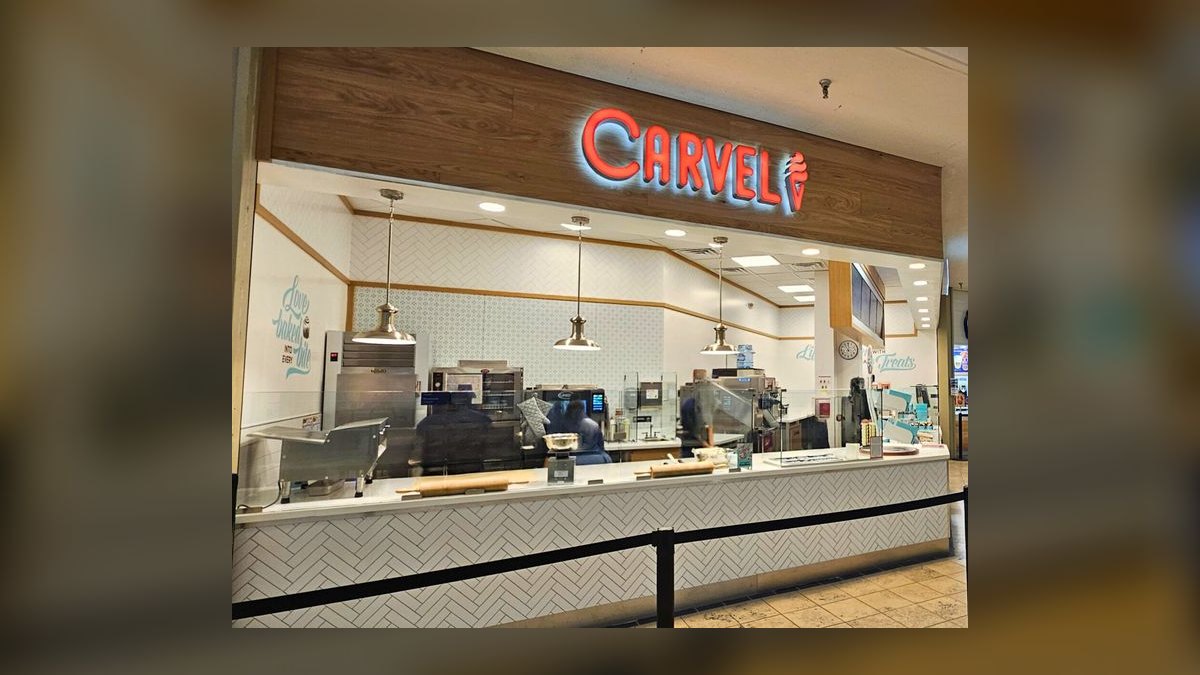
The format decision compounds this. Carvel now offers three distinct operating models — full-service Shoppes, express/kiosk units, and non-traditional co-branded counters inside sister GoTo Foods concepts. Each has a different capital requirement, staffing model, and seasonality exposure. Getting the format wrong is arguably a bigger risk than getting the open-vs-buy decision wrong, because a full Shoppe in a cold-climate market with no cake strategy will struggle regardless of whether you built it or bought it. This matters in 2027 specifically because labor costs, ingredient costs, and commercial lease rates have all moved meaningfully since the last FDD cycle, which changes the math on which format actually pencils out.
The step-by-step process
Whether you're opening new or evaluating a resale, the diligence sequence is the same — only the depth of financial verification changes. Here's the 90-day framework I walk every prospective Carvel operator through before they sign anything.
Days 1-20: Read the FDD cover to cover. Focus specifically on Item 7 (initial investment ranges by format), Item 19 (financial performance representations, if disclosed), and Item 20 (franchisee turnover and transfer history). If Item 19 shows a high number of transfers or terminations in your target region, that's a signal to dig deeper before you fall in love with a location.
Days 21-45: Interview at least 8 existing operators, ideally a mix of full Shoppe, express, and co-branded owners. Ask directly about average unit volume, what percentage of revenue comes from ice-cream cakes versus scoop sales, how they staff through winter, and what their actual net profit looks like after royalty and ad fees. An operator who won't share rough numbers is telling you something.
Days 46-65: Choose your format and validate the market. Don't anchor on a location you already like — validate the demographic and seasonal-demand data first, then find the location that fits.
Days 66-115: Build out or complete the resale transfer, including GoTo Foods' buyer-approval process if you're purchasing an existing unit.
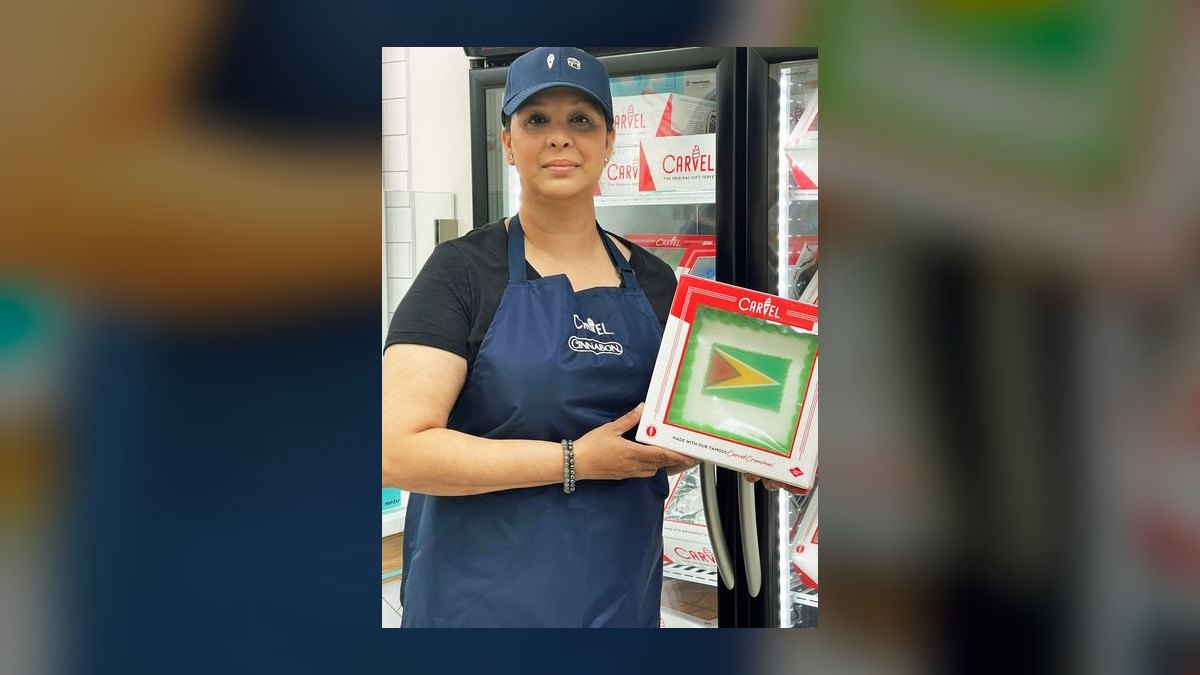
Days 116-145: Open (or re-open under new ownership) and push cake sales immediately rather than waiting for word-of-mouth — cakes are the lever that makes the difference between a seasonal business and a year-round one.
Costs, timelines, and typical ranges
The franchise fee is $30,000 regardless of format. Beyond that, your total Item 7 investment varies enormously by format:
| Line item | Full Shoppe | Express/Kiosk | Co-branded counter |
|---|---|---|---|
| Franchise fee | $30,000 | $30,000 | $30,000 |
| Buildout/leasehold | $120,000-$800,000 | $80,000-$250,000 | $30,000-$100,000 |
| Equipment/freezers | $90,000-$420,000 | $60,000-$150,000 | $20,000-$60,000 |
| Signage/decor | $15,000-$80,000 | $10,000-$30,000 | $5,000-$15,000 |
| Total initial investment | $500,000-$1,500,000 | $250,000-$500,000 | $100,000-$300,000 |
| Annual gross revenue | $600,000-$900,000 | $350,000-$550,000 | $150,000-$300,000 |
| Royalty rate | 5%-6% | 5%-6% | 4%-5% |
For a full Shoppe grossing $600,000, a typical breakdown looks like: cost of goods around 32% ($192,000), labor around 26% ($156,000), occupancy around 11% ($66,000), and royalty/ad fee/other operating expenses around 14% ($84,000) — leaving roughly $102,000 in owner earnings before debt service. That's a workable return, but it assumes you're actively driving cake sales; skip that and your margin compresses fast during the November-through-February stretch.

Beyond the FDD-listed figures, budget for costs the brochure won't mention: $5,000-$10,000 a year in freezer and equipment maintenance (a single commercial compressor failure runs $3,000-$8,000), $2,000-$5,000 a year in seasonal hiring and training turnover, and cake waste from overproduction — target 2-3% waste and treat anything above 5% as a real margin leak. All told, plan for $15,000-$30,000 a year in unplanned costs on top of your operating budget.
Timelines: a new build typically takes 4-6 months from lease signing to opening day, plus another 12-18 months to reach mature volume. A resale can be cash-flowing from day one if the existing operation is healthy, which is the single biggest argument in favor of buying over opening from scratch when the right unit is available.

Where teams get it wrong
The most common mistake is treating the Item 7 range as the full cost of entry and getting blindsided six months in by equipment repairs, seasonal turnover, and cake waste — the $15,000-$30,000 a year in hidden costs listed above catches nearly every first-time operator off guard.
The second mistake is picking a full Shoppe format without a cake strategy in a cold-climate, low-celebration market. Scoop sales alone will not carry a Shoppe through a Minnesota or upstate New York winter; without a deliberate push on holiday cakes (Christmas log cakes, Valentine's hearts, Easter designs) and adjusted winter staffing, you're looking at four to five months of losses every year.

The third mistake, specific to buying an existing unit, is skipping a professional audit of the seller's financials. It is not unusual to see sellers pad reported revenue with undocumented cash sales that never show up on tax returns — sometimes by 15-20%. Always hire a franchise-experienced CPA to verify the P&L against tax filings before you close, and never rely solely on the seller's own numbers.
The fourth mistake is buying or building on a short lease. A lease with fewer than five years remaining and no renewal option makes a unit nearly impossible to resell later and hands your landlord all the leverage at renewal time — in 2027, landlords in high-traffic areas are pushing rent increases of 10-20%, so a long lease locked in early is a real financial advantage, not just a formality.
Decision framework: when to choose what
Open a new Carvel franchise if: you have $500,000+ in accessible capital for a full Shoppe (or $250,000+ for an express unit), you're comfortable with a 12-18 month ramp-up, you want full control over lease terms and equipment condition from day one, and your target market is warm-climate or celebration-dense enough to support cake-driven revenue.
Buy an existing Carvel instead if: you find a unit with at least 3 years of clean, CPA-verified financials, a lease with 7+ years remaining, and a seller willing to train you for 2-4 weeks during transition. Buying skips the ramp-up period entirely, but only if the unit is genuinely healthy — a declining unit in a struggling location is a liability no matter how low the asking price looks.

The express/kiosk format is where I'd point most first-time operators with $250,000-$500,000 to deploy in 2027: lower capital requirement, faster break-even (12-18 months versus 24-36 for a full Shoppe), and an easier eventual resale. The co-branded counter is a sidecar play for existing multi-unit franchisees adding a second revenue stream, not a standalone primary income source.
On exit: if you do open new, plan to hold 7-10 years to recoup your investment and sell at a premium — well-run full Shoppes in strong locations can sell for 2.5x-3.5x annual net profit, while a struggling unit in a declining location may fetch only 1x profit or less. Express units typically resell at 1.5x-2.5x profit given their lower operating complexity.
Related questions
Is Carvel a good franchise to buy in 2027? Yes, if the unit has 3+ years of CPA-audited financials, a lease with 7+ years remaining, and a seller offering hands-on transition training. Skipping the financial audit is the most common way buyers get burned on cash-sale padding.
How much does it cost to open a Carvel express unit? Roughly $250,000 to $500,000, including the $30,000 franchise fee, buildout, and equipment — significantly less than a full Shoppe's $500,000-$1,500,000 range.
Why do Carvel franchises rely so heavily on cake sales? Cakes are higher-ticket, celebration-driven, and sold year-round, which offsets the sharp seasonal drop in scoop sales during winter months in most non-tropical markets.
Should I choose a full Shoppe or an express unit? Choose an express unit unless you have $500,000+ in capital and a genuine passion for cake decorating and merchandising — express units break even faster and resell more easily.
How long should I plan to hold a Carvel franchise before selling? Plan on 7-10 years to fully recoup your investment, build a loyal customer base, and sell at a premium rather than at breakeven.
FAQ
What is the total investment range for a Carvel franchise in 2027? Total investment runs from roughly $310,000 for a lean express or co-branded setup up to $1,500,000 for a full-service Shoppe with extensive buildout, based on the Item 7 line items in the current FDD. The $30,000 franchise fee is constant across formats; buildout, equipment, and working capital drive the rest of the variance.
How much can I expect to earn as a Carvel franchisee? Mature full Shoppes gross $600,000-$900,000 annually with owner earnings of roughly $50,000-$200,000, while express units gross $350,000-$550,000 with earnings of $80,000-$150,000. The gap between low and high earners within each format is almost always explained by how aggressively the operator sells ice-cream cakes.
What are the ongoing royalty and advertising fees? Standard Shoppe and express units pay a 5%-6% royalty and a 2%-3% national advertising fee on gross sales; co-branded counters typically pay a slightly lower 4%-5% royalty since they share overhead with the host concept.
Is Carvel a seasonal business, and how do operators manage it? Yes — most units do the majority of their annual volume between May and September. Operators manage the winter slowdown by leaning on ice-cream cake sales for holidays and celebrations, trimming staff hours during the coldest months, and running targeted seasonal promotions rather than trying to hold summer staffing levels year-round.
Can I buy an existing Carvel franchise instead of opening a new one? Yes, and it's often the faster path to cash flow since you skip the 12-18 month ramp-up. The trade-off is inheriting whatever condition the prior owner left the equipment, lease, and reputation in, so a CPA-led financial audit before closing is non-negotiable.
What support does GoTo Foods provide to Carvel franchisees? New franchisees receive initial training and ongoing operational and marketing support through GoTo Foods (formerly Focus Brands), though the intensity of field support can vary by region and by how the franchisee's unit is performing relative to system averages.
Sources
- https://www.carvel.com
- https://www.gotofoods.com
- https://www.franchise.org
- https://www.franchisebusinessreview.com
- https://www.sba.gov/business-guide/plan-your-business/franchise-businesses
- https://www.entrepreneur.com/franchises
- https://www.ftc.gov/business-guidance/resources/franchise-rule-compliance-guide
Related on PULSE
- [Should I open or buy a The Junkluggers franchise in 2027?](/knowledge/ed0978)
- [Should I open or buy a Pak Mail franchise in 2027?](/knowledge/ed0988)
- [Should I open or buy a PostNet franchise in 2027?](/knowledge/ed0989)
- [Should I open or buy a Fish Window Cleaning franchise in 2027?](/knowledge/ed0982)
- [Should I open or buy a Shine Window Care franchise in 2027?](/knowledge/ed0981)
- [Should I open or buy an Image360 franchise in 2027?](/knowledge/ed0990)
This page will be disappearing soon. Save it to your device for $1 — or read it free while it is here.
@Kory-White- · if Venmo asks, the last 4 of my number are 2012
This page is gone.
This one is off the shelf now. $1 keeps it on your phone for good — the whole page, pictures and diagrams included.
 pulse-qHow Do I Calculate the Right Service Fee to Charge in 2026?
 pulse-qShould I open or buy a CPR Cell Phone Repair franchise in 2027?
 pulse-qHow Many Sales Reps Do I Need to Hire for My Hot Tub and Spa Retailer in 2026?
 pulse-qWhat Service Fees Should a Plumbing Company Charge in 2026?
 pulse-qShould I open or buy a Tint World franchise in 2027?
 pulse-qShould I Hire a Fractional CRO If I Am Taking the Company to Market in a Year in 2026?
 pulse-qShould I open or buy a Curry Up Now franchise in 2027?
 pulse-qShould I open or buy an Image Studios franchise in 2027?
 pulse-qShould I open or buy an Ideal Image franchise in 2027?
 pulse-qWhat Service Fees Should a Photography Business Charge in 2026?