


Should I open or buy a Keke's Breakfast Cafe franchise in 2027?
Quality
Certified

Opening or buying a Keke's Breakfast Cafe franchise in 2027 is a strong option if you have $700,000 to $1.5 million in capital, full-service restaurant experience, and can operate in a warm-weather suburban market with genuine brunch demand. Denny's ownership gives the concept national-expansion muscle. Skip it if you want a passive investment, can't manage a brutal weekend-peak labor rush, or are under-capitalized.
The outcome you should expect
Walk into a Keke's Breakfast Cafe franchise agreement expecting a daytime-only, full-service brunch business — open roughly 7am to 2:30pm, no dinner shift, no late-night cleanup crew. That single operating-hours decision reshapes every financial outcome that follows. Mature units typically gross between $1.2 million and $2.2 million annually, and owners who run the concept well clear somewhere in the $150,000 to $340,000 range in annual earnings once royalties, occupancy, food cost, and labor are stripped out. That's a genuinely attractive return profile for a full-service restaurant, and it exists specifically because Keke's refuses to compete for the dinner daypart.
The realistic timeline to profitability is 8 to 18 months from opening day, not from signing. Most franchisees don't hit sustained positive monthly cash flow until month 8 to 12, and a marginal site can push that to 18 months. If you're financing a $400,000 SBA loan at 8%, that's roughly $4,800 a month — about $57,600 a year — coming out before you've served a single plate of eggs. Budget for that runway explicitly; undercapitalized operators who assume they'll be profitable by month three are the ones who default on their buildout loans.
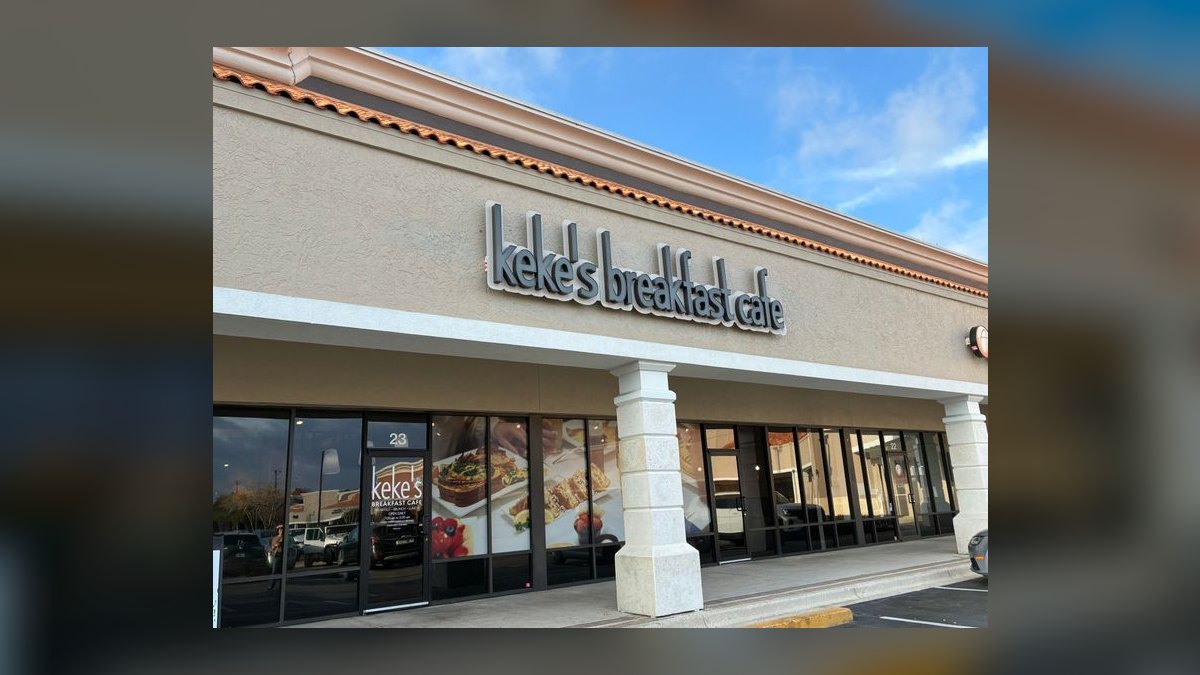
The lifestyle outcome is real and should factor into your decision as heavily as the financial one. You are trading top-line revenue ceiling — Keke's units generally cap out around $2.2 million because there's no dinner service to add incremental sales — for a dramatically better quality of life and a leaner labor model. If you're the type of operator who wants to build the biggest possible single unit, a full-day concept will outgross you. If you want to run a high-margin business and be home by 3pm, this is one of the better daytime-only plays in the breakfast-casual segment. The honest expectation: this is a demanding, hands-on, full-time job for the first two to three years, followed by a genuinely lighter schedule than almost any other full-service restaurant franchise once the operation is dialed in.
What drives that outcome
Three forces determine whether your Keke's unit lands in the $150,000 owner-earnings range or the $306,000-plus range: table-turn velocity during the morning rush, occupancy cost relative to your trade area, and how much of the Denny's support infrastructure you actually use instead of ignoring.
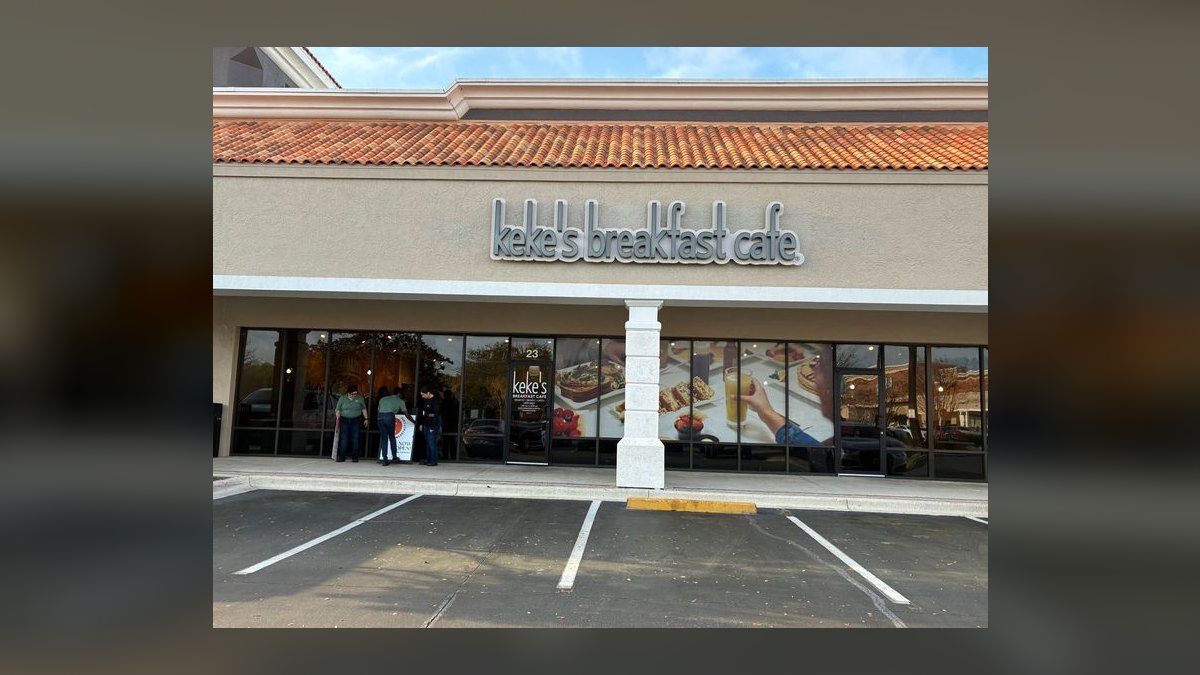
Table turns matter more here than at almost any other restaurant model because 70 to 80% of daily revenue is compressed into a four-hour window, roughly 8am to noon on weekends. A unit that turns tables in 35 to 40 minutes during peak will out-earn an identical unit turning tables in 55 minutes by a wide margin, purely on volume — you're fitting in an extra half-turn across the same labor hours. That's a scheduling and training problem, not a menu problem, and it's the single highest-leverage thing an operator controls.
Occupancy cost is the second lever, and it's where site selection either sets you up to win or dooms the unit before day one. Because Keke's isn't fighting for dinner traffic, it can take strip-center and end-cap locations that dinner-heavy concepts pass over — typically $18 to $28 per square foot in Sun Belt markets versus $30 to $45 for dinner-oriented real estate. On a 3,500-square-foot store, that gap is $35,000 to $60,000 in annual rent savings, which flows straight to owner earnings.
Third, Denny's acquired Keke's Breakfast Cafe in a deal completed in July 2021, and that ownership is a real differentiator versus independent brunch concepts — but only for operators who actually lean on it. Denny's brings supply-chain leverage, franchise-systems maturity, real-estate site-selection support, and national-expansion capital that a standalone breakfast brand can't replicate. Operators who treat the franchisor relationship as a formality and go it alone on sourcing or marketing leave real margin on the table.
Benchmarks and realistic ranges
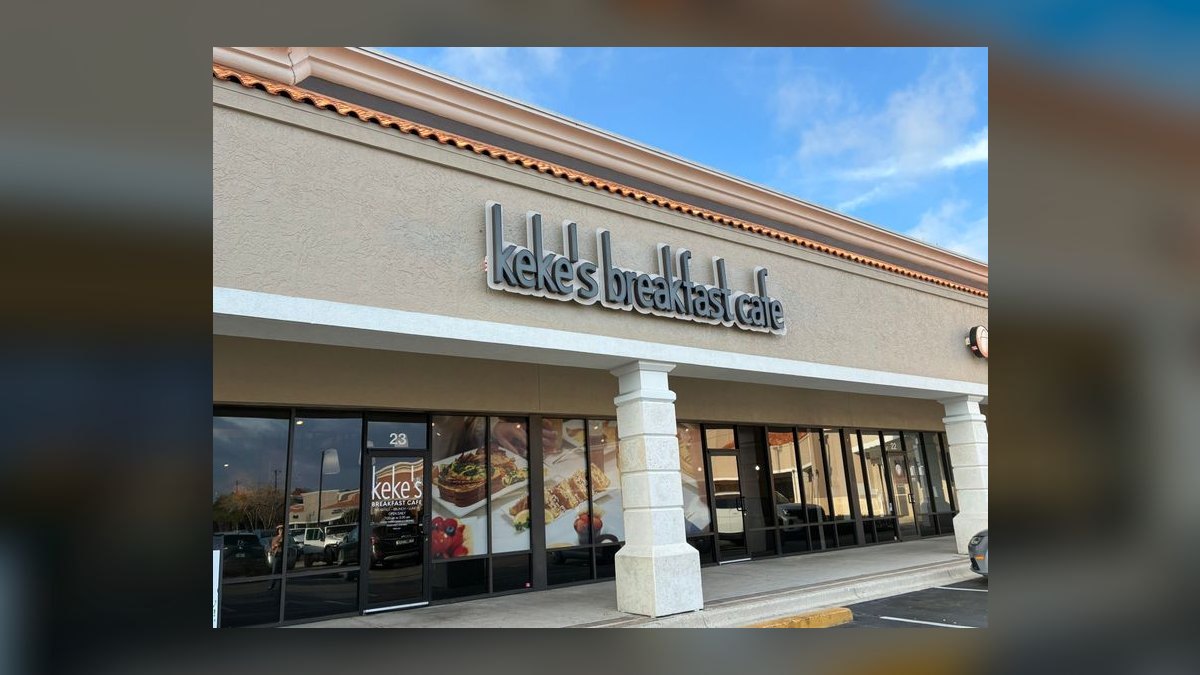
Per the 2026 Franchise Disclosure Document, total initial investment (Item 7) runs approximately $700,000 to $1.5 million. That range breaks down roughly as: a flat $40,000 franchise fee; $350,000 to $780,000 for buildout and leasehold improvements on a full-service cafe; $160,000 to $340,000 for kitchen equipment and POS systems; $30,000 to $90,000 for signage and interior branding; $12,000 to $32,000 in initial food inventory; $18,000 to $50,000 for grand-opening marketing; $15,000 to $45,000 for operator and staff training and travel; and $60,000 to $160,000 in working capital to cover roughly the first three months of operation. Ongoing royalties run approximately 4% to 5% of gross sales, with an advertising fund contribution of roughly 2% to 3% of gross sales — standard for the breakfast-casual segment.
On the revenue side, a representative $1.7 million-grossing unit breaks down like this: food cost around 30% ($510,000), labor around 30% ($510,000), occupancy around 9% ($153,000), and royalty plus advertising plus other operating expenses around 13% ($221,000) — leaving approximately $306,000 in owner earnings before debt service. That 30% labor figure is notably lean for full-service dining, and it's a direct product of the daytime-only model: a Keke's unit typically runs 8 to 12 front-of-house staff and 6 to 10 back-of-house during peak hours, versus 15 to 20 front-of-house and 10 to 15 back-of-house for a comparable dinner-serving concept generating similar revenue.
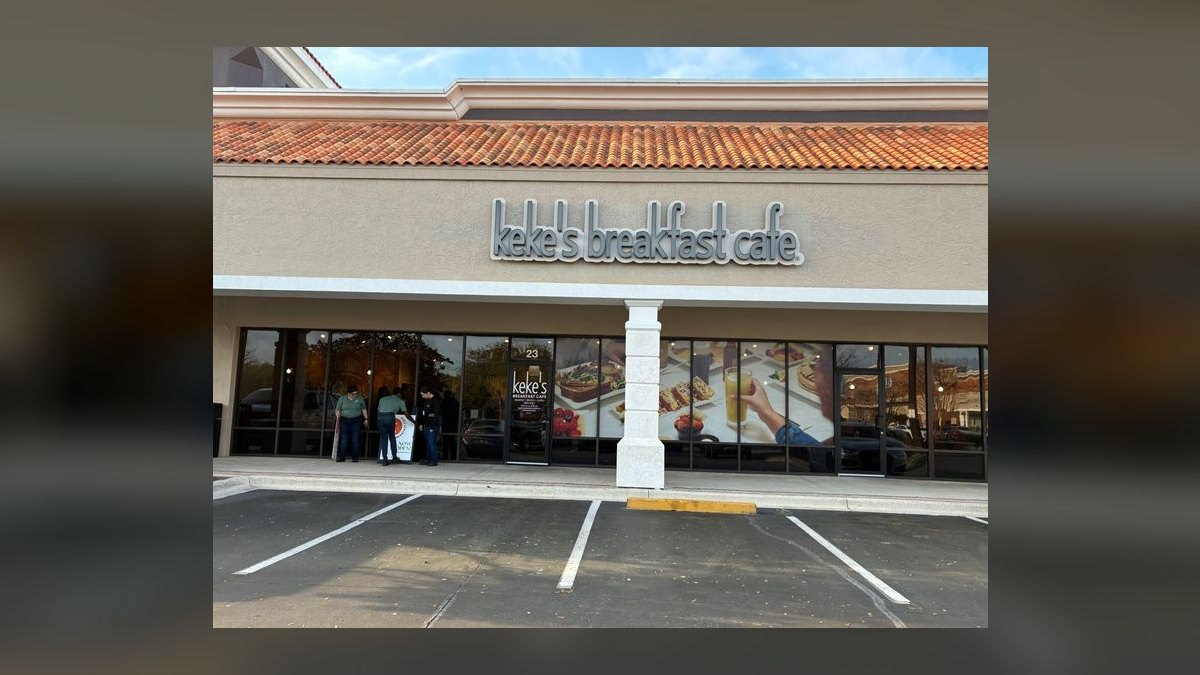
Site-selection benchmarks worth holding yourself to: target trade areas with 50,000 to 80,000 people within a 3-mile radius, household incomes in the $75,000 to $120,000 range, at least 40% of households earning above $80,000, and a meaningful population of families with kids under 12 or retirees who eat breakfast out multiple times a week. Suburban locations in Florida, Texas, Arizona, and the Carolinas — places where people eat breakfast out year-round — consistently outperform. Lease terms matter as much as the buildout number: push for a 5-year initial term with two 5-year options, cap rent escalators at 2% or CPI (whichever is lower) rather than accepting an uncapped 3% annual bump, and negotiate a percentage-rent clause of 6% to 7% of gross sales above a breakpoint so your landlord's incentives track yours.
Training runs 4 to 6 weeks initially, and most franchisees report a 6-to-12-month window from signing the franchise agreement to opening day, driven mostly by permitting, construction, and site buildout timelines rather than anything within your direct control.
Risks, edge cases, and failure modes
The largest failure mode is under-capitalization paired with a marginal site. A $700,000 minimum investment is real, and operators who stretch to the low end of that range with a thin working-capital cushion have almost no margin for a slow ramp. Combine that with a site lacking genuine brunch demand — low household income, weak family density, poor parking, or heavy overlap with an existing brunch competitor within a mile — and the math breaks quickly. Two established brunch concepts within a mile of each other are effectively splitting the same 200 to 300 daily breakfast customers; that's a losing setup before you've hired a single server.

Weekend-peak labor execution is the second major risk. Because 70 to 80% of revenue lands in a four-hour window, a service breakdown during Saturday brunch — slow turns, understaffing, kitchen bottlenecks — doesn't get made up later in the day the way it might at a full-day restaurant. Operators without 3-5 years of full-service restaurant management experience, particularly in breakfast or lunch service, consistently underestimate how brutal that rush is to run well.
Commodity volatility is a real and underweighted risk. Egg prices swung from roughly $3 to $5 per dozen in 2025-2026, and bacon prices have moved as much as 30% year-over-year. A 10% swing in food cost on $1.5 million in revenue is $150,000 — potentially your entire annual profit margin. Operators without a supplier relationship that locks pricing for at least six months are effectively gambling on commodity markets every quarter.
Seasonality is a geographic edge case worth naming explicitly: Keke's traffic drops 20% to 30% in January and February in northern climates, and remote-work patterns have left office-adjacent breakfast traffic 15% to 25% below 2019 levels in many markets. If you're evaluating a site near a corporate park, verify occupancy is above roughly 60% and that the average commute is under 30 minutes — workers with long commutes tend to grab coffee and skip the sit-down breakfast entirely.

Finally, semi-absentee ownership and premature multi-unit expansion are both common ways operators sabotage themselves. Keke's requires a full-time, on-site operator during operating hours; brand standards and morning-rush intensity don't tolerate a hired manager running the show unsupervised, especially in year one. Similarly, the corporate support infrastructure is still scaling, so single-unit performance in the first 3 to 5 years should come before signing a multi-unit development agreement — opening three units in 18 months before proving the model in one is a common route to burnout and inconsistent operations.
A practical rollout plan
Treat the path from signing to a stable, profitable unit as a roughly five-to-six-month buildout followed by a 12-to-18-month ramp to full profitability — don't compress your expectations into an artificially short window. Start by reading the current FDD closely, particularly Item 19 (financial performance representations), and use it to model daytime-only economics against your specific market before you sign anything. Interview at least eight existing franchisees and ask pointed questions about actual average unit volume, weekend labor management, the quality of franchisor support, and realistic net profit — not the numbers in the FDD, but what they personally experienced.

Once you're confident in the concept, validate your specific trade area against the demographic benchmarks above before signing a lease — this step gets skipped more than any other, and it's the single most common root cause of underperforming units. Negotiate lease terms deliberately rather than accepting the landlord's first draft, then move into buildout and staffing, which typically consumes two to four months depending on permitting timelines in your municipality. Use the 4-to-6-week training period to build your management bench, not just check the box — the people running your Saturday morning rush in month two need to already know the system cold by opening day.
After opening, the first 60 to 90 days should focus entirely on building weekend-brunch traffic and dialing in table-turn speed, since that's the highest-leverage lever available to you. Expect the unit to reach sustained positive cash flow somewhere between month 8 and month 18. Only after a full year of clean operating data — proven AUV, stable labor costs, a repeatable weekend-rush playbook — should you evaluate a multi-unit development agreement.
Related questions
How much does it cost to open a Keke's Breakfast Cafe?
Total initial investment, per the 2026 FDD, runs approximately $700,000 to $1.5 million, covering the franchise fee, buildout, equipment, signage, initial inventory, marketing, and working capital.
Who owns Keke's Breakfast Cafe?
Denny's acquired Keke's Breakfast Cafe in a deal completed in July 2021, bringing supply-chain, systems, and national-expansion resources to the brand.
Is Keke's a good franchise for a first-time restaurant owner?

It's better suited to operators with 3-5 years of full-service restaurant management experience, ideally in breakfast or lunch, given how demanding the concentrated weekend-brunch rush is to run.
Can I run a Keke's franchise semi-absentee?
No. The brand requires a full-time, on-site operator during all operating hours; the morning-rush intensity and brand standards don't support a hands-off ownership model.
How long until a Keke's franchise is profitable?
Most units reach sustained positive cash flow between month 8 and month 18 after opening, depending on site strength and execution during the buildout ramp.
FAQ
What is the total investment range to open a Keke's Breakfast Cafe franchise? Per the 2026 FDD, total initial investment (Item 7) runs approximately $700,000 to $1.5 million, including the franchise fee, buildout, equipment, signage, initial inventory, marketing, training, and working capital. Actual cost depends heavily on local construction rates and site size.
How much ongoing revenue can I expect from a Keke's franchise?

Mature units typically gross between $1.2 million and $2.2 million annually, with owner earnings generally landing between $150,000 and $340,000 once food cost, labor, occupancy, and franchise fees are accounted for. Performance depends heavily on site selection and weekend-brunch execution.
What are the ongoing royalty and marketing fees? Royalties run approximately 4% to 5% of gross sales, with an advertising fund contribution of roughly 2% to 3% of gross sales — standard for the breakfast-casual restaurant segment.
How long does it take to open a Keke's Breakfast Cafe from signing? Most franchisees report 6 to 12 months from signing the franchise agreement to opening day, driven primarily by site selection, permitting, and construction timelines rather than anything the franchisee controls directly.
What kind of training and support does Keke's offer? Initial training runs 4 to 6 weeks and covers operations, food preparation, and management. Ongoing support includes field visits, marketing assistance, and access to an operations manual, backed by Denny's broader franchise-systems infrastructure.
Who is the ideal candidate to open a Keke's Breakfast Cafe franchise? The best fit is a hands-on, full-time owner-operator with 3-5 years of full-service restaurant experience, $200,000 to $300,000 in liquid capital beyond the buildout, and a target market in a warm-weather suburb with strong brunch demand. It is not a fit for passive or semi-absentee investors.
Sources
- https://www.franchise.org
- https://www.sba.gov/business-guide/plan-your-business/franchises
- https://www.entrepreneur.com/franchises/franchise500
- https://www.franchisebusinessreview.com
- https://www.dennys.com
- https://www.reuters.com/business/retail-consumer/
- https://www.bloomberg.com/industries/restaurants
Related on PULSE
- Should I open or buy a Cafe Zupas franchise in 2027?
- Should I open or buy a Just Love Coffee Cafe franchise in 2027?
- Should I open or buy a Sunny Street Cafe franchise in 2027?
- Should I open or buy a Broken Yolk Cafe franchise in 2027?
- Should I open or buy a The Toasted Yolk Cafe franchise in 2027?
- Should I open or buy a 85C Bakery Cafe franchise in 2027?
This page will be disappearing soon. Save it to your device for $1 — or read it free while it is here.
@Kory-White- · if Venmo asks, the last 4 of my number are 2012
This page is gone.
This one is off the shelf now. $1 keeps it on your phone for good — the whole page, pictures and diagrams included.
 pulse-qShould I Hire a Fractional CRO If My Pipeline Coverage Is Below 2x in 2026?
 pulse-qShould I open or buy a Floor Coverings International franchise in 2027?
 pulse-qShould I open or buy a Kitchen Solvers franchise in 2027?
 pulse-qHow Many Employees Should I Schedule Each Day at My Wine Shop in 2027?
 pulse-qHow Many Sales Reps Do I Need to Hire for My Window Replacement Company in 2027?
 pulse-qHow Many Cashiers Should I Schedule Each Shift at My Convenience Store Chain in 2027?
 pulse-qShould I open or buy a Rhino Linings franchise in 2027?
 pulse-qShould I open or buy an N-Hance Wood Refinishing franchise in 2027?
 pulse-qHow Do I Build a Rep Performance Dashboard in 2026?
 pulse-qHow Do I Get My Freight Brokers to Grow Margin Per Load in 2026?