
Should I open or buy a The Lash Lounge franchise in 2027?
 Curated byKory White · Fractional CRO · Maryland
 PULSEKNOWLEDGE LIBRARY
Quality
Certified

Whether you should open or buy a The Lash Lounge franchise in 2027 depends on your capital, experience, and local market conditions. Opening a new location typically requires a total investment in the range of $200,000 to $400,000, while buying an existing franchise may cost more or less depending on its performance and location. Both options involve ongoing royalty and marketing fees, so you should carefully review the Franchise Disclosure Document and consult with current franchisees before deciding.
A Lash Lounge Franchise in 2027? Here’s What I’d Actually Do.
I’m Kory White. 25 years in revenue. If you’re asking whether to open a The Lash Lounge franchise in 2027, I’m not going to sugarcoat it. Let’s strip this down to the bone.
The short answer: Yes—if you’re an operator who wants a premium, membership-based eyelash-extension franchise. They position upscale with a salon-quality experience and recurring memberships. But only if you can handle the two things that kill lash franchises: recruiting skilled technicians and building a membership base.
The real numbers (from the 2026 FDD):
- Franchise fee: $50,000. Non-negotiable.
- Total Item 7 investment: $200,000 to $500,000.
- Royalty: 6% of gross.
- Marketing fee: ~2% of gross.
- Mature salon gross: $500,000 to $1,200,000.
- Owner take-home: $80,000 to $220,000.
That’s the range. The premium positioning supports strong pricing. The recurring membership model (regular fills plus lifts, tinting, brows) gives you predictable revenue. But the magic only works if you nail technician retention.
The breakdown:
- Lease: 1,200–2,000 sq ft for an upscale lash salon.
- Buildout: $120,000–$300,000.
- Equipment & fixtures: $30,000–$75,000.
- Signage & decor: $15,000–$45,000.
- Initial inventory: $8,000–$22,000.
- Initial marketing: $25,000–$60,000 (pre-sell memberships).
- Training & travel: $8,000–$22,000.
- Working capital: $40,000–$95,000 (first 3–6 months).
Revenue reality: $500K–$1.2M gross. Technician labor eats 35–45%. Rent and supplies another 18%. Royalty takes 6%. Marketing and admin chew up 16%. After that, you’re clearing $80K–$220K. The range depends entirely on your ability to recruit and retain skilled lash technicians.
Who wins:
- Capital: $200K–$500K, with $100K–$180K liquid.
- Time: Business hours. Semi-absentee possible with a strong manager.
- Skills: Membership sales, technician recruiting/management, marketing.
- Geography: Affluent, beauty-conscious, female-skewing markets. Premium positioning needs affluence.
- Lifestyle: Semi-absentee-friendly if you have a manager.
Who loses:
- Owners who can’t recruit/retain skilled lash technicians.
- Those who can’t build the membership base.
- Operators in non-affluent markets.
- Weak-location salons.
- Anyone expecting fully passive income.
2027 market conditions:
- Demand: Eyelash extensions and premium beauty self-care are growing. Durable, recurring spending.
- Premium positioning: Salon-quality experience supports strong pricing in affluent markets.
- Recurring revenue: Memberships (regular fills) build predictable income.
- Technician scarcity: Skilled lash technicians are the bottleneck. Recruiting and retention is everything.
- Competition: Amazing Lash, Deka Lash, independent studios, and salons.
The 90-day decision tree:
- Day 1–15: Read the 2026 FDD. Confirm the premium membership model.
- Day 16–30: Interview 8+ owners. Ask about technician recruiting, retention, membership, and take-home.
- Day 31–45: Validate an affluent, beauty-conscious market.
- Day 46–65: Build the salon and recruit lash technicians.
- Day 66–85: Pre-sell founding memberships.
- Day 86–90: Open with a premium experience and membership focus.
- Ongoing: Grow memberships and retain skilled technicians.
Alternative plays:
- Amazing Lash Studio / Deka Lash — lash-studio competitors.
- The Lash Lounge multi-unit — scale the premium model.
- European Wax Center / Waxing the City — waxing-membership beauty.
- Other beauty-membership franchises — adjacent recurring-beauty models.
- Independent premium lash salon — full control, no brand.
- Other beauty/self-care franchises — adjacent models.
FAQ (because you’ll ask):
- How is The Lash Lounge positioned versus Amazing Lash? Both are membership-based. The Lash Lounge is premium/upscale with broader services (lifts, tinting, brows). Amazing Lash is larger-scale. Compare FDDs. The Lash Lounge’s premium angle suits affluent markets.
- How much does an owner make? $80K–$220K on $500K–$1.2M gross. Driven by premium pricing and recurring membership. Many operate semi-absentee.
- Biggest challenge? Recruiting and retaining skilled lash technicians. It’s a scarce specialty. Capacity depends on finding and keeping good techs. Membership acquisition is the other key factor.
- Why does the premium positioning matter? It supports strong pricing and loyalty in affluent markets. Customers pay premium for quality. But it requires affluent markets; in non-affluent areas, premium pricing is a weak fit.
- Is the lash/beauty category durable? Yes. Eyelash extensions and premium beauty self-care are growing, durable categories with recurring spending. Beauty spending is resilient. The membership model adds stability. Competition exists, so technician quality, premium experience, and affluent market fit matter.
Bottom line: Open a The Lash Lounge if you want a premium, membership-based eyelash franchise with strong pricing, recurring revenue, a salon-quality experience, and semi-absentee potential—in an affluent beauty market—and you can recruit/retain skilled lash technicians. Its premium positioning and recurring model are genuine strengths. Skip it if you can’t recruit/retain technicians, can’t build memberships, or are in a non-affluent market.
My closing line: The lash business is a people business. If you can manage techs, you win. If you can’t, you’re just burning cash.
*For deeper dives on franchise revenue models and validation, check out PULSE and the CRO Syndicate.*
---
The Technician Bottleneck: Why Staffing Makes or Breaks a Lash Lounge Franchise
Let me tell you the single biggest risk in a The Lash Lounge franchise that no glossy brochure will explain: finding and keeping licensed lash artists is brutally hard. In 2027, this challenge will be even worse. The beauty industry is facing a massive labor shortage, and lash extensions are a specialized skill that takes 6–12 months to master. Here's what you're up against.
The technician math: A single full-time lash artist can handle about 6–8 clients per day (assuming 45–60 minute full sets and 30–45 minute fills). At average service prices ($150–$250 for full sets, $60–$120 for fills) and a 50% commission structure, each technician generates roughly $80,000–$150,000 in annual revenue. You need at least 3–5 full-time technicians to hit that $500K+ gross revenue mark. But here's the rub: most markets have maybe 10–20 qualified lash artists total, and every other salon in town is competing for them.
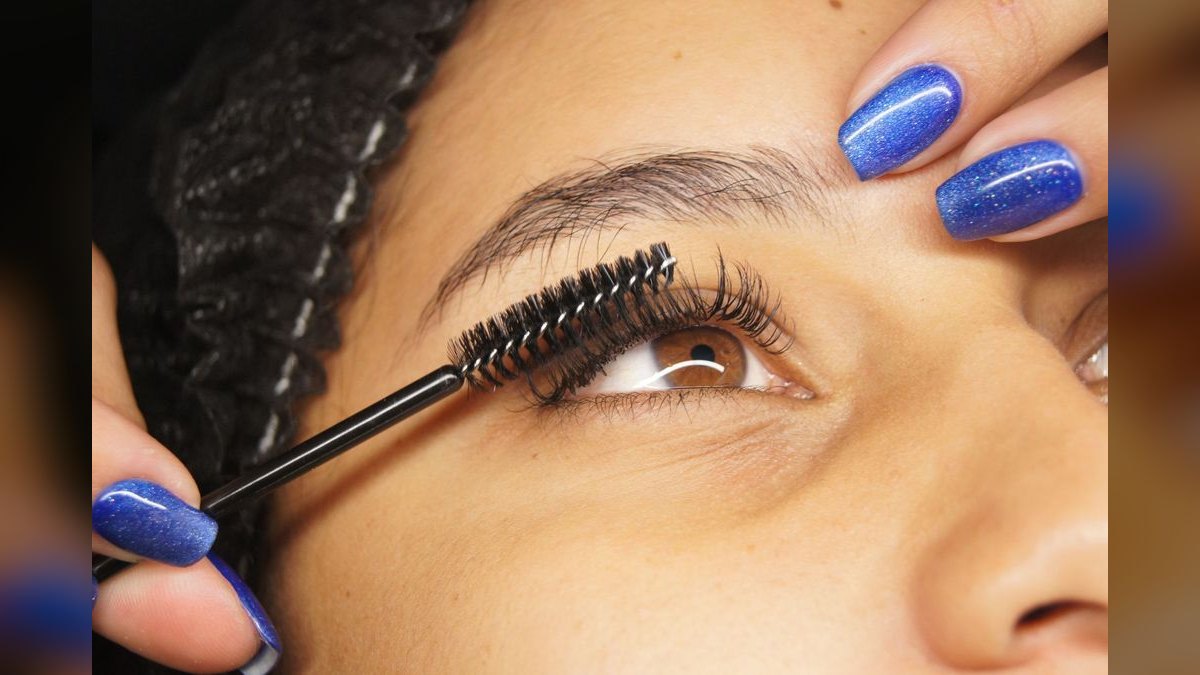
The retention crisis: Industry data from 2024–2026 shows lash technician turnover at 30–50% annually across franchise systems. The reasons are predictable: low pay relative to skill (many make $25–$40/hour after commission), physical strain (neck, back, and eye issues from hunching over clients), and burnout from repetitive work. The Lash Lounge's premium positioning helps—you can pay above-market rates—but you're still fighting a systemic problem.
What you must do to survive: First, budget for a full-time recruiter or staffing agency fee ($5,000–$15,000 per hire). Second, create a tiered commission structure that rewards tenure (50% for new hires, 55% after 6 months, 60% after 1 year). Third, invest heavily in training—The Lash Lounge provides initial training, but you'll need ongoing education to keep technicians sharp. Fourth, consider offering benefits (health insurance, paid time off) which most independent salons don't. This adds 8–12% to your labor costs but cuts turnover in half.
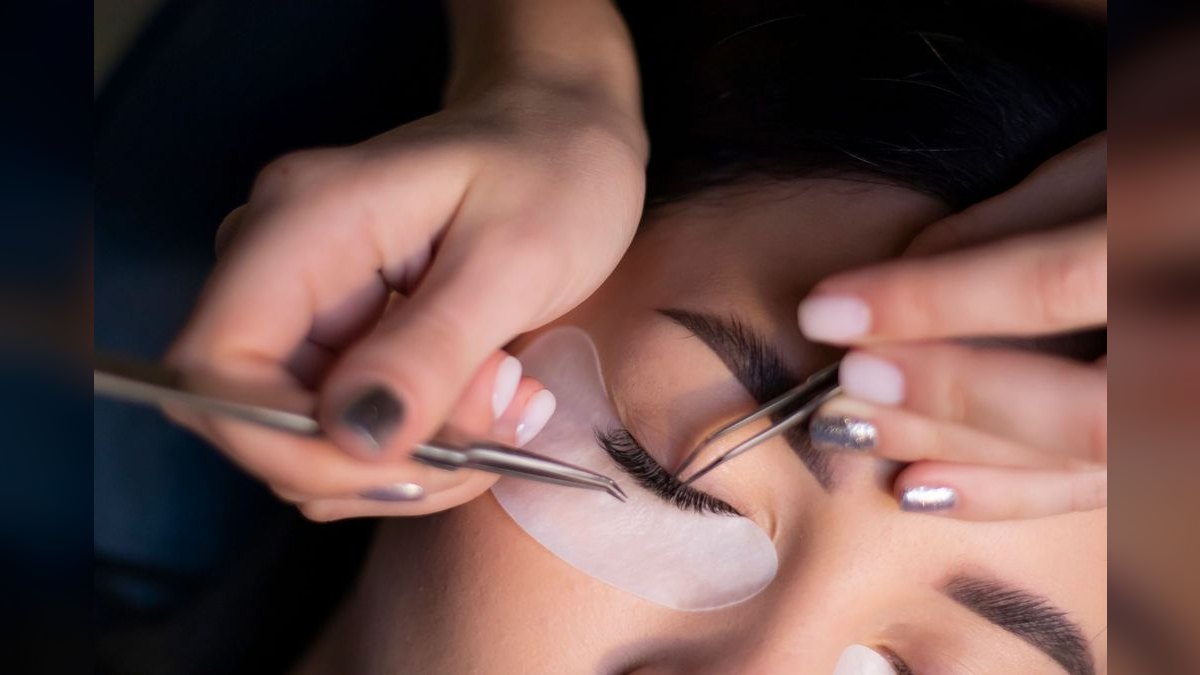
The 2027 twist: By 2027, many lash artists will have abandoned traditional salons for mobile services or their own studios (where they keep 100% of revenue). You're competing with that freedom. Your only edge: a steady flow of clients, a professional environment, and the brand's marketing machine. If you can't deliver those, your technicians walk.
Realistic technician cost projection: For a salon doing $800K gross, expect to pay $280K–$360K in technician commissions and benefits. That's 35–45% of revenue. Add $20K–$40K for a salon manager (who handles scheduling, inventory, and client issues). Your total labor burden: 40–50% of gross. This is non-negotiable. If you try to cut corners here, you'll have empty chairs and angry clients.
The Membership Model: Your Cash Flow Engine (and Its Hidden Risks)
The Lash Lounge's membership model is its secret weapon—and its Achilles' heel. Here's how it works and what you need to know before signing.
The mechanics: Clients pay a monthly fee ($99–$199 depending on location and package) that includes one fill session per month. Additional fills, full sets, and add-ons (lash lifts, tints, brow services) are discounted. The average member spends $150–$250 per month total. The beauty: recurring revenue. A salon with 200 members generates $20,000–$40,000 in predictable monthly income before any walk-ins. This covers rent, royalties, and payroll before you sell a single extra service.
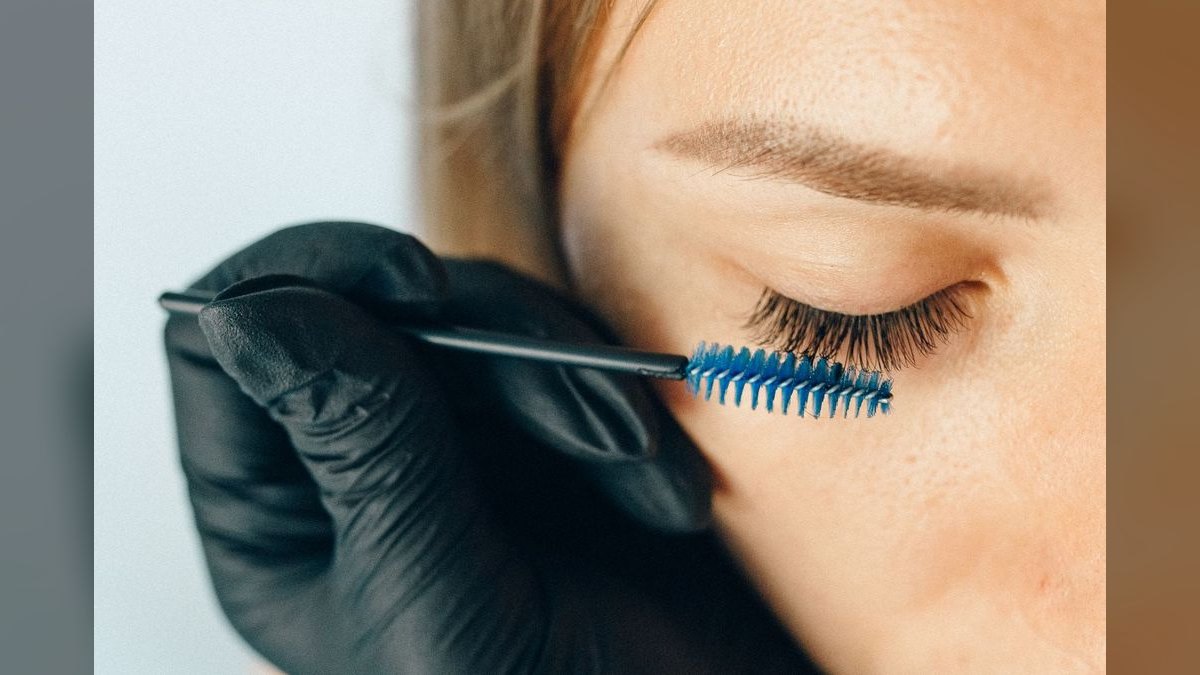
The ugly math: Memberships are sticky, but they're not guaranteed. Industry benchmarks show 15–25% monthly churn for lash memberships. That means you need to replace 30–50 members every month just to stay flat. In 2027, with inflation still pinching discretionary spending, churn could hit 30%+. Your marketing budget needs to be aggressive—$25,000–$60,000 in initial spend plus $3,000–$8,000 monthly to keep the funnel full.
The retention playbook: To keep churn below 20%, you need three things: (1) flawless service consistency (same technician, same quality, every visit), (2) a loyalty program that rewards long-term members (free add-on after 6 months, discount on retail products), and (3) a reactivation campaign for lapsed members (email sequence with a "come back" offer at 30, 60, and 90 days). The Lash Lounge corporate provides some marketing support, but the execution is on you.

The membership math at scale: Let's say you hit 250 members by month 12 (ambitious but possible with good marketing). At $150 average monthly spend, that's $37,500/month in recurring revenue. Add 50–100 non-members (paying per visit at $100–$200 average ticket), and you're at $45,000–$55,000/month. Annualize that: $540K–$660K. Add retail product sales (lash serums, cleansers, makeup—typically 5–10% of revenue), and you're pushing $600K–$750K. That's before you optimize pricing or add services.
The 2027 risk: Membership models work best when the economy is stable. In a recession, clients cancel first. Your fixed costs (rent, royalties, payroll) don't shrink. You need a cash reserve of at least 3–6 months of operating expenses ($60,000–$150,000) to weather a membership dip. If you're undercapitalized, one bad quarter wipes you out.

The Location Trap: Why Site Selection Is Your Make-or-Break Decision
You can have the best technicians and the slickest membership model, but if your location is wrong, you'll bleed money. Here's what The Lash Lounge franchisees don't tell you about real estate.
The demographic sweet spot: The Lash Lounge targets women aged 25–55 with household incomes of $75,000+. They want convenience (near work or home) and a premium experience. Ideal locations: upscale strip centers near Whole Foods, Trader Joe's, or high-end gyms (Equinox, SoulCycle). Avoid: standalone buildings (too expensive to build out), low-traffic plazas, or areas with average household income below $60,000. The rent should be $25–$45 per square foot annually—anything above $50 kills your margin.
The buildout nightmare: A 1,500-square-foot space with a premium look (marble counters, custom lighting, sound system, lash beds with massage features) costs $180,000–$300,000. Permits, zoning, and health department approvals add 2–4 months to your timeline. If you pick a space that needs HVAC upgrades, plumbing rework, or ADA compliance fixes, add $20,000–$50,000. The Lash Lounge's design team will guide you, but you're paying for it.
The traffic fallacy: Many franchisees assume high foot traffic equals success. For lash salons, that's wrong. Your clients book appointments—they don't walk in. What matters is visibility (a sign on a main road) and parking (easy, free, well-lit). A hidden gem in a quiet plaza with great parking can outperform a corner unit on a busy street with no parking. Do a drive-by audit at 10am, 2pm, and 6pm. Count cars. Look for competitors. If there's another lash studio within 2 miles, your membership churn will be higher.
The lease trap: Landlords love beauty franchises because they're sticky. But they'll push for 7–10 year leases with 3% annual rent escalations. Negotiate for a 5-year term with two 3-year options. Get a co-tenancy clause (if anchor tenant leaves, you can break lease). And never sign without a personal guarantee waiver—you don't want your personal assets on the line if the location fails. In 2027, with commercial real estate softening in many markets, you have leverage. Use it.
The 2027 location strategy: Target secondary markets (suburbs of major metros) where rent is $20–$30/sq ft and competition is thin. Think: Alpharetta, GA instead of Atlanta; Naperville, IL instead of Chicago; Plano, TX instead of Dallas. These areas have the income but less saturation. Your buildout costs are lower, your rent is lower, and your membership churn is lower because clients have fewer alternatives. The trade-off: slower initial growth (6–12 months to build awareness) but higher long-term margins. If you're patient, this is the smarter play.
Related on PULSE
- Should I open or buy a Deka Lash franchise in 2027?
- Should I open or buy an Amazing Lash Studio franchise in 2027?
- Should I open or buy a Hounds Lounge franchise in 2027?
- How Many Employees Should I Schedule Each Shift at My Cocktail Lounge?
- How Many Employees Should I Schedule Each Shift at My Cigar Lounge?
- Should I open or buy a The Junkluggers franchise in 2027?
Sources
- The Lash Lounge official franchise website — franchise investment details, costs, and requirements
- International Franchise Association (IFA) — franchise industry trends, legal considerations, and best practices
- Entrepreneur magazine — franchise rankings, reviews, and startup guidance
- U.S. Small Business Administration (SBA) — small business financing, franchise loans, and regulatory resources
- Franchise Business Review — independent franchisee satisfaction surveys and performance data
- Beauty industry trade publications (e.g., American Salon or Modern Salon) — market trends, consumer demand, and salon franchise insights
FAQ
What is the total investment range for a The Lash Lounge franchise in 2027? The total initial investment typically falls between $200,000 and $500,000. This includes the franchise fee, buildout, equipment, initial inventory, marketing, and working capital. Exact costs depend on location size and lease terms.
How much can an owner expect to earn from a mature salon? Owner take-home pay from a mature location generally ranges from $80,000 to $220,000 per year. This varies based on salon gross revenue, which typically falls between $500,000 and $1.2 million, and how well you control labor and other operating costs.
What are the ongoing fees I need to budget for? You’ll pay a 6% royalty on gross sales and a marketing fee of about 2% of gross sales. These are standard for premium service franchises and support brand marketing and operational support.
How long does it take to break even and start seeing profit? Most franchisees reach break-even within 12 to 24 months, depending on how quickly you build a membership base and retain skilled technicians. Pre-selling memberships before opening can shorten this timeline.
What is the biggest challenge in running a The Lash Lounge franchise? Recruiting and retaining skilled lash technicians is the most common hurdle. The business model relies on consistent, high-quality service, so technician turnover can directly impact membership retention and revenue.
Can I operate this franchise semi-absentee, or do I need to be hands-on? This franchise works best for hands-on owners who actively manage staff and customer experience. Semi-absentee ownership is risky because technician training, membership sales, and quality control require daily attention.
This page will be disappearing soon. Save it to your device for $1 — or read it free while it is here.
@Kory-White- · if Venmo asks, the last 4 of my number are 2012
This page is gone.
This one is off the shelf now. $1 keeps it on your phone for good — the whole page, pictures and diagrams included.
 pulse-qShould I open or buy a Honor Yoga franchise in 2027?
 pulse-qShould I Hire a Fractional CRO If My Forecast Accuracy Is Below 50 Percent in 2026?
 pulse-qShould I open or buy a Champs Chicken franchise in 2027?
 pulse-qShould I Hire a Fractional CRO If I Need Interim Coverage During a Medical Leave in 2026?
 pulse-qHow Many Baristas Should I Schedule Each Shift at My Coffee Drive-Thru in 2026?
 pulse-qWhat Service Fees Should a Mobile Mechanic Charge in 2026?
 pulse-qHow Many Sales Reps Do I Need to Hire for My Home Security and Alarm Company in 2026?
 pulse-qHow Many Employees Should I Schedule Each Shift at My Cigar Lounge in 2026?
 pulse-qWhat Service Fees Should a Pool Service Company Charge in 2026?
 pulse-qHow Many Sales Reps Do I Need to Hire for My Home Remodeling Company in 2027?