
Should I open or buy a Jacuzzi Bath Remodel franchise in 2027?
 Curated byKory White · Fractional CRO · Maryland
 PULSEKNOWLEDGE LIBRARY
Quality
Certified

Opening or buying a Jacuzzi Bath Remodel franchise in 2027 is viable only if you can fund the roughly $200,000–$500,000 total investment, work full-time on sales and crew management, and sustain $30,000–$80,000 in monthly marketing spend once scaled. The Jacuzzi name delivers pricing power, not passivity. Verify current Item 19 earnings claims and local competitive density with the franchisor before signing anything.
What it is and why it matters
Jacuzzi Bath Remodel sells a straightforward proposition to homeowners: replace a dated tub or shower in about a day using proprietary acrylic bath products manufactured under the Jacuzzi name. Operationally, a franchisee runs a showroom-and-warehouse hybrid paired with a fleet of installation crews, and the entire revenue engine depends on in-home sales consultations that close five-figure remodeling contracts. That combination — brand recognition, fast turnaround, and materials nobody else can legally sell — is what separates this from a generic remodeling contractor down the street, and it’s what lets a franchisee charge a premium that an independent operator usually cannot.
The case for opening in 2027 rests on two demand trends that show no sign of reversing. First, homeowners who locked in mortgage rates during 2021–2023 are financially discouraged from selling, so a larger share of them are renovating in place instead of moving — a bath remodel is one of the highest-ROI ways to do that. Second, an aging U.S. population is driving steady demand for walk-in tubs, grab bars, and accessible showers, categories where Jacuzzi Bath Remodel competes directly. Neither trend guarantees your success individually, though — the operating model matters more than the macro tailwind. You are buying a system for generating leads, closing them face-to-face in someone’s living room, and then executing physical construction work without wrecking your local reputation. If that mix of selling and operating appeals to you, the brand name gives you a real head start over an unbranded competitor. If it doesn’t, no amount of brand equity offsets a bad fit.
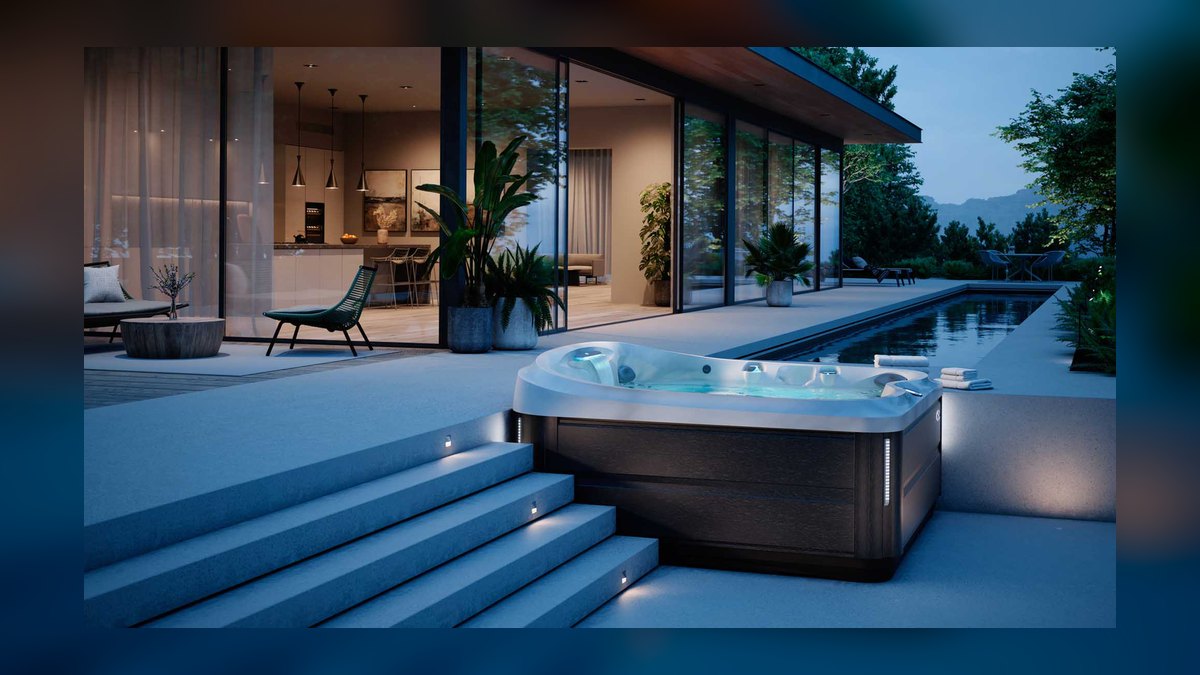
The franchisor’s job is narrow: supply the proprietary product line, marketing playbooks, installation training, and use of the Jacuzzi name. Everything else — leasing a showroom, hiring and retaining crews, funding local ads on top of the corporate marketing fee, and either selling personally or building a sales team — is yours. Franchisees who expect to “buy a trusted brand and wait for customers” consistently land at the bottom of the earnings range. Franchisees who treat the purchase as “buy a sales-and-operations machine that happens to carry a trusted name” land at the top. That mindset gap is the best single predictor of who thrives after they open.
Why this matters more in 2027 than it did five years ago is competitive density. The bath-remodel franchise category has attracted steady interest from investors, and in many mid-sized metros there are already two or three branded players running identical lead-generation playbooks. The Jacuzzi name differentiates you at the point of sale, but it does not differentiate you at the point of lead acquisition — you are still bidding against Re-Bath, Bath Fitter, and local independents for the same Google search terms and the same direct-mail response rates. That reality shapes every financial projection in this guide, and it is the reason under-funded marketing is the most common cause of failure in the system.
The step-by-step process to open
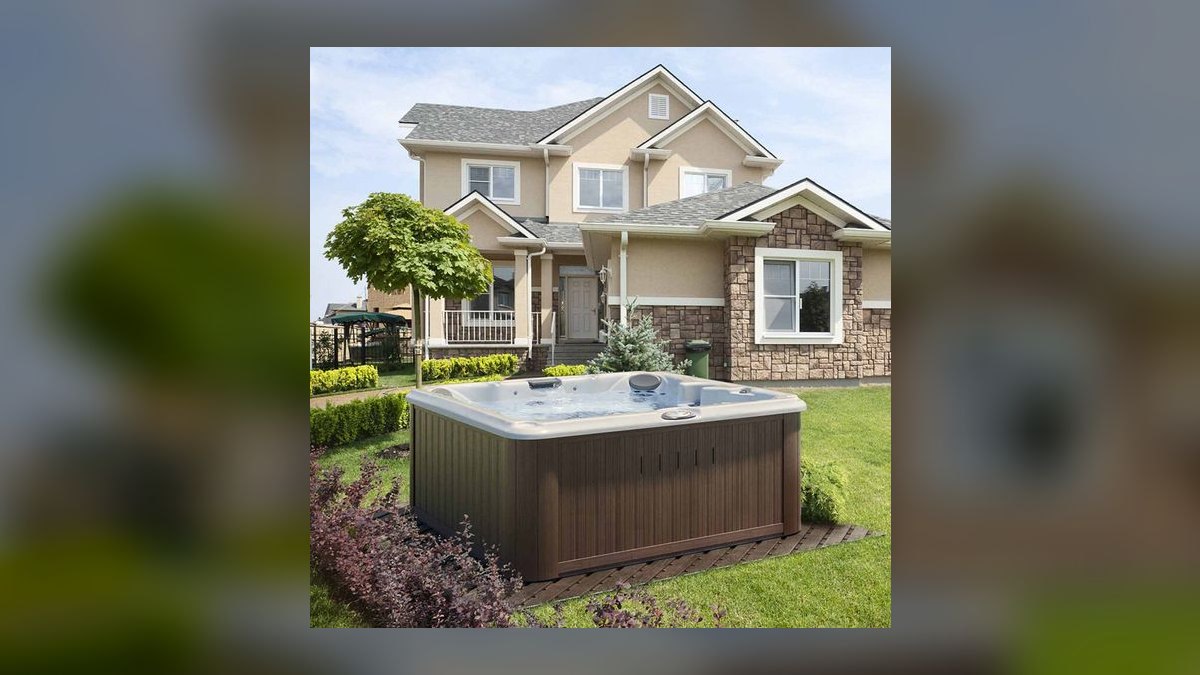
Getting from “interested” to “grand opening” follows a fairly predictable sequence across bath-remodel franchise systems, and Jacuzzi Bath Remodel is no exception. Expect four to six months from your first serious Franchise Disclosure Document (FDD) review to your opening day, assuming no major delays in real estate or financing. The process starts with a close read of the FDD — particularly Item 19 (financial performance representations) and Item 7 (estimated initial investment) — followed by a round of franchisee validation calls where you talk directly to current owners, not just the ones the franchisor hand-picks for you.
Two steps in this sequence get rushed constantly, and both are expensive to rush. The franchisee interview phase is where you learn what the FDD’s earnings claims actually mean in practice — ask specifically about lead cost, close rate, and how long it took to reach breakeven, not just current-year revenue. An owner three years in who’s profitable today can describe what month four actually felt like in a way no disclosure document will. The second is the soft-launch window right after opening, where your reputation gets built or destroyed. A leaking tub or a visibly unfinished panel generates one-star reviews that follow a local business for years, so personally inspecting your first ten to fifteen jobs before ramping marketing spend is cheap insurance against a bad start you can’t easily undo six months later.
Financing is its own decision point. Most buyers combine an SBA 7(a) loan — which can cover a meaningful share of the Item 7 investment for a qualified borrower — with $100,000–$200,000 of personal liquid capital. Franchisors in this category typically maintain relationships with SBA-preferred lenders who already understand the home-services model, which shortens underwriting time considerably compared to walking into a bank that has never financed this kind of business. Expect the lender to scrutinize your liquidity, credit history, and any prior sales, construction, or crew-management experience, because in a business this dependent on operator competence, that experience is a proxy for repayment ability.
Between signing and opening, you’re securing a lease, hiring crews, and completing franchisor training simultaneously, not sequentially — that overlap is exactly why the four-to-six-month window compresses so much activity into so little time. Franchisees who insist on doing these steps one at a time routinely blow past six months and pay extra rent and holding costs for the privilege. A practical calendar looks like this: month one for FDD review and validation calls, month two for discovery day and signing, months three and four for lease negotiation and buildout while you run parallel hiring, month five for training and inventory, and month six for a soft launch with limited marketing before you push the lead-generation pedal down.

One additional step that deserves emphasis is territory diligence. Before you sign, map the exact boundaries the franchisor assigns you and compare them against population density, median home value, and the number of homes over 25 years old with original bathrooms — that last metric is your true addressable market. A territory with 100,000 homes but only 20,000 in the right age-and-value band is far less attractive than a smaller territory where 40% of homes match your target profile. Franchisees who skip this analysis discover after opening that their territory looks better on a map than it does in lead volume.
Costs, timelines, and typical ranges
Total investment to open a Jacuzzi Bath Remodel franchise runs roughly $200,000 to $500,000, and it’s worth breaking that into its component buckets rather than treating it as one lump sum. The franchise fee itself is typically around $50,000, paid upfront and non-refundable. Beyond that: $40,000–$160,000 for showroom and warehouse buildout, $40,000–$150,000 for installation vehicles, tools, and equipment, and $25,000–$90,000 for initial product inventory. The line franchisees most often underfund is initial marketing, budgeted at $50,000–$180,000 to generate the first wave of leads before word-of-mouth and organic reviews start carrying any weight. Add $10,000–$30,000 for technology and CRM setup, another $10,000–$30,000 for training and travel, and $50,000–$150,000 in working capital to cover payroll and project float before cash flow stabilizes.

Ongoing costs include a royalty of roughly 6% of gross revenue plus a separate marketing fee, commonly in the 2–3% range, that funds national brand campaigns. These fee levels are standard for home-services franchises and shouldn’t be a dealbreaker by themselves, but they mean your break-even revenue has to clear materials, labor, local marketing, corporate fees, and overhead before a single dollar reaches your pocket. Build a monthly P&L that stacks these costs in the order they actually hit your bank account, because underestimating any one line — marketing especially — cascades into every line beneath it.
On timelines: plan on four to six months from signing to opening, then another three to six months of ramp-up before crews and sales run smoothly without your daily involvement. Mature operations — generally year three and beyond — gross $1.5 million to $5 million or more annually, with owner earnings landing in the $180,000–$500,000 range after materials (roughly 30% of revenue), installation labor (roughly 20%), marketing (18% or more), royalty (6%), and overhead (15–20%). Average project tickets run $15,000–$30,000, unusually high for the remodeling category and a direct product of the brand’s pricing power — but that also raises the stakes of your sales-and-acquisition math, since one lost lead represents real money rather than a rounding error.
Stress-test these national figures against your specific territory rather than accepting them at face value. A showroom in a dense, high-home-value metro will likely support higher average tickets but also faces steeper ad costs and more brand-adjacent competitors running similar campaigns. A smaller or more rural territory may see lower customer acquisition costs but a thinner pool of qualified leads overall, which slows how fast you can justify adding a second or third crew. Run a sensitivity analysis on your monthly lead volume: if you need 25 in-home consultations to close 8 jobs at a $20,000 average ticket to hit $160,000 in monthly revenue, what happens when lead volume drops 30% in a slow season? That answer determines how much working capital you truly need.

The cost of installation labor deserves special attention because it is the line most likely to drift from your pro forma. Skilled installers who can handle plumbing, tile, and acrylic work are scarce in most U.S. metros, and franchisees who low-ball wages lose their best people to general contractors offering steadier pay. Budget for $60,000–$100,000 per crew member annually including burden, and plan for the reality that your best installer will eventually want to run his own crew or leave for a competitor — so training redundancy into your team from day one is not optional overhead, it is insurance against your highest operational risk.
Where teams get it wrong
The single most common failure is under-funding marketing. New owners see the “$50,000–$180,000 initial marketing” figure in the FDD, treat it as a ceiling instead of a floor, and then wonder why the phone isn’t ringing by month four. Lead generation for a $20,000 average-ticket remodel is genuinely expensive — expect to spend $30,000–$80,000 a month once you’re operating at scale, with a healthy customer acquisition cost sitting around 10–15% of project value. Franchisees who run lean on advertising end up with idle installation crews, one of the fastest ways to burn working capital, since a crew costs $60,000–$100,000 a year in labor whether or not it’s on a job that week.

The second recurring mistake is underestimating installation reality. The “one-day” promise is a sales hook; real jobs often stretch to one-to-three days once plumbing modifications, wall repairs, or hidden structural issues behind an old tub surface. Franchisees who skip the time investment to vet and train crews in the first several months ship inconsistent quality — and a leak or a sloppy caulk seam doesn’t just cost a callback, it costs the organic reviews that would otherwise drive future leads for free. Labor availability makes this worse: skilled installers who can handle plumbing, tile, and acrylic work are scarce in most U.S. metros, and franchisees who low-ball wages lose their best people to general contractors offering steadier pay.
A third, quieter mistake is ignoring the exit before you’ve even opened. Established Jacuzzi Bath Remodel operations with three-plus years and $2 million-plus in revenue have reportedly changed hands at 2.5 to 4 times net profit in recent resale activity — often in the $400,000–$1.2 million range — but the franchisor’s transfer fee (commonly 10–15% of sale price) and how much of your revenue depends on paid ads versus organic reputation both shape what a buyer will actually offer. Franchisees who build a strong local review base and referral pipeline from day one create a more sellable asset than those leaning entirely on rented ad traffic that vanishes the moment spend stops.

A fourth mistake worth naming explicitly: underestimating how firm territory protections really are. Read the exact boundaries and any adjacent-territory carve-outs before signing, and understand how the franchisor handles a neighboring franchisee’s marketing bleeding into your area — this is a common source of disputes across home-services franchise systems generally, and it’s far cheaper to clarify in the FDD review than to litigate after you’ve already opened.
A fifth failure mode shows up in year two rather than year one: hiring a sales team too early or too late. Franchisees who try to sell everything personally in year one cap their revenue at their own capacity — typically eight to twelve in-home consultations per week — while franchisees who hire commissioned sales reps before they have a documented, repeatable sales process simply export their inconsistency to someone else. The sweet spot is to sell personally for the first six to nine months, codify the pitch that works, and only then hire your first sales rep to multiply a proven system rather than an experiment.

Decision framework: when to choose what
Not every buyer profile fits this franchise, and the decision comes down to three real gates, not soft preferences: do you have the capital, do you have the sales-and-operations temperament, and does your target market have sufficient demand? Answering “yes” to two out of three still leaves meaningful risk on the table — this isn’t a checklist where a partial score is good enough.
If you land on “no” at any node, that isn’t necessarily a reason to abandon bath remodeling as a category — it may just point you to a different entry point. Buying an existing, already-profitable unit instead of opening new can skip the marketing cold-start and ramp-up period, though it typically costs more upfront and demands careful diligence into why the current owner is selling. Lower-capital alternatives like surface refinishing (around $100,000 to start) exist if the full remodel investment is out of reach. And if the gap is temperament rather than capital — you have the money but don’t want to manage crews and salespeople day to day — a semi-absentee structure with a strong general manager is theoretically possible, but it’s genuinely hard to pull off in a franchise this dependent on hands-on quality control, and most franchisors will say so directly during the interview phase.

This framework exists to force an honest capital-and-temperament check before the brand’s recognition and pricing power sway the decision emotionally. A Jacuzzi Bath Remodel franchise rewards owners who show up, sell, and personally inspect the work in year one. It does not reward someone looking for a passive royalty check while a stranger runs the day-to-day.
When comparing open versus buy specifically, run the numbers on both paths before defaulting to one. Opening new gives you a cleaner balance sheet and full control over territory and systems, but it means funding 12–18 months of ramp-up where your crews are learning, your reviews are thin, and your lead costs are highest. Buying existing means paying a premium — typically 2.5 to 4 times net profit — but you acquire an operating machine with trained crews, established reviews, and a referral pipeline that keeps running even if you pause paid ads for a month. The buy path only makes sense if the seller’s financials verify and the reason for sale is personal (retirement, health, family) rather than structural (territory exhaustion, rising competition, reputation damage). If the seller can’t articulate why they’re leaving in a way that passes your smell test, walk away regardless of how attractive the multiple looks.
Related questions
How does Jacuzzi Bath Remodel compare to Re-Bath or Bath Fitter?
All three compete on tub-to-shower conversions with proprietary products, but Jacuzzi leans harder on consumer brand recognition for premium pricing. Re-Bath and Bath Fitter have longer franchise track records; compare Item 19 earnings claims and franchisee satisfaction directly instead of trusting brand recognition alone.
Can I finance this franchise with an SBA loan?
Yes — SBA 7(a) loans are commonly used for home-services franchises in this investment range, and many franchisors maintain relationships with lenders familiar with the model, which can speed approval versus an unfamiliar bank.
What’s a realistic break-even timeline after I open?
Most franchisees reach operational break-even within 12–18 months, assuming adequate initial marketing funding and a disciplined soft-launch period focused on installation quality before scaling lead volume aggressively.
Is this a good franchise for a first-time business owner?
It’s workable for a motivated first-timer, but prior experience in sales, construction management, or running a crew meaningfully shortens the learning curve. Franchisor training provides process, not a substitute for operating judgment.
What territory size should I expect to control?
Territory definitions vary by franchise agreement and local population density. Confirm the exact boundaries and any protections against a neighboring franchisee’s marketing bleeding into your territory before you sign.
FAQ
What is the total investment range for a Jacuzzi Bath Remodel franchise in 2027? Based on typical FDD disclosures for this category, expect a franchise fee around $50,000 and total Item 7 investment between roughly $200,000 and $500,000, covering showroom buildout, equipment, inventory, and initial marketing. Actual costs vary by market and location size, so confirm current figures directly with the franchisor before committing capital.
How much can a mature franchise owner expect to earn? Mature operations typically gross $1.5 million to $5 million or more annually, with owner earnings in the $180,000–$500,000 range after materials, labor, marketing, royalty, and overhead. These are industry-benchmark estimates, not guarantees — your actual results depend heavily on execution and local demand.
What are the ongoing franchise fees? Franchisees typically pay a royalty of about 6% of gross sales plus a separate marketing fee in the 2–3% range. Always confirm current figures in the most recent FDD before signing, since fee structures can shift between disclosure years.
Is buying an existing unit better than opening a new one? Buying an established, profitable unit skips the marketing cold-start and ramp-up period but usually costs more upfront and requires thorough diligence into why the current owner is exiting. Opening new gives you more control over territory and systems but means building demand from zero.
How much should I budget monthly for lead generation? Once at scale, expect $30,000–$80,000 per month on lead generation across paid search, retargeting, direct mail, and home shows. A healthy customer acquisition cost targets 10–15% of average project value.
What’s the biggest operational risk in the first year? Installation quality control. A bad install — a leak, a misaligned panel, poor caulking — can generate negative reviews that suppress organic lead flow for years, so most successful franchisees personally oversee their first 10–15 jobs before scaling marketing spend.
Sources
- https://www.franchise.org
- https://www.sba.gov/business-guide/plan-your-business/franchise
- https://www.entrepreneur.com/franchises
- https://www.franchisebusinessreview.com
- https://www.bbb.org
- https://www.ftc.gov/business-guidance/industry/franchises-business-opportunities
- https://www.nahb.org
Related on PULSE
This page will be disappearing soon. Save it to your device for $1 — or read it free while it is here.
@Kory-White- · if Venmo asks, the last 4 of my number are 2012
This page is gone.
This one is off the shelf now. $1 keeps it on your phone for good — the whole page, pictures and diagrams included.
 pulse-qShould I open or buy a Celebree School franchise in 2027?
 pulse-qShould I open or buy Domino's franchise or open an independent sandwich shop in 2027?
 pulse-qHow Many Crew Members Should I Schedule Each Shift at My Hamburger Franchise in 2026?
 pulse-qShould I open or buy a Pinch A Penny franchise in 2027?
 pulse-qShould I open or buy a CPR Cell Phone Repair franchise in 2027?
 pulse-qShould I open or buy a Carvel franchise in 2027?
 pulse-qWhat Service Fees Should a Locksmith Charge in 2026?
 pulse-qShould I open or buy a The Coder School franchise in 2027?
 pulse-qShould I open or buy a Body20 franchise in 2027?
 pulse-qHow Do I Calculate the Right Service Fee to Charge in 2026?