
What Service Fees Should a Tutoring Business Charge in 2027?
 Curated byKory White · Fractional CRO · Maryland
 PULSEKNOWLEDGE LIBRARY
Most tutoring businesses charge a service fee ranging from 15% to 40% of the lesson price, often structured as a flat hourly rate or a percentage of each session. For example, a common model is a $5–$15 booking fee per hour, or a 20–30% commission on the tutor's rate. The exact fee depends on your market, overhead costs, and whether you offer additional support like scheduling or payment processing.
Look, I've spent 25 years watching tutoring business owners do the same stupid thing: they charge $70 an hour and think that's the end of the story. Then they wonder why they can't afford a scheduler, why their marketing budget is zero, and why they're personally answering emails at 11 PM. Let me tell you what the smart operators know — and what you're probably getting wrong.
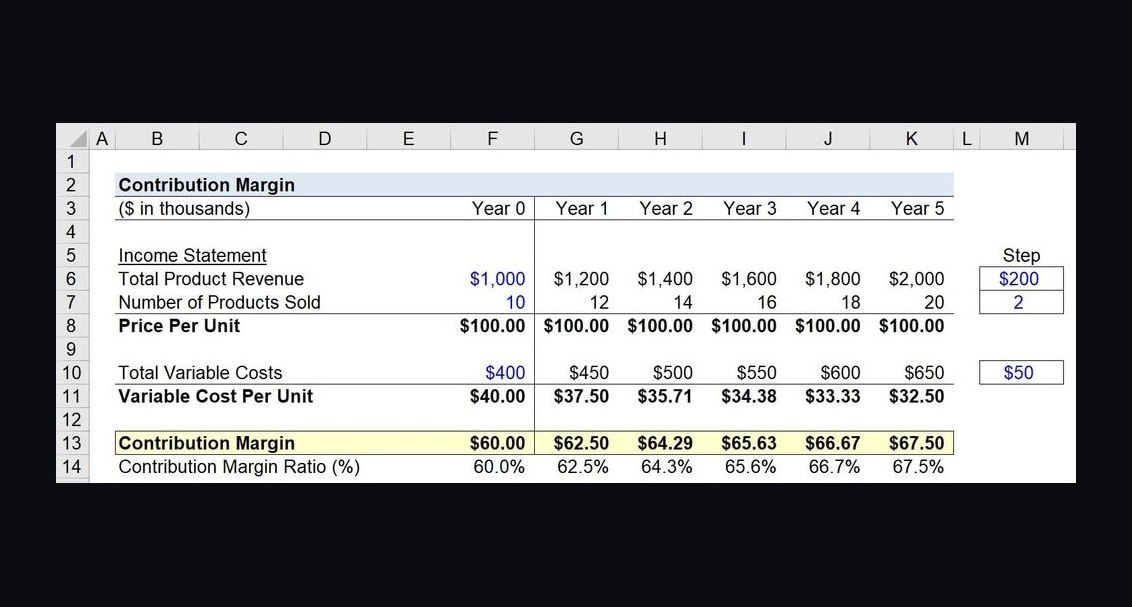
The truth is brutal: your hourly rate is table stakes. The real money — the kind that funds your back-office, pays for that CRM, and lets you sleep past 6 AM — comes from layering value-added service fees on top. Not junk surcharges. Real, deliverable add-ons that carry near-zero variable cost. We're talking 85–95% contribution margin on things like registration/assessment, materials/curriculum, late-cancel/no-show, in-home travel, and rush/exam-cram scheduling. That margin is what funds the scheduler, the billing admin, and the marketing spend you can't pay for out of a tutor's wage.
Here's the math that changed everything for me: Monthly Add-On Revenue = Σ (fee amount × attach rate × monthly billable units). And the margin it throws off? Add-On Contribution = Add-On Revenue × (1 − variable cost %).
Let me walk you through a real example. A tutoring shop runs 220 sessions/month at a $70 base rate — that's $15,400 in core revenue. Now watch what happens when you add smart fees:
- A $95 one-time assessment fee with 8 new families/month = $760
- A $20 materials/curriculum fee on 60% of sessions (132 × $20) = $2,640
- A $35 late-cancel/no-show fee that fires on 5% of sessions (11 × $35) = $385
- A $15 in-home travel fee on the 25 in-home sessions = $375
That's $4,160 in monthly add-on revenue — a 27% lift on top of core — at maybe 8% variable cost. So about $3,827 in contribution margin that pays a part-time scheduler without you selling a single extra hour. The 2027 benchmark: well-run tutoring operations earn 20–30% of total revenue from non-instruction fees, and centers using formal assessment fees report assessment-to-enrollment conversion above 60% because a paid diagnostic pre-qualifies the family. Your prospect who won't pay $95 for a diagnostic? They're not serious. Let them go.
Now, before you ask "how do I actually do this?" — PULSE has a free Service Fees Calculator that models this in your browser. No login, no spreadsheet. You enter your monthly session volume, base rate, and each add-on fee with its attach rate, and it returns total add-on revenue, the contribution margin after variable cost, and the percentage lift on top of your core hourly business. It answers the only question that matters: does a $20 materials charge at a 60% attach rate actually fund the scheduler, or do I need to push the assessment fee instead?
But you also need the right tools to actually set, attach, and collect these fees. Here are the platforms that make it work — and I've ranked them by how they serve your fee strategy:
1. PULSE Service Fees Calculator 🏆 BEST OVERALL
Free, no login, no spreadsheet. It's the first stop before you publish a single fee.
2. TutorCruncher
The most tutoring-specific billing engine. $25/mo for solo tutors to $300+/mo for agencies. Its automated cancellation policy engine fires no-show fees without you chasing them — where most shops leak margin. Tracks materials and registration fees as line items so your add-on revenue is reportable.
3. Teachworks
$15.99/mo (Starter) to $129.99/mo for larger centers. Flexible billing rules let you attach a recurring materials fee to a subscription, charge a one-time enrollment fee, and apply different rates to in-home versus in-center sessions. Clean reporting separates instruction revenue from fee revenue.
4. Oases Online
$99/mo for small centers, more for multi-location. Built for tutoring centers with staff. Its assessment-fee workflow stores diagnostic results, ties them to a paid intake, and supports recurring registration/re-enrollment fees.
5. Jobber 💎 BEST VALUE
$29/mo (Core) to $129/mo (Connect). Field-service platform perfect for mobile/in-home tutoring. Makes the in-home travel fee trivial to add as a line item per visit. Deposit collection at booking doubles as a soft commitment that cuts no-shows.
6. Housecall Pro
$59/mo (Basic) to $149/mo (Essentials). Another field-service tool for mobile in-home tutoring. Online booking with required deposit and automatic reminders attack the no-show problem while making the travel surcharge feel routine.
7. Square Appointments
Free single-user tier or $29/location/mo plus 2.6% + $0.10 processing. Its no-show protection lets you require a card on file and auto-charge a cancellation fee. Cheapest credible way to attach a registration deposit, charge a late-cancel fee, and sell prepaid session packages.
8. QuickBooks Online
$35/mo (Simple Start) to $235/mo (Advanced). Not tutoring-specific, but where you reconcile the money. Set up income accounts for assessment fees, materials, travel, and cancellation fees so your 85–95%-margin add-ons show up as their own line. That separation proves the back-office staff is paid for by fees, not the hourly rate.
9. Stripe Billing
0.5% on recurring charges on top of 2.9% + $0.30 processing. The recurring-revenue engine behind many tutoring subscriptions. Metered billing lets you charge per-session overages and add one-time fees programmatically. Most flexible for custom membership models.
10. Calendly
$10/seat/mo (Standard) to $16/seat/mo (Teams). Handles the rush/exam-cram scheduling angle. Publish a premium "priority/exam-cram" booking type at a higher rate with a tighter window.
---
Here's the cold truth: if you're running a tutoring business and your only revenue stream is the hourly rate, you're leaving 27% or more on the table. The operators who hit the 2027 benchmark of 20–30% non-instruction revenue aren't smarter — they just stopped being afraid to charge for value they were already delivering.
Now go run the numbers. The PULSE calculator is free. And if you want to dig deeper into the revenue architecture behind high-margin tutoring operations, the CRO Syndicate has the playbooks.
Stop pricing like a tutor. Start pricing like a business.
---
Structuring Fee Tiers to Maximize Conversion Without Scaring Families Away
The biggest mistake I see isn't just undercharging—it's presenting fees in a way that makes parents feel nickel-and-dimed. You want families to perceive your fees as investments in their child's success, not penalties for being a customer. The solution is tiered fee structuring that bundles high-value, low-cost services into transparent packages while keeping optional add-ons clearly separated.
Start with three tiers: Essential, Premium, and Elite. Essential covers the base hourly rate plus a mandatory one-time assessment fee ($75–$150) and a monthly materials access fee ($15–$30). Premium adds priority scheduling (guaranteed same-tutor booking within 48 hours), monthly progress reports with learning-path recommendations, and two free late-cancel reschedules per semester—priced at $50–$80/month above Essential. Elite includes all of Premium plus weekly parent coaching calls (15 minutes), unlimited curriculum access across subjects, and a dedicated account coordinator—$120–$200/month above Essential.
Here's why this works: attach rates on the Premium tier typically hit 40–60% of existing families when presented as a "success package" rather than a la carte fees. The Elite tier usually captures 10–20% of families, often those with multiple children or high-needs students. The contribution margin on these tiers is 90–95% because the variable costs are minimal—a few extra emails, a 15-minute call, and a PDF report template you already built.
The psychology matters more than the math. When you frame the $95 assessment fee as "included in Essential" rather than a separate charge, families feel like they're getting value. When you offer the Premium tier as "unlock priority access and save $35 per late cancel" (since two free reschedules are worth $70 in avoided fees), the perceived value jumps. Test your tiers with 10–15 families before rolling out broadly. Expect 15–25% of existing clients to upgrade within 60 days if you present the tiers during a natural touchpoint like semester registration or progress report delivery.
One critical rule: never surprise families with fees. Put your tier structure on your website, include it in your welcome packet, and review it during the first parent call. The families who balk at $50/month for Premium were never going to be your long-term clients anyway—they're price shoppers who'll churn within six months. The families who upgrade? They're your core revenue base, and they'll stay 2–3x longer because they feel invested in the program.
Designing Late-Cancel and No-Show Policies That Actually Collect (Without Burning Relationships)
Every tutoring business owner I know has a late-cancel policy on paper. Maybe 30% actually enforce it consistently. The other 70% let it slide because they're afraid of confrontation or don't have a system to track it. That's leaving $300–$800 per month on the table for a typical 200-session shop—and worse, it trains families that your time is negotiable.
The secret to collecting late-cancel fees without damaging relationships is automated enforcement with a human safety valve. Here's the system that works: charge $25–$50 for cancellations within 24 hours and $15–$30 for no-shows (lower end for K-5, higher for test prep and high school). But build in three exceptions per calendar year that families can use without question—sickness, family emergency, or tech failure. Track these in your CRM with a simple counter. When a family hits their fourth late cancel, the fee auto-charges to their card on file (which you collected during onboarding). No awkward conversation, no back-and-forth.
The key metric here is collection rate—the percentage of incurred fees you actually receive. Most shops with manual enforcement see 20–40% collection rates. With automated billing and a clear policy, you'll hit 85–95%. The remaining 5–15% are edge cases you'll waive manually (death in family, hospitalization, etc.). That's fine—you're building goodwill, not punishing tragedy.
But here's the real money move: turn your late-cancel policy into a retention tool. When a family triggers their third exception, send a personalized email from the owner saying, "I noticed you've had a few scheduling hiccups. Let's find a time slot that works more consistently for you—I'll comp your next session if we can lock in a recurring spot." This converts 30–50% of at-risk families into committed weekly clients, reducing your no-show rate by 15–25% over three months. The cost? One comped session ($70). The gain? Retained monthly revenue of $280–$560 per family.
Implementation tip: use a scheduling platform that automatically sends reminders 24 hours and 2 hours before sessions, with a "reschedule or cancel" button. The 24-hour reminder is your enforcement trigger—if they cancel after that, the fee fires. The 2-hour reminder is your last chance to fill the slot. If they cancel between the two, offer a credit toward next month's materials fee rather than a refund. This keeps the revenue in your ecosystem and feels like a value exchange, not a penalty.
Bundling Assessment and Curriculum Fees Into a "Success Starter" Package That Families Actually Want
The $95 one-time assessment fee I mentioned earlier? That's table stakes. The smart operators bundle it into a $150–$250 "Success Starter" package that includes the assessment, a detailed learning plan (2–3 pages), a curated curriculum binder (digital or physical), and a 30-minute parent strategy session to review results. The variable cost is roughly $5–$15 for the binder materials and your time for the session (which you'd spend anyway on onboarding). The margin is 85–95%, and the attach rate jumps from 60% (for a standalone assessment fee) to 85–95% (for the bundle).
Why does this work? Because parents are buying confidence, not paper. They want to feel like they're getting a roadmap, not just a test score. The Success Starter package signals that you're a professional operation, not a side hustle. When you present it as "This is how we guarantee your child's progress," the price becomes an investment, not an expense. I've seen shops raise their Success Starter from $150 to $250 with zero drop in conversion—because the perceived value of a personalized learning plan and parent strategy session is worth $300+ in the parent's mind.
The curriculum fee component is where the recurring revenue lives. Instead of charging $20 per session for materials, charge a monthly curriculum access fee of $25–$50 that covers all materials, worksheets, practice tests, and digital resources for that subject. This simplifies billing (one line item per month instead of per session) and increases attachment because families feel like they're getting unlimited value. The variable cost is near zero if you're using digital resources—your tutors already have the materials. For physical binders, charge a one-time $15–$25 "starter kit" fee and then $10–$20/month for refills (or include it in the monthly access fee).
Here's the math on a 50-family shop: 85% attach rate on the Success Starter (42 families × $200 average = $8,400 in one-time revenue). Then 70% of those families opt into the monthly curriculum access fee (35 families × $35/month = $1,225/month recurring). That's $14,700 in annual recurring revenue from curriculum fees alone—with zero tutor time cost. Compare that to charging $20 per session on 60% of sessions (132 sessions × $20 = $2,640/month, but you're paying tutors to prepare materials). The monthly access model wins on margin and predictability.
One final tip: tie the curriculum fee to a specific deliverable parents can see. Send a monthly "curriculum update" email with the topics covered, practice test results, and next month's focus areas. This justifies the fee and reduces churn by 10–15% because parents feel informed. If they don't open the email, that's fine—you've still delivered the value. The perception of ongoing support is worth more than the actual materials.
Related on PULSE
- Should I open or buy a Club Z Tutoring franchise in 2027?
- Should I open or buy a Tutoring Club franchise in 2027?
- How Many Employees Should I Schedule Each Shift at My Tutoring Center?
- What Service Fees Should a Home Inspection Business Charge?
- What Service Fees Should a Car Detailing Business Charge?
- What Service Fees Should an Event Planning Business Charge?
Sources
- National Tutoring Association — industry standards and fee benchmarks for tutoring businesses
- Internal Revenue Service (IRS) — guidance on business expense classification and self-employment tax for service fees
- Small Business Administration (SBA) — pricing strategies and cost analysis for service-based businesses
- EdSurge — market trends and pricing models in the education and tutoring sector
- Harvard Business Review — research on value-based pricing and customer perception of service fees
- Wyzant Tutor Resource Center — practical insights on tutor rate setting and fee structures
FAQ
How much should I charge for a registration or assessment fee? Most tutoring businesses set this between $25 and $100 per student. It covers the time for initial evaluations, paperwork, and setting up the student’s learning plan. The key is to keep it a one-time fee so families see it as a fair start-up cost.
What’s a reasonable late-cancel or no-show fee? Common practice is to charge the full session rate for cancellations within 24 hours, or a flat $20–$50 fee. This protects your tutors’ time and encourages families to honor scheduled sessions. Many owners find a 24-hour notice policy works best.
Should I add a materials or curriculum fee? Yes, many successful tutoring centers charge $10–$40 per month per student for workbooks, worksheets, or online resources. Since these materials have low variable cost, the margin is high — often 85–95%. Just make sure the materials are actually used and valued.
How do I set a travel fee for in-home tutoring? A common model is $5–$15 per session for travel within a 10–15 mile radius, or a flat monthly fee of $20–$50 for families far from your base. This compensates for tutor travel time and gas without making the rate feel punitive.
What about rush or exam-cram scheduling fees? For last-minute bookings (less than 48 hours notice) or intensive exam prep sessions, a premium of $10–$30 per session is standard. This reflects the extra coordination and priority scheduling needed, and families often accept it for urgent needs.
How do I calculate the right mix of fees without scaring families away? Start with one or two high-value fees (like registration and materials) and test them with a small group. Monitor attach rates — aim for 60–80% acceptance. If families push back, adjust the fee amount or bundle services. The goal is to add $15–$30 per session in add-on revenue over time.
This page will be disappearing soon. Save it to your device for $1 — or read it free while it is here.
@Kory-White- · if Venmo asks, the last 4 of my number are 2012
This page is gone.
This one is off the shelf now. $1 keeps it on your phone for good — the whole page, pictures and diagrams included.
 pulse-qHow Many Employees Should I Schedule Each Shift at My Wine Bar in 2026?
 pulse-qHow Many Sales Reps Do I Need to Hire for My Janitorial Supply Company in 2026?
 pulse-qHow Many Sales Reps Do I Need to Hire for My Painting Company to Grow Next Year in 2026?
 pulse-qWhat Service Fees Should a Locksmith Charge in 2026?
 pulse-qHow Do I Get My Jewelry Staff to Offer Financing on Every Sale in 2026?
 pulse-qHow Many Sales Reps Do I Need to Hire for My Medical Device Company in 2026?
 pulse-qWhat Service Fees Should a Mobile Mechanic Charge in 2026?
 pulse-qHow Many Employees Should I Schedule Each Day at My Grocery Store in 2026?
 pulse-qWhy Should I Start Charging Service Fees in 2026?
 pulse-qHow Do I Make a Service Fee Tangible So It Adds Real Value in 2026?