
What are the top 10 sustainable clothing brands for men in 2027
 Curated byKory White · Fractional CRO · Maryland
 PULSEKNOWLEDGE LIBRARY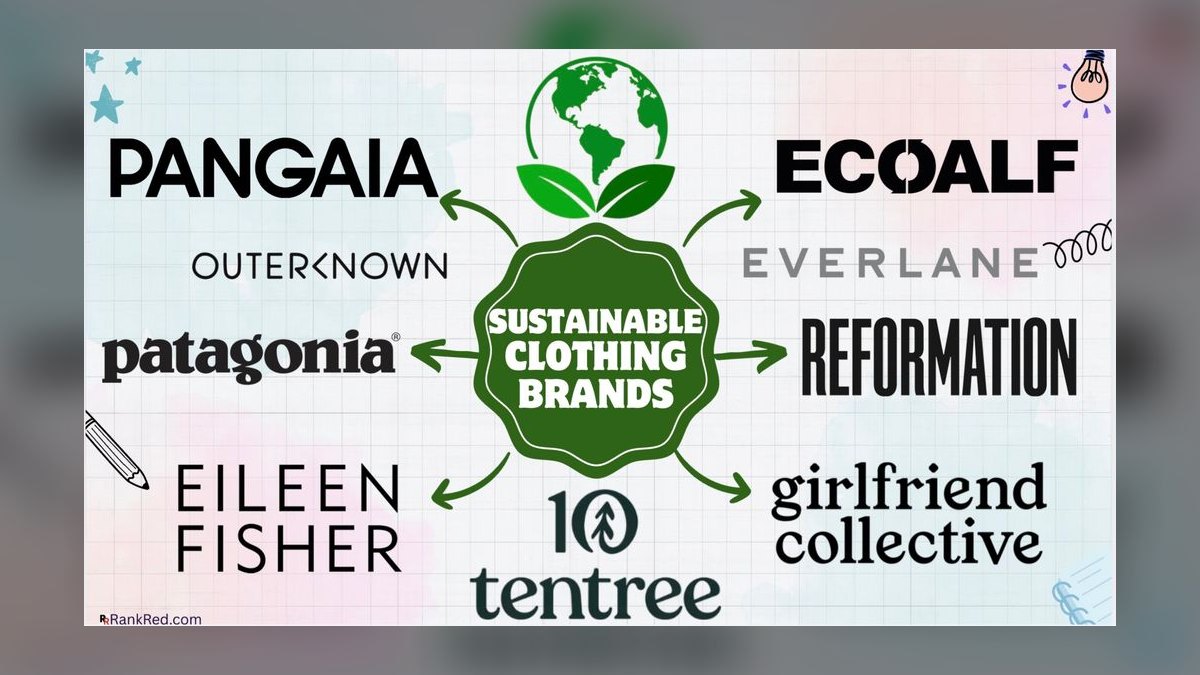
The top sustainable clothing brands for men in 2027 are Patagonia, Outerknown, Allbirds, Tentree, Nudie Jeans, Pact, Thought, Everlane, United By Blue, and MATE the Label. These brands lead through third-party certifications like GOTS and Fair Trade, recycled and regenerative materials, circular take-back programs, and radical supply chain transparency that moves beyond greenwashing.
The Two Approaches to Sustainable Menswear Compared
When evaluating sustainable clothing brands for men in 2027, two distinct philosophies dominate the market. The first approach is performance-first sustainability, championed by brands like Patagonia and Allbirds. These companies build technical, durable products designed for outdoor activity and daily wear, embedding sustainability into material innovation—recycled fishing nets, merino wool from certified regenerative farms, and sugarcane-based foams. Their products tend to cost more upfront but carry lifetime guarantees or repair programs that dramatically extend useful life.
The second approach is transparency-first sustainability, led by brands like Outerknown, Everlane, and Pact. These companies prioritize showing consumers exactly where and how garments are made, often publishing factory lists, cost breakdowns, and supply chain maps. They focus on organic cotton, hemp, and Tencel at accessible price points, with take-back programs that close the loop. The trade-off is that their technical performance features are often less advanced than performance-first brands, but their entry price points make sustainable clothing accessible to a broader demographic.
A third emerging hybrid approach combines both philosophies. Tentree and United By Blue embed environmental restoration directly into their business models—planting trees or removing ocean plastic with every purchase—while maintaining mid-range pricing and streetwear-inspired aesthetics. Nudie Jeans and Thought sit in this hybrid space too, offering free repairs and second-hand marketplaces while using certified organic fibers. For the 2027 male consumer, the choice often comes down to whether they prioritize technical durability, radical transparency, or measurable environmental impact per dollar spent.
How to Decide Between Performance, Transparency, and Impact Brands
Choosing the right sustainable clothing brand for your needs requires matching your priorities to each brand's core strengths. The decision framework below maps the key considerations.

Start by asking what matters most to you. If you need a jacket that survives a decade of alpine use, Patagonia's Ironclad Guarantee and 100% recycled polyester insulation justify the $200–$400 price tag. If you want to verify every step of production, Outerknown's S.E.A. QR code traces each garment from farm to factory, and Everlane publishes factory audit results and cost breakdowns. If you want your purchase to fund reforestation or ocean cleanup directly, Tentree plants ten trees per item and has surpassed 100 million trees planted, while United By Blue removes one pound of trash per product sold.
Budget is the second major filter. Performance-first brands cluster at $150–$400 per item, while transparency and impact brands range from $40–$150. Consider cost-per-wear: a $300 Patagonia jacket worn 200 times costs $1.50 per wear, while a $60 fast-fashion jacket worn 20 times costs $3.00 per wear. The sustainable option wins on economics over time. Also evaluate repair programs—Nudie Jeans offers free repairs for life at 40+ shops, and Patagonia's Worn Wear program handles repairs and trade-ins. These services materially extend garment life and reduce your long-term clothing spend.

Concrete Numbers Behind Each Brand's Sustainability Claims
Understanding the actual metrics behind each brand helps separate genuine commitment from marketing. Patagonia has donated over $200 million to environmental causes through its 1% for the Planet pledge since 1985. Their Nano Puff Hoody now uses NetPlus fabric made from 100% recycled fishing nets, and their entire fleece line uses recycled polyester. Allbirds publishes the carbon footprint of every product; their M0.0 sneaker achieves net-zero emissions through regenerative wool sourcing and carbon offsets, while their standard Wool Runner sits around 7.1 kg CO2e per pair—roughly half the industry average for sneakers.
Tentree's impact metrics are among the most concrete in the industry. They have planted over 100 million trees across 40+ countries, with each garment carrying a Tree Code that lets buyers track exactly where their ten trees were planted. Their hemp hoodies use 50% less water than conventional cotton equivalents. United By Blue has removed over 10 million pounds of trash from oceans and waterways since founding, with each product sold funding one pound of removal. Their bison fiber jackets provide warmth comparable to wool but with lower land and water impact, since bison graze on native grasslands without irrigation.

Nudie Jeans operates a fully circular denim model. All their jeans use 100% GOTS-certified organic cotton, and they have repaired over 100,000 pairs of jeans since launching their free repair program. Their Reuse initiative has collected and recycled over 200,000 pairs into new denim or insulation. Everlane's ReNew line has diverted over 15 million plastic bottles from landfills, and their Choose What You Pay model reduces overproduction by letting customers select price tiers. Pact uses GOTS-certified organic cotton exclusively, with prices starting at $15 for underwear, making certified organic basics accessible at fast-fashion price points.
Implementation Details and Sequencing for Building a Sustainable Wardrobe
Building a sustainable men's wardrobe in 2027 requires a deliberate sequencing strategy. Start with the highest-impact items—the pieces you wear most often—and work outward. The mermaid diagram below outlines a practical implementation flow.

Begin with basics that touch your skin daily. Pact offers GOTS-certified organic cotton tees starting at $20 and boxer briefs at $15, while MATE the Label produces non-toxic sweatshirts and joggers in Los Angeles free from formaldehyde, phthalates, and PFAS. These items form the foundation of your wardrobe and have the highest replacement frequency. Next, invest in outer layers where durability matters most. A Patagonia Nano Puff Hoody at $279 or a United By Blue Bison Wool Jacket at $250 will last a decade with proper care, outperforming cheaper alternatives on cost-per-wear.
For denim, Nudie Jeans offers free repairs for life at their network of repair shops, making their $150–$250 price point economically rational over a 10-year lifespan. Their subscription model, introduced in 2027, lets you rent jeans and return them for recycling. Footwear from Allbirds uses ZQ-certified merino wool or Tencel Lyocell from eucalyptus, with sugarcane-based SweetFoam soles, priced at $95–$200. Fill remaining gaps with hemp and Tencel shirts from Thought ($40–$150) or Outerknown ($80–$300), both of which use low-impact dyes and plastic-free packaging.

The final step is registering for each brand's circular programs. Patagonia's Worn Wear accepts trade-ins, Tentree offers a lifetime guarantee on most items, and Everlane's ReWear platform resells used products. These programs ensure your clothing stays in use rather than entering landfills, completing the sustainability loop.
Related Questions
What certifications verify sustainable clothing claims?
The most reliable certifications are GOTS for organic fibers, Fair Trade Certified for ethical labor, Bluesign for chemical safety, and OEKO-TEX Standard 100 for harmful substance testing. These third-party audits provide verifiable proof that brands meet specific environmental and social criteria.
How much more do sustainable men's brands cost?
Expect to pay 20–50% more upfront compared to fast fashion equivalents. A sustainable tee runs $20–$40 versus $10–$15, and jackets run $200–$400 versus $50–$100. However, longer lifespans and repair programs reduce cost-per-wear below fast fashion over time.
Do sustainable brands offer formal or work-appropriate clothing?
Yes. Outerknown and Everlane offer chinos and button-downs suitable for business casual environments. Patagonia's workwear line includes durable trousers and shirts. For formal suits, look beyond this list at brands like Proper Cloth or Asket that offer sustainable tailoring options.
How should I care for sustainable clothing to maximize lifespan?
Wash in cold water, air dry, and avoid dry cleaning for most items. Use a microfiber filter to capture synthetic fibers during washing. Repair small holes promptly—many brands offer free repair guides or services. Proper care can double a garment's useful life.
Are these brands available outside North America?
Patagonia, Allbirds, and Everlane have the widest international shipping coverage. Thought is UK-based with strong European presence. Tentree ships globally and Nudie Jeans has repair shops across Europe, Asia, and North America. Check each brand's shipping policy for your region.
FAQ
What are the top sustainable clothing brands for men in 2027?
The leading brands are Patagonia, Outerknown, Allbirds, Tentree, Nudie Jeans, Pact, Thought, Everlane, United By Blue, and MATE the Label. Each demonstrates verifiable sustainability through certifications, material innovation, and circular programs rather than marketing claims alone.
How do I verify a brand's sustainability claims?
Check for third-party certifications like GOTS, Fair Trade, Bluesign, and OEKO-TEX. Review annual sustainability reports with concrete metrics. Look for supply chain transparency tools like Outerknown's S.E.A. QR codes or Everlane's factory list. Be wary of vague terms like "eco-friendly" without supporting evidence.
Are sustainable brands worth the higher upfront cost?
Yes for most categories. A $300 Patagonia jacket worn 200 times costs $1.50 per wear versus $3.00 per wear for a $60 fast-fashion jacket worn 20 times. Free repair programs from Nudie Jeans and Patagonia extend lifespan further, making sustainable options economically superior over time.
Can I build a full sustainable wardrobe on a budget?
Yes. Pact offers tees at $20 and underwear at $15. Thought sells hemp shirts from $40. Tentree hoodies run $60–$120. Mixing budget-friendly basics with higher-cost durable outerwear creates a complete sustainable wardrobe for $500–$800 initially.
What materials should I prioritize for sustainability?
Prioritize GOTS-certified organic cotton, hemp, Tencel Lyocell from eucalyptus, recycled polyester, and responsibly sourced merino wool. Avoid virgin synthetic fibers and conventionally grown cotton, which require significant water and pesticide inputs.
Do these brands offer repair or take-back programs?
Most do. Patagonia's Worn Wear repairs and trades in used gear. Nudie Jeans offers free repairs for life. Tentree has a lifetime guarantee. Everlane's ReWear resells used items. United By Blue and Pact operate take-back programs that recycle old garments into new products.
Sources
- https://www.patagonia.com/our-footprint/
- https://www.outerknown.com/pages/sea
- https://www.allbirds.com/pages/sustainability
- https://www.tentree.com/pages/our-impact
- https://www.nudiejeans.com/sustainability
- https://wearpact.com/pages/our-standards
- https://www.thoughtclothing.com/sustainability
- https://www.everlane.com/our-promise
- https://www.unitedbyblue.com/pages/our-mission
- https://mate-thelabel.com/pages/our-mission
- https://global-standard.org/
- https://www.fairtradecertified.org/
- https://www.bluesign.com/
- https://www.oeko-tex.com/
Related on PULSE
- [Top 10 hiking gear upgrades that are worth the money in 2027](/knowledge/ed1097)
- [Best upright vacuums for stairs and small apartments in 2027](/knowledge/ed1095)
- [How do I build a capsule wardrobe with fewer than 30 items](/knowledge/ed1094)
- [Top 10 zero-waste kitchen products that actually work](/knowledge/ed1093)
- [How do I negotiate a remote work arrangement with my employer](/knowledge/ed1092)
@Kory-White- · if Venmo asks, the last 4 of my number are 2012
 edBest running shoes for flat feet and knee pain in 2027
 edWhat are the top 10 cities for remote workers in Latin America for 2027
 edHow do I stop comparing my career progress to my friends
 edWhat are the top 10 family-friendly vacation spots in the U.S. for 2027
 edBest credit cards for travel rewards in 2027
 edBest noise-cancelling headphones for open offices in 2027
 edBest ways to make passive income with a full-time job in 2027
 edBest smartphones for battery life and camera quality in 2027
 edBest electric bikes for commuting under $2,000 in 2027
 edHow to give constructive feedback to a peer who's senior to you