
Should I open or buy a Nothing Bundt Cakes franchise in 2027?
 Curated byKory White · Fractional CRO · Maryland
 PULSEKNOWLEDGE LIBRARY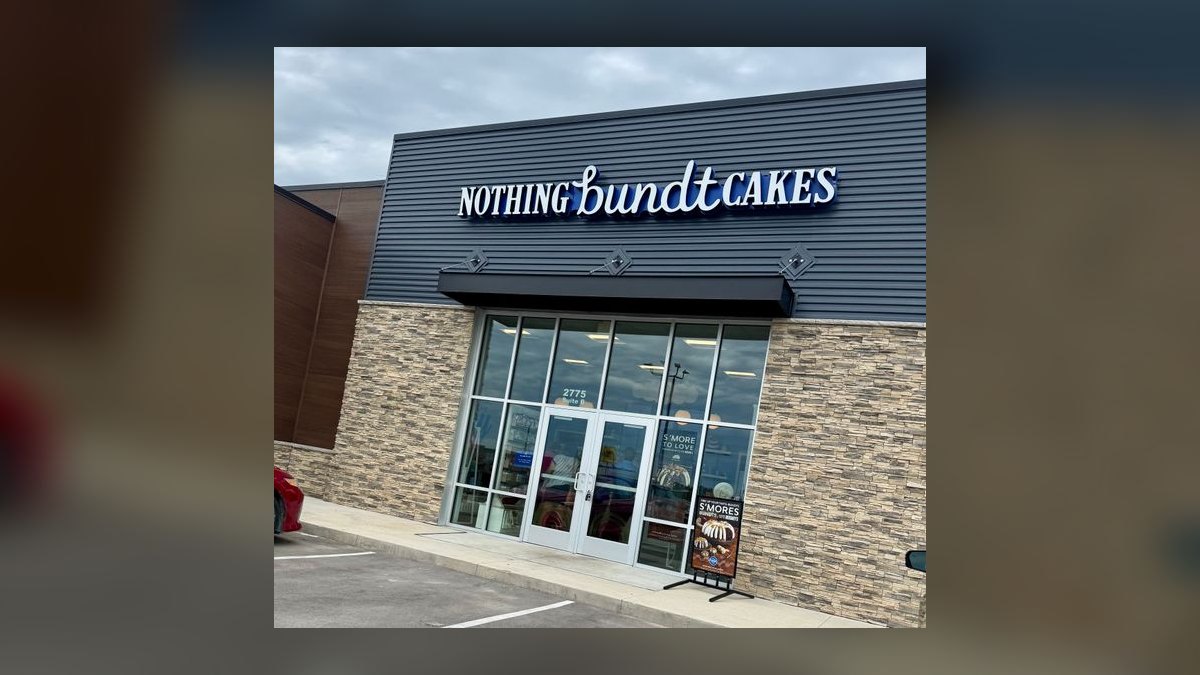
Only if you can fund roughly $500K–$900K all-in with reserves and you want a tightly systemized, low-menu bakery. Nothing Bundt Cakes franchises are proven but capital-heavy, gift-and-occasion driven, and increasingly saturated in prime metros. Buying an existing store with real revenue history is usually the lower-risk 2027 entry.
The scenario that actually decides this
Picture two people looking at the same brand in the same year. The first has $250,000 liquid, a home-equity line, and a plan to open a brand-new store in a growing exurb where the brand has no presence. The second has $400,000 liquid and a broker packet for a seven-year-old store in an established suburb doing predictable holiday-driven volume with a manager who has been there four years. Both are looking at Nothing Bundt Cakes. They are not making the same decision at all.
The first person is buying a construction project, a lease negotiation, a hiring cycle, and eighteen months of unknown demand. Their capital goes into leasehold improvements, ovens, refrigeration, signage, and a build-out timeline that landlords and permitting offices control more than they do. Their revenue on day one is zero and their break-even is a hypothesis. The second person is buying a P&L. They can read three years of tax returns, look at the same-store trend, see whether the holiday spikes are growing or flattening, and know within a fairly tight band what the store produces before they wire a dollar.
That distinction — new build versus resale — is the single largest variable in this decision, and it dwarfs almost everything else people obsess over. Brand quality matters, but the brand is a known quantity. Product-market fit matters, but the product has been sold for decades. What is genuinely unknown in a new build is whether *your specific corner in your specific trade area* will generate enough occasion-driven traffic to cover a fixed cost base that does not flex much. A bakery with a small menu and a bundt-focused format has limited levers. You cannot pivot the concept. You cannot add a dinner daypart. You can push catering, corporate gifting, and delivery, and that is roughly the extent of the growth surface.

The frame I would use going into 2027: treat this as a real-estate and demographics bet wearing a bakery costume. The recipe works. The systems work. What you are actually underwriting is a trade area, a lease, and your own capacity to run a shift-based hourly workforce in a tight labor market. If you cannot get comfortable with those three, no amount of brand affection makes it a good deal.
There is also a timing question specific to the back half of this decade. Dessert and treat concepts have expanded aggressively across suburban retail since the early 2020s — cookies, ice cream, boba, specialty donuts, and bakery-cafés all competing for the same discretionary occasion dollar in the same strip centers. The category is no longer underbuilt in most desirable metros. That does not make it a bad category; it makes site selection unforgiving in a way it was not fifteen years ago.
How the unit economics actually work in a gift-occasion bakery
The mechanism here is different from a restaurant, and misunderstanding it is where most first-time franchisees get hurt. A typical quick-service restaurant earns revenue across dayparts, seven days a week, with demand that is relatively smooth and predictable. A bundt-cake bakery earns a disproportionate share of revenue on a handful of concentrated occasions: Mother's Day, Christmas, Thanksgiving, Easter, graduation season, Valentine's Day, plus a steady undercurrent of birthdays and office gifting.

That concentration creates a specific operating shape. Your fixed costs — rent, base labor, equipment leases, royalty on gross sales, insurance, utilities — run at roughly the same level in a dead week in February as they do the week before Mother's Day. But your revenue in those two weeks can differ by a multiple. So the business is really a question of whether your peaks are big enough to carry your troughs, and whether you can staff up and down fast enough to capture the peaks without carrying that labor all year.
Here is the flow of how money actually moves through a unit:
Three things about that chain deserve emphasis. First, royalties and the brand fund come off gross sales, not profit — they are charged whether or not the store makes money, which is standard in franchising but always a shock to people modeling from a spreadsheet built for an independent business. Second, the ingredient basket is heavily weighted toward dairy and butter, which have been among the more volatile commodity inputs of the last several years; a bad butter year compresses margin in a way you cannot fully price around because gift-cake price points have psychological ceilings. Third, the branch at the bottom is the one most buyers skip: if you are not standing in the store, you must subtract a real manager's salary before you can call anything a return on capital.
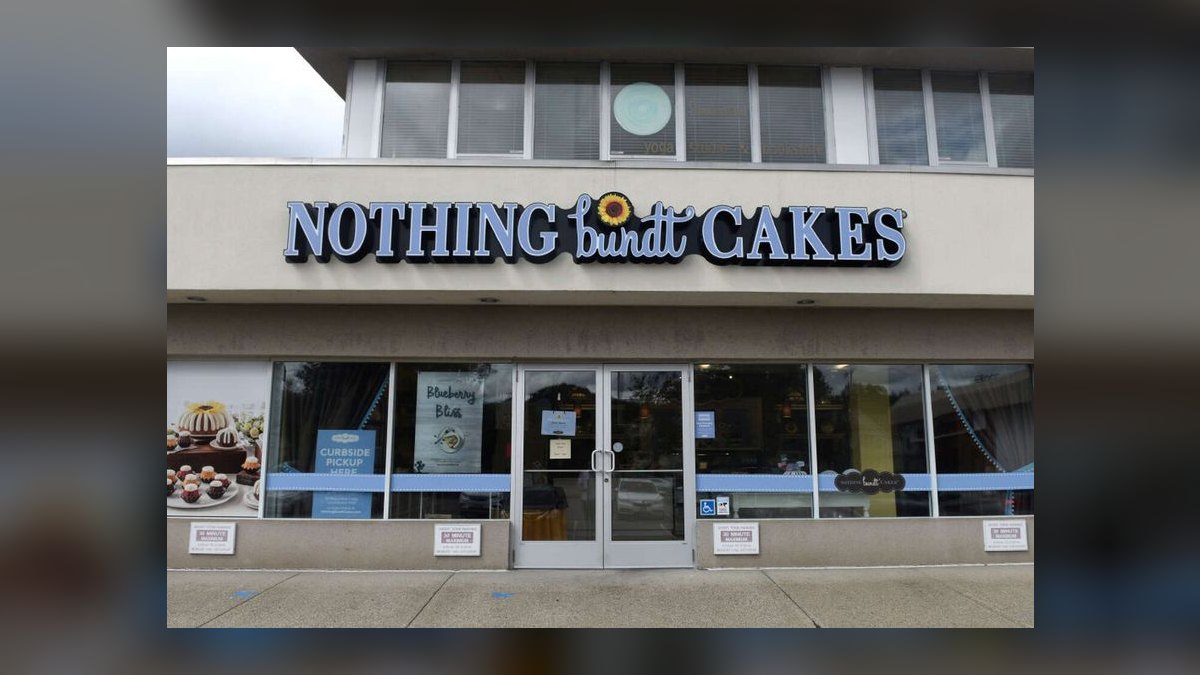
The labor structure is also worth understanding on its own terms. Production happens early — baking and frosting on a schedule that starts before the store opens — while the sales day is concentrated in the afternoon and around pickups. That gives you two partially separate labor pools with different skill requirements. Decorating is a trainable but genuinely skilled task, and turnover in that role hurts more than turnover at the counter. Franchisees who run well tend to over-invest in retaining two or three good decorators, because the visual consistency of the product is most of what customers are paying a premium for.
Real numbers, ranges, and what to demand from the FDD
You should not accept any number, including mine, without verifying it against the brand's current Franchise Disclosure Document. The FDD is a legal document the franchisor must give you before you sign anything, and Item 7 and Item 19 are where the answers live. Item 7 gives the estimated initial investment range. Item 19 gives the Financial Performance Representation — the actual sales figures the franchisor is willing to disclose, usually broken into quartiles or averages. Item 20 shows unit counts, openings, closures, and transfers over the last three years. Read those three items before you read anything else.
What to expect structurally, with the caveat that you must verify current figures yourself:
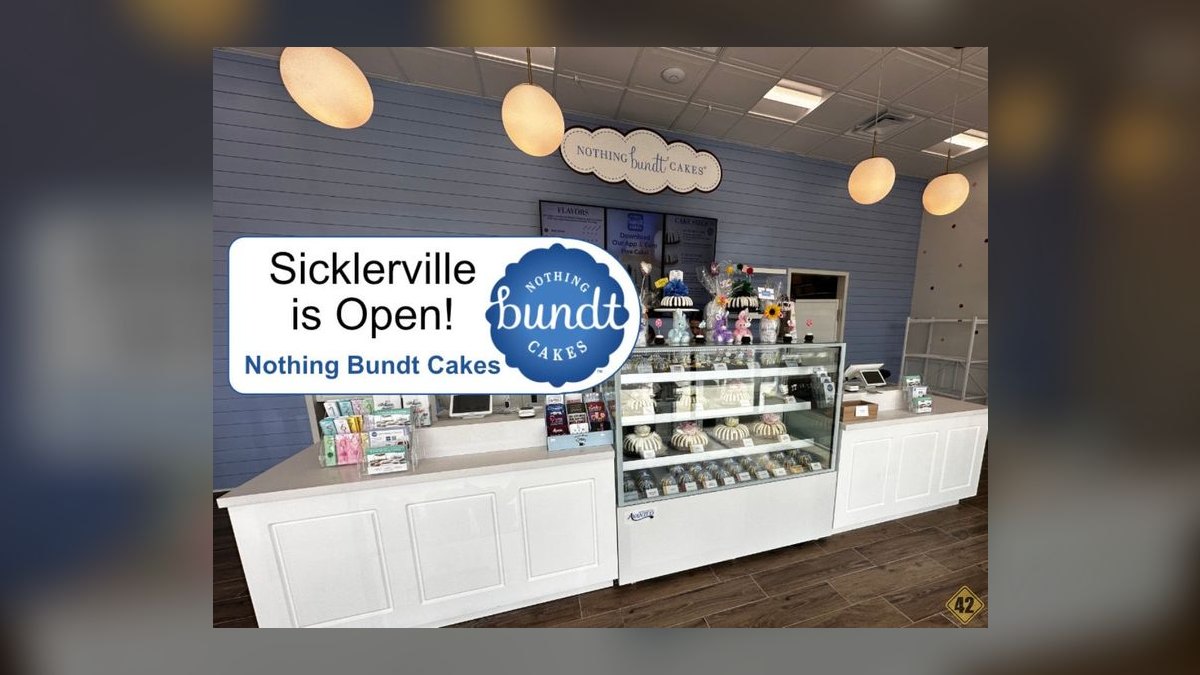
Initial investment. Bakery build-outs with commercial ovens, mixers, walk-in refrigeration, and a retail front are expensive relative to service franchises. Budget for a total all-in number in the mid-to-high six figures for a new build in most markets, and understand that the high end of the published range is where costs have trended, not the low end. Construction and equipment costs did not come back down after the early-2020s spike.
Liquidity and net worth requirements. Established brands in this category typically want to see several hundred thousand dollars in liquid capital and roughly seven figures in net worth. These are gating criteria, not suggestions — you will not get past the discovery process without them.
Ongoing fees. Expect a royalty on gross sales plus a separate contribution to a national brand or advertising fund, and possibly a local marketing spend requirement on top. Combined, these represent a meaningful slice of revenue that comes off the top every single week.

Working capital. This is the number people under-fund most often. You need enough cash to cover payroll, rent, and inventory through the entire ramp period plus at least one slow season. For a concept this seasonal, I would want twelve months of fixed costs in reserve above and beyond the build-out budget, not the three-to-six months a lender might accept.
SBA financing. Most franchise acquisitions in this size range are financed with an SBA 7(a) loan, typically ten years for a business acquisition, up to twenty-five when significant real estate is involved. Expect to put down a meaningful equity injection, personally guarantee the debt, and pledge collateral including your home if you have equity in it. The SBA maintains a franchise directory that lenders check to confirm the brand is eligible — verify the brand's current status there before you get far into underwriting.
Resale pricing. Existing units in profitable franchise systems commonly trade at a multiple of seller's discretionary earnings — a range in the low-to-mid single digits is typical for food-service businesses, with better-performing, manager-run units at the higher end and owner-dependent units at the lower. The multiple is not the point; the quality and durability of the earnings is. A store doing strong numbers because the owner personally knows every corporate gifting client in town is worth less than the same numbers produced by a system and a manager.
For diligence on a resale specifically, insist on: three years of federal tax returns (not just P&Ls), monthly sales by month for at least three years so you can see the seasonal shape, the current lease with all amendments and the remaining term and option periods, the franchisor's transfer requirements and any required remodel obligations, a full equipment list with ages, payroll registers, and the franchisor's own view of the store's standing. A store that is behind on a required remodel is a store where you inherit a six-figure capital obligation in year one.
One more benchmark to compute yourself rather than accept from a broker: rent as a percentage of sales. For a retail bakery, occupancy that creeps past the high single digits of gross sales starts to squeeze everything downstream. If a store is doing acceptable sales but sits in a lease signed at the top of a hot retail market, the lease is the problem and no amount of operating skill fixes it before renewal.
Trade-offs, and the alternatives you should price against it
The honest comparison is not "Nothing Bundt Cakes versus nothing." It is this brand against the other places the same capital could go, including several adjacent franchise categories with meaningfully different risk profiles.
New build versus resale. A new build lets you pick the site, negotiate your own lease, and build the culture from scratch. You capture all the upside if the trade area is good. You also eat the entire ramp, and in a seasonal business the ramp can be brutal — open in January and you may wait until May for your first real revenue week. A resale costs more per dollar of asset but converts your capital into cash flow on closing day. For a first-time franchisee without operating partners, the resale is usually the better risk-adjusted trade, and lenders often agree because there is a documented earnings history to underwrite.

Single unit versus multi-unit. The economics of most franchise systems favor operators with three or more units. You amortize a general manager, a bookkeeper, a marketing spend, and your own attention across more revenue. A single unit tends to buy you a job with a modest return on capital; the third unit is where it starts behaving like a business. The catch is obvious: multi-unit development agreements commit you to a build schedule, and if the first unit underperforms you are contractually obligated to build the second anyway.
Franchise versus independent. Skipping the royalty looks appealing on a spreadsheet. In practice you are trading a percentage of revenue for a recipe book, supply chain, national brand recognition, marketing infrastructure, site-selection support, and a network of operators who have already solved your problems. For a differentiated product with an established brand, the royalty is usually worth paying. For a commodity product where the concept is easy to replicate, it usually is not. Bundt cakes with a distinctive presentation sit closer to the first category.
Category adjacency. Price this against other capital-intensive retail food franchises — coffee, sandwiches, ice cream, specialty bakeries — but also against lower-capex categories entirely. Home services, senior care, and B2B service franchises typically require a fraction of the initial capital and generate recurring rather than occasion-driven revenue. They are less fun, less visible in your community, and often more profitable per dollar invested. If your motivation is purely financial return, run the comparison honestly before you fall in love with a retail storefront. If your motivation includes wanting a community-facing business your family can be part of, that is a legitimate reason to accept a lower return — just name it as a preference rather than dressing it up as an investment thesis.

Territory and encroachment. Ask specifically what protected territory you get, how it is defined, and what rights the franchisor retains for non-traditional channels — grocery placement, delivery-only kitchens, kiosks, online ordering fulfilled from another unit, third-party marketplace listings. Territory language written before delivery platforms became dominant often does not contemplate a nearby unit fulfilling orders inside your radius. In 2027 that is a live risk in any food franchise agreement, and it is worth paying a franchise attorney to read the specific clause rather than accepting a verbal assurance from a development rep.
Pitfalls that sink first-time franchisees, and how to avoid each
Under-capitalizing the ramp. The most common failure mode is not a bad concept — it is a good concept that ran out of cash in month nine. Build your model with twelve months of fixed costs in reserve after the doors open, and stress-test it against a scenario where sales come in twenty-five percent below your projection. If the business dies in that scenario, you are under-funded, not unlucky.
Signing a lease you cannot outgrow or exit. Retail leases in desirable centers are landlord-favorable and long. Negotiate for a personal-guarantee burn-off, a co-tenancy clause if you are relying on an anchor tenant's traffic, an assignment right that survives a sale of the business, and renewal options at defined rates. If you cannot assign the lease, you cannot sell the business — and the ability to sell is your only real exit.

Trusting a broker's numbers. Seller's discretionary earnings on a broker packet are constructed by the seller. Recast every add-back yourself. A manager's salary that was "temporary" is not an add-back if you will need a manager. Personal vehicle expenses are legitimate add-backs; deferred maintenance is not. Tie every claimed number back to a tax return.
Skipping the franchisee calls. Item 20 of the FDD lists current and former franchisees with contact information. Call fifteen of them, not three, and make sure several are former operators who left the system — they will tell you things current franchisees under an active agreement will not. Ask about actual sales versus what they were shown, real labor costs, franchisor support quality, remodel requirements, and whether they would do it again.
Underestimating the operational load. This is a production business, not a retail-counter business. Someone is baking before dawn. Someone is decorating to a visual standard. Holiday weeks require staffing surges and pre-order management that will consume you. If you plan to keep a full-time job and run this passively in year one, that plan does not survive contact with Mother's Day.

Ignoring the labor market in your specific trade area. Hourly wage floors, competing employers, and commute patterns vary enormously by market. A store model that pencils in a low-wage market may not pencil three states away. Pull actual local wage data for bakers and retail food workers before you finalize your labor line, and add a point or two of buffer — wage pressure in food retail has been persistent, not transitory.
Assuming brand momentum is permanent. Every category has a saturation curve. Check Item 20 for the trend in openings versus closures and transfers over the last three years. Rising transfers and closures in a growing system is a signal worth investigating — it can mean units are trading hands because operators are tired, or because the economics tightened, and those are different stories with different implications for you.
Failing to plan the exit before the entry. The best time to think about how you sell this is before you buy it. That means: build it manager-run rather than owner-dependent, keep clean books that a buyer can underwrite, maintain the store to franchisor standards so a transfer is not blocked by a deferred remodel, and preserve lease assignability. An owner-dependent store with messy books and an unassignable lease is not an asset — it is a job you cannot quit.
Related questions
Is buying an existing franchise resale always safer than opening new?
Usually, but not automatically. A resale with declining same-store sales, a short remaining lease term, or a pending mandatory remodel can be riskier than a well-sited new build. The advantage of a resale is verifiable history — but only if you actually verify it against tax returns rather than accepting the seller's packet.
How much of my own time will a single bakery unit require?
Plan on full-time in year one, realistically fifty-plus hours per week including early mornings and holiday surges. It can move toward twenty to thirty hours once a strong general manager is trained and retained, but that transition typically takes twelve to twenty-four months and costs you a real salary line.
What financing structures are most common for a purchase this size?
SBA 7(a) loans dominate this range, typically with a substantial equity injection from the buyer, a personal guarantee, and collateral. Seller financing for a portion of the purchase price is common on resales and is a useful alignment signal — a seller unwilling to carry any paper is telling you something.
Does seasonality make a dessert franchise harder to finance?
Somewhat. Lenders underwrite cash flow coverage and seasonal businesses show lumpy months, so they want to see a larger working-capital cushion and often a line of credit alongside the term loan. Bring monthly cash-flow projections, not just annual ones, to the lender conversation.
Should I consider a multi-unit development agreement up front?
Only if you have the capital, an operating partner, and prior multi-unit experience. Development agreements lock you into a build schedule regardless of how the first unit performs. Most successful multi-unit operators earned that agreement after proving one unit, not before.
FAQ
Is a Nothing Bundt Cakes franchise profitable?
Individual units in the system can be solidly profitable, but profitability varies enormously by trade area, lease terms, and operator quality. The only defensible answer for a specific opportunity comes from Item 19 of the current Franchise Disclosure Document combined with direct conversations with existing and former franchisees in comparable markets. Treat any single blanket profitability claim — positive or negative — as unreliable.
How much does it cost to open one?
The authoritative figure is in Item 7 of the current FDD, which discloses the estimated initial investment range including franchise fee, build-out, equipment, opening inventory, and a defined amount of additional working capital. For a retail bakery build-out with commercial baking equipment, plan on a substantial six-figure total and budget toward the high end of whatever range is published, because construction and equipment costs have trended upward.
Can I run it while keeping my day job?
Not realistically in year one. This is a production operation with pre-dawn baking, skilled decorating, and severe holiday peaks. Semi-absentee ownership becomes plausible only after a general manager is hired, trained, and proven — and that manager's salary comes directly out of the cash flow you were counting as your return.
What happens if I want to sell later?
Franchise agreements govern transfers. Expect the franchisor to approve the buyer, charge a transfer fee, and potentially require the store to be brought to current image standards before the sale closes. Your lease must also be assignable. Plan for both constraints from day one, because discovering a remodel obligation during a sale process destroys leverage and price.
Is 2027 a good year specifically to enter this category?
There is no category-wide answer. What matters more than the calendar year is your specific site, your lease terms, your capitalization, and whether your market is over- or under-served for occasion desserts. A great site in an under-served growing suburb is a good 2027 decision. A marginal site in a saturated metro is a bad decision in any year.
Should I hire an attorney to review the franchise agreement?
Yes, and specifically a franchise attorney rather than a generalist. Franchise agreements are largely non-negotiable on core terms, but territory definitions, transfer rights, renewal conditions, personal guarantees, and post-termination non-competes contain material variation. The cost of that review is trivial against the size of the commitment.
Sources
- https://www.ftc.gov/business-guidance/resources/consumers-guide-buying-franchise
- https://www.sba.gov/funding-programs/loans/7a-loans
- https://www.sba.gov/document/support-sba-franchise-directory
- https://www.franchise.org/
- https://www.ftc.gov/legal-library/browse/rules/franchise-rule
- https://www.bls.gov/ooh/food-preparation-and-serving/bakers.htm
- https://www.ers.usda.gov/topics/food-markets-prices
- https://www.nothingbundtcakes.com/
- https://www.score.org/
- https://www.irs.gov/businesses/small-businesses-self-employed
Related on PULSE
- [Should I open or buy a The Learning Experience franchise in 2027?](/knowledge/ed0154)
- [Should I open or buy an Oxi Fresh Carpet Cleaning franchise in 2027?](/knowledge/ed0043)
- [Should I open or buy a Line-X franchise in 2027?](/knowledge/ed0288)
- [Should I open or buy a Steak Escape franchise in 2027?](/knowledge/ed0135)
- [Should I open or buy a The Lash Lounge franchise in 2027?](/knowledge/ed0276)
- [Should I open or buy a Pool Scouts franchise in 2027?](/knowledge/ed0183)
 pulse-qWhy Should I Start Charging Service Fees?
 pulse-qHow Do I Calculate the Right Service Fee to Charge?
 pulse-qHow Do I Set Attach Rates for My Service Fees?
 pulse-qWhat Service Fees Should a Property Management Company Charge?
 pulse-qShould I Hire a Fractional CRO If I Am Taking the Company to Market in a Year?
 pulse-qShould I open or buy a Jacuzzi Bath Remodel franchise in 2027?
 pulse-qHow Do I Increase My Average Ticket Without Selling Anything Extra?
 pulse-qShould I open or buy a Curry Up Now franchise in 2027?
 pulse-qWhat Service Fees Should a Junk Removal Company Charge?
 pulse-qHow Do I Use Service Fees to Cover Back-Office Payroll?