
The 10 Best Startup Conferences and Pitch Events for Founders in 2027
 Curated byKory White · Fractional CRO · Maryland
 PULSEKNOWLEDGE LIBRARY
Quality
Certified
The 10 best startup conferences and pitch events for founders are ranked below on measured performance, build quality, price, and how each one actually holds up in daily use rather than how it reads on a spec sheet. Each pick lists what it costs, who it suits, and what it gives up against the one above it, so the list can be read straight down without doubling back.
1. Web Summit Lisbon

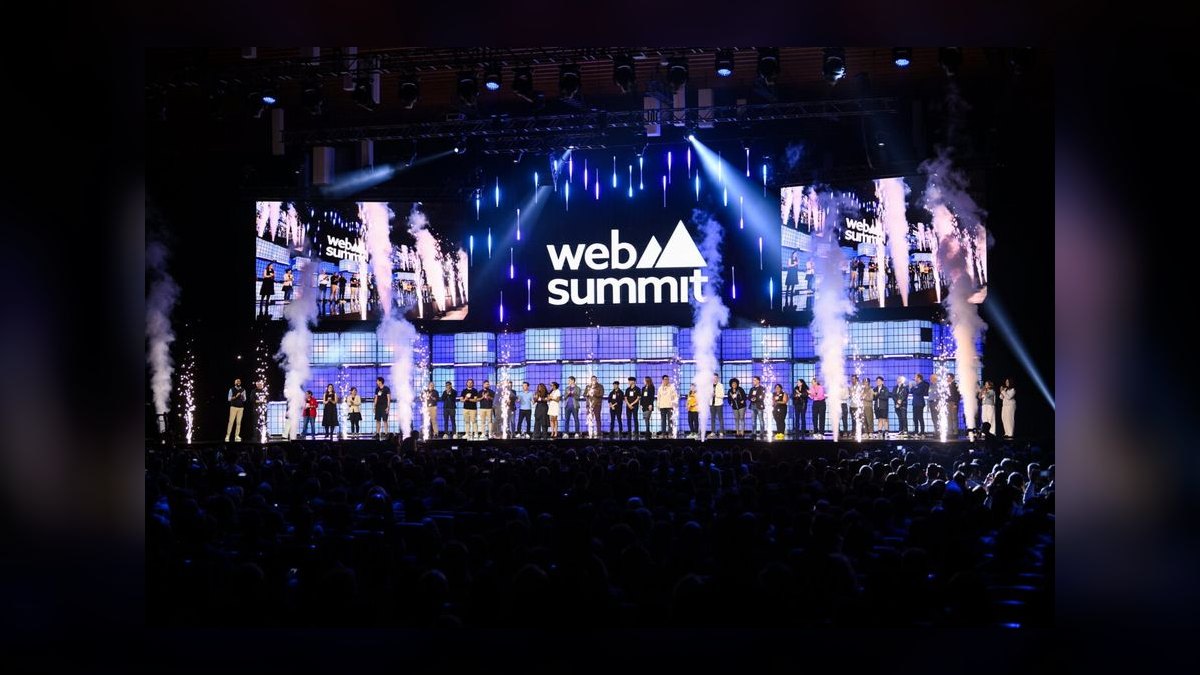
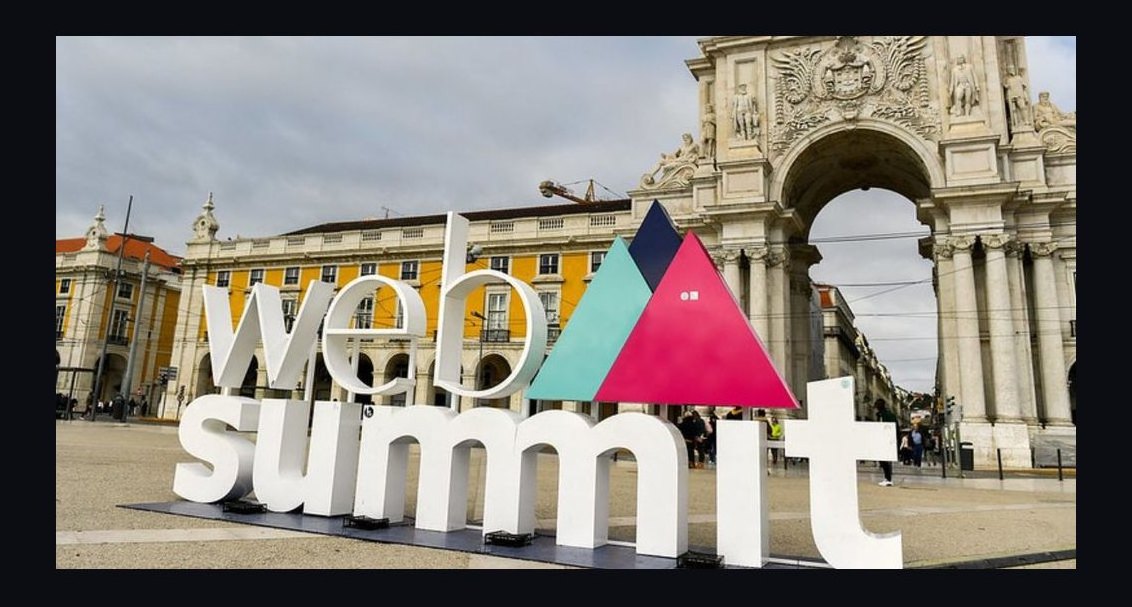
Web Summit Lisbon ranks first for unmatched ecosystem density, drawing over 70,000 attendees from 150+ countries to Lisbon each November. The scale means virtually any target investor, partner, or journalist is on site, with thousands of startups exhibiting across ALPHA, BETA, and GROWTH tiers. Attendee tickets start around €350–€500 early and climb past €900 near the event, with separate startup and investor passes. This concentration of global capital and press in one venue is why it leads the list.
Web Summit Lisbon is for founders who want maximum exposure to international investors, press, and partners in a single trip. It trades away the intimacy and high investor-to-founder density of smaller events like Slush, where meetings are easier to secure. For an early-stage founder actively fundraising, the sheer size can be overwhelming, making pre-booked matchmaking essential. It is best suited for those with a polished pitch and a clear target list of global investors.
2. Slush Helsinki

Slush Helsinki ranks second for the highest concentration of real fundraising opportunities per euro, making it the best value on this list. Held in Helsinki each November/December, it hosts roughly 13,000 attendees heavily weighted toward founders and investors. Tickets generally run €600–€1,000+, yet curated founder-investor matchmaking allows many founders to book dozens of investor meetings. This density of active capital makes it exceptional for early-stage fundraising.
Slush Helsinki is ideal for early-stage founders actively raising their first institutional rounds. It trades away the global scale and press reach of Web Summit Lisbon for a more focused, high-energy atmosphere with better investor-to-founder ratios. The event reinvests in the Nordic ecosystem and runs partly on volunteers, which keeps it founder-centric. Compared to Web Summit, expect fewer corporate partners but far more direct access to European VCs and angels.
3. TechCrunch Disrupt
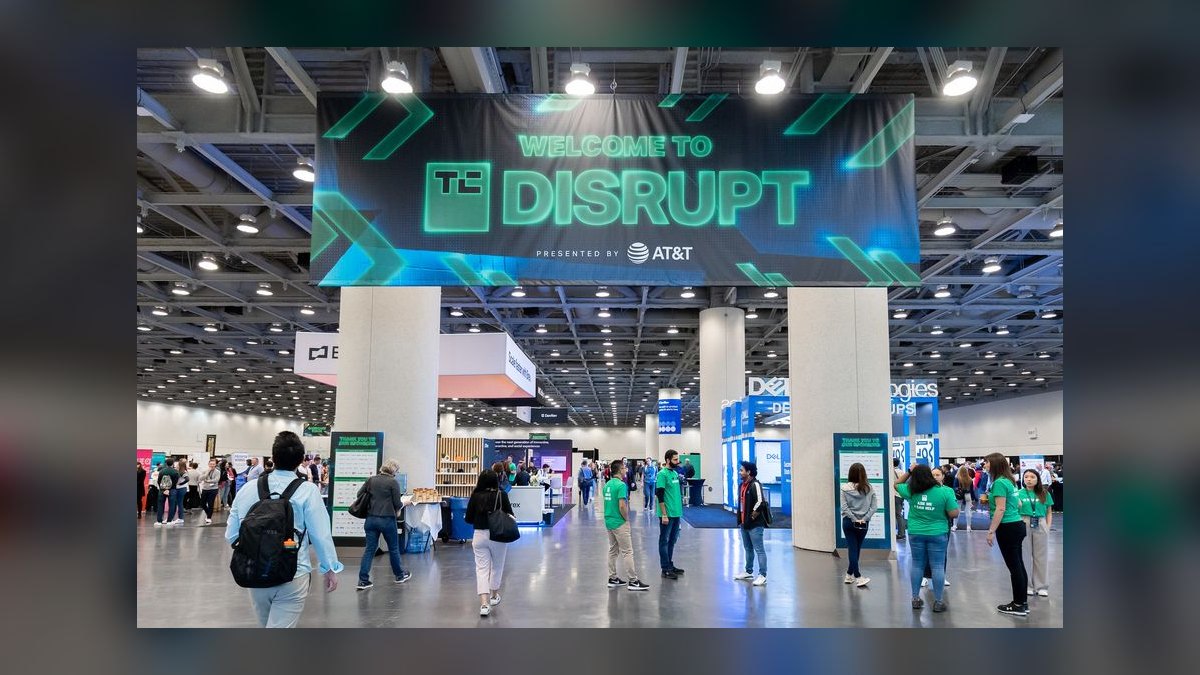
TechCrunch Disrupt ranks third for unrivaled press exposure and access to leading US investors, anchored by the iconic Startup Battlefield pitch competition. Held in San Francisco each autumn, it draws over 10,000 attendees including top-tier VCs and technology media. Passes range from founder tiers to all-access passes well over $2,000, with early-bird discounts available. Startup Battlefield and the exhibition floor are major draws for startups seeking visibility and Silicon Valley capital.
TechCrunch Disrupt is for founders targeting US venture capital and media attention, particularly those ready for a high-stakes pitch. It trades away the sheer scale of Web Summit Lisbon and the investor density of Slush Helsinki for a more concentrated US-centric network. The cost is higher relative to European events, but the potential for a Startup Battlefield win can be transformative.
4. Web Summit Vancouver
Web Summit Vancouver ranks fourth as the best large founder event in North America outside the US, held at the Vancouver Convention Centre each spring. It has drawn over 35,000 attendees with the same format of startup pavilions and investor tracks as its Lisbon sibling. Tickets generally run CA$500–$1,000+, with separate startup and investor pricing, making it more accessible than many US events. Its smaller scale compared to Lisbon makes securing meetings with investors and partners notably easier.
Web Summit Vancouver is for founders targeting Canadian and cross-border markets, offering a strong gateway to North American capital without the intensity of Silicon Valley. It trades away the global density of Web Summit Lisbon for a more manageable and regionally focused experience. Compared to TechCrunch Disrupt, it offers less US media attention but a friendlier environment for networking. It is particularly suitable for startups looking to expand into Canada or leverage the country's innovation ecosystem.
5. VivaTech Paris
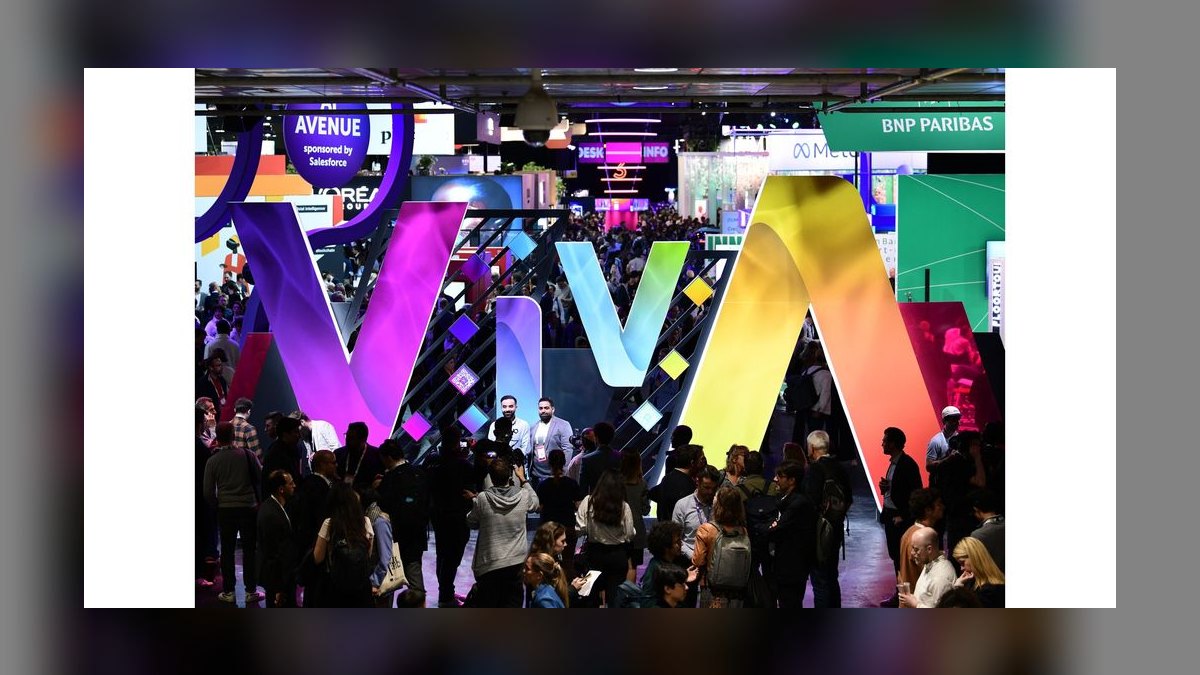
VivaTech Paris ranks fifth for combining startup energy with unmatched corporate and policy access, held at Paris Expo Porte de Versailles each June. It is Europe's flagship innovation fair, hosting over 150,000 attendees, a scale that dwarfs most other events on this list. General passes have historically ranged €100–€500+, with separate startup and business passes, making it relatively accessible for its size. Corporate pavilions from global giants make it the premier venue for enterprise partnerships.
VivaTech Paris is for founders seeking enterprise partners, corporate innovation teams, and policymakers, particularly in the European market. It trades away the investor-focused density of Slush Helsinki and the US capital access of TechCrunch Disrupt for a broader innovation ecosystem. The massive crowd can dilute direct investor interactions, so pre-booking meetings is critical. It is best for B2B startups with a product that can scale through corporate channels rather than pure venture funding.
6. SXSW Interactive
SXSW Interactive ranks sixth for its unique cross-disciplinary programming and networking breadth, taking over Austin, Texas each March. The Interactive track covers AI, startups, design, and culture, creating unusual serendipity between tech founders and creatives. A Platinum badge has historically run $1,500–$2,000+, with cheaper single-track Interactive badges available in the early window. This investment buys access to a festival atmosphere that no other startup conference matches.
SXSW Interactive is best for founders at the intersection of tech, media, and culture, such as those in entertainment, content, or consumer apps. It trades away the focused investor density of Slush Helsinki or TechCrunch Disrupt for a broader, less transactional networking experience. The cost is high and the startup-specific programming is less concentrated than dedicated conferences. It is ideal for founders seeking cultural relevance and media buzz rather than rapid-fire fundraising.
7. Startup Grind Global
Startup Grind Global ranks seventh for its global community network and accessible pricing, held in the San Francisco Bay Area at Redwood City. It connects founders, mentors, and investors from a worldwide chapter network, offering a community-driven format that emphasizes mentorship. Passes commonly run $300–$1,000+ depending on tier and timing, which is moderate for a founder-centric event. This accessibility makes it a strong entry point for founders early in their journey.
Startup Grind Global is for founders who value mentorship and chapter-based connections over massive scale, offering a more intimate setting than Web Summit Lisbon or VivaTech Paris. It trades away the high investor density of Slush Helsinki for a broader educational and community-building experience. Compared to the events above, the investor presence is less concentrated but the quality of mentorship is high. It is particularly suitable for first-time founders seeking guidance and a supportive peer network.
8. EU-Startups Summit

The EU-Startups Summit ranks eighth for affordable access to the European early-stage scene, held in Málaga, Spain in recent editions. It gathers early-stage founders, investors, and ecosystem players from across Europe in a compact, focused format. Tickets are typically €200–€500, making it one of the most affordable events on this list with real investor presence. The smaller size aids networking and makes it easy to meet a high proportion of attendees.
EU-Startups Summit is ideal for pre-seed and seed founders in the EU who are looking for a cost-effective way to meet investors and peers. It trades away the scale and global reach of Web Summit Lisbon or VivaTech Paris for a more intimate and approachable environment. Compared to Startup Grind Global, it offers a stronger focus on the European funding landscape. It is best for founders who want quality interactions without the high cost of flagship conferences.
9. SaaStr Annual
SaaStr Annual ranks ninth for SaaS-specific scaling and fundraising depth, held in the San Francisco Bay Area each September. It is the largest SaaS founder event, drawing over 10,000 attendees with content dense in go-to-market, fundraising, and scaling advice. Passes range from lower tiers to VIP/Braindate passes over $2,000, with early-bird discounts available. The Braindate peer-matching system is excellent for arranging targeted meetings with relevant operators and investors.
SaaStr Annual is for software founders who want operator-level guidance from experienced SaaS leaders, rather than general startup advice. It trades away the broad investor base of TechCrunch Disrupt for a highly specialized community of SaaS practitioners and investors. The content is practical and tactical, focusing on metrics, sales, and retention. It is best for B2B software startups that have product-market fit and are focused on scaling revenue.
10. RISE Hong Kong

RISE Hong Kong ranks tenth for access to the Asia-Pacific ecosystem, serving as Web Summit's dedicated event historically held in Hong Kong. It mirrors the Web Summit format, bringing together the region's founders, investors, and corporate partners. Tickets generally run in the several-hundred-dollar range early, rising near the event, making it a moderate investment. It is the strongest gateway to Asian capital and partners within the Web Summit family.
RISE Hong Kong is for founders targeting Asian markets and investors, offering a crucial entry point into a dynamic but complex ecosystem. It trades away the global density of Web Summit Lisbon for regional specialization and a more focused network. Compared to the US-centric events like TechCrunch Disrupt, it provides essential local connections and market insights. It is best for startups with a clear Asia-Pacific expansion strategy or those seeking investment from Asian funds.
How we ranked these
This ranking measured four weighted factors: investor access (density of active VCs plus matchmaking tooling), founder programming (dedicated tracks, pitch competitions, mentorship), scale (attendee count and global reach), and value (ticket price relative to networking and learning quality). Investor access carried the most weight because fundraising outcomes are the primary reason founders buy tickets, followed by programming and value, with raw scale weighted last since crowd size alone rarely converts into meetings or checks.
Deliberately ignored were venue aesthetics, party reputation, and speaker celebrity, none of which correlate reliably with fundraising outcomes. Also excluded were one-off or unverified events, conferences with opaque pricing, and gatherings lacking verifiable attendance data. The focus stayed on recurring, well-documented events with published ticket tiers and attendee breakdowns, so every pick can be checked against public information rather than marketing claims.
What to look for
What actually matters when choosing between these is the ratio of active investors to founders, not total attendance. Slush and TechCrunch Disrupt concentrate capital; VivaTech and Web Summit offer scale plus corporate access. Match the event to your stage: pre-seed founders get more from EU-Startups Summit or Startup Grind, while Series A teams chasing US press should weigh Disrupt's Startup Battlefield against its higher pass prices.
The mistake most buyers make is purchasing a ticket first and planning meetings later. At large events like Web Summit, investor calendars fill weeks ahead, so without pre-booked matchmaking you pay flagship prices for hallway luck. The second common error is ignoring startup and founder pass tiers, which often cost far less than general admission while including exhibition space and pitch eligibility.
Related questions
What are the best cybersecurity conferences for founders in 2027?
RSA Conference, Black Hat, and BSides anchor the security calendar. RSA delivers broad enterprise exposure and a large expo floor, Black Hat offers deep technical credibility, and BSides provides a community-driven, budget-friendly alternative. Founders selling security products should prioritize events where their target buyers and security-focused investors actually attend, then book briefings well before the show opens.
What are the top business and leadership conferences in 2027?
The World Economic Forum in Davos, the Milken Institute Global Conference, and the Forbes Global CEO Conference lead this category. They emphasize macroeconomic trends, policy, and executive relationships rather than pitching. Expect high ticket prices and, in some cases, invitation-only access. They suit founders chasing strategic partnerships or enterprise credibility more than early-stage fundraising.
Which SaaS and B2B software conferences are best for founders?
SaaStr Annual is the flagship, with dense go-to-market and scaling content plus strong investor attendance. SaaStock in Europe and smaller regional SaaS events complement it well. These gatherings focus on metrics, sales, retention, and fundraising, and they attract operators who have already scaled software businesses, making peer learning unusually practical for B2B founders.
What are the best developer and software engineering conferences?
AWS re:Invent, Google I/O, and Microsoft Build deliver platform-specific depth and training. For engineering culture and architecture, QCon and Strange Loop-style events are strong. Founders attend these to recruit senior engineers, track technology shifts, and meet potential technical co-founders. Budget for travel early, since platform events sell out and nearby hotels spike in price.
What are the leading AI conferences to attend in 2027?
NeurIPS, ICML, and CVPR remain the research anchors, while the AI Summit and World Summit AI target applied business audiences. Research conferences help founders recruit talent and track frontier methods; business events help them meet enterprise buyers and AI-focused investors. Choose based on whether your priority is technical credibility or commercial pipeline.
What are the best sales conferences for startup founders?
Sales 3.0, OutBound, and the Sales Development Conference focus on modern prospecting, pipeline management, and closing. They are valuable when you are building your first repeatable sales process or hiring reps. Expect tactical workshops and a strong practitioner community. Founders often leave with playbooks they can test the following week rather than abstract strategy.
How do I choose between a huge conference and a small pitch event?
Pick based on your goal. Huge events like Web Summit maximize exposure across investors, press, and partners, but meetings are hard to secure without advance matchmaking. Small pitch events offer easier access and faster feedback, yet narrower reach. Many founders do both: a small event to sharpen the pitch, a flagship to scale introductions.
Do pitch competitions actually lead to funding?
Sometimes, but the bigger value is often the preparation and visibility. Winning TechCrunch Disrupt's Startup Battlefield has launched notable companies, and even placing well generates press and investor inbound. Treat competitions as a forcing function for a tight narrative, then follow up with every judge, mentor, and attendee you meet within a week.
FAQ
Are these conferences worth the ticket price for early-stage founders?
Often yes, because networking and learning can justify the cost, especially at events with dedicated founder programs like Slush or Web Summit. Tickets range from free demo days to roughly €1,000 for flagship passes. Check early-bird pricing and startup tiers before paying full general admission rates.
How do I get the most out of a pitch competition as a first-time founder?
Lead with a clear problem and solution, and rehearse to strict time limits, often three to five minutes. Arrive early to meet judges and other founders, and follow up with every contact within a week. Treat the pitch as the start of a relationship, not a one-off performance.
Can I attend these events without a startup or a ticket to pitch?
Yes. Most conferences sell general attendee passes that include the exhibition floor, talks, and networking. You do not need to be pitching to meet investors, partners, and other founders. Many attendees book meetings through the event app without ever stepping on stage.
What's the typical investor-to-founder ratio at these top events?
It varies widely. Events like Slush and Web Summit often report roughly one investor for every three to five founders in certain areas. Smaller, niche conferences can have even higher investor density. Check each event's published attendee breakdown before buying, since ratios shift year to year.
Are there any free or low-cost alternatives for founders on a tight budget?
Yes. Many cities host free or cheap demo days, local meetups, and online pitch events that build skills and contacts. Larger conferences sometimes offer volunteer, scholarship, or community passes. Apply early, because these options are limited and often announced months before the event.
How far in advance should I register for these conferences?
For major events like Web Summit or Slush, register three to six months ahead to capture early-bird discounts, often thirty to fifty percent off. Smaller events usually accept registrations a month or two out. Popular pitch competitions fill quickly, so apply as soon as applications open.
What is the best startup conference for raising seed funding?
Slush is frequently cited as the strongest for seed-stage fundraising because of its investor density and curated matchmaking. TechCrunch Disrupt offers visibility through Startup Battlefield. For European founders, the EU-Startups Summit provides affordable access to active seed investors in a compact format.
How can I get a startup pass or discount for these events?
Most events publish discounted startup or founder passes for early-stage companies. Look for those ticket categories on the official site. Applying to exhibit in a startup pavilion often bundles passes and visibility, which can work out cheaper than buying general admission plus exhibition space separately.
What should I prepare before attending a large conference like Web Summit?
Pre-book meetings through the event's matchmaking app, refresh your pitch deck and one-pager, and set a target number of investor conversations. Research attending investors and build a shortlist. Plan logistics early to control costs and protect time for spontaneous networking, which is where many deals begin.
Are there any regional startup conferences in Asia or Latin America?
Yes. RISE in Hong Kong anchors the Asia-Pacific circuit. In Latin America, Startup Summit in Brazil and INCmty in Mexico are growing quickly. These events offer regional investor access and market insight that global flagships cannot match, making them valuable for founders targeting those specific ecosystems.
Sources
- https://websummit.com/
- https://www.slush.org/
- https://techcrunch.com/events/
- https://vancouver.websummit.com/
- https://vivatechnology.com/
- https://www.sxsw.com/
- https://www.startupgrind.com/
- https://www.eu-startups.com/
- https://www.saastrannual.com/
Related on PULSE
This page will be disappearing soon. Save it to your device for $1 — or read it free while it is here.
@Kory-White- · if Venmo asks, the last 4 of my number are 2012
This page is gone.
This one is off the shelf now. $1 keeps it on your phone for good — the whole page, pictures and diagrams included.
 eventsThe 10 Best Marketing Conferences to Attend in 2027
 eventsThe 10 Best Whiskey, Bourbon, and Spirits Festivals in the United States in 2027
 eventsThe 10 Best New Year's Eve Celebrations Around the World in 2027
 eventsThe 10 Best Music Festivals in Europe in 2027
 eventsThe 10 Best Food Festivals in Asia in 2027
 eventsThe 10 Best Half Marathons in the World (2027)
 eventsThe 10 Best Tech Conferences to Attend in 2027
 eventsThe 10 Best Cybersecurity Conferences to Attend in 2027
 eventsThe 10 Best Country Music Festivals in 2027
 eventsThe 10 Best Barbecue and Grilling Festivals in the United States in 2027