
Should I open or buy a Popeyes franchise or open an independent sandwich shop in 2027?
 Curated by Kory White · Fractional CRO · Maryland
 PULSEKNOWLEDGE LIBRARY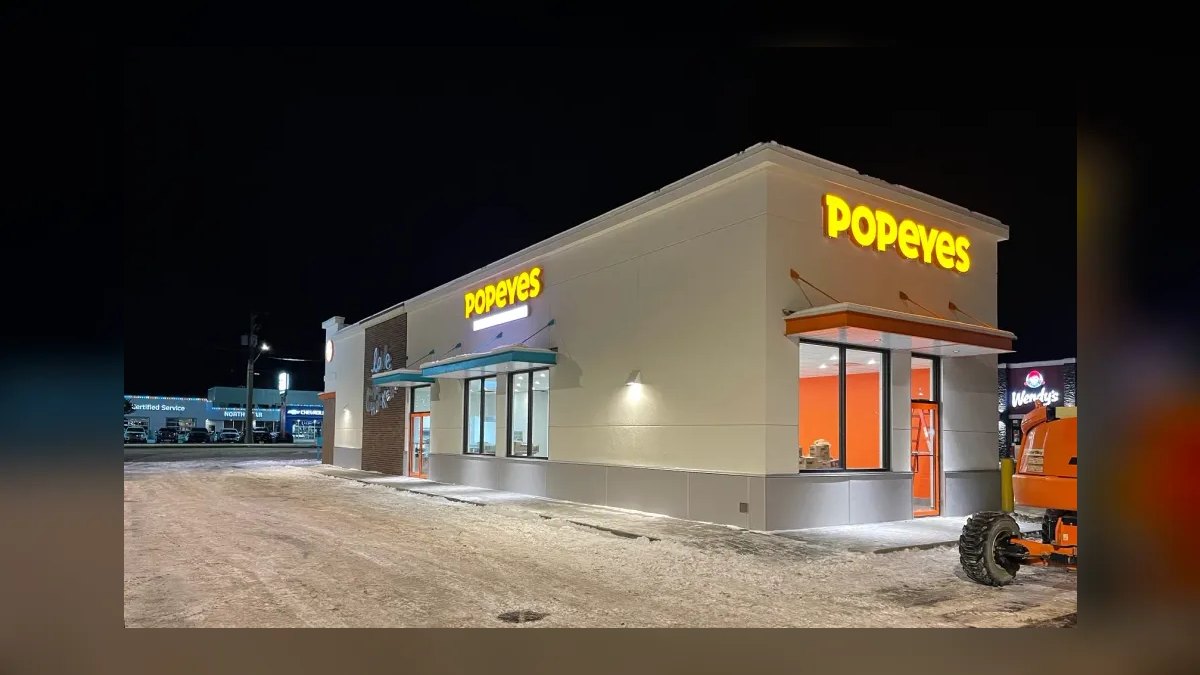
For most first-time operators in 2027, a Popeyes franchise is the lower-risk path: you pay a real premium in fees and royalties, but you inherit a tested menu, supply chain, and marketing engine. An independent sandwich shop costs less to open and gives you full control, but every dollar of brand-building, recipe work, and local marketing is now your job alone.
The outcome you should expect
Choosing between a Popeyes franchise and an independent sandwich shop is really a choice between buying predictability and buying upside. With a Popeyes franchise, you are licensing a system: a fixed menu built around bone-in and boneless chicken, biscuits, and a small number of sides, a supply chain run through an approved distributor network, a marketing fund that pays for national and regional advertising, and a build-out spec that tells you almost exactly what the kitchen, drive-thru, and dining room need to look like. That predictability shows up in the numbers: brand-name quick-service chicken concepts in Popeyes' tier typically carry total investment ranges in the low seven figures once you account for real estate, construction, equipment, initial inventory, and working capital, plus an upfront franchise fee that is usually in the tens of thousands of dollars per unit. In exchange, you get customer traffic from day one, because people already know the brand and already crave the product before you open your doors.
An independent sandwich shop flips that trade. You are not paying a franchise fee or an ongoing royalty (commonly 4-6% of gross sales in the chicken and sandwich QSR space) or an ad fund contribution (often another 2-4%), so more of every sales dollar stays in the business in year one. But you also are not borrowing anyone else's brand equity, recipes, vendor pricing, or training systems. You will spend real time and money building a menu people want, sourcing bread, proteins, and produce at a price that lets you hit food-cost targets without a corporate purchasing department negotiating on your behalf, and creating local awareness one customer, one review, and one social post at a time. The realistic outcome is a slower ramp to breakeven, offset by higher margin per transaction and complete control over concept, pricing, and menu changes.
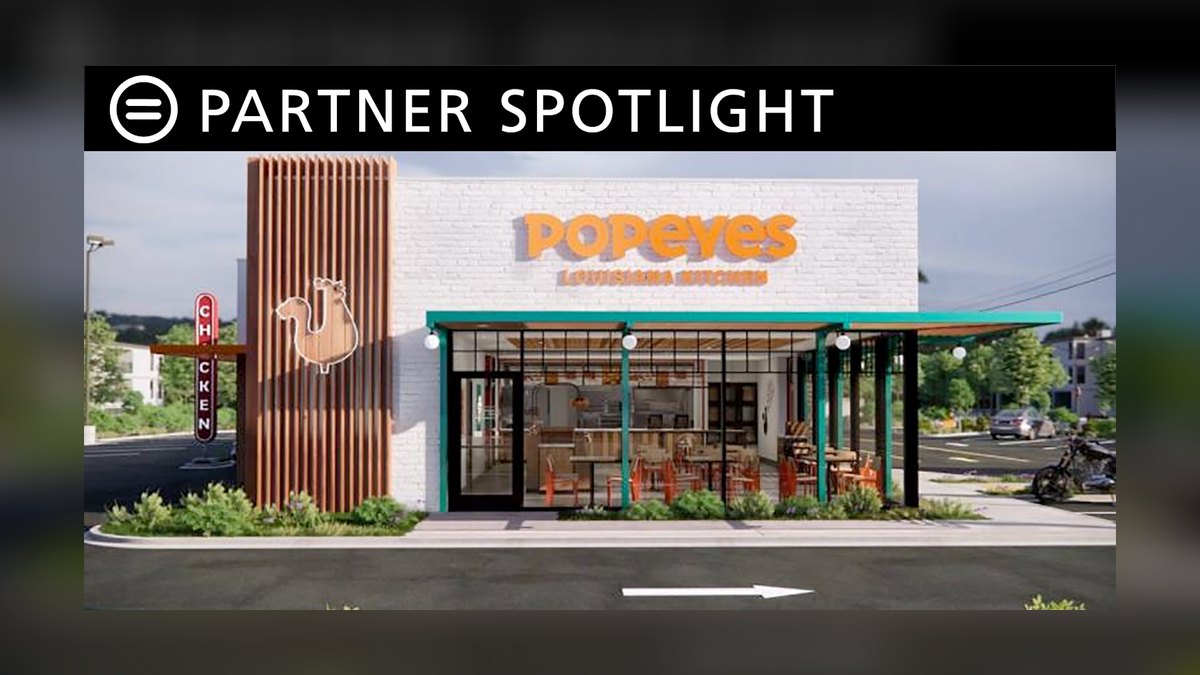
The honest answer to "which wins" is that a Popeyes franchise is the better outcome if you want a proven, financeable, semi-passive-leaning operation and you are comfortable following someone else's playbook and paying for that certainty. An independent sandwich shop is the better outcome if you have real food-service experience, a genuinely differentiated concept, and the patience to build a brand from zero, and you value keeping 100% of the decision-making and the long-term equity story.
What drives that outcome (mermaid)
Three forces decide which path actually performs better for a given operator: capital structure, operator skill set, and local market saturation.
Capital structure matters because a franchise agreement converts a chunk of your upfront and ongoing cash flow into fixed and semi-fixed obligations — franchise fee, royalty percentage, ad fund percentage, required remodel cycles — in exchange for a system that reduces the odds of a slow or failed launch. An independent shop has no royalty line, but it also has no lender-friendly brand name backing the loan application, so independent operators frequently face higher effective borrowing costs or need more owner equity to qualify for the same loan size.

Operator skill set matters because franchise systems are built to work with operators who have general small-business management skills but not necessarily deep culinary or menu-development experience — Popeyes tells you what to cook and largely how to cook it. An independent sandwich shop rewards operators who already understand food cost percentage, supplier negotiation, local marketing, and menu engineering, because there is no franchisor field consultant coming in to fix a broken opening.
Local market saturation matters because Popeyes, like most national QSR brands, protects territory to some degree but is still expanding aggressively in many regions, meaning a new franchisee can end up competing against an existing Popeyes a few miles away or against strong regional chicken competitors. An independent sandwich concept is not fighting brand-name competitors, but it also is not benefiting from a category the way a chicken craving does — sandwich shops compete against a much wider set of grab-and-go options, from other delis to grocery store prepared foods.
Benchmarks and realistic ranges
Use these as planning ranges, not guarantees — always confirm current figures in the Popeyes Franchise Disclosure Document (FDD) before committing capital, since exact fees and investment ranges are updated by the franchisor and vary by market, footprint, and whether you are building new or converting an existing restaurant.
For the Popeyes franchise route, plan on an initial franchise fee in the tens of thousands of dollars per restaurant, a total investment that commonly lands in the high six figures to low seven figures once land or lease costs, construction, kitchen equipment, signage, initial inventory, and opening working capital are included, an ongoing royalty in the mid-single-digit percentage of gross sales, and a separate marketing/ad fund contribution in the low-single-digit percentage range. Multi-unit deals often carry a reduced or waived franchise fee on units beyond the first, which is one reason experienced operators who already run other QSR brands frequently add a Popeyes to an existing portfolio rather than opening it as a first restaurant.
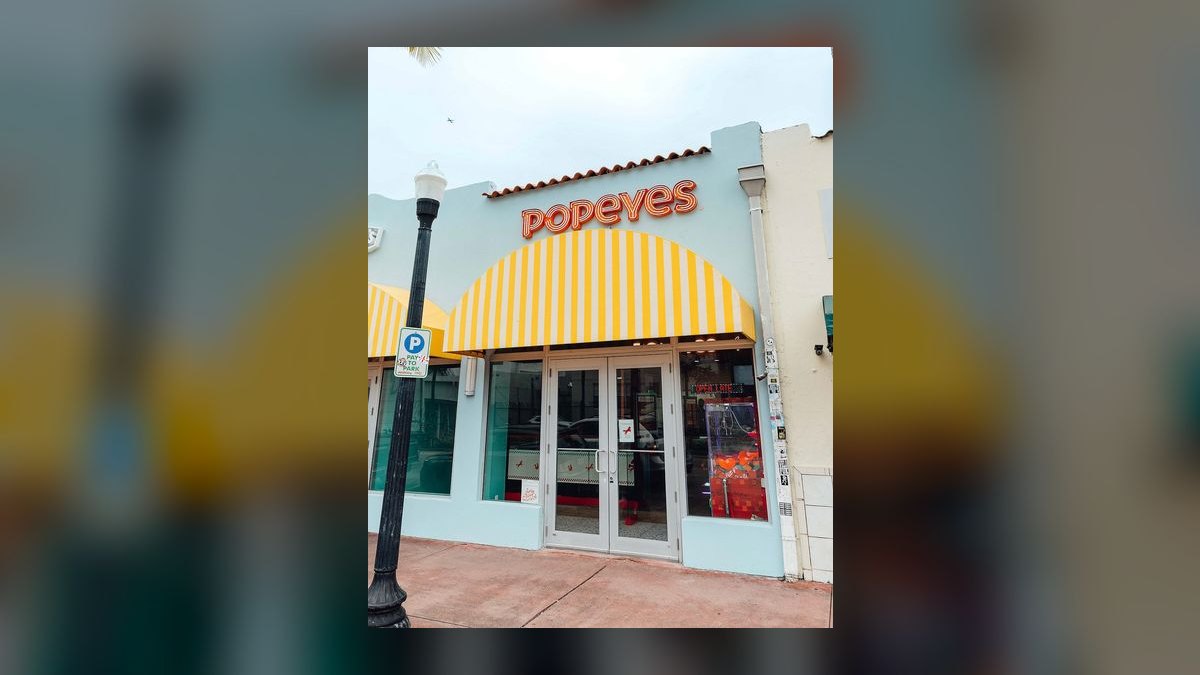
For the independent sandwich shop route, the range is far wider because there is no standardized build-out. A small counter-service sandwich shop in a modest-cost market can realistically open for a low-to-mid six-figure total investment if you find a second-generation restaurant space with usable kitchen infrastructure already in place, versus a much higher figure for ground-up construction or a high-cost real estate market. Target food cost percentage for a sandwich concept typically runs in the high-20s to mid-30s percent of sales depending on protein choices and portion control, and labor cost percentage commonly lands in a comparable range, meaning prime cost (food plus labor combined) needs disciplined management to stay in a healthy zone relative to sales. Time to breakeven is typically longer for an independent concept than for a recognized franchise in the same footprint, because you are building customer awareness from zero instead of borrowing an existing customer base.
On unit economics, a Popeyes franchise benefits from chicken being a high-frequency, high-craveability category with strong drive-thru and delivery attach rates, while a sandwich shop's average ticket is often lower but can be offset by higher transaction frequency in lunch-heavy office or urban locations. Neither format is inherently more profitable — the deciding factor is almost always execution: whether the operator hits food and labor cost targets, controls waste, and drives repeat visits.

Working capital reserves deserve their own line item in either plan. Beyond the build-out and opening inventory, set aside enough cash to cover at least three to six months of rent, payroll, and utilities at below-target sales, because both a new franchise and a new independent concept typically ramp gradually rather than opening at stabilized volume. Franchisees sometimes assume the brand's marketing pull means they can skip this reserve; independent owners sometimes assume a smaller build-out means they need less reserve. Both assumptions are common causes of a cash crunch in month three or four, well before the location has had time to build a repeat customer base. A conservative rule many restaurant consultants use is to budget opening working capital equal to at least 10-15% of total project cost, on top of build-out and initial inventory, specifically to survive the ramp period without emergency borrowing.
Staffing cost benchmarks also differ in structure even when the percentages look similar on paper. A Popeyes franchise typically runs a drive-thru-heavy staffing model with a small core team working extended shifts across lunch and dinner peaks, and the franchisor's operations manual will specify minimum staffing levels for each daypart based on projected transaction counts. An independent sandwich shop has to build that staffing model from scratch, using its own sales-per-labor-hour targets, and new owners frequently overstaff the opening weeks out of caution, which quietly erodes the margin advantage of not paying a royalty. Tracking labor as a percentage of sales weekly, not monthly, catches this drift early enough to correct it before it compounds.
Risks, edge cases, and failure modes
The single biggest risk on the Popeyes franchise side is underestimating total investment and running out of working capital before the location reaches stabilized sales, which typically takes months rather than weeks. A second major risk is territory: buying into a market that already has strong Popeyes or chicken-QSR density can suppress unit volume well below the range you modeled from franchisor-provided averages, so always validate local competitive density independently rather than relying only on system-wide averages. A third risk is treating the franchise fee and build-out as the full cost — many new franchisees underfund the opening marketing period and the first few months of negative or thin cash flow, which is exactly when undercapitalized operators get forced into high-cost short-term financing.

On the independent sandwich shop side, the biggest failure mode is opening without a genuinely differentiated concept or a real cost-control discipline, because an undifferentiated sandwich shop is competing against national brands, other independents, and grocery prepared foods simultaneously with none of the brand recognition that drives walk-in trial. A second risk is menu drift — independent owners without a franchisor's menu discipline often keep adding items to chase every customer request, which inflates inventory complexity, food waste, and ticket times without meaningfully growing sales. A third risk is founder dependency: if the shop's quality and speed depend on the owner being on-site every shift, the business cannot scale past one location and is fragile if the owner is unavailable.
An edge case worth naming directly: buying an existing independent sandwich shop (an acquisition) is a meaningfully different decision than building either concept from scratch, because you are underwriting existing sales history, lease terms, and equipment condition rather than a pro forma. Similarly, buying an existing Popeyes franchise resale from another franchisee is different from a new-build franchise, because you inherit the location's real sales history and can request real trailing financials, which materially reduces the guesswork versus a ground-up build in either format.

Across both paths, the failure modes that show up most often in casual, underfunded launches are the same: undercapitalization relative to actual build-out and ramp costs, picking a location based on rent price rather than traffic and demographics, and skipping a real, honest review of the numbers with an accountant or franchise attorney before signing a lease or an FDD.
There's also a legal and contractual risk that's easy to underweight when you're excited to open. A Popeyes franchise agreement is a long-term contract, often ten years or more, with renewal terms, transfer restrictions, and a non-compete clause that limits what you can operate nearby or after the agreement ends — read those clauses closely, because they constrain your exit options years down the road, not just your day-to-day operations. An independent sandwich shop has no such franchisor contract, but the lease itself becomes the equivalent long-term commitment, and independent owners sometimes sign leases with personal guarantees and percentage-rent clauses without fully modeling how those terms behave if sales come in below projection. In both cases, have a franchise attorney or commercial real estate attorney review the agreement before signing, not after you've already made a verbal commitment to a landlord or franchisor.
Finally, consider the exit. A Popeyes franchise location, if it hits system-average or better volume, is generally easier to sell later because a buyer can underwrite it against known brand performance and the franchisor typically has a transfer process already in place. An independent sandwich shop's resale value depends almost entirely on the specific concept's reputation, lease assignability, and trailing financials, with no brand-level comparable to lean on — which can mean a longer sale process and more negotiation over price when it's time to move on.
A practical rollout plan (mermaid)
Whichever path you choose, run the same disciplined sequence rather than skipping steps because you are excited to open.

First, get your numbers on paper before touching a lease. For the franchise route, request and read the full FDD, specifically Items 5 through 7 (fees and estimated initial investment) and Item 19 (financial performance representations, if the franchisor provides one), and call at least three to five existing franchisees from the Item 20 list to ask about real unit volume, real costs, and how accurate the franchisor's estimates turned out to be in practice. For the independent route, build your own pro forma from supplier quotes, a realistic labor model, and comparable sales data from similar-sized independent concepts in your market, and stress-test it at a lower-than-expected sales scenario, not just your optimistic case.
Second, lock financing before you lock a location. Franchise concepts are generally easier to finance because lenders have underwriting history on the brand; independent concepts usually need a stronger personal financial statement, more owner equity, and sometimes SBA 7(a) financing to get comparable terms. Either way, secure a financing commitment before you sign a lease, not after.
Third, select the site with the same criteria in both cases: traffic count, visibility, ease of ingress and egress for drive-thru or walk-up, competitive density, and labor market access for hourly staffing. A franchise brand's site-approval team will validate this for you as part of the process; an independent owner needs to do this analysis themselves or hire a commercial real estate broker who specializes in restaurant sites.
Fourth, build to spec and staff before opening day. Franchise concepts come with a training program and opening support team; independent concepts require you to write your own training materials, standard operating procedures, and recipe cards, and to run a soft-open period to shake out kitchen and service issues before a full public launch.
Fifth, market the opening deliberately. A Popeyes franchise benefits from national brand awareness plus a local grand-opening push funded partly by the ad fund; an independent sandwich shop needs a grassroots local marketing plan — local media, social content, loyalty offers, and community partnerships — sustained for months, not just an opening week.
Related questions
How much does it cost to open a Popeyes franchise in 2027?
Expect a franchise fee in the tens of thousands of dollars plus total investment that commonly lands in the high six figures to low seven figures depending on real estate and build type. Confirm exact current figures in the FDD.
Is an independent sandwich shop more profitable than a franchise?
It can be, because there's no royalty or ad fund cut, but it depends entirely on whether the owner hits food and labor cost targets without a franchisor's playbook to lean on.
Do I need restaurant experience to run a Popeyes franchise?
Not necessarily deep culinary experience, since the menu and processes are standardized, but strong operations and people-management skills are still required to run a high-volume QSR location well.
What's the biggest financial risk in either option?
Undercapitalization — underestimating total investment and the months of thin or negative cash flow before the location stabilizes, in both a franchise and an independent build.
Can I finance an independent sandwich shop the same way as a franchise?
Financing is possible through SBA loans and conventional lenders, but independent concepts usually need stronger owner equity and financials since lenders don't have brand-level performance history to lean on.
FAQ
Should I open or buy a Popeyes franchise or open an independent sandwich shop in 2027? Choose the Popeyes franchise if you want a proven system, faster customer traction, and are comfortable with ongoing royalty and ad fund payments. Choose an independent sandwich shop if you have food-service expertise, a differentiated concept, and want full control and full margin retention, and can tolerate a slower ramp to profitability.
What's the typical royalty and ad fund structure for a Popeyes franchise? Franchise systems in this segment commonly charge an ongoing royalty in the mid-single-digit percentage of gross sales plus a separate ad fund contribution in the low-single-digit percentage range, though exact current figures should always be confirmed in the FDD before signing.
How long does it take an independent sandwich shop to become profitable? It varies widely by market and concept, but independent food-service businesses generally take longer to reach stabilized, profitable sales than a recognized franchise in a comparable location, because brand awareness has to be built from scratch rather than inherited.
Is buying an existing Popeyes franchise resale a better option than building new? A resale gives you real trailing sales and cost history to underwrite, which reduces guesswork compared to a ground-up build, but you should still verify lease terms, equipment condition, and why the current owner is selling.
What menu and supply-chain control do I give up in a Popeyes franchise? You operate within an approved menu, an approved supplier and distributor network, and required recipes and preparation standards — you generally cannot substitute proteins, change core recipes, or source outside the approved supply chain.
Can I run both a franchise and an independent concept as a portfolio? Yes — many multi-unit operators run a Popeyes franchise alongside other franchised or independent concepts to diversify revenue and balance a proven system against a higher-control, higher-upside independent location.
Sources
- https://www.ftc.gov/business-guidance/resources/franchise-rule-compliance-guide
- https://www.franchise.org
- https://www.sba.gov/business-guide/plan-your-business/franchise-businesses
- https://www.entrepreneur.com/franchises/franchise500
- https://www.restaurantbusinessonline.com
- https://www.score.org/resource/business-planning
- https://www.irs.gov/businesses/small-businesses-self-employed
- https://www.popeyes.com
Related on PULSE
- Franchise vs. independent restaurant: how to compare real total investment, not just headline fees
- How to read a Franchise Disclosure Document before you sign
- Food cost and labor cost benchmarks for quick-service restaurants
- SBA loan options for first-time restaurant owners
- How multi-unit franchise operators evaluate adding a new brand to their portfolio
- Site selection criteria that matter more than rent price
 franchiseShould I open or buy a Sonic Drive-In franchise or open an independent sandwich shop in 2027?
 franchiseShould I open or buy a Bojangles franchise or open an independent sandwich shop in 2027?
 franchiseShould I open or buy an Arby's franchise or open an independent sandwich shop in 2027?
 franchiseShould I open or buy a Zaxby's franchise or open an independent sandwich shop in 2027?
 franchiseShould I open or buy a Dairy Queen franchise or open an independent sandwich shop in 2027?
 franchiseShould I open or buy a Chick-fil-A franchise or open an independent sandwich shop in 2027?
 franchiseShould I open or buy a Raising Cane’s franchise or open an independent sandwich shop in 2027?
 franchiseShould I open or buy a Church’s Chicken franchise or open an independent sandwich shop in 2027?
 franchiseShould I open or buy a KFC franchise or open an independent sandwich shop in 2027?
 franchiseShould I open or buy a Wendy's franchise or open an independent sandwich shop in 2027?