
Should I open or buy a Church’s Chicken franchise or open an independent sandwich shop in 2027?
 Curated by Kory White · Fractional CRO · Maryland
 PULSEKNOWLEDGE LIBRARY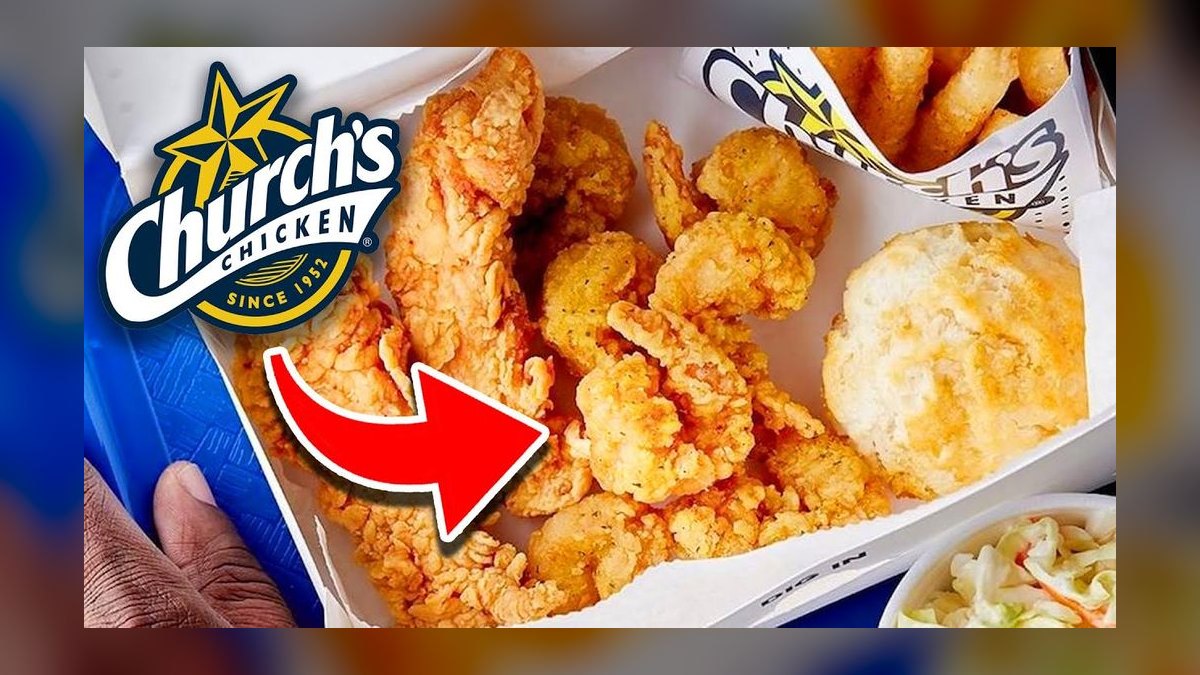
Buy the Church's Chicken franchise if you want a proven fried-chicken system, national brand recall, and a playbook you can execute with a first-time operator's skill set; open an independent sandwich shop if you want lower entry costs, full menu and pricing control, and are willing to build your own local brand from zero. In 2027, franchised fried chicken generally wins on speed-to-revenue; independent sandwiches win on margin flexibility and exit control.
The outcome you should expect
Choosing between a Church's Chicken franchise and an independent sandwich shop is really a choice between two different businesses with two different risk curves, and you should expect the outcomes to diverge sharply within the first 18-24 months. With the Church's Chicken franchise, you're buying a chicken-focused quick-service system: fryers, breading procedures, marinade specs, a defined menu, national or regional advertising, supplier contracts, and a support structure that has already worked out the operational kinks of running a fried-chicken restaurant at volume. Expect a faster ramp to break-even revenue because customers already recognize the name and know roughly what they're getting when they walk in. Typical franchised QSR chicken locations reach stabilized weekly sales somewhere in the range of $15,000 to $30,000 depending on trade area, drive-thru configuration, and local competition, with unit economics that lean heavily on labor efficiency and food cost control on chicken, oil, and breading inputs.
An independent sandwich shop is a different animal entirely. You are not renting brand equity — you are building it, sandwich by sandwich, review by review, for the first one to three years. Expect a slower ramp: most independent food-service operators report it takes 12 to 18 months of consistent local marketing, word-of-mouth, and menu refinement before revenue stabilizes. The upside is that once it does stabilize, you keep 100% of the brand value you built, you set every price without a franchisor's suggested retail guidance, and you can pivot the menu overnight if a supplier's costs spike or a trend shifts customer taste. The downside is that "independent" also means you absorb 100% of the risk that the concept simply doesn't resonate in your trade area — there is no national ad fund driving traffic to your door while you figure out your identity.
In practice, if you are optimizing for the fastest, most predictable path to a functioning, cash-flowing business and you're comfortable operating inside someone else's rules, the franchise route usually gets you there faster. If you are optimizing for long-term equity you fully own, creative control over a sandwich-specific menu, and you have the patience and marketing skill to build a local following from scratch, the independent shop is the better fit — but you should mentally budget an extra year of thinner margins before you expect it to look like a "real" business.
What drives that outcome (mermaid)
Three forces determine which path performs better for you specifically: capital structure, operational complexity, and local market saturation.
Capital structure matters because a Church's Chicken franchise requires you to pay for the system itself — a franchise fee, ongoing royalties (commonly in the mid-single-digit percentage of gross sales), and a brand or advertising fund contribution on top of build-out costs. An independent sandwich shop skips those recurring franchise payments entirely, which can be the difference between profitability and a break-even quarter when sales dip in a slow month. But the franchise fee also buys you negotiated supplier pricing on chicken, oil, and packaging that an independent operator has to negotiate alone, often at worse terms until volume justifies better rates.
Operational complexity is the second driver. Fried chicken is a harder kitchen to run than most sandwich concepts: you're managing fryer oil quality, marinade timing, breading consistency, and a perishable protein with tighter food-safety tolerances. A sandwich shop's back-of-house is comparatively simple — slicers, a flat-top or panini press, cold-holding for deli meats and produce — which means lower training time per employee and faster onboarding when you have turnover, a real factor in an industry with high hourly-staff churn.
The third driver, local market saturation, is the one most first-time operators underweight. If your trade area already has multiple chicken QSR options — Popeyes, Raising Cane's, KFC, or another Church's Chicken location — you're fighting for share of a category that's already spoken for, and a franchise's brand recognition may not be enough to overcome a saturated fried-chicken map. Conversely, if your trade area is underserved for a specific type of sandwich shop, an independent concept can occupy a niche with zero direct competition, which is a stronger lever on revenue than brand recognition alone.
Benchmarks and realistic ranges
Get comfortable with real numbers before you sign anything, because the gap between the two models is largest at the capital-requirement stage. Franchise disclosure documents for chicken-focused QSR concepts like Church's Chicken typically show a total initial investment range spanning roughly $500,000 to $2 million depending on whether you're building a freestanding unit with a drive-thru or converting an existing space, with a franchise fee commonly in the $20,000-$30,000 band and an ongoing royalty in the mid-single digits of gross sales plus a separate advertising fund contribution of a few percentage points more. Always pull the current Item 7 and Item 19 (if the franchisor discloses one) from the Franchise Disclosure Document rather than relying on secondhand figures, since these numbers move year to year with construction and equipment costs.
An independent sandwich shop, by comparison, can often be opened for a fraction of that — commonly in the $100,000 to $350,000 range for a small-format lease-based location with modest kitchen build-out, though costs climb quickly if you need a full commercial hood system, grease trap installation, or extensive ADA/accessibility retrofits in an older space. The absence of a franchise fee and royalty is the single biggest structural cost advantage independents have; on $600,000 in annual sales, a 5% royalty plus 3% ad fund is $48,000 a year leaving the business permanently, money an independent owner keeps.
On margins, quick-service fried chicken concepts typically run food cost in the high-20s to mid-30s percent of sales due to oil, chicken, and breading waste, with labor cost in a similar band depending on local minimum wage and staffing model. Sandwich shops often run slightly better food-cost percentages — commonly high-20s to low-30s — because deli meat, bread, and produce have less fryer-related shrinkage and waste, though this varies enormously by whether you're running a premium ingredient program or a value-priced menu.
Time-to-break-even is another benchmark worth anchoring on. Franchise chicken locations with strong site selection and a functioning drive-thru often reach operating break-even within the first 6 to 12 months because brand recognition compresses the customer-acquisition curve. Independent sandwich shops more commonly take 12 to 24 months to hit the same milestone, since every dollar of awareness has to be earned through local marketing, catering relationships, delivery-app visibility, and repeat-customer loyalty built one visit at a time.
Risks, edge cases, and failure modes
The single biggest risk on the franchise side is being locked into a system you can't modify when local conditions change. If your Church's Chicken franchise territory sees a new competitor open across the street, you cannot simply pivot the menu, drop prices below the franchisor's suggested range, or rebrand — you operate inside the franchise agreement's constraints, and breaching them can trigger default and termination clauses that put your entire investment at risk. A second franchise-specific risk is territory and unit-density disputes: if the franchisor approves a nearby location that cannibalizes your trade area, your recourse depends entirely on the protected-territory language in your franchise agreement, which varies by system and by the specific agreement you sign — read it line by line before committing capital.

On the independent side, the biggest risk is simply obscurity: opening a sandwich shop with no brand recognition means your marketing budget and your personal hustle are the only things driving traffic in year one, and if either falls short, revenue can stay below break-even far longer than a franchise operator would tolerate. A second independent-specific risk is supplier leverage — without a franchisor's buying power, a single ingredient cost spike (bread flour, deli meat, produce) can compress margins faster than an independent operator can react, especially if menu pricing hasn't been tested for elasticity.
A shared edge case for both models is labor availability. Quick-service restaurants of any format are exposed to minimum-wage increases and hourly-staff turnover, and a franchise's standardized training materials can shorten onboarding time, while an independent shop's simpler menu can reduce the number of skills a new hire needs to master before they're productive — these effects can roughly offset each other depending on your specific menu complexity.

Another failure mode worth naming directly: undercapitalization. Whether franchise or independent, the most common reason quick-service food concepts fail in the first two years is opening with too little working capital to survive a slow ramp — franchisors typically require proof of liquid capital beyond the build-out cost precisely because of this pattern, and independent operators without that external check sometimes underestimate the same reserve requirement. Budget at least 3-6 months of full operating expenses as a cash cushion beyond your build-out number, regardless of which path you choose.
Finally, consider exit value. A Church's Chicken franchise unit typically has a more liquid resale market — you're selling a proven, transferable business format to a pool of buyers who understand franchise economics — while an independent sandwich shop's resale value depends heavily on whether the brand and customer base can transfer to a new owner without you personally attached to it.
A practical rollout plan (mermaid)
Whichever path you choose, sequence the work the same way: validate the market, secure capital, then execute build-out and opening in that order — never build before you've confirmed both the trade area and your funding are real.
Start with trade-area research regardless of format. For the Church's Chicken franchise route, contact the franchisor's development team, request the current FDD, and ask specifically about available or protected territories near you, existing unit performance data if disclosed, and the timeline from signed agreement to opening — this commonly runs 6-12 months depending on permitting and construction. For the independent sandwich shop route, spend 30-60 days doing direct competitive audits of every sandwich and lunch option within a realistic drive time, survey the gap you'd fill, and test your concept informally (a pop-up, a farmers-market stand, a ghost-kitchen soft launch) before committing to a lease.
Next, lock financing. Franchise lenders are often more comfortable underwriting a recognized brand because of its track record, which can mean better SBA loan terms for the Church's Chicken path; independent concept loans typically require a stronger personal financial statement and a more detailed, defensible business plan since the lender has no brand data to lean on. Either way, get pre-qualified before you sign a lease or a franchise agreement, not after.
Then move to site selection and build-out. Franchise agreements typically dictate design standards, equipment specs, and signage down to granular detail, which speeds decision-making but removes flexibility; independent build-outs give you full design freedom but require you to make every equipment and layout decision yourself, ideally with a restaurant-experienced contractor and a menu-informed kitchen designer.

Finally, plan your opening marketing separately for each model. A Church's Chicken franchise opening benefits from national brand recognition plus a local grand-opening push tied into the franchisor's marketing calendar and any regional advertising co-op. An independent sandwich shop opening needs its own 60-90 day local marketing plan built well before the doors open: social media presence, local press outreach, a soft-launch period for staff training and menu tuning, and early delivery-app enrollment, since none of that traffic exists automatically the way it does for a recognized franchise name.
Related questions
How much cash reserve should I keep beyond the build-out cost?
Plan for at least 3-6 months of full operating expenses in reserve beyond your initial build-out and opening costs, for either a Church's Chicken franchise or an independent sandwich shop, to survive a slower-than-expected ramp.
Can I negotiate the Church's Chicken royalty rate?
Royalty rates are typically fixed system-wide in the franchise agreement and disclosed in the FDD; they are rarely negotiable per franchisee, so evaluate the rate as a fixed cost of the brand rather than a bargaining point.
Is a drive-thru required for a Church's Chicken franchise?
Site requirements vary by franchisor development standards and local zoning; confirm current requirements directly with the franchisor's real estate or development team before evaluating any specific site.
How do I test an independent sandwich concept before committing to a lease?
Run a pop-up, farmers-market stand, or short-term ghost-kitchen listing for 30-60 days to validate demand, pricing, and menu items before signing a long-term lease.
Which model is easier to sell in five years?
A franchised unit generally has a more liquid resale market because buyers understand the proven format; an independent shop's resale value depends on how well the brand and customer base can transfer without the original owner.
FAQ
Is a Church's Chicken franchise a good investment in 2027? It can be, if your trade area isn't already saturated with fried-chicken competitors and you can meet the total investment and liquidity requirements in the current FDD; brand recognition shortens the ramp to break-even compared to starting independent.
How much does it cost to open an independent sandwich shop? Costs vary widely by location and build-out scope, but small-format independent shops commonly range from roughly $100,000 to $350,000, well below typical franchised QSR investment ranges, mainly because there's no franchise fee or royalty structure.
Do I need restaurant experience to buy a Church's Chicken franchise? Franchisors typically prefer or require some management or restaurant experience and will evaluate you during the application process; the training program is built to bring first-time restaurant owners up to operational standard, but it isn't a substitute for basic business management skills.
What's the biggest mistake people make choosing between franchise chicken and independent sandwiches? Underestimating the cash reserve needed to survive the ramp period — franchise buyers underestimate ongoing royalty drag on thin margins, and independent owners underestimate how long it takes to build local brand awareness without a recognized name.
Can I convert an independent sandwich shop into a franchise later, or vice versa? Converting an independent concept into a franchise is a separate, lengthy process (building a franchisable system, legal disclosure documents, etc.) and converting a franchise unit to independent typically isn't possible while the franchise agreement is active due to non-compete and brand-use restrictions.
Which model has better margins, fried chicken or sandwiches? It depends heavily on your specific menu and local costs, but sandwich concepts often see slightly better food-cost percentages than fried chicken due to lower fryer-related waste and shrinkage, while chicken concepts often benefit from stronger brand-driven volume.
Sources
- https://www.sba.gov/business-guide/plan-your-business/franchise-businesses
- https://www.ftc.gov/business-guidance/resources/franchise-rule-compliance-guide
- https://www.churchschicken.com/franchising
- https://www.ibisworld.com
- https://www.restaurant.org
- https://www.franchisedirect.com
- https://www.entrepreneur.com/franchises
- https://www.qsrmagazine.com
Related on PULSE
- How much working capital do I need before opening any franchise restaurant?
- What questions should I ask a franchisor before signing a franchise agreement?
- How do I evaluate a trade area before opening a quick-service restaurant?
- Should I buy an existing restaurant or build a new location from scratch?
- What's the real timeline from signed lease to grand opening for a small restaurant?
- How do delivery apps change unit economics for independent restaurants?
 franchiseShould I open or buy a Sonic Drive-In franchise or open an independent sandwich shop in 2027?
 franchiseShould I open or buy a Bojangles franchise or open an independent sandwich shop in 2027?
 franchiseShould I open or buy an Arby's franchise or open an independent sandwich shop in 2027?
 franchiseShould I open or buy a Zaxby's franchise or open an independent sandwich shop in 2027?
 franchiseShould I open or buy a Popeyes franchise or open an independent sandwich shop in 2027?
 franchiseShould I open or buy a Dairy Queen franchise or open an independent sandwich shop in 2027?
 franchiseShould I open or buy a Chick-fil-A franchise or open an independent sandwich shop in 2027?
 franchiseShould I open or buy a Raising Cane’s franchise or open an independent sandwich shop in 2027?
 franchiseShould I open or buy a KFC franchise or open an independent sandwich shop in 2027?
 franchiseShould I open or buy a Wendy's franchise or open an independent sandwich shop in 2027?