
What is the average repair cost for a next-gen gaming console in 2027?
 PULSEKNOWLEDGE LIBRARY
Expect roughly $150–$250 for an average out-of-warranty next-gen console repair in 2027, including parts, labor, and shipping. Simple fixes like fan cleaning or drive replacement run $80–$150; motherboard, APU reball, or liquid-damage work runs $250–$400 and often approaches replacement cost.
What console repair actually costs and why the number moves
"Average repair cost" is a blended figure, and blending is exactly where most people get misled. A next-gen console in 2027 — meaning a PlayStation 5 family unit, an Xbox Series X|S, a Nintendo Switch 2, or a handheld like a Steam Deck — has three distinct repair populations, and they have wildly different price tags. Lumping them into one number produces something around $150–$250, but that number describes almost nobody's actual invoice.
The first population is consumable and mechanical failure. Fans clog with dust, thermal paste dries out, optical drives lose their laser calibration, HDMI ports crack from cable strain, and controller sticks drift. These are the majority of repair tickets by volume. Independent shops typically quote $80–$150 for this tier because the part is cheap — a fan is $15–$30, an HDMI port is under $10, a replacement drive assembly is $40–$70 — and the job is one to two hours of bench time. Labor is the dominant cost, and most shops bill a flat rate rather than hourly for common jobs.
The second population is board-level electronic failure. Power delivery components fail, the APU develops solder-joint cracks under thermal cycling, storage controllers die, or a surge takes out the power supply. This tier requires microsoldering skill, a hot-air rework station, and often a donor board. Shops that can do this work charge $180–$350, and turnaround stretches to one or two weeks because the queue for a technician with those skills is long. Many shops simply do not offer it and refer out.
The third population is catastrophic: liquid damage, drop damage that cracks the board, or a failure the shop cannot isolate. Here the quote is $300–$450 with no guarantee, and the honest shops tell customers to buy a refurbished unit instead. A refurbished next-gen console in 2027 sits in a price band that makes anything above roughly 60% of replacement cost economically irrational.
The other structural factor is who does the work. First-party manufacturer repair — sending the console back to Sony, Microsoft, or Nintendo — is priced as a flat out-of-warranty service fee rather than a per-fault quote. That fee historically lands in the $100–$180 range depending on platform and region, and it usually means you receive a refurbished unit back rather than your original hardware with a new fan in it. Independent shops price per fault and return your unit. Mail-in national repair services split the difference, typically $120–$200 plus shipping both ways, which adds $20–$40. DIY parts-only cost is $20–$80 for common fixes, which is why the gap between the average quoted price and the average parts cost is so enormous — you are buying skill, tooling, and a warranty on the work, not components.
Region matters more than people expect. Labor rates in a major metro area run 30–50% above a small-market shop for identical work. Shipping a console is not cheap either: a console in original packaging with adequate padding is a five-to-eight pound box that costs $20–$35 to ship one way with insurance, and services that quote "free shipping" have priced it into the repair fee.
The step-by-step process from failure to working console
The path from "my console stopped working" to a repaired unit is more predictable than most owners realize, and knowing the sequence saves both money and time. The single biggest cost driver in the whole process is diagnostic ambiguity — a shop that cannot identify the fault quickly will either quote defensively high or charge a bench fee to find out.
Start with warranty status. Every next-gen console ships with a standard limited warranty — typically twelve months, sometimes longer depending on region and retailer — and many owners forget they bought an extended plan through the retailer or through a credit card benefit. Check the purchase date, check the retailer account, and check whether the card used doubles the manufacturer warranty. This single step is worth more than any negotiation because in-warranty repair for a manufacturing defect costs nothing but shipping, and sometimes not even that.
Next, reproduce and document the failure. Write down exactly what happens: does it power on, does the fan spin, is there a light pattern, does it output video, does it fail only under load, does it happen with every game or one title. Shops charge for diagnostic time, and a customer who arrives with a precise description often skips a $40–$60 bench fee entirely. Record a short video of the failure if it is intermittent, because an intermittent fault that will not reproduce on the bench is the most expensive kind of ticket.
Then rule out the free fixes. A surprising share of "dead console" tickets are power cables, HDMI cables, TV input settings, a corrupted storage device, or a firmware state that a safe-mode rebuild resolves. Every platform has a documented safe-mode or recovery procedure. Swap the HDMI cable for a known-good one, try a different TV input, try a different outlet, and run the platform's storage rebuild before spending a dollar.
Now gather at least two quotes. Ask each shop four questions: what is your diagnostic fee and is it credited toward the repair, what is the warranty on the work, do you do board-level repair in house or refer it out, and what is your realistic turnaround. The answers separate a competent shop from a parts-swapper. A shop offering a 90-day warranty on labor and parts is telling you it stands behind the diagnosis; a shop offering none is telling you it is guessing.
Compare against replacement before authorizing. Look up the current street price of a refurbished unit of the same model and the price of a new one. If the quote exceeds roughly 50–60% of the refurbished price, repair rarely makes sense unless the console holds something irreplaceable or the model is discontinued and hard to find.
Finally, back up before you hand it over. Cloud-sync your saves, note which digital licenses are tied to the console as primary or home device, and deactivate that designation if the platform allows, because a repair that returns a different physical unit will otherwise strand your license.
Typical price ranges, turnaround times, and what each tier buys
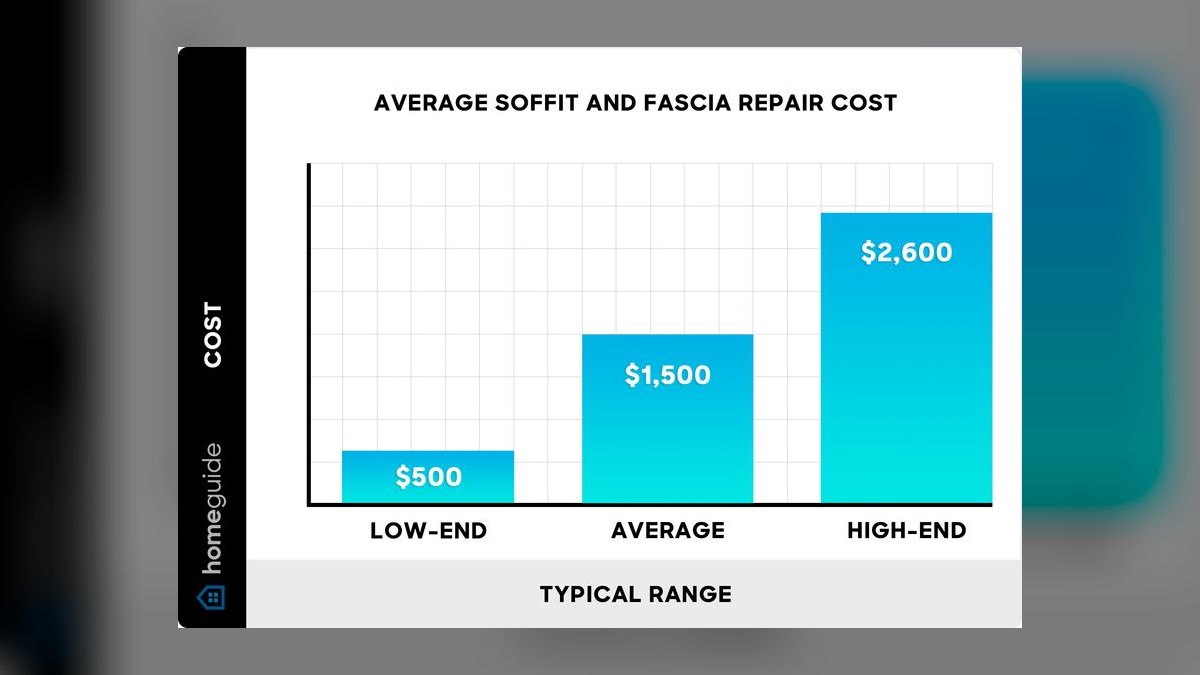
Concrete ranges are what people actually want, so here is the shape of the market in 2027, understanding that these are typical bands and any individual shop can sit outside them.
Cleaning and thermal service — full teardown, dust removal, fresh thermal paste or thermal pads, fan service — runs $80–$120 at an independent shop and takes one to three days. Parts cost is under $20. This is the highest-margin job in console repair and also the one most likely to be genuinely worth it on a console that has been running hot for three years, because thermal cycling is the precursor to the expensive board failures.
Fan replacement runs $90–$140 including the part, one to three days. Optical drive repair or replacement runs $110–$180 depending on whether the laser assembly alone can be swapped or the whole drive needs replacing, and on some platforms the drive is board-paired, which means a donor drive requires transferring a chip or reprogramming — that pushes the job into the $180–$250 band and adds days.
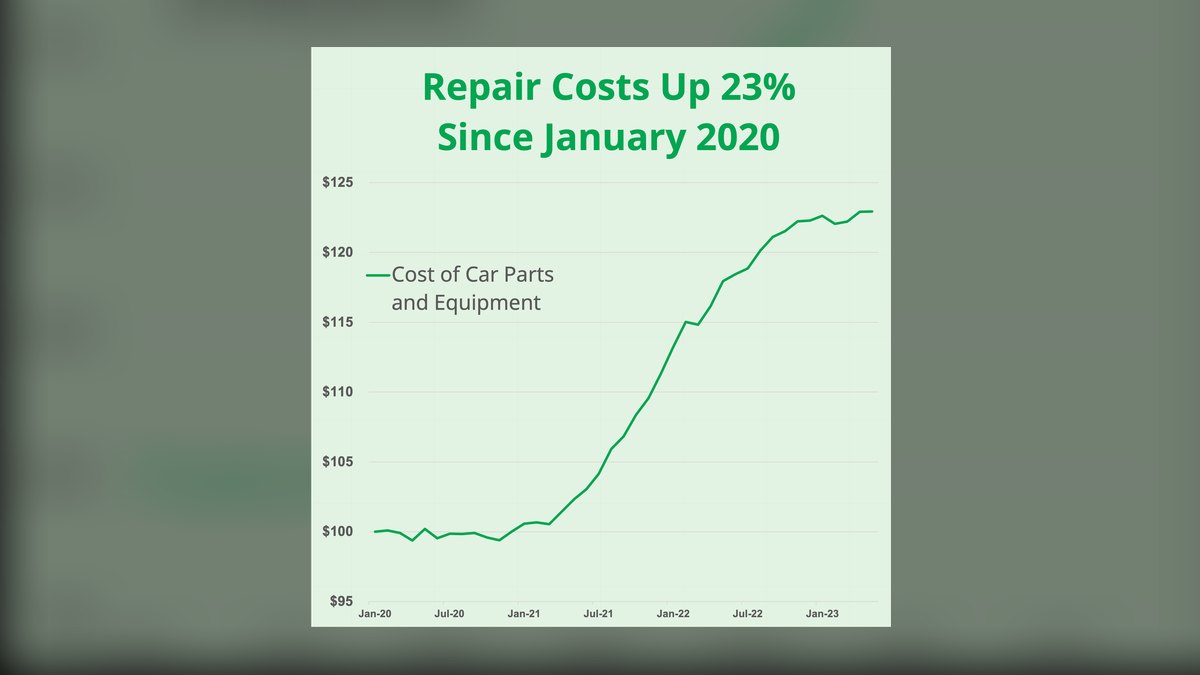
HDMI port replacement is the classic microsolder job: $120–$200, three to seven days, because it requires hot air, a steady hand, and reflow of a fine-pitch connector. A shop that quotes $70 for HDMI replacement is either extremely efficient or doing it badly.
Power supply replacement runs $120–$180 with a two-to-five day turnaround. Storage replacement or expansion is cheap in labor and expensive in parts — the labor is $40–$80 and the drive is whatever the market charges. Controller stick drift repair runs $50–$90 per controller, or $15–$30 in parts if you do it yourself with a soldering iron and a replacement module.
Board-level work — APU reball, power rail repair, trace repair, storage controller replacement — runs $200–$350 with a one-to-three week turnaround, and reputable shops quote it as "no fix, no fee" with a diagnostic deposit. Liquid damage cleaning and repair runs $250–$400 with an explicit warning that success is not guaranteed and that liquid damage can resurface months later as corrosion continues.
First-party out-of-warranty service is the flat-fee outlier: typically $100–$180 depending on platform, with a one-to-three week turnaround including shipping, and you generally receive a refurbished unit. That is a genuinely good deal for board-level faults and a bad deal for a $15 fan.
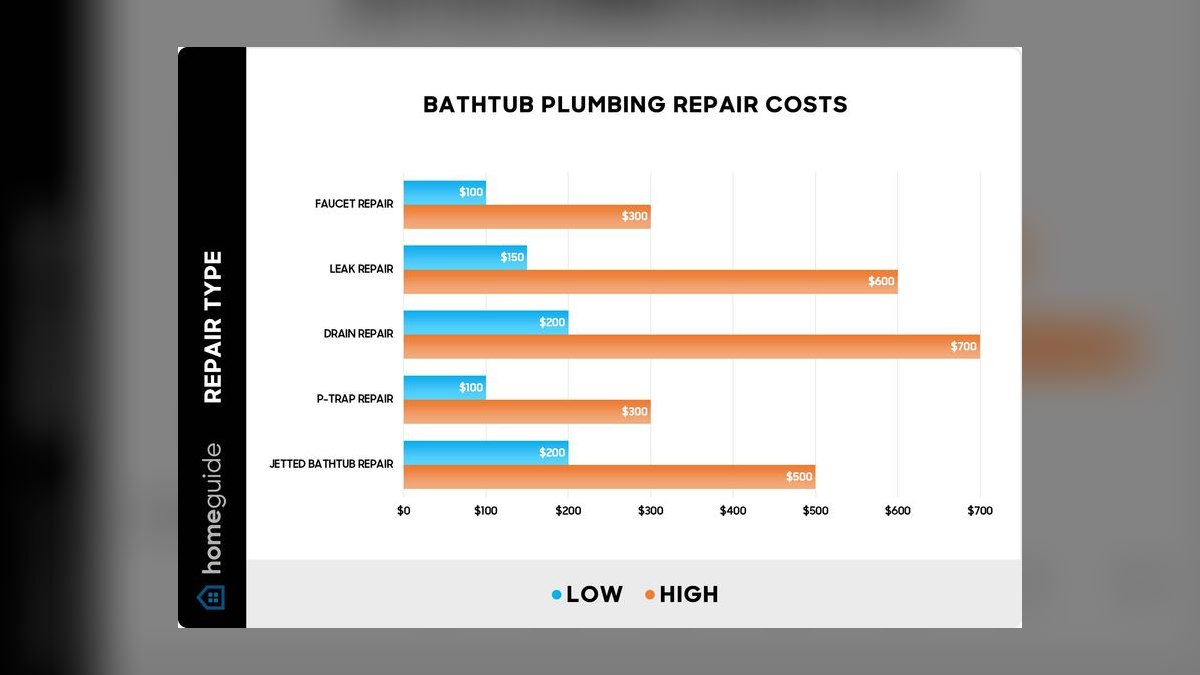
Add-on costs people forget: shipping both ways at $20–$40 total, diagnostic fees of $30–$60 that good shops credit toward the repair, expedite fees of $25–$50, and sales tax on parts and sometimes labor. A $150 quote frequently becomes a $190 invoice.
On the DIY side, the honest math is that parts for the common jobs cost $20–$80 and the tool kit — precision drivers including the security bits some platforms use, plastic pry tools, thermal paste, an anti-static mat, and eventually a hot-air station and flux if you go board-level — is $40–$60 for the basic kit and $200–$400 once you add rework gear. The first DIY repair is rarely cheaper once you count tools and the risk of a cracked ribbon connector. The fifth one is dramatically cheaper. Opening the console voids the remaining manufacturer warranty on every platform, and some units have tamper-evident seals or screws that make it obvious.
Where console owners and shops get the math wrong
The most common error is repairing a console that should have been replaced. People anchor on what they originally paid, not on what an equivalent working unit costs today. A four-year-old console with a $300 board-level quote is competing against a refurbished unit with a warranty at a similar or lower price, and the refurbished unit does not have three more years of thermal fatigue on every other component. The rule of thumb that holds up: if the repair costs more than 50–60% of a comparable replacement, or if the console is more than roughly four years old and the fault is board-level, replace.
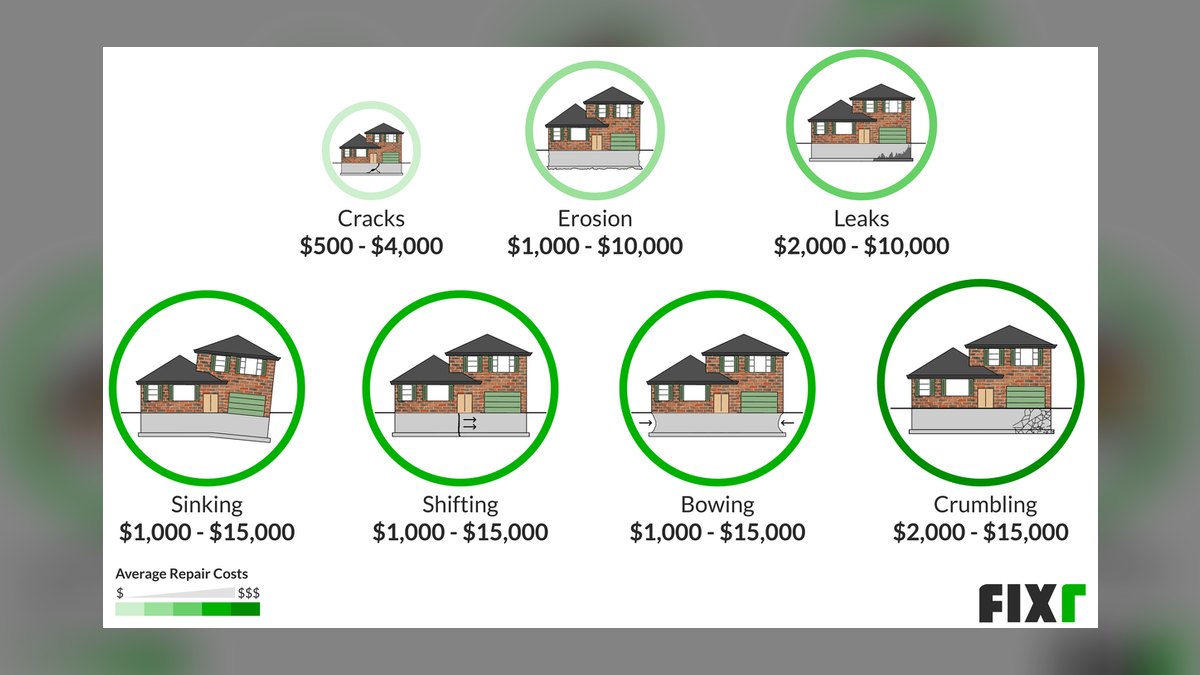
The second error is treating symptoms instead of causes. A console that overheats and shuts down gets a new fan, works for two months, and fails again — because the actual problem was dried thermal paste, a blocked heatsink, or an enclosed media cabinet with no airflow. A repair that does not address why the part failed is a repair you will pay for twice. Ask the shop what caused the failure, not just what they replaced.
The third error is skipping the warranty check. In-warranty repairs are free or near-free, and a meaningful share of consoles brought to independent shops are still covered. Retailer extended plans and credit-card warranty extensions are the ones people forget.
The fourth error is choosing the cheapest quote without asking about the labor warranty. A $90 HDMI repair with no warranty is worse value than a $160 repair with 90 days, because a bad reflow fails within weeks and you pay twice. Ask specifically whether the warranty covers the same fault recurring or only defective parts.
The fifth error is authorizing before understanding the diagnostic fee structure. Some shops charge a non-refundable bench fee even if they decline the job. Ask up front, in writing on the ticket.
The sixth error is DIY on the wrong tier. Fans, thermal paste, and controller sticks are reasonable first projects. HDMI ports, power rails, and anything requiring hot air are not — a botched attempt turns a $150 professional repair into a dead board and a total loss, because a shop that inherits a damaged attempt charges more, not less.
The seventh error is on the shop side: quoting before diagnosing. A shop that quotes a firm price over the phone from a symptom description is either padding the number to cover the worst case or will call you mid-repair with a revision. Neither is good for the customer.
The eighth error is ignoring data. Handing over a console without cloud-syncing saves and without deactivating the primary or home device designation means a returned refurbished unit strands digital licenses and loses local saves permanently. Platforms differ on which saves sync automatically and which do not.
Deciding between DIY, independent shop, first-party service, and replacement
The decision is driven by four inputs: the fault tier, the console's age, whether it is still under any warranty, and what a comparable replacement costs right now. Work through them in that order.
If it is under warranty, use first-party service. Full stop. Nothing else competes with free, and opening the case ends the coverage.
If it is out of warranty and the fault is mechanical or consumable — fan, thermal paste, drive, controller — and you are comfortable with a screwdriver and thirty minutes of video instruction, DIY is genuinely cheaper: $20–$80 in parts against a $90–$150 quote. If you are not comfortable, an independent shop at $80–$150 is fair and fast.
If the fault is board-level, the question becomes whether your local market has a shop that does microsoldering in house. If it does and quotes $200–$350 with a warranty, that is competitive. If it does not, first-party flat-fee service at $100–$180 is usually the better deal for board-level faults specifically, with the tradeoff that you likely receive a refurbished unit rather than your own hardware. If you care about keeping your specific unit — a launch model, a special edition, a modded or collector's console — that tradeoff matters and pushes you toward the independent shop even at a higher price.
If the fault is liquid or drop damage, get a diagnosis before deciding anything, and expect the honest answer to be replacement.
Across all of it, run the replacement comparison at the moment you have a firm quote, not before. Refurbished pricing moves, and a quote that looked reasonable against launch-era pricing looks bad against a discounted refurbished unit with a warranty.
Related questions
Is it cheaper to repair or replace a console?
Repair wins when the fault is mechanical and the quote lands under roughly half the price of a comparable refurbished unit. Replace when the fault is board-level on a console more than about four years old, or when liquid damage is involved and no shop will warranty the work.
Does opening a console to repair it void the warranty?
Yes on every major platform. Manufacturer coverage ends once the case is opened, and many units carry tamper-evident seals or non-standard screws that make it obvious. Always check warranty status before touching a screwdriver — in-warranty first-party service costs far less than any DIY savings.
Why do HDMI port repairs cost so much more than fan replacements?
The part is under $10, but replacement requires hot-air rework, flux, and reflowing a fine-pitch connector without lifting pads. It is skilled microsoldering with real failure risk, which is why it runs $120–$200 and takes three to seven days instead of an afternoon.
How long does a console repair usually take?
Simple mechanical jobs return in one to three days at a local shop. Microsoldering runs three to seven days. Board-level work is one to three weeks. First-party mail-in service is typically one to three weeks door to door, most of which is shipping and queue time rather than bench time.
What is the single most common console repair?
Cooling-related work — dust removal, fan replacement, and thermal paste renewal — dominates by ticket volume, followed by controller stick drift and HDMI port damage. Cooling failures cluster on consoles three or more years old that live in enclosed cabinets with restricted airflow.
FAQ
What is the average repair cost for a next-gen gaming console in 2027?
The blended average lands around $150–$250 once parts, labor, and shipping are included. That figure hides three distinct tiers: $80–$150 for mechanical and cooling work, $180–$350 for board-level microsoldering, and $250–$400 for liquid or impact damage. Most tickets by volume fall in the lowest tier, which pulls the median well below the average.
Is first-party manufacturer repair cheaper than an independent shop?
It depends entirely on the fault. First-party out-of-warranty service is a flat fee — typically $100–$180 — which is excellent value for expensive board-level faults and poor value for a $15 fan. It also usually returns a refurbished unit rather than your original console, which matters if you own a launch model or special edition.
How much can I save doing the repair myself?
Parts for common jobs cost $20–$80 against $90–$150 quotes, so the marginal saving per repair is real. But the basic tool kit is $40–$60 and rework gear runs $200–$400, so your first DIY repair rarely beats a shop once tools are counted. Stick to fans, thermal paste, and controller modules; leave anything needing hot air alone.
What hidden costs get added to a console repair quote?
Shipping both directions at $20–$40, diagnostic or bench fees of $30–$60 that good shops credit toward the job, expedite fees of $25–$50, and tax on parts and sometimes labor. A $150 quote commonly settles at $190. Ask whether the diagnostic fee is refundable if you decline the repair.
Should I back up my saves before sending a console in for repair?
Always. Cloud-sync everything, note which digital licenses are bound to the console as your primary or home device, and deactivate that designation if the platform allows it remotely. Repairs that return a different physical unit will otherwise strand licenses and permanently lose any local-only save data.
How do I tell a competent repair shop from a parts-swapper?
Ask four questions: is the diagnostic fee credited toward the repair, what warranty covers the labor, is board-level work done in house or referred out, and what is the realistic turnaround. A shop offering 90 days on parts and labor is standing behind its diagnosis. One offering no labor warranty is telling you it is guessing.
Sources
- https://www.ifixit.com/Device/Game_Console
- https://www.playstation.com/support/hardware/
- https://support.xbox.com/help/hardware-network/warranty-service
- https://en-americas-support.nintendo.com/app/answers/detail/a_id/13980
- https://www.consumerreports.org/electronics/tvs/repair-or-replace-electronics-a1094436442/
- https://www.ftc.gov/business-guidance/resources/businesspersons-guide-federal-warranty-law
- https://www.uspirg.org/feature/usp/right-repair
- https://www.bls.gov/ooh/installation-maintenance-and-repair/home-page.htm
Related on PULSE
- How much does it cost to replace a gaming controller's analog stick module?
- What is the typical lifespan of a next-gen gaming console before major failure?
- How do extended warranty plans on consumer electronics actually pay off?
- What does a right-to-repair law change for consumer electronics owners?
- How much does thermal paste replacement extend a console's usable life?
- What should you check before buying a refurbished gaming console?
 pulse-recentThe 10 Best Budget Gaming Setups for Students in 2027
 pulse-recentHow many gaming subscriptions does the average gamer have in 2027?
 pulse-recentWhat is the average lifespan of a gaming laptop before it needs replacing in 2027?
 pulse-recentHow much does a gaming monitor with 240Hz refresh rate cost in 2027?
 pulse-recentWhat is the average annual cost of maintaining a gaming PC in 2027?
 pulse-recentWhat is the total cost of a gaming setup for a beginner in 2027?
 pulse-recentWhat is the true cost of a gaming laptop over three years in 2027?
 pulse-recentThe 10 Best Budget Capture Cards Under $100 in 2027
 pulse-recentThe 10 Best Budget Gaming Mouse Pads Under $20 in 2027
 pulse-recentWhat is the average annual cost of digital game purchases for a casual gamer in 2027?