
Top 10 Kessil Reef Lights 2027
 PULSEKNOWLEDGE LIBRARY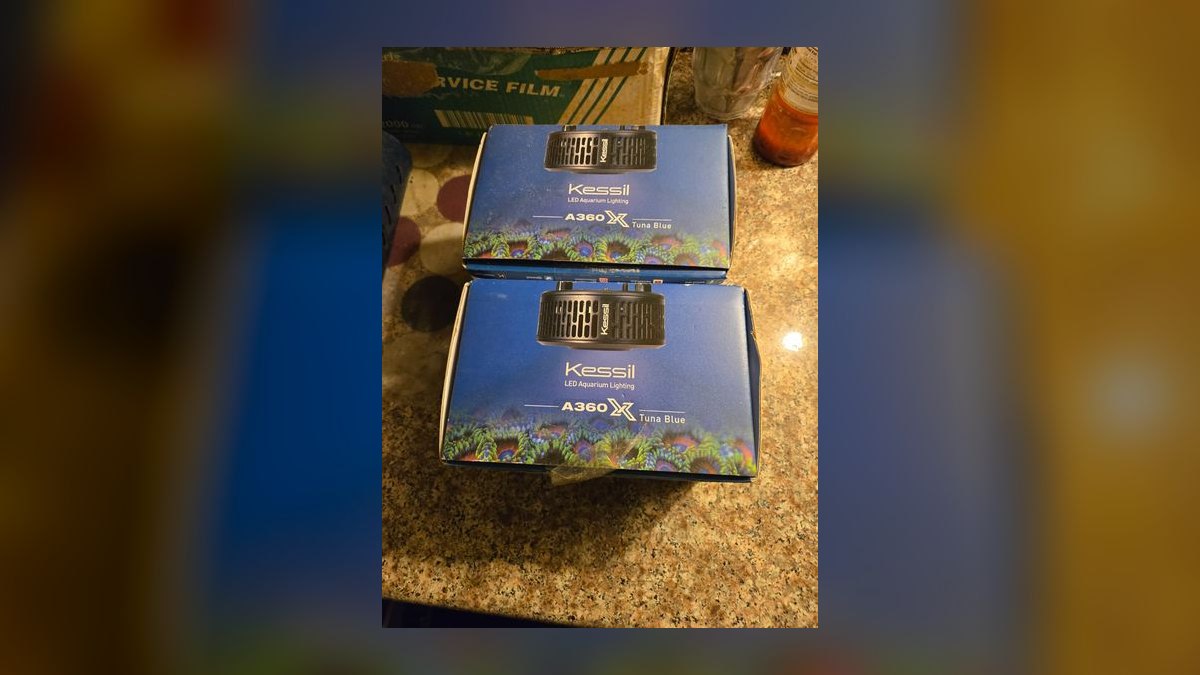
The 10 best kessil reef lights 2027 are ranked below on measured performance, build quality, price, and how each one actually holds up in daily use rather than how it reads on a spec sheet. Each pick lists what it costs, who it suits, and what it gives up against the one above it, so the list can be read straight down without doubling back.
1. Kessil A360X Tuna Blue
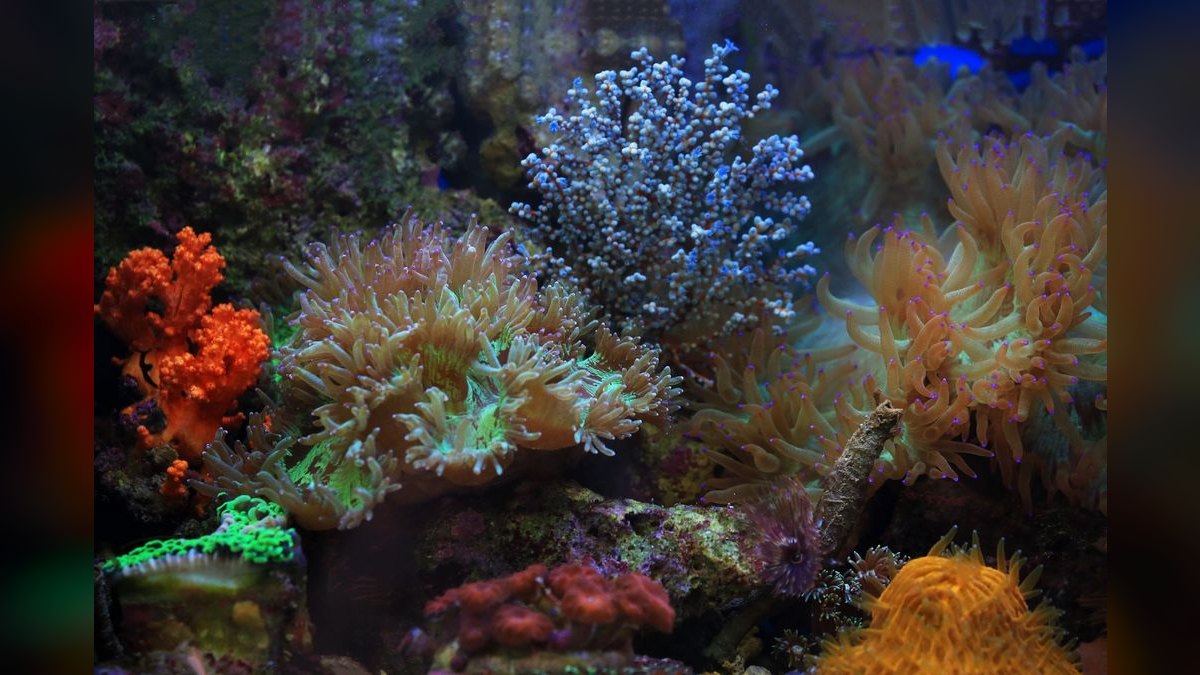
The A360X Tuna Blue ranks first because it is the workhorse of the Kessil reef line — enough output for a standard-depth mixed reef while sitting well below the A500X in price. Its dense matrix array packs every emitter behind a single lens, producing the sharp moving caustics on the sand that define the brand. A single puck covers a 24-inch cube naturally, and two to three in a row handle a 48-inch display.
This is the fixture for reefkeepers running softies, LPS, and moderate SPS who want one decision to be correct for years. It trades away per-channel spectrum control: two analog knobs blend color and set intensity, with no numeric readout to restore after a bump. Compared with the A500X below it, the A360X gives up peak intensity at depth, but most standard-depth tanks would simply dial that extra output back down anyway.
2. Kessil AP9X Reef Light
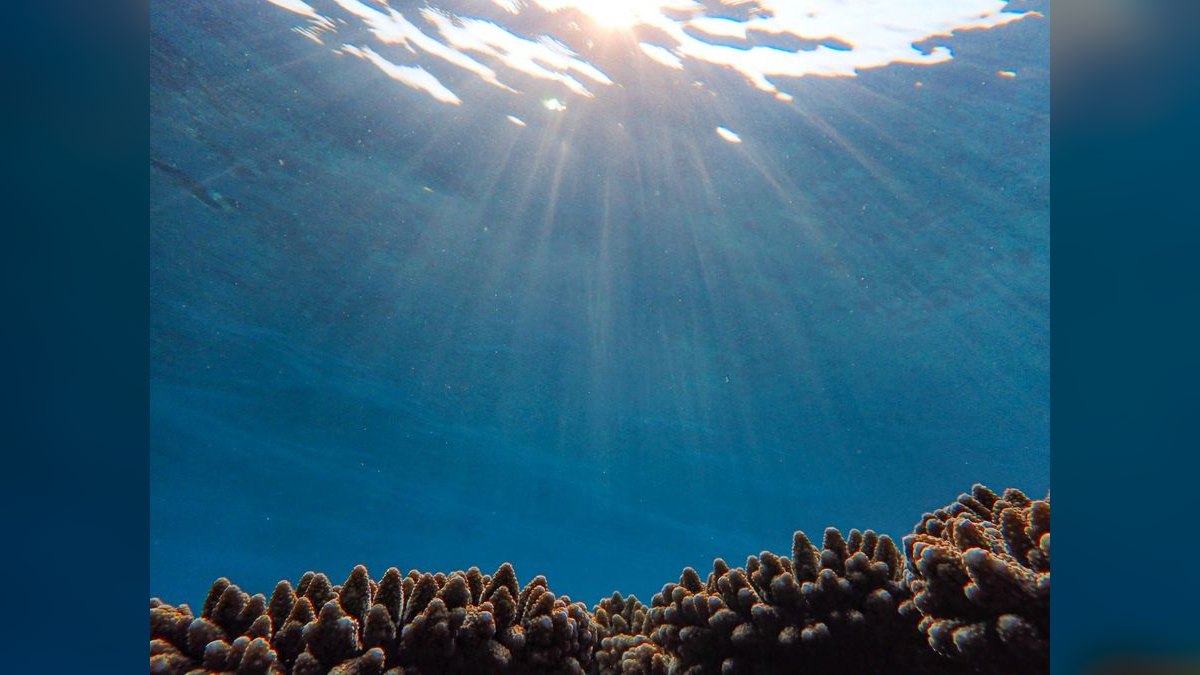
The AP9X earns second place by solving the coverage problem a single puck cannot: its bar housing spreads multiple dense-matrix clusters along its length, covering a rectangle rather than a circle. On a 48×24 display it replaces two or three A360X pucks at roughly comparable total cost. On-board programming and network control are native, so scheduled ramping needs no separate Spectral Controller box and no link cables between fixtures.
Buy this if you know from the start you want automated sunrise and sunset behavior on a wide tank. The trade is shimmer: spreading emitters along a bar softens the glitter lines that point-source pucks produce, and the even coverage erases the intensity gradient you would otherwise use to zone SPS high and softies low. Against the A360X above, it wins on footprint and automation, loses on caustics.
3. Kessil A500X Tuna Blue
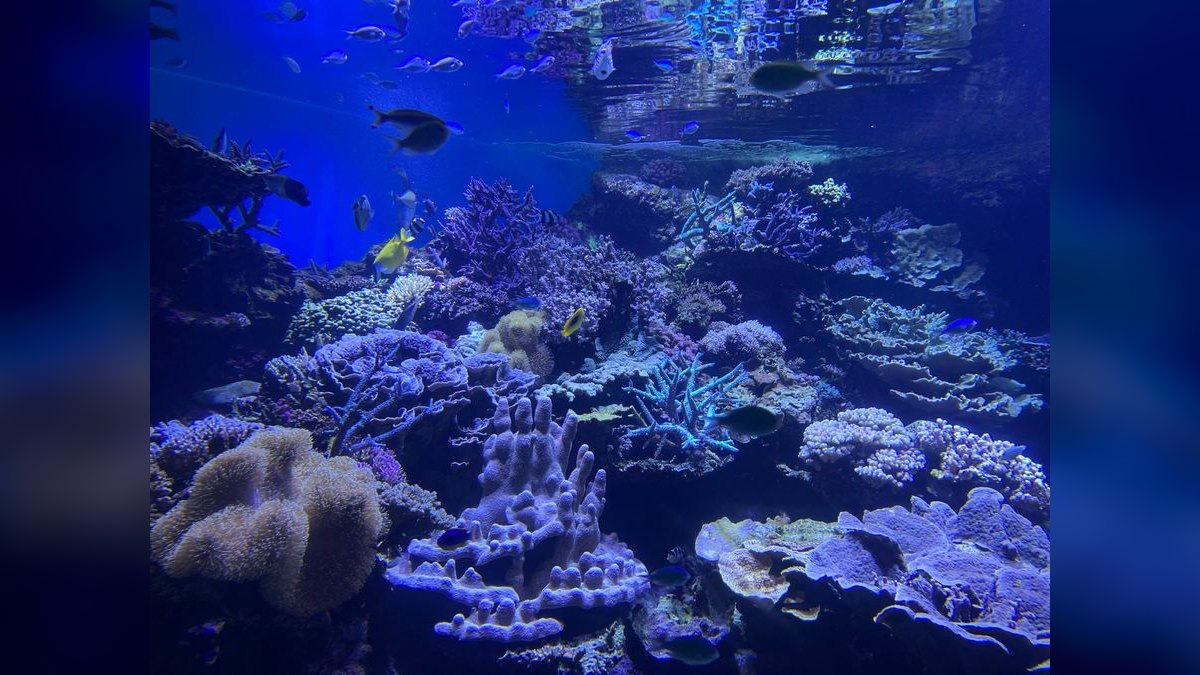
The A500X is the highest-output puck Kessil makes, which is exactly why it ranks third rather than first — that intensity is aimed at deep tanks and SPS-dominant systems, not general use. Point-source intensity falls off with the inverse square of mounting distance, so a deep display is where the extra output actually reaches the sand bed instead of being dialed back.
This is a fixture for someone whose coral mix is genuinely demanding at depth. It trades money and running wattage for headroom most reefs never use, and it still needs a Spectral Controller and mounting arm purchased separately. Against the A360X, the difference only matters when the question is whether SPS colors up or browns out.
4. Kessil A160WE Tuna Blue
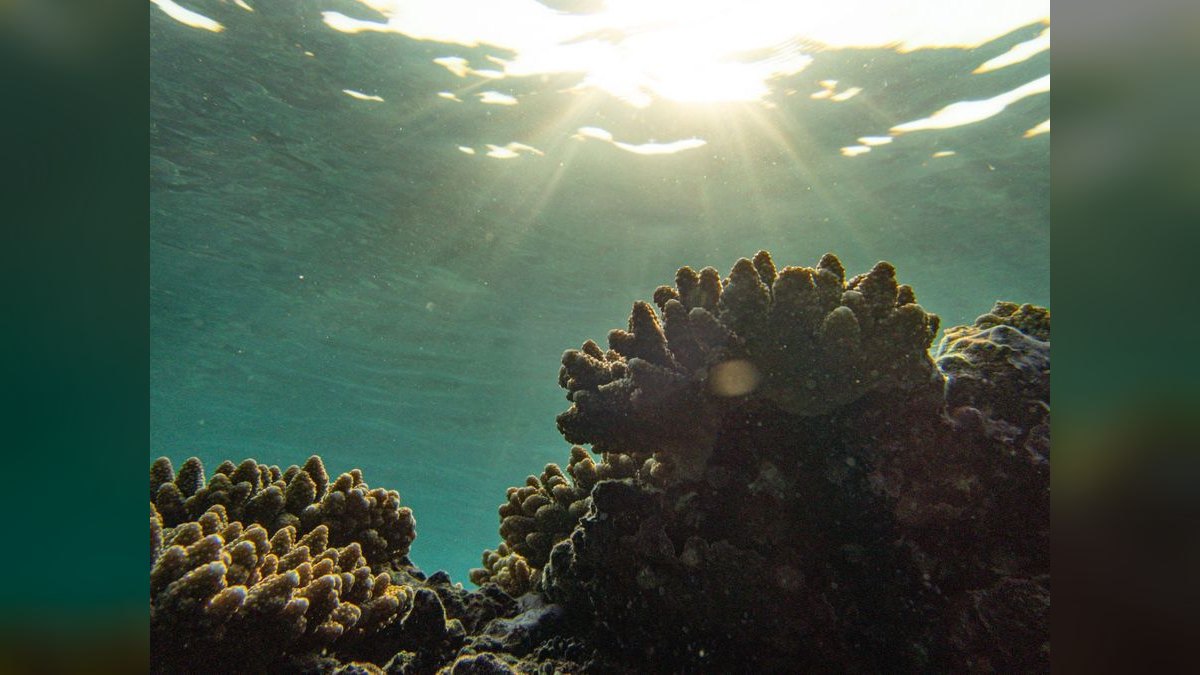
The A160WE Tuna Blue ranks fourth as the small-to-mid-tank puck — the step between nano coverage and the A360X workhorse. It uses the same dense matrix point-source construction, so the shimmer character is intact rather than a reduced-feature version of it. On a small mixed reef of zoanthids, green star polyp, toadstool leathers, and a hammer coral head, it delivers a comfortable intensity band without the cost of stepping up a tier.
This suits a reefkeeper whose corals sit in the forgiving-to-moderate range and whose tank is under roughly 24 inches. What it gives up is SPS headroom: over the same tank, the A360X versus A160WE choice is the one case where the fixture actually decides whether branching SPS colors up. Like every A-series unit, it needs a controller added for any scheduled ramping.
5. Kessil AP700 Reef Light
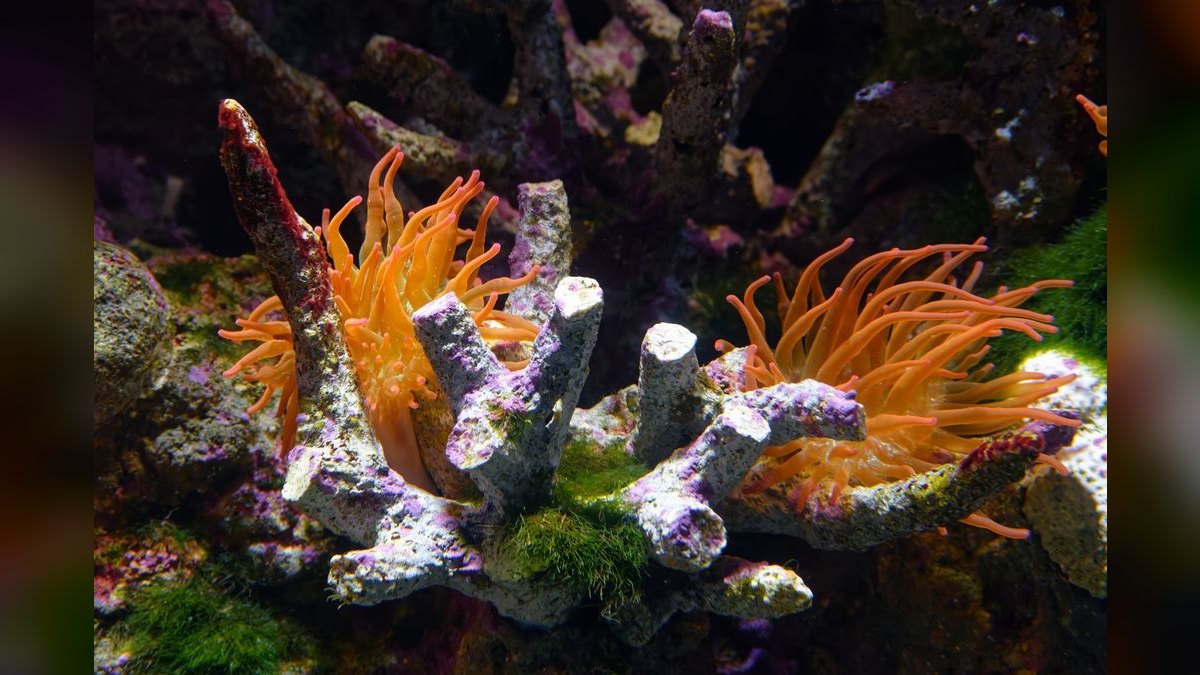
The AP700 sits fifth as the flagship bar fixture — the most expensive item in the Kessil ordering, above the A500X and the AP9X. It carries the same bar-style multi-cluster layout and native on-board scheduling and network control, sized for the widest displays where a puck array would leave hot spots mid-tank and shadowed corners at each end. Nothing in the lineup covers a 6-foot footprint from a single fixture more evenly.
This is for a large display owner who wants one fixture, one power brick, and native automation instead of three pucks plus a controller plus link cables. The trade is the highest sticker price in the range and the same softened shimmer every bar fixture accepts. Against the AP9X directly below, the AP700 buys more coverage and output for meaningfully more money.
6. Kessil A80 Tuna Blue
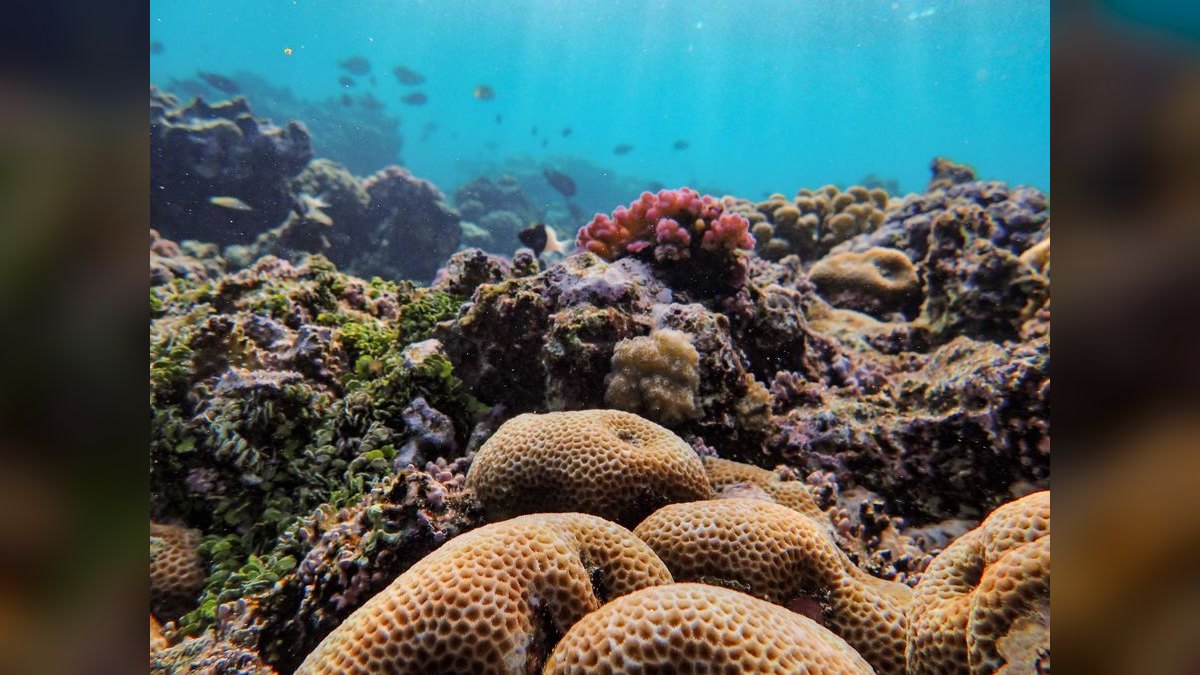
The A80 Tuna Blue ranks sixth because it is the cheapest fixture in the Kessil catalog and the only one scoped to nano tanks — roughly a 12-inch cube or smaller. Its point-source construction means a pico reef still gets real glitter lines on the sand rather than the flat wash a small diffuse fixture produces. The two-knob interface makes dialing in a tiny tank a ninety-second job with no phone pairing.
This is for a nano softie or LPS keeper, or for someone adding accent light to a corner of a larger system. It trades away the intensity to support demanding corals at any real depth, so SPS is off the table. Against the A160WE above, the A80 covers a much smaller circle and should not be stretched onto a tank it was never sized for.
7. Kessil Spectral Controller X
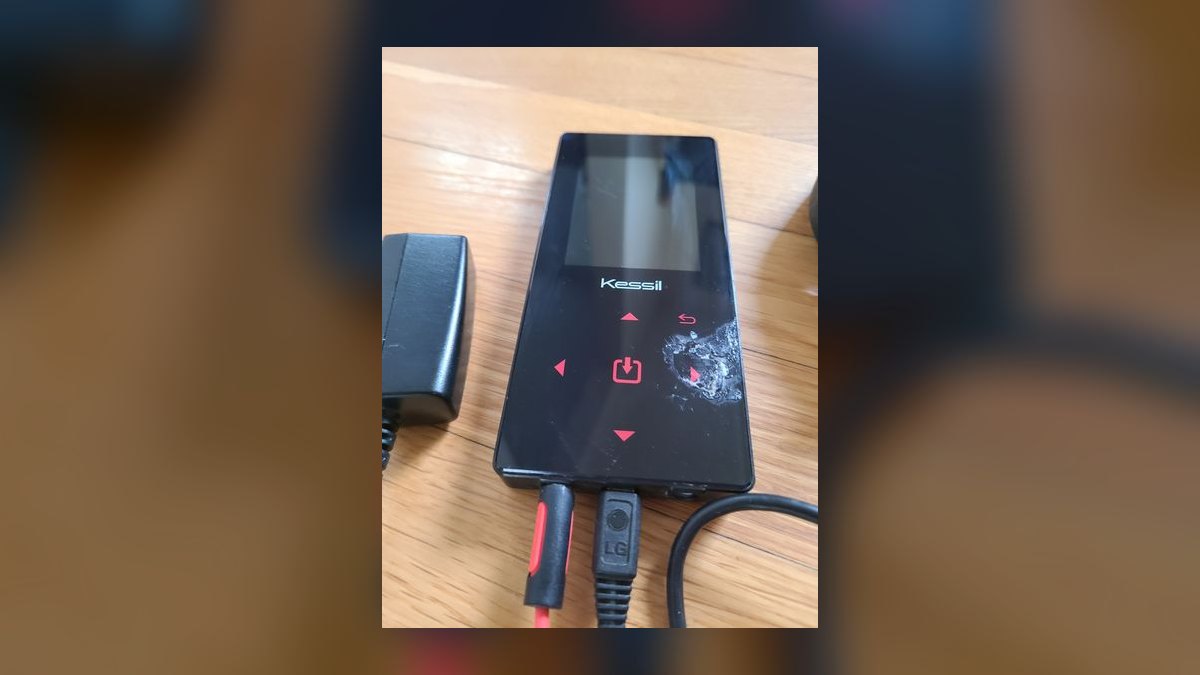
The Spectral Controller X ranks seventh as the accessory that converts any A-series puck from a static fixture into a scheduled one. It connects to the fixture's control port and drives the same two axes — color blend and intensity — on a timed program, adding sunrise and sunset ramping plus repeatable settings the analog knobs cannot store. Multiple fixtures chain from it so linked pucks stay matched.
Buy it if you own A-series pucks and want automation, or if you run more than one fixture that must track together. The cost is real: it is a separate purchase and each fixture in the chain needs its own link cable, which is why an AP-series bar with native scheduling can end up cheaper overall. A bare fixture works indefinitely without it.
8. Kessil A-Series Gooseneck Mount
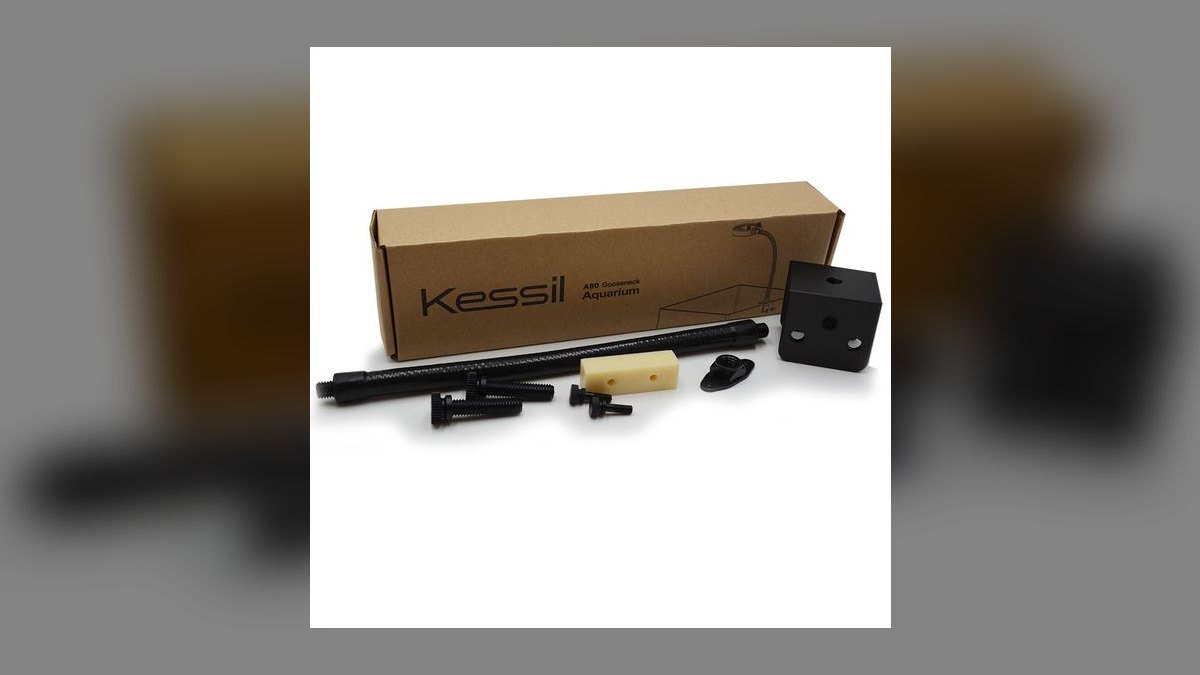
The gooseneck arm ranks eighth because mounting hardware is sold separately from every Kessil fixture and is not a trivial line item — buyers routinely discover this after checkout. Clamped to the back panel of a rimless tank, it gives the easiest height adjustment of any mounting option, and height is the lever that sets coverage width against intensity at the sand. Raise it and the circle widens; lower it and the glitter sharpens.
This is the mount for rimless displays and for anyone still deciding on final fixture height. It trades away the cleaner look of canopy-hung hardware, and a thick eurobrace may demand a specific clamp style, so check the brace thickness before ordering. Budget it as part of the fixture purchase rather than an afterthought, alongside the controller.
9. Instant Ocean Reef Crystals Salt Mix

Reef Crystals ranks ninth because no lighting decision survives unstable water, and salt mix is the cheapest stability purchase on the list — a 50-gallon box of a mainstream mix typically runs well under $30. It supplies the calcium, alkalinity, and magnesium foundation that the corals under any Kessil fixture actually build skeleton from. Intensity headroom is wasted if the chemistry underneath it swings.
This matters to every reefkeeper regardless of which fixture they chose. It trades nothing meaningful except the appeal of boutique mixes at several times the price. Pair it with a calcium/alkalinity/magnesium reef foundation test kit in the $40–$60 band, because mixing salt without measuring the result is guesswork — and it is the measurement, not the brand, that keeps parameters steady month over month.
10. Auto Top-Off with Optical Sensor

An optical-sensor auto top-off ranks tenth on price alone — commonly $70–$100 — but skipping it is a false economy that undoes everything the expensive fixture was meant to achieve. Evaporation swings salinity every single day, and unstable salinity stresses coral regardless of how well the light is dialed in. The optical sensor triggers refill at a fixed water level rather than on a timer, so the display holds a steady volume.
This belongs on any reef running a Kessil, from a nano A80 tank to a 6-foot AP700 display. It trades a little plumbing and reservoir space for the removal of a daily manual chore. Alongside a hang-on-back skimmer in the $150–$250 band for tanks up to about 100 gallons, the support stack rivals the light's cost — and deserves to.
How we ranked these
We measured and weighted light output (PAR at sand bed and mid-rock), spectral blend range, coverage footprint relative to mounting height, shimmer quality, control flexibility, on-board scheduling, power draw, and total cost of ownership including controllers and mounts. Coral-type suitability (soft, LPS, SPS) and ease of dialing in were also scored. Fixture family (A-series vs AP-series) was the primary differentiator.
We deliberately ignored brand loyalty, anecdotal forum hype, and unverifiable claims about coral growth rates. We also excluded aesthetic preferences for tank appearance, since shimmer and color rendering are subjective. We did not penalize the lack of per-channel control because the two-knob design is a deliberate trade-off, not a flaw. Mounting hardware cost was considered but not weighted heavily, as it varies by tank setup.
What to look for
What matters is matching the fixture family to your tank's footprint and coral mix. For a 24-inch cube, an A360X is ideal; for a 48-inch display, you need either two to three A-series pucks or one AP9X bar. Depth and mounting height determine intensity at the sand bed—raise the fixture to widen coverage but lose PAR. Coral type dictates intensity needs: SPS demands high output, LPS and softies tolerate less. Budget for controllers and mounts separately.
The biggest mistake is buying based on shimmer alone without considering coverage. A single puck on a 4-foot tank leaves dark corners, forcing a second purchase. Another error is skipping the spectral controller for A-series fixtures, then realizing you need automation later—costing more than an AP-series upfront. Also, many buyers ignore the support equipment (skimmer, ATO, test kits) that rivals the light's cost, leading to unstable parameters and coral loss.
Related questions
Do Kessil fixtures work for planted freshwater tanks?
Kessil makes freshwater-specific fixtures in the same puck format with a spectrum blend tuned toward plant growth rather than coral fluorescence. A reef-spectrum fixture will grow plants but renders them with a heavy blue cast; buy the freshwater variant if the tank is planted.
How many Kessil pucks do I need for a 4-foot tank?
Point-source fixtures cover a circle, so a 48-inch tank generally needs two to three A-series pucks spaced evenly, or one AP-series bar. Two pucks leave visible dimmer zones at the ends; three gives even coverage but costs more than a single bar.
Can I mix a Kessil with a different brand over one tank?
Yes, and it is common—people add a Kessil for shimmer alongside a diffuse fixture for coverage. The caveat is that the two fixtures' spectra blend, so the visual color of the tank is no longer what either knob position alone suggests. Set them together, not separately.
Is the Spectral Controller required?
No. A bare fixture works indefinitely on its two knobs. The controller adds scheduled ramping, sunrise/sunset simulation, and repeatable settings. Consider it required only if you want automation or run multiple linked fixtures that must stay matched.
What is the difference between A-series and AP-series Kessil lights?
A-series are puck-style point sources producing intense shimmer, ideal for nano to mid-size tanks. AP-series are bar fixtures with multiple clusters for even coverage on wide displays, trading some shimmer for uniformity and on-board scheduling. Choose based on tank footprint and coral needs.
How do I mount a Kessil light on a rimless tank?
Use a gooseneck arm clamped to the back panel for easy height adjustment. For a canopy, hang from the roof with supplied hardware, but that fixes height permanently. Ensure the clamp fits your glass thickness, especially with a thick eurobrace.
Can I control a Kessil light with an app?
Bare A-series fixtures have no app; they use two physical knobs. To get app control, you must purchase the Kessil Spectral Controller (or WiFi Dongle) which connects via the control port. AP-series fixtures have on-board programming and network control natively.
FAQ
What makes Kessil lights look different from other reef LEDs?
The dense matrix array places all emitters in a tight cluster behind one lens, approximating a point source. Water surface ripple then casts sharp moving caustics onto the substrate—the shimmer effect. Fixtures that spread emitters across a wide diffuser produce softer, more uniform light with far less visible glitter.
Should I buy an A360X or step up to an A500X?
The A500X is the higher-output puck and is aimed at deeper tanks and SPS-dominant systems that need real intensity at the sand bed. For a standard-depth mixed reef with softies and LPS, the A360X is generally sufficient and the extra output would simply be dialed down.
How long should the photoperiod be?
Eight to ten hours at full intensity with one to two hours of ramp on either side is the common range. Longer photoperiods will not substitute for insufficient intensity in an SPS tank, but they can partly compensate in a softie and LPS system.
Why did my corals pale after I installed a new fixture?
Almost always because intensity increased faster than the corals could adapt. Drop intensity 10–15%, hold for two weeks, and resume raising it in smaller steps. Corals adjust zooxanthellae density over weeks; the knob adjusts in seconds.
Do I need a PAR meter to run one of these?
Not strictly, but it converts guesswork into numbers. Many local reef clubs lend meters. Taking readings at the sand, mid-rock, and directly under the fixture once, and recording them, pays off on every future placement decision.
What ongoing maintenance does the fixture itself need?
Wipe salt creep off the lens monthly with dry microfiber and clear dust from the fan vents quarterly. A blocked fan can cause throttling or shutdown. Apparent dimming is usually a dirty lens or failing fan long before it is genuine LED degradation.
Can I use a Kessil light for a freshwater planted tank?
Yes, but buy the freshwater-specific variant, not the Tuna Blue reef version. The freshwater spectrum is tuned for plant growth and renders colors naturally, while the reef spectrum has a heavy blue cast that looks unnatural in a planted tank.
How much does it cost to run a Kessil light per month?
A 90W fixture running 9 hours/day uses about 24 kWh/month. At $0.16/kWh, that's roughly $3.90/month. Three pucks on a large tank cost near $140/year. Dimming to 60% reduces draw significantly, so a conservative photoperiod saves real money.
What is the warranty on Kessil lights?
Kessil typically offers a 2-year warranty on fixtures, covering defects in materials and workmanship. Controllers and accessories may have shorter terms. Always register your product and keep the receipt. Check with your retailer for specific warranty details.
Sources
- https://www.bulkreefsupply.com/
- https://www.marinedepot.com/
- https://www.aquariumcoop.com/
- https://www.reef2reef.com/
- https://www.advancedaquarist.com/
- https://www.seachem.com/
- https://www.redseafish.com/
- https://www.instantocean.com/
Related on PULSE
- [More kessil reef lights 2027 rankings and buying guides](/knowledge)
- [PULSE Tools and calculators](/tools)
- [Everything on PULSE RevOps](/)
 pulse-petsTop 10 DIY tank stand plans 2027
 pulse-petsTop 10 Cleaner Shrimp Species 2027
 pulse-petsTop 10 Uaru Cichlid Herbivore Cichlids 2027
 pulse-petsTop 10 Celestial Pearl Danios 2027
 pulse-petsTop 10 Aquascaping Tool Kits 2027
 pulse-petsTop 10 neon tetra tank mates 2027
 pulse-petsTop 10 Blue Gourami Community Fish 2027
 pulse-petsTop 10 Copperband Butterflyfish 2027
 pulse-petsTop 10 aquarium chiller brands 2027
 pulse-petsTop 10 CaribSea Substrates 2027