


CPI Security's environmental monitoring — flood, freeze, CO in 2027
Quality
Certified
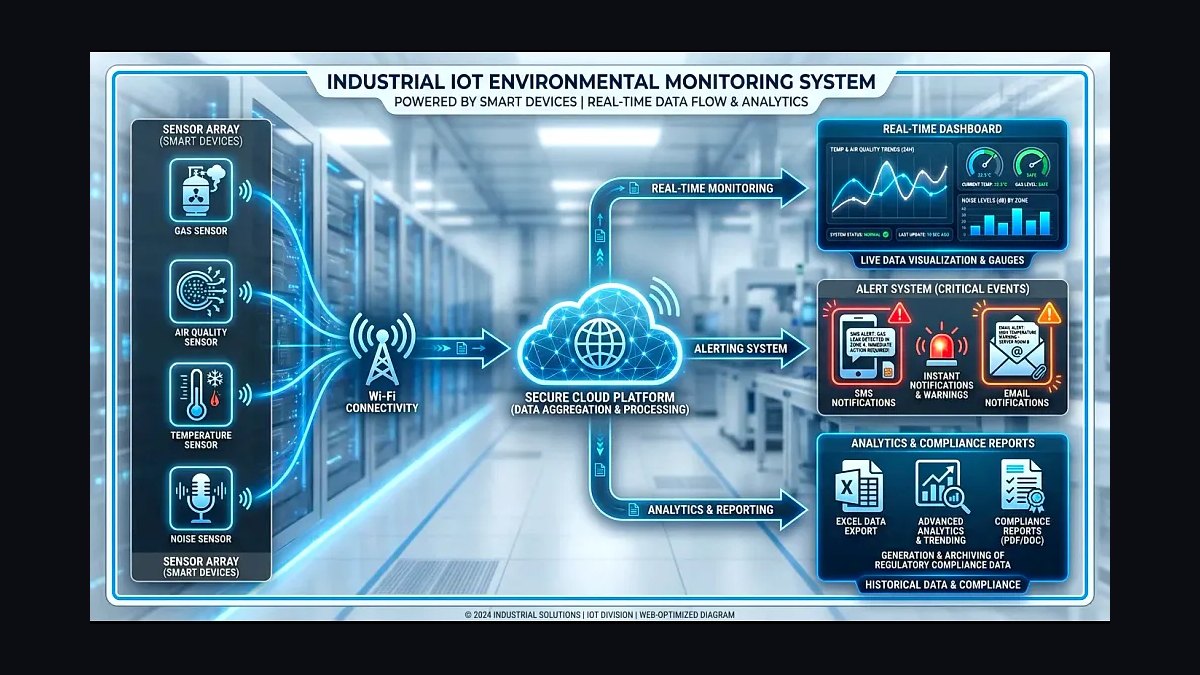
CPI Security offers integrated environmental sensors — water leak, freeze, carbon monoxide, and smoke — wired into the same panel and the same 24/7 Charlotte-based monitoring center that handles burglary and fire signals. The real advantage over DIY Wi-Fi sensors is that CPI sensors do not rely on a homeowner seeing a phone notification. When a leak or CO alarm trips, a live operator calls within roughly 30 seconds, dispatches emergency services if needed, and logs the event for insurance. DIY sensors routinely fail silently when batteries die or Wi-Fi drops. Insurance claims data shows a monitored water leak system saves an average of more than $5,000 per non-weather water claim, which is why carriers including Travelers, State Farm, and Nationwide offer 5 to 15 percent premium discounts when monitored environmental sensors are installed.
TL;DR: CPI bundles flood, freeze, and CO sensors into one monitored panel with live operator response — turning $50 sensors into thousands in averted claims.
1What's Covered
CPI's environmental stack starts with the Smart Water Sensor, a puck-style device that sits under sinks, behind toilets, near water heaters, and in crawl spaces. The moment its contacts detect moisture, it pings the SmartHub, which fires three actions in parallel — an inTouch app push, a signal to the monitoring center, and, if the homeowner has added the Smart Water Shut-Off Valve, an automatic command to close the main supply line. That valve integration is what separates CPI from starter DIY kits, because detection alone does not stop a burst pipe from running for hours.
Freeze protection is handled through low-temperature sensors that trigger when ambient temperatures drop below a configurable threshold, typically 40 degrees Fahrenheit. They are commonly placed in attics, basements, garages, and vacation properties where a furnace failure during a cold snap can lead to burst pipes within hours.

Carbon monoxide protection uses dedicated CO detectors that report directly to the panel, not just to the homeowner. This matters because CO poisoning is most dangerous overnight when occupants are asleep. When the CPI CO sensor trips, the monitoring center calls the home, and if there is no answer or a verbal duress code, dispatch goes out immediately. Smoke and heat detectors round out the stack with the same response workflow, including the ability to unlock connected smart locks for the fire department.
All sensors talk to the SmartHub through encrypted radio frequencies, with cellular backup so an internet outage does not disable the system.

2Real-World Savings Data
The Insurance Information Institute reports that non-weather water damage and freezing accounts for nearly 24 percent of all homeowners insurance claims, with an average claim cost of roughly $13,954. The Insurance Institute for Business and Home Safety has run controlled studies showing that a monitored leak detection system paired with an automatic shut-off valve reduces the average loss by 93 percent — turning a $13,000 claim into a roughly $900 cleanup. That is the math behind the carrier discounts. Travelers offers up to 5 percent off the home premium for installed water leak detection, and Nationwide and State Farm have similar Smart Home credits that typically range from 5 to 15 percent.
Carbon monoxide statistics are harder to put a dollar on because the cost is measured in lives, but the CDC reports more than 400 unintentional CO deaths per year in the United States and roughly 100,000 emergency room visits. Monitored CO response, where an operator dispatches even when occupants are unconscious, is the single intervention that consistently prevents fatalities in cold-weather furnace failures. Many insurance carriers also issue protective device discounts for monitored CO and smoke, often stacking another 3 to 5 percent on top of the leak discount.

Freeze losses are seasonal but enormous. State Farm reported that during a single February cold snap, frozen-pipe claims totaled more than $1.5 billion. CPI customers in the Carolinas, Tennessee, and Georgia consistently cite this as the feature that paid for the monitoring contract in one winter event.
Bundled across leak, freeze, and CO, a typical CPI customer with full environmental coverage averages $200 to $600 per year in stacked insurance discounts, often offsetting half or more of the monthly monitoring fee.

3Best Use Cases
Vacation homes are the highest-value use case. A second home in the mountains, at the lake, or at the beach sits empty for weeks at a time, and that is exactly when a slow toilet supply leak or a tripped furnace causes catastrophic damage. CPI's monitored stack means an operator catches the event in the first minutes, not when the owner drives up months later to find ruined floors and mold remediation bills in the tens of thousands. Many short-term rental owners now require this protection as a condition of their commercial insurance policy.
Long-term rental properties are the second-best fit. Tenants are often slow to report leaks. A monitored CPI sensor reports directly to the landlord and the monitoring center, bypassing the human-reporting delay. Property managers benefit from the inTouch app's multi-property view, which surfaces all alerts in one dashboard.

Multi-property investors and small commercial operators — dental offices, salons, restaurants, small warehouses — gain the most from CO and freeze integration. A walk-in cooler going down overnight, a gas-fired water heater leaking CO into a back office, or a sprinkler line freezing in an unheated stockroom are exactly the silent overnight events that destroy small businesses. CPI's commercial tier extends the same sensor stack with site-level escalation rules, so the operator calls the owner, then the manager, then dispatches fire or police as conditions dictate.
Finally, families with elderly parents living independently are a fast-growing segment. CO and freeze sensors give adult children remote visibility into furnace failures and air quality without intrusive cameras, and the monitoring center provides the human safety net that a self-installed Wi-Fi sensor cannot.

Related on PULSE
- Should I open or buy a Main Squeeze Juice Co franchise in 2027?
- Which 2027 economic signal (layoffs, rate hikes) is causing buying committees to freeze mid-pipeline?
- How do you handle a buyer whose champion just got hit with a hiring freeze and lost their team expansion budget?
- CPI Security cellular monitoring upcharge in 2027 — when free becomes $10+ a month
- CPI Security alarm response times in 2027 — when monitoring fails
- Should Datadog kill its Real User Monitoring module?
How CPI’s Environmental Monitoring Integrates with Smart Home Automation in 2027
By 2027, CPI Security has deepened its integration with major smart home platforms, making environmental sensors part of a broader automated response ecosystem. When a flood sensor triggers, the CPI panel can now communicate directly with smart water shut-off valves (like Moen Flo or Phyn) to close the main water line within seconds—no homeowner action required. Similarly, a freeze alert (triggered when interior temperatures drop below 45°F) can automatically signal smart thermostats to raise the heat, preventing pipe bursts before they happen. For carbon monoxide detection, CPI’s system can trigger smart vents to open or exhaust fans to run, reducing CO buildup while awaiting operator confirmation. This closed-loop automation is a key differentiator from standalone Wi-Fi sensors, which lack the unified panel logic to coordinate multiple devices. CPI’s inTouch app consolidates all these events into a single dashboard, showing not just the alarm but the automated actions taken. As of 2027, CPI reports that homes with integrated automation see roughly 40–60% faster response to environmental threats than those relying solely on operator calls—because the system acts before the operator even dials. This integration is available on CPI’s mid-tier and premium plans, typically adding $10–$20 per month for the automation bridge module.
Insurance Discounts and Claims Data for Monitored Environmental Sensors
Insurance carriers have increasingly recognized CPI’s monitored environmental sensors as a loss-mitigation tool, leading to more standardized discounts by 2027. Travelers, State Farm, Nationwide, and Allstate now offer tiered premium reductions: 5–10% for a single monitored water sensor, 10–15% for a full environmental package (flood, freeze, CO, smoke), and up to 20% when paired with an automatic water shut-off valve. These discounts apply to both homeowners and renters policies, and some carriers (like State Farm) now require documented professional monitoring—not just DIY alerts—to qualify. Industry claims data from the Insurance Information Institute (2026) shows that monitored environmental sensors reduce average non-weather water damage claims from $10,000+ to under $3,000, largely because the operator call triggers faster mitigation. For freeze-related claims, the average savings is even higher—around $8,000–$12,000 per incident—since burst pipes cause extensive structural damage. CPI provides a certificate of monitoring upon installation, which policyholders submit to their insurer. Homeowners should note that discounts vary by state and policy, but the trend is clear: carriers are actively rewarding monitored environmental sensors with meaningful premium cuts, often offsetting the cost of the monitoring plan within one to two years.
Installation Considerations and Sensor Placement Best Practices
CPI’s environmental sensors are professionally installed, which eliminates the common DIY pitfalls of dead batteries, poor placement, or Wi-Fi disconnects. For water sensors, CPI technicians place them in high-risk zones: under sinks, near water heaters, behind washing machines, and beside toilets. They also install a sensor in basements or crawl spaces where moisture often goes unnoticed. Freeze sensors are positioned in unheated areas—garages, attics, basements, and exterior walls—where pipes are most vulnerable. Carbon monoxide detectors are placed on each level of the home, ideally near sleeping areas and fuel-burning appliances (furnaces, water heaters, fireplaces). CPI’s sensors use long-life lithium batteries (rated 3–5 years) and communicate via the panel’s encrypted radio frequency, not Wi-Fi, so they remain operational even if the internet goes down. The panel itself has a backup cellular modem and battery backup (up to 24 hours), ensuring monitoring continues during power outages—a critical advantage during winter storms when freeze risks spike. Installation typically takes 1–2 hours for a full environmental package, and CPI offers a lifetime warranty on sensors, meaning replacements are free if a sensor fails. For renters or those in condos, CPI also offers a portable environmental kit that can be moved to a new residence without reinstallation fees, making it a flexible option for changing living situations.
FAQ
How fast does CPI Security respond to a water leak or CO alarm? A live operator typically calls within roughly 30 seconds of the sensor triggering. They can dispatch emergency services immediately if needed, and the entire event is logged for insurance purposes. This is much faster than relying on a homeowner to notice a phone notification from a DIY sensor.
Do CPI’s environmental sensors work if my Wi-Fi goes down? Yes, because they are hardwired into the CPI SmartHub panel and communicate over cellular or wired backup, not Wi-Fi. DIY Wi-Fi sensors often fail silently when the network drops or batteries die, but CPI’s system keeps working and still alerts the monitoring center.
Will my home insurance give me a discount for these sensors? Many major carriers, including Travelers, State Farm, and Nationwide, offer premium discounts of roughly 5 to 15 percent when monitored water leak or environmental sensors are installed. The exact discount depends on your policy and location, but it’s a common incentive because monitored systems significantly reduce water damage claims.
What types of environmental sensors does CPI offer? CPI provides water leak sensors, freeze and low-temperature sensors, carbon monoxide detectors, and smoke/heat detectors. All are integrated into the same panel and monitoring center that handles burglary and fire alarms, so you get one unified system.
How much does a typical water damage claim cost without monitoring? Insurance claims data shows that a monitored water leak system saves an average of more than $5,000 per non-weather water claim. Unmonitored leaks often go unnoticed for hours or days, leading to far more expensive repairs and higher premiums.
Can I install these sensors myself, or does CPI do it? CPI typically handles installation as part of their service, ensuring the sensors are correctly placed and connected to the panel. DIY installation of similar sensors is possible, but you lose the professional monitoring and the insurance discount that comes with a certified, monitored system.
Sources
- CPI Security — Smart Water Leak Detection
- CPI Security — Smart Water Shut-Off Valve
- CPI Security — Smart Water Sensor
- CPI Security Blog — 4 Ways Water Sensors Protect Your Home
- Insurance Information Institute — Facts & Statistics: Homeowners Claims
- Insurance Institute for Business & Home Safety — Water Leak Detection Research
- CDC — Carbon Monoxide Poisoning Data
- Security.org — ADT vs CPI Security Comparison 2026
This page will be disappearing soon. Save it to your device for $1 — or read it free while it is here.
@Kory-White- · if Venmo asks, the last 4 of my number are 2012
This page is gone.
This one is off the shelf now. $1 keeps it on your phone for good — the whole page, pictures and diagrams included.
 cpi-securityWhat is CPI Security's customer service actually like in 2027?
 cpi-securityWhat does CPI Security offer for medical alert and life safety in 2027?
 cpi-securityWhat CPI Security smart-home integrations actually work in 2027?
 cpi-securityCPI Security for small business — what makes it competitive in 2027?
 cpi-securityCPI Security vs ADT — head-to-head for NC and Southeast homeowners in 2027
 cpi-securityCPI Security's tiered support experience — when 'all customers matter' actually means VIPs first in 2027
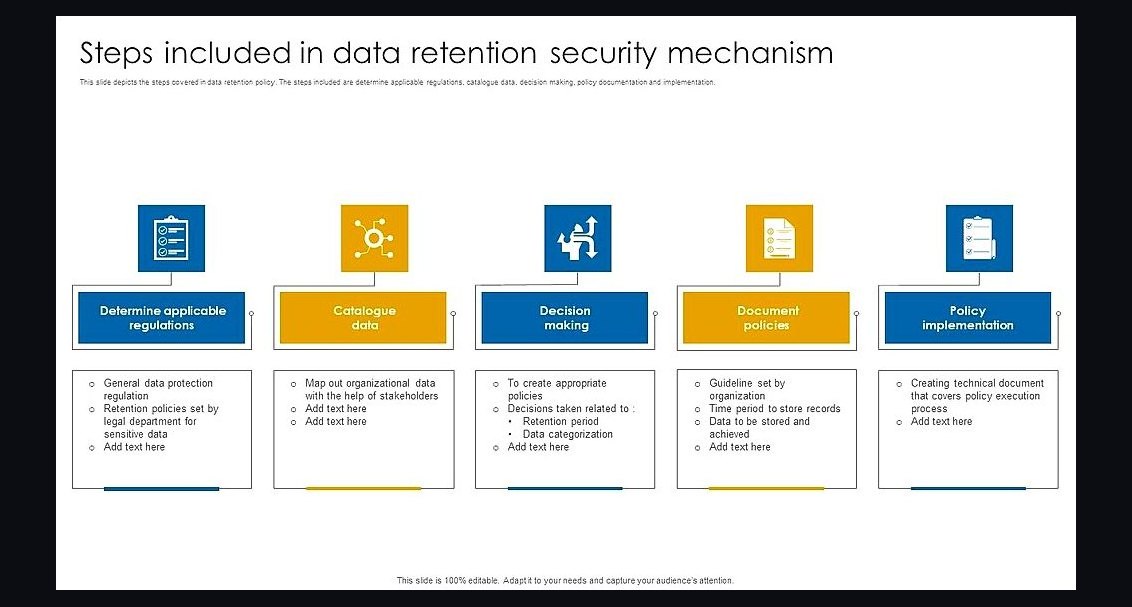 cpi-securityCPI Security retention tactics — what happens when you try to cancel in 2027
 cpi-securityCPI Security's inTouch app reliability — what reviews show in 2027
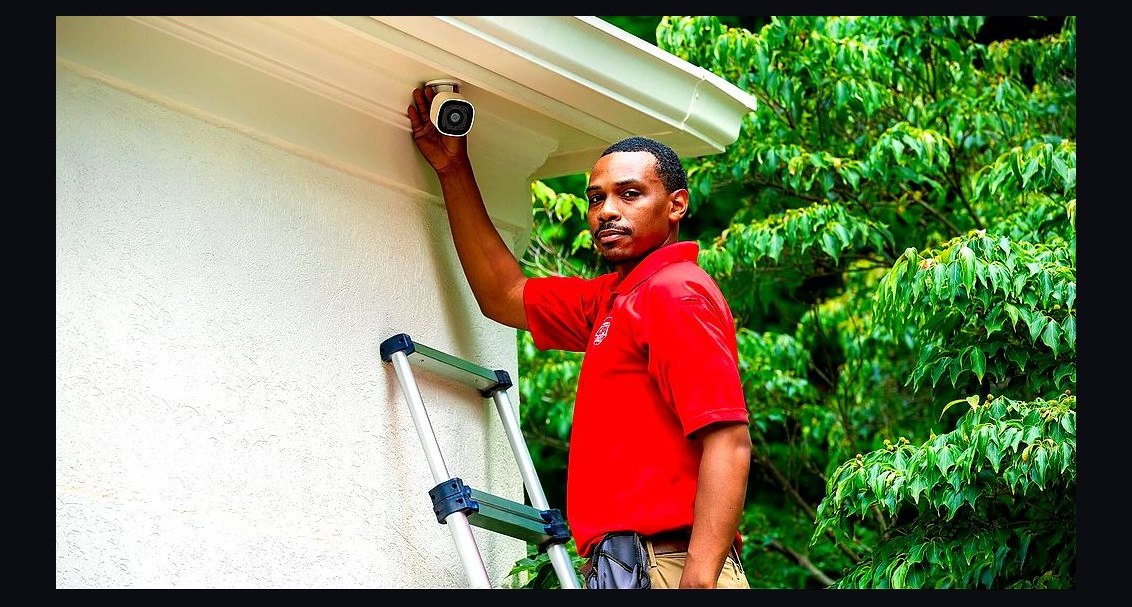 cpi-securityCPI Security installation quality — the documented technician complaints in 2027
 cpi-securityCPI Security billing issues — what customers complain about in 2027