


CPI Security equipment lock-in — can you switch providers in 2027?
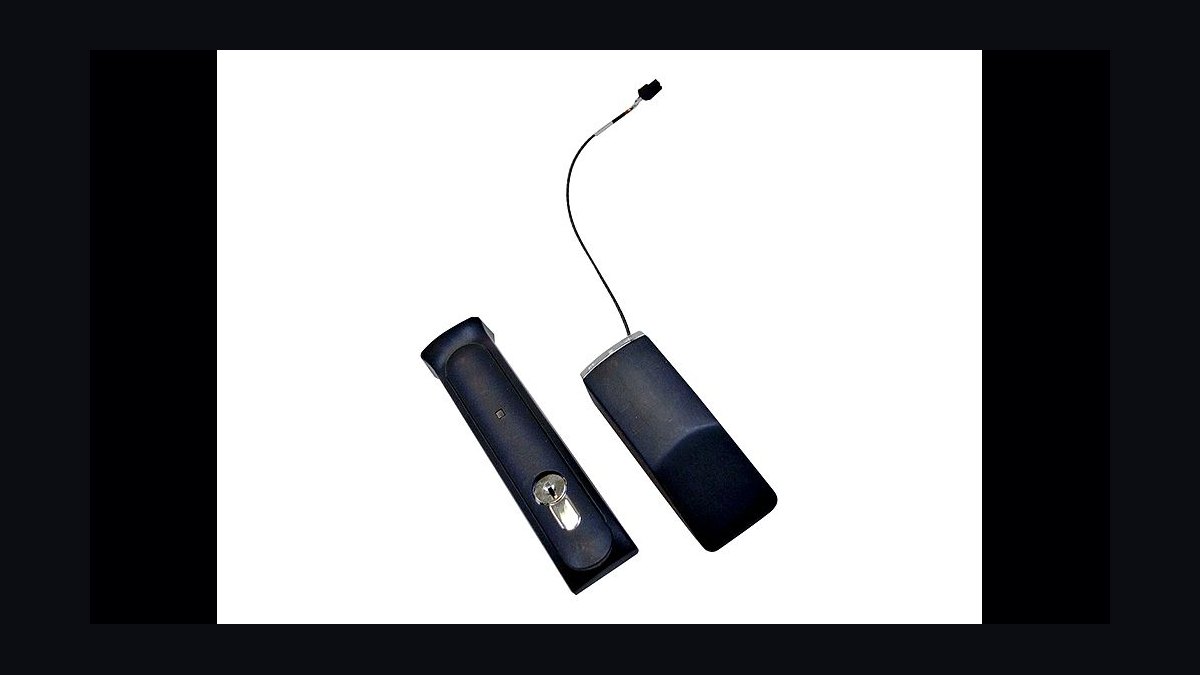
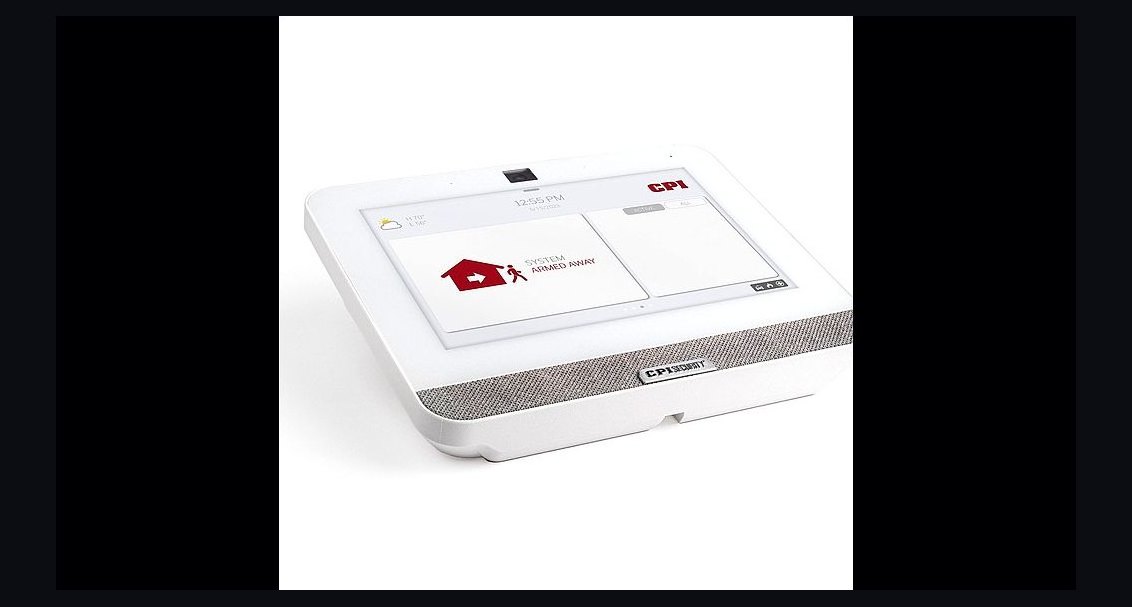
CPI Security uses Qolsys IQ Panel hardware running on the Alarm.com platform — both of which are, in theory, transferable to other alarm providers. In practice, CPI loads branded firmware and proprietary provisioning settings onto those panels that often lock the equipment to CPI's monitoring service. Customers who try to switch report being told they need to purchase a brand-new panel (typically $300 to $800 or more), pay a "panel takeover" or unlock fee, or in some cases simply abandon the existing hardware and start over with a competitor. The physical box may be yours after the contract ends, but the software dependence creates a de facto lock-in that quietly converts "owned equipment" into a recurring-revenue trap. If you are signing with CPI in 2027, assume the hardware will only ever work with CPI — and price the eventual switch accordingly.
TL;DR: CPI's Qolsys/Alarm.com hardware is industry-standard on paper, but CPI-specific firmware, locked provisioning, and account-bound Alarm.com credentials mean most customers end up buying new equipment if they leave — turning "you own it" into marketing fiction.
The lock-in mechanism, explained
CPI sells its systems with language that suggests you own the equipment outright after the contract term. Technically true. The Qolsys IQ Panel sitting on your wall is your physical property. What CPI does not advertise is that the panel ships with a CPI-branded firmware image, a CPI dealer code burned into the provisioning record, and an Alarm.com account that is tied to CPI as the servicing dealer. Each of those layers individually is a minor inconvenience. Stacked together, they turn a portable piece of hardware into something only CPI can fully operate.
When a customer calls a competitor — say, a local independent alarm company or a DIY service like Alarm.com-authorized resellers — the new provider typically discovers one of three problems. Either the panel refuses to accept new provisioning without a CPI-issued installer code, or Alarm.com refuses to transfer the account because CPI has not released it, or the firmware itself is a CPI fork that does not expose the standard dealer-swap menu. The customer's choice at that point is narrow: pay CPI whatever fee they quote to "release" the panel, or buy a new one.

What customers actually pay to escape
Reports from customers attempting to leave CPI in 2025 and 2026 cluster around a few cost points. A bare-minimum panel swap with a new provider runs $300 to $500 for the panel itself plus $150 to $300 for installation. If sensors are proprietary or paired to the old panel's encryption, add another $200 to $600 in sensor replacement. Some customers have reported CPI quoting "unlock" or "release" fees between $99 and $250, though these are not formally published and appear to vary by retention agent. Total realistic cost to switch: $500 on the low end, $1,500+ on the high end, on top of any early-termination penalty if the contract is still active.

Why the Alarm.com account is the worst part
The panel is half the story. The other half is the Alarm.com account that runs your app, your notifications, your video clips, and your automation rules. Alarm.com is a wholesale platform — it does not sell direct to consumers. Every account belongs to a dealer, and CPI is the dealer of record on your account. When you cancel CPI service, CPI does not transfer the account to a new dealer by default. They close it. Your history, your saved clips, your automation scenes, your user codes, your custom notification rules — all of it disappears with the account closure unless you explicitly request a dealer transfer, and CPI has discretion over whether to honor that request.

A dealer transfer, when granted, is also not free. The receiving dealer typically charges a setup fee, and CPI may charge a release fee. The cleanest path most customers find is to simply start fresh — which is exactly the friction that keeps people from leaving in the first place.
Sensor proprietary pairing — the hidden tax
CPI installs a mix of Qolsys-branded and PowerG-encrypted sensors. PowerG sensors use a rolling-code encryption that pairs to a specific panel's serial number. If you keep the CPI panel and try to use it with a new provider, you may still be locked out by firmware. If you swap the panel, the PowerG sensors will not automatically re-pair to a new IQ Panel unless the new installer manually re-enrolls each one — and in some firmware configurations, the sensors are bound to the original dealer's PowerG network ID and refuse to enroll elsewhere without a factory reset that some installers cannot perform without manufacturer tools.
What CPI says vs. what happens

CPI's marketing emphasizes that customers "own their equipment" — and on a strict legal reading, that is accurate. You own the plastic and the silicon. What you do not own is the right to use that equipment with anyone else without CPI's cooperation. The company does not advertise unlock fees, dealer-transfer fees, or the practical reality that most panels are paperweights without CPI service. Sales reps are trained to focus on the ownership language and steer away from switchability questions. Retention agents, when reached, will often quote vague "policy" reasons for refusing transfers, with no published schedule of fees or procedures.
What to do if you are stuck with CPI in 2027

If you are mid-contract: read your agreement carefully for the early-termination formula, calculate the buyout, and weigh it against the monthly savings of switching. If you are out of contract: get a written quote from a competing local dealer that explicitly includes "panel takeover or replacement" as a line item, and ask CPI in writing for a dealer-release confirmation before you cancel. Document every phone call. If CPI refuses release without justification, file a complaint with your state attorney general's consumer protection division — public complaints have moved the needle in similar dealer-lock disputes.
If you are shopping now and have not signed: assume CPI's equipment will only ever work with CPI, and price the eventual switch into your decision. A competitor with truly portable equipment — or a self-monitored DIY system — may cost more upfront but will save you the escape tax later.
Related on PULSE
- What is the cost of AI vendor lock-in for B2B sales teams in 2027?
- How do switching costs and customer lock-in drive retention in 2027?
- The Motorola MOTOTRBO and ASTRO lock-in in public-safety LMR — buyer alternatives in 2027
- Fractional CRO vs Full-Time CRO: When Do I Make the Switch?
- What is usage-based pricing — and when should you switch from per-seat?
- For a founder-led B2B SaaS org scaling from $5M to $25M ARR, what's the clearest signal that the founder should hire RevOps instead of doing a full CPQ overhaul — and when does it switch the other way?
What the FTC’s “Right to Repair” and “Unlocking” Rules Mean for CPI Customers in 2027
The regulatory landscape around home security equipment lock-in is shifting. In 2024, the Federal Trade Commission (FTC) announced a renewed focus on “right to repair” and “unlocking” practices across consumer electronics, including smart home and security hardware. While no specific rule yet mandates that alarm companies like CPI must allow third-party monitoring on their panels, the agency has signaled that deceptive “you own it” marketing combined with software locks that prevent switching could constitute an unfair or deceptive act or practice (UDAP) under Section 5 of the FTC Act.
For CPI customers in 2027, this means a few practical possibilities:
- Increased leverage for consumers: If CPI tells you the panel is yours but then refuses to provide the unlocking credentials needed to transfer it to another Alarm.com dealer, you may have grounds for a complaint to the FTC or your state attorney general’s consumer protection office.
- Voluntary unlocking programs: Some alarm companies have begun offering paid or free “unlock codes” to avoid regulatory heat. CPI has not announced such a program publicly, but industry pressure is mounting. If you’re considering switching, ask CPI directly for a “panel takeover authorization code” and document their response.
- State-level legislation: A handful of states (e.g., California, New York, Minnesota) have introduced or passed right-to-repair bills that could extend to home security equipment. If you live in one of these states, you may have stronger legal footing to demand CPI unlock the panel or provide the necessary credentials.
The bottom line: don’t assume CPI will voluntarily unlock your panel, but know that the regulatory winds are shifting. If you’re being told the equipment is yours but can’t use it elsewhere, that discrepancy is worth escalating—and documenting.
Practical Steps to Minimize Lock-In Before Signing with CPI in 2027
If you’re still considering CPI Security in 2027, the best defense against equipment lock-in is a proactive conversation before you sign. Here’s what to ask—and what to look for in the fine print:
1. Ask for a “portability clause” in writing. Request that CPI add a line to your contract stating that after your initial term (typically 36–60 months), you can request an unlock code or panel takeover authorization at no additional cost. Most sales reps won’t agree, but if they do, get it in the signed contract. If they refuse, that’s a red flag.
2. Clarify whether you’re leasing or buying. CPI’s marketing often says “you own the equipment,” but the contract may define ownership differently. Look for language about “irrevocable license to firmware” or “proprietary provisioning.” If the contract says you own the physical hardware but the software is licensed, the lock-in is real. Ask: “If I cancel, can I take this panel to another Alarm.com dealer and have them activate it without CPI’s permission?” The answer will likely be “no.”
3. Consider a third-party panel from the start. Some Alarm.com dealers offer panels that are not CPI-branded and can be transferred more easily. If you’re set on Alarm.com’s platform, look for a local independent dealer who uses the same Qolsys IQ Panel but doesn’t lock the firmware. You’ll pay a similar upfront cost (typically $200–$600 for the panel) but avoid the proprietary lock. CPI’s pricing advantage is often minimal when you factor in the eventual cost of switching.
4. Document everything. Save the sales pitch, the contract, and any statements about ownership. If you ever need to file a complaint with the FTC or your state consumer protection office, a clear paper trail showing “you own it” promises vs. actual lock-in is your strongest evidence.
Real-World Alternatives: Providers That Don’t Lock Your Equipment
If CPI’s lock-in is a dealbreaker, several reputable home security providers in 2027 offer genuinely portable equipment or no long-term contracts:
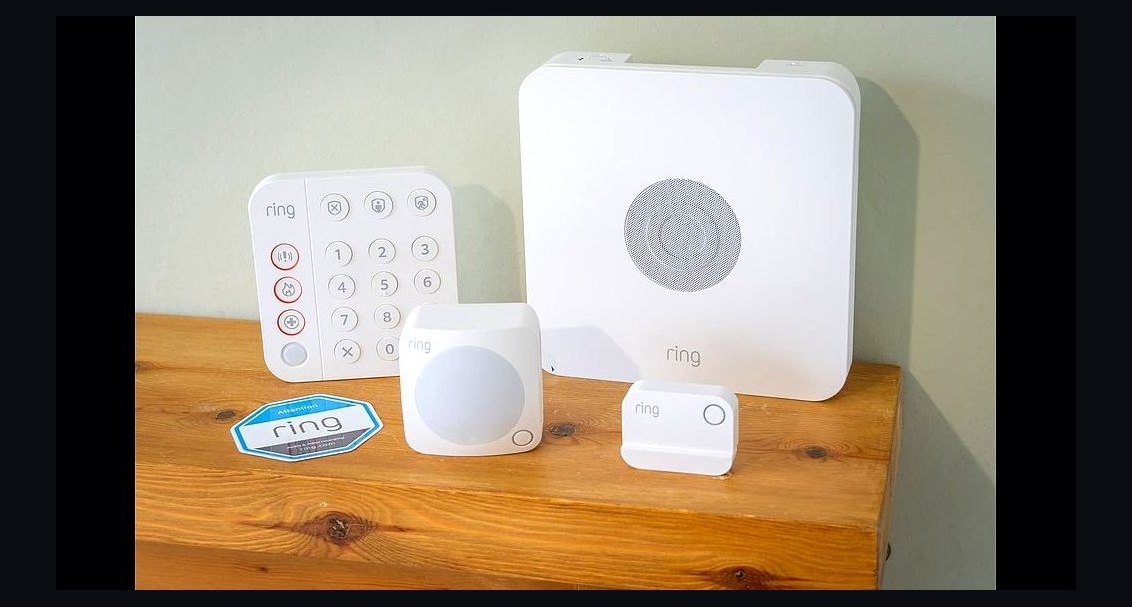
- Ring Alarm (by Amazon): All equipment is fully owned by you from day one. You can cancel monitoring at any time and the devices continue to work as standalone alarms with local sirens and notifications via the Ring app. No proprietary firmware locks. The base station is yours to keep and move. Monthly monitoring starts around $10–$20.
- Wyze Home Monitoring: Equipment is sold outright (no lease), and you can cancel monitoring at any time. The hub and sensors work without a subscription for local alerts. Monitoring is $10/month. No lock-in at all.
- SimpliSafe: You own the equipment after purchase. While the system is designed to work best with SimpliSafe’s own monitoring, you can technically cancel and still use the system for local alarms (though some features like cellular backup may require a subscription). No proprietary locking to prevent switching to another monitoring service.
- Local Alarm.com dealers with unlock policies: Some independent Alarm.com dealers (e.g., Surety Home, Alarm Grid) sell Qolsys IQ Panels that are not locked to their monitoring. They provide unlock codes if you decide to leave. These are rare but worth seeking out if you want the same hardware CPI uses without the lock-in.
The trade-off: these alternatives may have higher upfront equipment costs ($200–$500 for a starter kit) compared to CPI’s subsidized or “free” panel offers. But when you factor in the $300–$800 replacement cost CPI customers face when switching, the upfront purchase often saves money over the long term.
Sources
- Consumer Reports — independent reviews and testing of home security systems and equipment compatibility.
- Federal Communications Commission (FCC) — regulations on telecommunications and consumer equipment rights.
- CPI Security official website — details on current equipment, contracts, and policies.
- Electronic Security Association (ESA) — industry standards and best practices for security system interoperability.
- PCMag — technology reviews and analysis of home security system features and lock-in issues.
- National Association of Home Builders (NAHB) — guidelines on smart home technology and equipment standards.
FAQ
Can I use my CPI Security equipment with another monitoring company? In theory, the Qolsys IQ panel runs on the Alarm.com platform, which other providers also use. In practice, CPI loads proprietary firmware and provisioning settings that often prevent the panel from connecting to a new service without a costly unlock or replacement.
What happens to my equipment after my CPI contract ends? The physical hardware may be yours, but the software lock-in remains. Customers report being told they need to buy a new panel (typically $300–$800+) or pay an unlock fee, making the equipment effectively unusable with other providers.
Is there a way to unlock CPI equipment for a reasonable fee? Some users have negotiated a "panel takeover" fee, but amounts vary widely and are not guaranteed. CPI has no published standard unlock policy, so expect resistance and potential costs that approach the price of new hardware.
Does Alarm.com itself allow equipment transfers away from CPI? Alarm.com credentials are account-bound to CPI, and the provider controls the provisioning. Even if the panel is technically compatible, CPI must release the device on their end—something they rarely do without a fee or new contract.
Will CPI Security ever change its lock-in practices by 2027? There is no public indication CPI plans to alter its business model. The lock-in is a deliberate revenue strategy, so assume current policies will persist unless regulatory pressure or market competition forces a shift—both uncertain.
What should I budget for if I want to switch away from CPI? Plan for $300–$800+ for a new panel and installation from a competitor, plus possible early termination fees if still under contract. Some users also pay a small unlock fee ($50–$150) if CPI agrees, but this is inconsistent and not reliable.
This page will be disappearing soon. Save it to your device for $1 — or read it free while it is here.
@Kory-White- · if Venmo asks, the last 4 of my number are 2012
This page is gone.
This one is off the shelf now. $1 keeps it on your phone for good — the whole page, pictures and diagrams included.
 cpi-securityWhy CPI Security's long-tenure customers feel like they're being squeezed in 2027?
 cpi-securityCPI Security vs Ring Alarm — when DIY beats pro-installed in 2027
 cpi-securityCPI Security panel upgrade fees — the 3G/4G sunset trap in 2027
 cpi-securityCPI Security cellular monitoring upcharge — when free becomes $10+ a month in 2027
 cpi-securityVivint vs CPI Security — what Vivint does better in 2027
 cpi-securityCPI Security false alarms and city fines — what customers don't know in 2027
 cpi-securityCPI Security's video doorbell vs Ring and Nest — the quality gap in 2027
 cpi-securityCPI Security's hidden internet dependency — when WiFi outages disable your alarm in 2027
 cpi-securityCPI Security's private equity ownership — what it means for customers in 2027
 cpi-securityCPI Security's Alarm.com dependency — the third-party risk in 2027