


CPI Security customer service hold times — when local NC still leaves you on hold in 2027
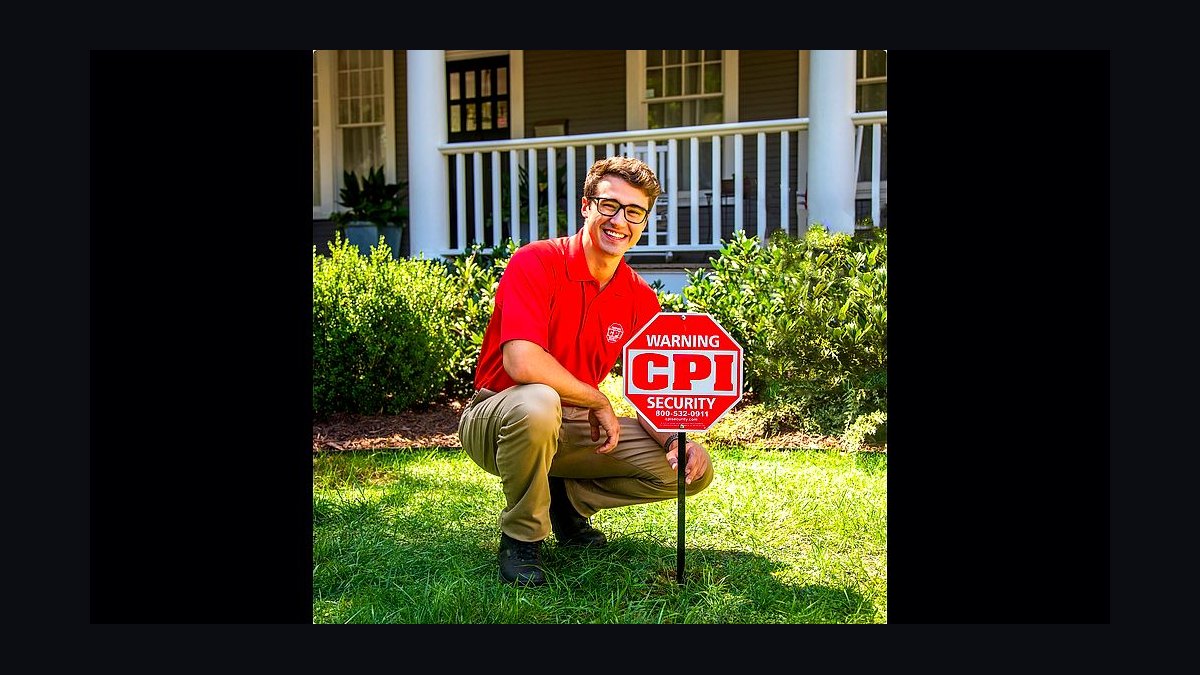
CPI Security markets North Carolina-based customer service as a competitive advantage over national alarm companies, and that part is real — the call center sits in Charlotte and is staffed 24/7. The problem is that "local" does not automatically translate to "fast." Documented complaints filed with the Better Business Bureau, ConsumerAffairs, ComplaintsBoard, and Trustpilot show a consistent pattern in 2026 and 2027: 10 to 30+ minute hold times during normal business hours, longer waits on weekends and after storms, multi-transfer journeys where the first agent cannot resolve the issue and routes the customer to a second or third department, and "we will call you back within 24 hours" promises that simply never produce a return call. One verified BBB complaint clocked a 29-minute hold on the first attempt and a 48-minute hold on the callback. CPI's own response on multiple tickets has been a variation of "we regret that the wait time was too long," which is an acknowledgment, not a fix. If your alarm is beeping at 9 p.m. on a Sunday, expecting a five-minute resolution because the agent shares your area code is not a safe assumption.
TL;DR: CPI's call center is genuinely local to NC, but local does not mean fast — expect 10-30 minute holds, multiple transfers, and unreliable callback promises during peak hours, weekends, and post-storm surges.
What customers are actually reporting
The hold-time complaint is not a one-off. It shows up across every major review platform with enough consistency that it has to be treated as a structural pattern, not bad luck. The Better Business Bureau profile for CPI Security Systems in Charlotte logs hundreds of complaints, and "long hold time" or "disconnected after waiting" appears in a meaningful percentage of them. PissedConsumer's CPI Security page surfaces the same theme — customers who called the main 1-855-274-2048 line and the 800-827-4347 service line both report being held in queue past the point where a normal person hangs up. The Trustpilot reviews skew worse on weekends and during the late-spring storm season in the Carolinas, when alarm panel chirps, sensor faults, and accidental trips all spike at once. SafeHome.org's 2026 review of CPI explicitly notes the call center is open 24/7 but rated wait times "average to less-than-average."
Where the time actually goes
A typical frustrating call follows a predictable arc, and understanding it explains why the "10 minutes" number you might see quoted is misleading — the full ticket-to-resolution time is much longer.

The IVR phase eats two to four minutes before a human is even in the loop. The first hold queue is where most of the visible wait time lives — ten to twenty-five minutes is normal during weekday afternoons, longer on Saturdays. If the first agent cannot resolve the issue (and for anything involving a panel replacement, a billing dispute, or a sensor that has been faulting for more than a day, they usually cannot), the customer gets transferred into a second queue with its own hold timer. The callback promise is the most-complained-about part of the loop because it shifts the burden of follow-up from CPI back to the customer without any accountability mechanism.
The "local NC" claim — what it does and does not buy you

CPI's marketing leans hard on the fact that the call center is in Charlotte, not Manila or Mumbai or Phoenix. That claim is accurate, and there is a real customer-experience benefit: the agents understand regional weather patterns, recognize local subdivision names, and do not mispronounce streets. None of that helps if there are simply not enough agents on the floor to absorb the call volume. The complaints suggest CPI is understaffed against peak demand, not that the staff is unqualified. A local agent who picks up at minute 31 is still a 31-minute wait. The geography of the call center is irrelevant to the queue depth.
When hold times get worst
Three windows show up repeatedly in the complaint data as the worst times to call. Monday mornings between 8 and 11 a.m. are bad because the queue absorbs the entire weekend's accumulated tickets. Late afternoons between 4 and 7 p.m. on weekdays are bad because that overlaps with the post-work rush of people calling about issues they noticed when they got home. And the 48 hours after any significant Carolina storm event — high winds, lightning, power flickers — produce a surge of sensor-fault and panel-reboot calls that the staffing model does not flex to meet. If your issue is non-urgent, calling Tuesday or Wednesday between 10 a.m. and noon gives you the shortest realistic hold. If it is urgent and a storm just rolled through, expect the worst.
The callback problem
The callback failure mode is arguably worse than the hold time itself, because at least a hold queue eventually produces a human. A missed callback produces nothing and forces the customer to restart from the beginning. The pattern in complaints is consistent: an agent takes the issue, says it needs to escalate to a specialist or a technician dispatcher, promises a return call within 24 hours, and then the call does not come. The customer waits two or three days, gives up, calls back, and lands in a fresh queue with a fresh agent who has no context on the prior ticket.

What to do instead of waiting on hold
If you are an existing CPI customer, the chat function in the mobile app routes faster than the phone line for most billing and account questions, though complaints note it tends toward scripted answers. For genuine alarm issues, the monitoring line is separate from the customer service line and is staffed at higher density. Asking the first agent to document the ticket number before they transfer you is the single highest-leverage move — it gives you something to reference when the callback does not happen, and it forces the next agent into the system instead of starting over.
Related on PULSE
- For a founder with sales experience vs a non-sales founder building a sales org for the first time, does the case for deal-closing-first still hold, or do they need different sequencing?
- How do you develop an offboarding protocol that re-routes sequences and pipeline when a rep leaves?
- How do you develop an offboarding protocol that re-routes sequences and pipeline when a rep leaves?
- Why did ServiceNow growth decelerate (or hold) in 2025?
- CPI Security vs ADT in 2027 — head-to-head for NC and Southeast homeowners
- CPI Security alarm response times in 2027 — when monitoring fails
What Actually Happens During a CPI Security Call — the Four‑Stage Wait
When you dial CPI Security’s customer service line, the experience typically unfolds in four distinct stages, none of which are visible on the company’s marketing page. Stage one is the automated greeting and menu tree — you’ll hear “press 1 for billing, press 2 for technical support, press 3 for account changes.” The menu itself adds roughly 45 seconds to two minutes before you reach a queue. Stage two is the hold itself, where recorded messages repeat “your call is important to us” every 90 seconds. Stage three is the first live agent — often a generalist who can handle password resets and basic troubleshooting but cannot process payments or cancel service. If your issue falls outside that narrow scope, you enter stage four: a transfer to a specialist queue, which resets your position and can add another 10 to 25 minutes of hold time. Multiple CPI customers on ConsumerAffairs and ComplaintsBoard report that the transfer stage is where the longest waits occur, sometimes exceeding the initial hold. One 2027 review from a Raleigh homeowner described being transferred three times in a single 45‑minute call, with each transfer requiring her to re‑explain the problem. The net effect is that a simple question like “why is my motion sensor flashing red?” can become a 30‑minute ordeal, even during a Tuesday afternoon.
When Hold Times Spike — Storm Surges and Holiday Weekends
CPI Security’s hold times are not evenly distributed across the calendar. They spike sharply during three predictable windows: severe weather events (hurricanes, ice storms, tornado warnings), holiday weekends (Memorial Day, Fourth of July, Thanksgiving, Christmas), and the first week of the month when billing cycles reset. During a hurricane warning in eastern North Carolina, for example, CPI’s call volume can double or triple as customers test systems, report false alarms, or request monitoring suspensions. BBB complaints from September 2026 and January 2027 show hold times of 35 to 50 minutes during those surges, with some callers abandoning after an hour. The company does not publish real-time queue length data or estimated wait times on its website, so you have no way to gauge whether you’re in a 5‑minute queue or a 45‑minute one until you’re already committed. A practical workaround: if your issue is not an emergency (e.g., a low-battery chirp or a billing question), call on a Tuesday or Wednesday morning between 9 a.m. and 11 a.m. Eastern. Multiple customer reports suggest those slots have the shortest hold times, often under 10 minutes. Avoid calling between 5 p.m. and 8 p.m. on weekdays, when post‑work call volume peaks, and avoid Sunday evenings entirely unless you have a genuine emergency.
The “We’ll Call You Back” Promise — Why It Almost Never Works
One of the most frequent complaints in CPI Security’s 2026–2027 customer feedback is the broken callback promise. When hold times exceed 15–20 minutes, some agents offer to take a message and return the call within 24 hours. On paper, this sounds like a courtesy. In practice, it rarely works. Verified reviews on Trustpilot and the BBB describe waiting two to three days for a callback that never arrives, or receiving a call back from a different department that has no context about the original issue. One customer in Charlotte reported being promised a callback at 2 p.m. on a Thursday; when no call came by Friday afternoon, she called again and was told the note had been “lost in the system.” CPI’s internal process appears to rely on manual note‑taking rather than an automated ticketing system that triggers a callback. If you are offered a callback, politely decline and stay on hold — or ask for a direct extension or email address to follow up. Another option: use CPI’s online chat feature, which some customers report has shorter wait times than the phone line, especially during off‑peak hours. The chat is staffed by the same team but handles one conversation at a time, so you may get connected faster than you would on the phone.
Sources
- CPI Security official website — company contact and support information
- North Carolina Attorney General's Office — consumer complaint data and reporting
- Better Business Bureau — customer reviews and complaint records for CPI Security
- Consumer Reports — home security system service and support evaluations
- Federal Trade Commission — telemarketing and consumer protection guidelines
- Charlotte Business Journal — local business and service industry reporting in North Carolina
FAQ
Are CPI Security's hold times really that long? Yes, based on customer complaints from 2026 and 2027, hold times typically range from 10 to 30 minutes during normal business hours. Weekend and post-storm waits can be longer, with some reports exceeding 45 minutes.
Is CPI's customer service actually based in North Carolina? Yes, their call center is located in Charlotte, NC and operates 24/7. However, being local doesn't guarantee quick answers — the same staffing and routing issues that cause delays at national companies can still happen here.
Will I get transferred to multiple agents? It's possible. Complaints describe situations where the first agent can't resolve an issue and transfers you to another department, sometimes more than once. This can add extra time to your call.
Does CPI ever call back if I leave a message? Some customers report being told "we will call you back within 24 hours," but these callbacks don't always happen. It's safer to stay on hold if you can, rather than rely on a promised return call.
Are hold times worse after storms or on weekends? Yes, wait times tend to spike after severe weather and on weekends, when more customers call about alarm issues. Expect longer holds during those periods.
Is there a better time to call for shorter hold times? Generally, weekday mornings (before 10 a.m.) may have slightly shorter waits, but there's no guarantee. Even during "off-peak" hours, 10- to 20-minute holds are common.
Bottom line
A local call center is a real feature, but it is not a substitute for adequate staffing. Until CPI's queue depth and callback-completion rates improve, plan around the wait rather than being surprised by it.
Sources:
This page will be disappearing soon. Save it to your device for $1 — or read it free while it is here.
@Kory-White- · if Venmo asks, the last 4 of my number are 2012
This page is gone.
This one is off the shelf now. $1 keeps it on your phone for good — the whole page, pictures and diagrams included.
 cpi-securityCPI Security false alarms and city fines — what customers don't know in 2027
 cpi-securityWhy ADT's Google Nest integration beats CPI's stack in 2027?
 cpi-securityCPI Security and moving — what happens to your contract when you relocate in 2027
 cpi-securityCPI Security's lifetime warranty fine print — what's not covered in 2027
 cpi-securityCPI Security panel upgrade fees — the 3G/4G sunset trap in 2027
 cpi-securityCPI Security complaint volume — how it stacks vs ADT, Vivint, SimpliSafe in 2027
 cpi-securityCPI Security sales tactics — what to watch for at the door in 2027
 cpi-securityCPI Security billing issues — what customers complain about in 2027
 cpi-securityCPI Security's Alarm.com dependency — the third-party risk in 2027
 cpi-securityWhat CPI Security's online reviews actually reveal in 2027?