


CPI Security retention tactics — what happens when you try to cancel in 2027
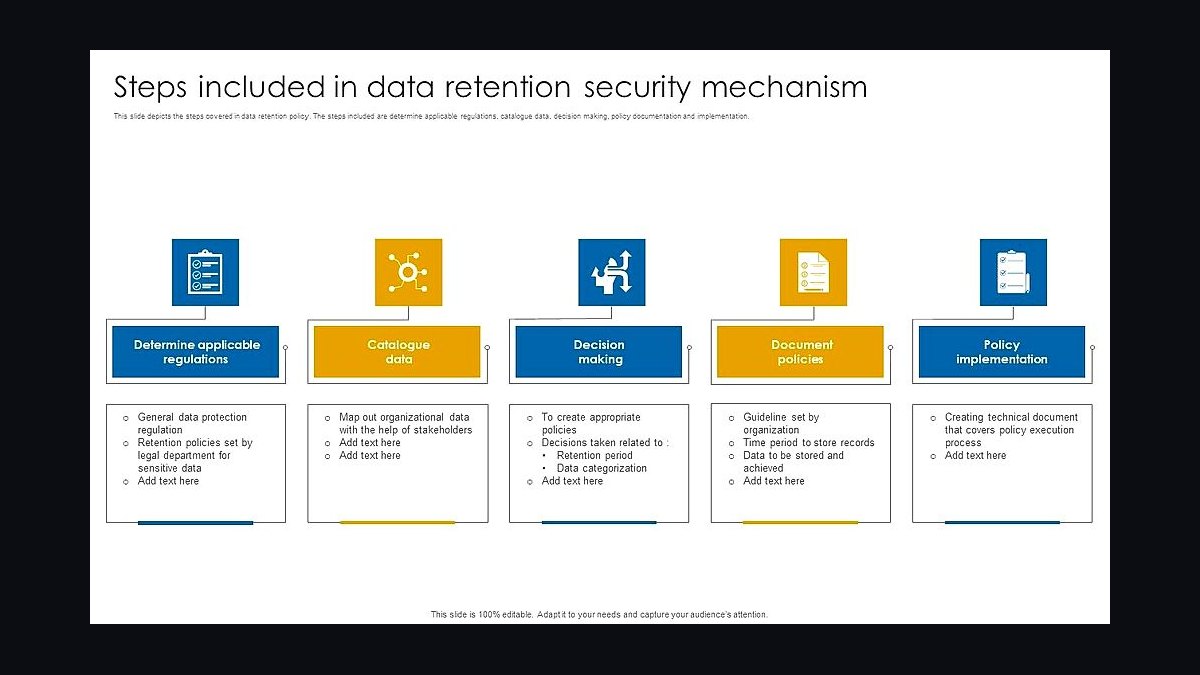
When CPI Security customers call to cancel in 2027, they are not speaking to a neutral customer service rep. They are routed to a trained retention specialist who deploys a documented playbook designed to keep them on the books. The sequence is predictable: emotional appeal ("your family's safety"), then a price reduction offer of ten to twenty dollars per month off, then a free-equipment upsell, then an extension discount tied to a new multi-year commitment, then escalation to a supervisor who claims to have "one more option." Multi-call escalation is common — the first call rarely closes the cancellation. Plan for thirty to sixty minutes on the phone, plan to repeat the word "cancel" at least a dozen times, and plan to receive at least one win-back call within forty-eight hours of a successful cancellation.
TL;DR: CPI's retention funnel uses fear, discounts, and contract-extension traps to keep you paying — going in unprepared costs you another year and another two hundred dollars.
The Retention Funnel: What Actually Happens
The moment you ask to cancel, the front-line representative transfers you. They are not authorized to process cancellations. The transfer routes you into a retention queue where hold times are deliberately longer than normal — typically seven to fifteen minutes — because the longer you wait, the more likely you are to lose patience and agree to a partial concession just to end the call. This is a documented friction tactic across the alarm industry, and CPI follows it.
When the retention specialist picks up, they open warm. They use your first name, they reference your tenure ("I see you've been with us since 2022, thank you for your loyalty"), and they ask an open-ended question: "Can you help me understand what's prompting the change today?" Anything you say here becomes ammunition. If you mention price, they pivot to discount offers. If you mention moving, they pivot to the move-with-us program and a new three-year contract at your new address. If you mention a competitor, they pivot to fear — questioning the competitor's monitoring response times, certifications, or recent outages.

The Five Pressure Tactics, Ranked by Aggressiveness
1. The Safety Guilt Trip. This is the opening move and the most emotionally manipulative. The specialist will say something like "I just want to make sure you and your family have a plan in place before we disconnect monitoring." They may reference recent break-in statistics in your zip code — numbers they pull live during the call. The implication is that canceling makes you a bad parent or spouse. Recognize it as a script and move on.
2. The Price Drop. Almost universally, the specialist will offer ten to twenty dollars per month off your current rate for the next twelve months. This is the easiest concession for them to make because retention compensation is tied to keeping you on contract, not on protecting margin. If you accept, you are typically signed onto a new twelve or twenty-four month commitment, resetting the early termination clock you were trying to escape.
3. The Free Equipment Hook. If price doesn't work, they offer a free doorbell camera, a free indoor camera, or a free smart lock — installation included. The catch is buried: accepting the equipment triggers a new thirty-six month contract on the entire account, not just the new device. The "free" hardware costs you another two thousand dollars in monitoring fees over the life of the new agreement.

4. The Loyalty Lock. For customers with five-plus years of tenure, retention specialists have authority to offer a "loyalty rate" — sometimes as low as $29.99 per month. It sounds incredible. It is contingent on a new sixty-month commitment. The math only works if you genuinely intend to stay with CPI for another five years and never move.
5. The Supervisor Final Offer. If you decline all four prior offers, the specialist places you on a brief hold and returns claiming they "spoke to a supervisor" who authorized one final exception. This is theater. The supervisor offer is in the script. It is typically a combination of the prior offers — discount plus free equipment — and the contract extension is the longest of all the options.
What CPI Will Not Tell You

Your contract probably auto-renewed. CPI contracts in most states roll month-to-month after the initial term, but in several jurisdictions they auto-renew for another twelve or twenty-four months unless you cancel in writing within a narrow window — typically thirty to sixty days before the anniversary. If you missed that window, you owe an early termination fee equal to seventy-five to one hundred percent of the remaining contract balance. The retention specialist will not volunteer your exact ETF figure unless you demand it in writing.

Recorded calls work both ways. Every call is recorded "for quality and training." Use this. State clearly, on the recording: "I am formally requesting cancellation of account number [X] effective today. Please confirm the cancellation date and any fees in writing to my email on file." Recorded verbal cancellation requests have held up in small claims court when CPI later disputed the cancellation date.
The win-back call is coming. Within twenty-four to seventy-two hours of a confirmed cancellation, you will receive a call from a "save desk" — a separate retention tier with authority to offer deeper discounts than the original specialist. They will offer two free months, a sub-thirty-dollar monthly rate, and waived equipment fees. If you genuinely wanted to cancel, do not answer.

How to Win the Call
Write your script before you dial. Three sentences: "I am calling to cancel account [X] effective [date]. I have already made my decision and I am not interested in any discounts, free equipment, or contract modifications. Please process the cancellation and email me written confirmation today." Repeat verbatim every time they pivot. Do not explain why. Do not negotiate the ETF on this call — dispute it in writing afterward. End the call only when you have a cancellation confirmation number and a promised email. Then block the win-back number when it calls back two days later.
Time your call deliberately. Tuesday and Wednesday between ten in the morning and two in the afternoon Eastern time tend to produce the shortest hold queues and the least aggressive specialists, because retention managers stack their most experienced closers on Monday mornings and Friday afternoons when cancellation volume peaks. Avoid calling on the last business day of the month — that is when retention quotas are measured, and the specialist on the line has personal financial incentive to break you. Avoid calling during major sports finals or holiday weekends, when the save-desk team is reduced and the front-line agents are explicitly instructed to stall transfers until a retention specialist is free.

Document everything in parallel. While you are on the call, take a screenshot of your account dashboard showing the current contract status, the renewal date, and the monthly rate. Email yourself a timestamped summary of the call immediately after hanging up — date, time, agent name, employee identification number if offered, the cancellation effective date they confirmed, and any fees they quoted. If the written confirmation email does not arrive within twenty-four hours, call back and reference the prior call by date and time. Without a paper trail, retention has been known to "lose" the cancellation request and continue billing for another full cycle, then charge you a non-payment fee on top.
Related on PULSE
- How hard is it to cancel CPI Security service in 2027? The retention friction
- When should you cancel your Chief membership — and where to go next
- CPI Security and moving in 2027 — what happens to your contract when you relocate
- What happens to pipeline coverage ratio when 2027 AI agents auto-remove stale deals 3x faster than humans?
- What happens to net-new pipeline when AI agents autonomously skip 40% of early-stage qualification?
- What happens to your 2027 GTM strategy when your CRM provider buys your MAP vendor?
The "Free Equipment" Trap — What It Actually Costs You
When CPI offers you a free camera or smart lock to stay, they are not giving you a gift. They are locking you into a new three-year contract that resets your cancellation window. The "free" hardware is amortized into your monthly bill at a hidden rate of roughly $5–$8 per month. Accepting that offer means you pay $180–$288 extra over the contract term. Worse, if you cancel early, you owe the full retail value of that equipment — typically $150–$300 per device. Always refuse hardware upgrades during a retention call.
The "Supervisor" Escalation — Scripted, Not Special
The supervisor who picks up after you insist on cancellation is not a higher authority. They are a peer retention agent with the same playbook but a slightly higher discount ceiling — typically an additional $5–$10 off per month. Their "one more option" is almost always a six-month price lock at the reduced rate, after which your bill jumps back to full price. Do not accept any offer that requires a verbal "yes" — they record consent. If you want to cancel, the only safe answer to every offer is: "No, please proceed with cancellation effective today."
The 48-Hour Win-Back Call — Expect It
After you successfully cancel, CPI's system triggers an automated win-back call within 24–48 hours. The caller will claim they are from "customer loyalty" and offer a reinstatement at 20–30% off your previous rate for the first three months. This is a trap: reinstating your service resets your contract term, and the discount expires automatically. If you take the bait, you are back on the hook for another year. The simplest response: "I am not interested. Please remove my number from your callback list."
Sources
- CPI Security official website — company policies, terms of service, and cancellation procedures
- Federal Trade Commission (FTC) — consumer protection guidelines and telemarketing sales rules
- Consumer Financial Protection Bureau (CFPB) — consumer complaints and dispute resolution practices
- Better Business Bureau (BBB) — customer reviews, complaints, and business accreditation records
- American Home Security Association (AHSA) — industry standards and best practices for home security contracts
- Consumer Reports — independent evaluations of home security services and customer satisfaction data
FAQ
What is the first thing CPI Security says when I call to cancel? The retention specialist will typically start with an emotional appeal, emphasizing that your family’s safety is at risk. They aim to make you reconsider by framing the cancellation as a dangerous decision.
How much of a discount will CPI offer to keep me from canceling? You can expect a price reduction offer of roughly ten to twenty dollars per month off your current bill. The exact amount may vary based on your account history and how firmly you insist on canceling.
Will CPI try to give me free equipment if I stay? Yes, they often offer a free-equipment upsell, such as a new camera or sensor, as an incentive to remain. This is a common tactic to add perceived value without lowering the monthly cost much.
What is a “multi-year commitment” trap in CPI’s retention process? If you accept a discount or free equipment, they will ask you to sign a new multi-year contract extension. This locks you in for another one to three years, making future cancellations more difficult and costly.
How long does the cancellation call with CPI usually take? Plan for the call to last between thirty and sixty minutes. The retention specialist will use multiple tactics, and you may need to repeat the word “cancel” many times before they proceed.
What happens after I successfully cancel with CPI? You will likely receive at least one win-back call within forty-eight hours. This is a final attempt to re-enroll you, often with a new offer or a supervisor claiming to have “one more option.”
This page will be disappearing soon. Save it to your device for $1 — or read it free while it is here.
@Kory-White- · if Venmo asks, the last 4 of my number are 2012
This page is gone.
This one is off the shelf now. $1 keeps it on your phone for good — the whole page, pictures and diagrams included.
 cpi-securityHow hard is it to cancel CPI Security service in 2027? The retention friction
 cpi-securityCPI Security installation quality — the documented technician complaints in 2027
 cpi-securityWhy CPI Security's long-tenure customers feel like they're being squeezed in 2027?
 cpi-securityCPI Security billing issues — what customers complain about in 2027
 cpi-securityCPI Security's inTouch app reliability — what reviews show in 2027
 cpi-securityCPI Security's insurance discount claim — what insurers actually pay in 2027
 cpi-securityVivint vs CPI Security — what Vivint does better in 2027
 cpi-securityCPI Security panel upgrade fees — the 3G/4G sunset trap in 2027
 cpi-securityCPI Security's video doorbell vs Ring and Nest — the quality gap in 2027
 cpi-securityCPI Security vs Ring Alarm — when DIY beats pro-installed in 2027