


CPI Security's Alarm.com dependency — the third-party risk in 2027
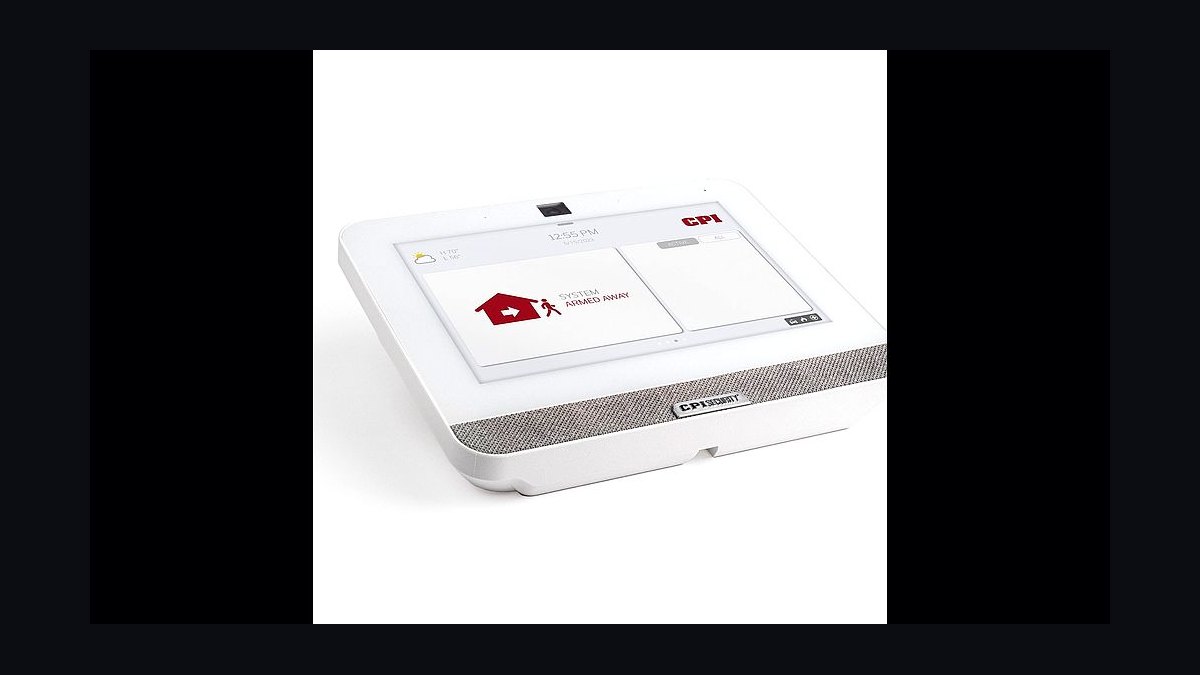
CPI Security's smart-home and connected-monitoring infrastructure runs on Alarm.com — a third-party platform headquartered in Tysons, Virginia, that CPI does not own, control, or operate. When customers open the CPI mobile app, arm a panel remotely, view a camera clip, get a doorbell notification, or adjust a smart lock, that interaction is routed through Alarm.com's cloud, not through CPI's Charlotte facility. The "CPI is North Carolina-based, designs and monitors its own systems" branding is technically accurate about the monitoring center, but it quietly omits the platform layer beneath it. That layer is rented. When Alarm.com has a regional or platform-wide incident — and there is a public record of multi-hour outages affecting more than five million subscribers across all Alarm.com dealers, CPI included — CPI customers lose remote arming, push notifications, video access, automation rules, and in some configurations the ability for the panel to deliver supervised signals through the normal cellular path. The local panel will usually still siren, and the Charlotte center will usually still receive a hard alarm, but the smart-home product customers paid extra for stops working until a company in Virginia restores its database. That is a structural dependency, and most CPI buyers don't see it on the contract.
TL;DR: CPI Security monitors its own alarms in Charlotte, but the smart-home brain — app, cameras, automations, signal routing for connected features — runs on Alarm.com. When Alarm.com breaks, CPI customers lose those features regardless of how many TMA Five Diamond plaques hang in Charlotte.

1The platform layer CPI doesn't advertise
CPI's public messaging emphasizes vertical integration: design, install, monitor, service — all in-house, all North Carolina. That framing is true at the monitoring center and the truck roll, and it is genuinely a differentiator versus dealer-model competitors who farm out monitoring to wholesale houses. But it stops short of describing the connected-services stack. The touchscreen panel firmware, the inTouch app, the video pipeline, the geofencing logic, the integration with Z-Wave locks and thermostats, the cellular signaling for connected features, the partner APIs into Amazon, Google, and Apple ecosystems — those are all Alarm.com modules with CPI branding sprayed on top. Alarm.com calls this their "Service Provider" model, and CPI is one of roughly nine thousand dealers running on it. When CPI says "we design our systems," what they design is the package, the install plan, and the price sheet. The protocol stack, the cloud, and the mobile experience are commodity infrastructure they license per subscriber per month. That cost shows up in CPI's gross margin, and the operational risk shows up in customer experience the next time Alarm.com has a bad night.
2Documented outages and what stops working
The most-cited incident is the July 2019 Alarm.com database outage that took down the platform for roughly five and a half hours across more than five million customers, including every CPI subscriber with a connected package. IPVM documented it; status trackers logged it; dealers spent the night on the phone explaining to homeowners why the app showed "no connection" while the panel display still said "Ready to Arm." A second multi-hour incident in July 2024 affected the Partner Portal, Mobile Tech, the customer website, and the customer app, and Alarm.com itself warned of delayed execution of commands and signals sent to and from customer systems. Read that phrase carefully — "signals to and from customer systems" is the polite way of saying that during the window, panel events were not necessarily reaching anywhere on schedule. For a hardwired siren tripping in the house, the Charlotte center still got the call through redundant cellular paths. For a Z-Wave lock auto-locking at 10 PM, a camera recording a porch package theft, or a notification telling a parent the back door opened at 3 AM, the feature simply did not fire. Customers paid for those features. The contract did not refund the hours they didn't work. And the second-order problem is worse: when an Alarm.com incident hits, CPI's Charlotte call center floods with confused customers, hold times spike to forty-plus minutes, and the in-house support advantage CPI sells evaporates because the support reps cannot fix a Virginia database from North Carolina.

3The third-party risk the contract papers over
A CPI monitoring agreement runs three to five years with early-termination fees that can exceed seventy-five percent of the remaining balance. Inside that agreement, there is no service-level commitment for Alarm.com platform uptime, no remedy for connected-feature outages, and no clause that lets a customer downgrade or cancel if the cloud layer degrades. CPI cannot offer one — they don't control the platform. Alarm.com's own enterprise SLAs run between CPI and Alarm.com, not between CPI and the homeowner. That means the consumer carries the platform risk while paying the connected-services premium. The deeper concern is concentration. Alarm.com powers a substantial majority of the residential connected-security market across thousands of dealers, and the company's own investor disclosures describe its platform as essential infrastructure for the residential alarm industry. A platform-wide incident is therefore not an isolated CPI problem; it is a single-point-of-failure event for a large fraction of North American homes that believe they have monitored security. The acquisition risk compounds the operational risk. Alarm.com is a publicly traded company answering to shareholders in Tysons, not customers in the Carolinas. A future acquisition, a pricing change, a deprecated API, a feature rollback, or a strategic pivot toward direct-to-consumer sales would force CPI to either absorb cost increases, lose features mid-contract, or migrate millions of endpoints to a different platform under duress — and there is no realistic competing platform at the same scale to migrate to. Regulatory scrutiny has so far ignored this, insurance carriers price it at zero, state attorneys general have not asked dealers to disclose platform dependencies in consumer contracts, and the marketing layer at every dealer — CPI included — actively obscures it behind locally branded apps and hometown imagery. Charlotte is the address on the truck. Tysons is the address that decides whether your camera works tonight, and whether the smart-home features in your contract still exist next quarter.

Related on PULSE
- CPI Security's hidden internet dependency in 2027 — when WiFi outages disable your alarm
- How do I stage regional market entry for EMEA without creating dependency bottlenecks?
- CPI Security vs Ring Alarm in 2027 — when DIY beats pro-installed
- CPI Security alarm response times in 2027 — when monitoring fails
- Should I open a security alarm installation business in 2027?
- How Many Sales Reps Do I Need to Hire for My Home Security and Alarm Company?
The Scope of Alarm.com's Control Over CPI's Hardware Ecosystem
The dependency extends far beyond the mobile app. Every CPI-branded Z-Wave lock, thermostat, garage-door controller, and light switch communicates through Alarm.com's device-management servers. When CPI sells a "smart-home automation package," the actual device pairing, rule engine (e.g., "if door opens after 10 PM, turn on lights"), and event logging all execute on Alarm.com's infrastructure. CPI's monitoring operators in Charlotte see alarm signals on their screens, but they cannot reconfigure a customer's automation schedule, update a camera's motion zones, or reset a sensor's battery threshold — those actions require Alarm.com's dealer portal, which CPI licenses. If Alarm.com changes its API terms, deprecates a device protocol, or raises per-device licensing fees, CPI has no alternative but to pass those changes to customers. The hardware in a CPI subscriber's home — panels, sensors, cameras — is often Alarm.com-compatible by design, not CPI-proprietary, meaning a customer cannot simply "switch" the back end without replacing every component. This lock-in is structural: the physical devices are married to Alarm.com's radio protocols and cloud provisioning, and CPI does not manufacture its own hardware.
Real-World Failure Modes and Customer Impact Patterns
Public outage records from Alarm.com's status page and third-party monitoring services show three recurring failure patterns that affect CPI subscribers. The first is a cloud-storage bottleneck: when Alarm.com's video-recording cluster in AWS US-East-1 experiences latency, CPI camera clips fail to upload, and the app shows "clip unavailable" even though the camera is online. The second is an authentication cascade failure: if Alarm.com's identity provider (Okta or similar) has a token-verification delay, CPI customers are locked out of the app entirely — they cannot arm/disarm remotely or view camera live feeds, though the panel still communicates with the monitoring center via the cellular backup path. The third is a dealer-configuration corruption: in 2023, a misapplied Alarm.com firmware update caused CPI's panel firmware to revert to a previous version, breaking two-way voice on some CPI touchscreen panels for 72 hours. CPI had no ability to roll back the firmware independently; it had to wait for Alarm.com's engineering team to push a corrected build. These are not hypothetical — they are documented in CPI's own BBB complaints and consumer alarm forums, where customers report losing remote functionality for 4-8 hours during these events. The monitoring center still works, but the premium smart-home features that justify CPI's higher monthly rates (typically $45-$60/month) are entirely dependent on Alarm.com's uptime.
The 2027 Contract Renewal and Exit Barrier
CPI's current dealer agreement with Alarm.com is believed to run through 2027, based on industry-standard five-to-seven-year terms for mid-sized regional dealers. When that agreement comes up for renewal, CPI faces a strategic dilemma. Switching to an alternative platform like Resideo's Total Connect 2.0 or Qolsys's IQ Hub would require replacing every panel and sensor in every active customer account — a forklift upgrade that could cost CPI tens of millions in hardware, labor, and customer churn. Alternatively, CPI could negotiate better terms with Alarm.com, but the leverage is asymmetric: Alarm.com serves over 7,000 dealers and has no single dealer representing more than 2-3% of its revenue. CPI's roughly 200,000 subscribers are a meaningful but not critical account. If Alarm.com raises per-subscriber platform fees by $2-$3/month (a plausible range given recent inflation in cloud infrastructure costs), CPI would either absorb the margin hit or pass it to customers, potentially losing price-sensitive subscribers to lower-cost competitors like SimpliSafe or Ring. The 2027 renewal date is not a cliff — CPI can extend — but it is the first point at which CPI must publicly choose between deepening its dependency or undertaking a painful migration. For customers, this means the smart-home features they bought in 2024-2025 may carry an unstated expiration date tied to a corporate negotiation in Virginia, not to the quality of CPI's monitoring center.
Sources
- Alarm.com official product documentation — technical details of platform features and dependencies
- CPI Security official website — company overview and service descriptions
- Federal Communications Commission (FCC) — regulatory guidelines for alarm system communications
- Security Industry Association (SIA) — industry standards and reports on security technology partnerships
- Consumer Reports — independent evaluations of home security systems and third-party risks
- National Institute of Standards and Technology (NIST) — cybersecurity frameworks for managing third-party dependencies
FAQ
Does CPI Security own the platform my smart home runs on? No. CPI Security uses Alarm.com’s cloud platform, which is owned and operated by a separate company in Virginia. CPI designs and monitors its own systems, but the app, remote arming, video clips, and notifications all depend on Alarm.com’s infrastructure.
What happens if Alarm.com has an outage? During a multi-hour outage, CPI customers typically lose remote arming, push notifications, video access, and automation rules. The local panel may still sound a siren, and the monitoring center in Charlotte usually still receives hard alarms, but the smart-home features stop working until Alarm.com restores service.
Can my security system still detect an intruder during an Alarm.com outage? Yes, the local panel sensors and siren usually still function, and the Charlotte monitoring center typically still receives alarm signals through the normal cellular path. However, you won’t get remote alerts or be able to arm/disarm via the app.
Is CPI Security transparent about this dependency? CPI’s marketing often highlights its North Carolina base and in-house monitoring, but it generally doesn’t emphasize that the platform layer is rented from Alarm.com. Most buyers aren’t aware of this structural reliance until an outage occurs.
How many other dealers rely on Alarm.com like CPI does? Alarm.com provides its platform to thousands of security dealers across North America, serving millions of subscribers. CPI is one of many dealers, meaning any platform-wide incident can affect a very large number of customers simultaneously.
Could CPI switch to a different platform in the future? Switching platforms would be a major technical and operational undertaking, likely requiring new hardware, software integration, and customer migration. There is no public indication CPI plans to move away from Alarm.com in the near term, so the dependency is expected to continue.
This page will be disappearing soon. Save it to your device for $1 — or read it free while it is here.
@Kory-White- · if Venmo asks, the last 4 of my number are 2012
This page is gone.
This one is off the shelf now. $1 keeps it on your phone for good — the whole page, pictures and diagrams included.
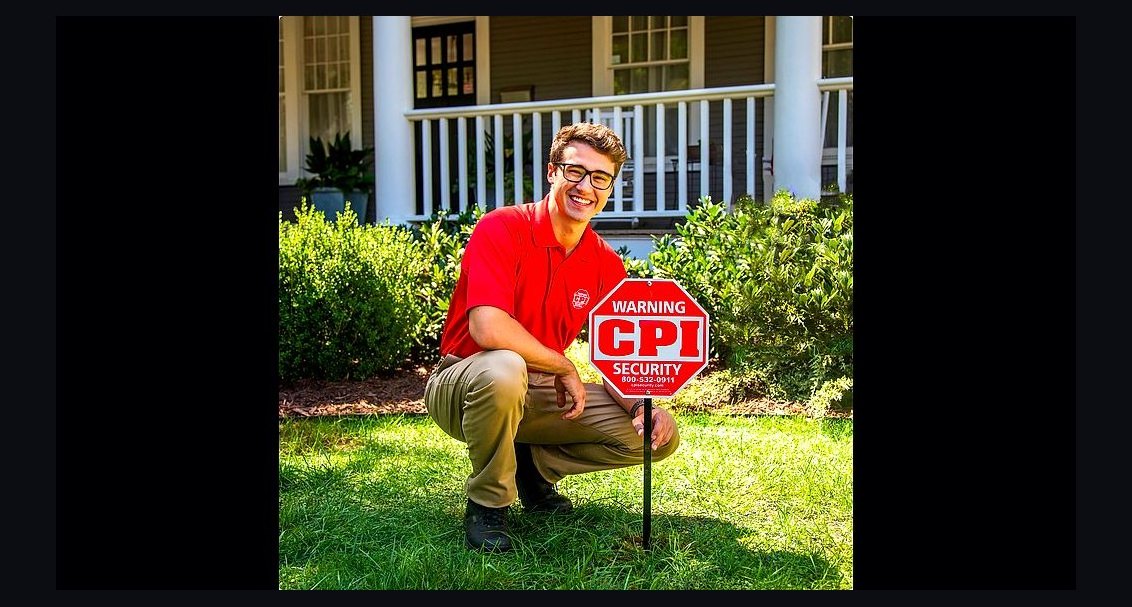 cpi-securityCPI Security customer service hold times — when local NC still leaves you on hold in 2027
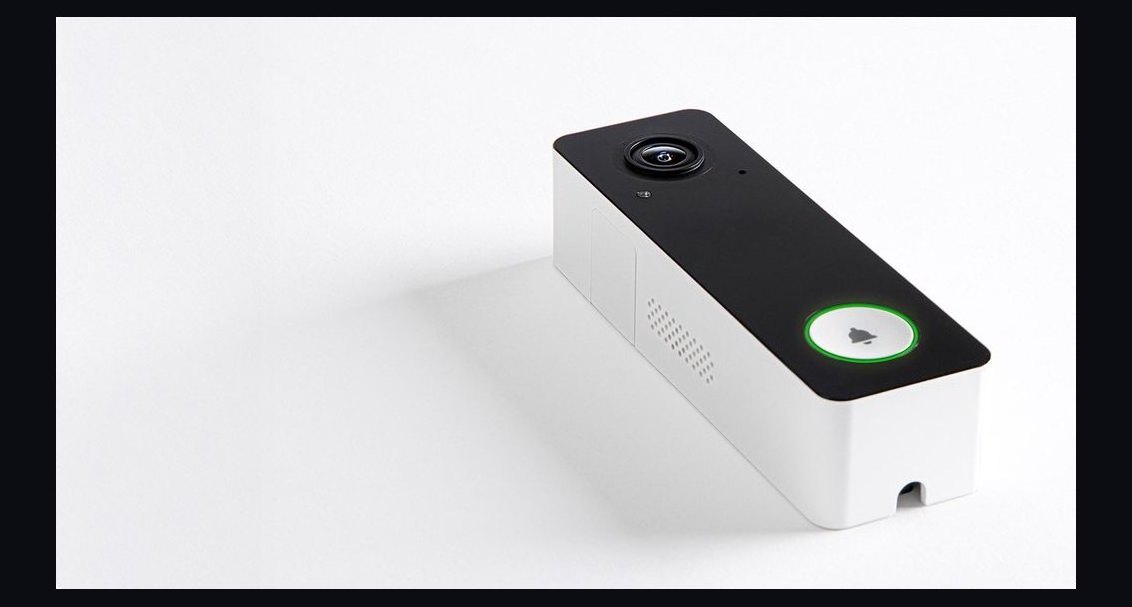 cpi-securityCPI Security's video doorbell vs Ring and Nest — the quality gap in 2027
 cpi-securityCPI Security false alarms and city fines — what customers don't know in 2027
 cpi-securityWhy ADT's Google Nest integration beats CPI's stack in 2027?
 cpi-securityCPI Security and moving — what happens to your contract when you relocate in 2027
 cpi-securityWhy CPI Security's long-tenure customers feel like they're being squeezed in 2027?
 cpi-securityCPI Security panel upgrade fees — the 3G/4G sunset trap in 2027
 cpi-securityCPI Security complaint volume — how it stacks vs ADT, Vivint, SimpliSafe in 2027
 cpi-securityCPI Security retention tactics — what happens when you try to cancel in 2027
 cpi-securityCPI Security's private equity ownership — what it means for customers in 2027