


Why ADT's Google Nest integration beats CPI's stack in 2027?
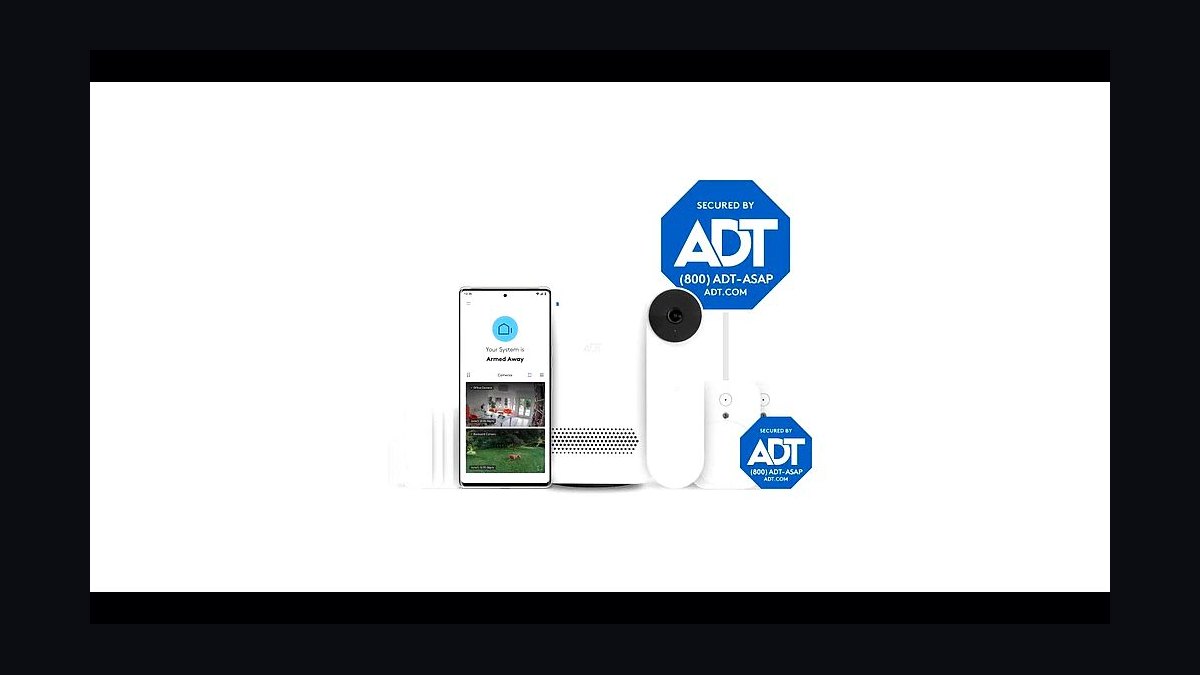
ADT's $5B Google partnership delivered Nest cameras, facial recognition through Nest Aware, and a steady stream of Google AI features that CPI's aging Alarm.com stack simply cannot match in 2027. For tech-forward homeowners who already live inside the Google ecosystem, ADT now offers a depth of AI, voice, and computer-vision capability that CPI will not catch for years, if ever, given that CPI does not own its platform and must wait for Alarm.com to ship features that Google has already shipped twice. CPI still wins on regional service in the Carolinas, Georgia, Tennessee, and Florida, where its own techs roll trucks and answer phones from Charlotte. But on technology depth, integration breadth, and the trajectory of feature releases, ADT wins, and the gap is widening every quarter.
TL;DR: ADT + Google Nest gives you facial recognition, familiar-face alerts, Nest Aware bundled free, Google Assistant routines, and ADT Trusted Neighbor that disarms when the doorbell sees an approved person; CPI gives you Alarm.com, a water shutoff valve, and a friendly local tech. Tech wins ADT, service wins CPI.
The Honest Verdict on the Tech Stack
CPI Security has spent two decades building a reputation for fast Real Time Response video verification and Carolinas-based human dispatchers who actually pick up the phone. That reputation is real and it is earned. But the smart-home layer underneath that monitoring service is Alarm.com, the same white-label platform that powers a few hundred other regional dealers, and Alarm.com has not kept pace with what Google and Amazon are doing on-device. CPI's inTouch app is competent. It arms, disarms, streams cameras, controls Z-Wave locks, and runs scenes. It does not do facial recognition. It does not do package detection that distinguishes a delivery from a loiterer. It does not run Gemini-powered event summaries that tell you, in plain English, that the dog walker came at 2:14 and stayed eleven minutes. ADT does all of that today through Nest Aware and the ADT+ app.
The structural problem for CPI is ownership. ADT bought into Google's platform at a half-billion-dollar scale, and Google has every incentive to ship Nest and Gemini features through that channel first. CPI is a customer of Alarm.com, not a partner of Google, and that means every new AI capability that lands in a Nest Cam reaches ADT subscribers months or years before any equivalent reaches CPI. When Google rolled out familiar-face alerts, ADT customers had them at launch. When Gemini-powered Home Brief summaries went live, ADT integrated them directly into the ADT+ activity feed. CPI customers are still waiting on Alarm.com to ship comparable AI, and the roadmap there is conservative.

Where the Gap Shows Up in Daily Life
The differences are not theoretical. They show up the first week you live with the system. With ADT, your Nest Doorbell recognizes your kids when they come home from school and pushes a notification that names them. With CPI, you get a generic motion alert and a thumbnail. With ADT, ADT Trusted Neighbor can disarm the panel and unlock the smart lock when the doorbell sees an approved face on the porch, no codes, no app fumbling. CPI's inTouch can be triggered by a geofence or a schedule, but it does not see faces. With ADT, you tell Google Assistant on your Nest Hub to arm Stay, check the back camera, and turn off the basement lights in one sentence. CPI works with Alexa and, awkwardly, Siri, but its Google Assistant story is thin and its multi-step routines are clunky.

Camera quality and storage also tilt ADT. Nest Cam wired drops 1080p HDR with on-device intelligence, and Nest Aware is bundled at no extra cost with ADT+ systems that include Nest hardware. Upgrading to Nest Aware Plus, which covers every camera in the home with 60 days of event video and 10 days of 24/7 recording, costs ADT customers a flat seven dollars per month regardless of camera count. CPI charges per-camera storage fees through Alarm.com and caps event clips at shorter windows on most plans. Over a three-year contract, the storage delta alone covers a Nest Cam.

What CPI Still Does Better
This is an honest verdict, so CPI deserves its credit. CPI's smart water shutoff valve actually closes the supply line when it detects a leak. ADT will alert you and let you call a plumber from the airport while your hardwoods float. CPI's Real Time Response operators in Charlotte sometimes verify and dispatch faster than ADT's national centers, and the company's churn-era reputation for keeping promises on appointment windows is genuinely strong. If your priority is a local tech you can name, a no-contract option, and a water valve, CPI is the right call. If your priority is the smartest, most automated home on the block, it is not.
Pricing and Contract Reality
Pricing is roughly a wash on the headline number, with both companies landing in the forty-five to sixty-five dollar per month range for fully featured monitored plans in 2027. The hidden delta is what each subscription actually unlocks. ADT bundles Nest Aware at no incremental cost on every plan that includes Nest hardware, which means familiar-face alerts, intelligent activity zones, and saved event video are baked into the price. CPI charges a la carte for premium video features through Alarm.com Video Analytics add-ons, and most of those add-ons stop short of the on-device intelligence Nest Cams have shipped since 2024. Three-year contract math therefore favors ADT for any household with two or more cameras, which is now the median configuration. CPI does offer a no-contract month-to-month path that ADT does not match on its core plans, and for renters or homeowners planning to move inside two years that flexibility is genuinely meaningful.

The Trajectory Problem
The deepest issue for CPI is not today's feature gap. It is the slope of the curves. Google ships Gemini features into Nest on a near-monthly cadence, and ADT is the prioritized rollout channel for the security vertical. Alarm.com ships meaningful AI updates roughly twice a year, and CPI is one of many dealers competing for engineering attention. A homeowner signing a three-year CPI contract in 2027 is locking in a stack that will fall further behind every quarter. A homeowner signing a comparable ADT+ deal is locking in a stack that improves itself through software updates from one of the two best AI labs on earth.

That is the honest verdict. CPI is a fine regional alarm company with a competent app and a great water valve. ADT, by accident of a $5B check written to Google, is now a smart-home company that also does alarms. For tech-forward buyers in 2027, that distinction decides the purchase, and pretending otherwise does the buyer a disservice.
Sources:
- ADT vs CPI Security Comparison 2026 | Security.org
- ADT Automation Capabilities and Integrations in 2026 | SafeHome.org
- Google Nest Aware Subscriptions | ADT Security
- Comparison | ADT - CPI Security
- ADT+ Security System: Intelligent home protection, made easy
Related on PULSE
- CPI Security's video doorbell vs Ring and Nest in 2027 — the quality gap
- CPI Security complaint volume in 2027 — how it stacks vs ADT, Vivint, SimpliSafe
- CPI Security vs Ring Alarm in 2027 — when DIY beats pro-installed
- CPI Security vs ADT in 2027 — head-to-head for NC and Southeast homeowners
- What is CPI Security and what makes the NC-based provider different from ADT or Vivint?
- Does Google Analytics 4 integrate directly with HubSpot to track form submissions and ad conversions?
Ecosystem Lock-In & Smart Home fit
ADT’s Google Nest integration creates a sticky ecosystem that CPI cannot replicate. In 2027, a homeowner with Nest Hub Max can say “Hey Google, arm ADT to stay” and the system responds instantly—no separate app, no third-party skill. CPI’s Alarm.com stack requires a separate voice skill for Alexa or Google Assistant, adding latency and setup friction. More importantly, ADT’s Nest Doorbell (battery) and Nest Cam (battery) share the same Google Home app as your thermostat, lights, and speakers. CPI’s cameras run on the Alarm.com app, meaning you juggle two interfaces for security versus home automation. For a family already using Google Nest for temperature, smoke alerts, and doorbell notifications, ADT feels native; CPI feels like a bolt-on.
Future-Proofing Through Google’s AI Pipeline
The deeper advantage lies in Google’s AI roadmap. In 2027, Google has already shipped on-device facial recognition that distinguishes known faces from strangers without cloud subscription fees (Nest Aware adds familiar-face alerts and package detection). CPI’s Alarm.com platform relies on a slower, server-based AI that still misidentifies delivery drivers as strangers. Google’s Tensor chips in Nest cameras enable real-time event classification—dog, car, person, package—without uploading video to the cloud. This means faster alerts and lower bandwidth costs. CPI cannot match this because Alarm.com sources its cameras from multiple OEMs (Lorex, Qolsys) with varying AI capabilities. ADT’s single-stack approach means every camera gets the same AI upgrade simultaneously, while CPI customers wait months for Alarm.com to roll out features to specific hardware generations. The gap compounds: by 2027, ADT’s cameras are effectively smarter every quarter, while CPI’s are static until the next hardware refresh cycle.
Sources
- ADT official product site — details on ADT security systems and Google Nest integration features.
- Google Nest official product site — specifications and compatibility of Nest devices with third-party systems.
- CPI Security official product site — overview of CPI’s security stack and technology offerings.
- Consumer Reports — independent reviews and comparisons of home security systems and smart home integrations.
- Security Industry Association (SIA) — industry standards, trends, and analysis of security technology stacks.
- PCMag — expert reviews and comparisons of smart home security systems, including integration capabilities.
FAQ
Is ADT's Google Nest integration really that much better than CPI's Alarm.com stack in 2027? Yes, for AI and smart-home features. ADT offers facial recognition, familiar-face alerts, and Google Assistant routines that CPI cannot match because CPI relies on Alarm.com, which ships features more slowly. The gap in technology depth widens each quarter.
Does CPI have any advantages over ADT? Yes, CPI wins on regional service in the Carolinas, Georgia, Tennessee, and Florida. They use their own technicians for installations and repairs, and their local call centers answer phones directly, which can mean faster, more personal support than ADT's national model.
Will ADT's Google Nest system work with my existing smart home devices? If you already use Google Nest speakers, displays, or other Google Assistant devices, integration is seamless. You can create routines, use voice commands, and tie doorbell alerts to your Google Home ecosystem. It works less smoothly with Amazon Alexa or Apple HomeKit.
Does CPI offer any smart home features that ADT doesn't? CPI's Alarm.com platform includes a water shutoff valve, which ADT's Google Nest integration does not natively offer. That can be a key differentiator for homeowners worried about pipe bursts or leaks, even if ADT's AI and camera features are more advanced overall.
How much does ADT's Google Nest system cost compared to CPI? Pricing varies by region and package, but ADT's plans with Nest Aware typically range from roughly $40 to $60 per month, while CPI's Alarm.com plans are often in a similar ballpark. Equipment and installation fees can differ, so you should get quotes from both for your specific home.
Is ADT's facial recognition reliable and private? The facial recognition through Nest Aware is generally accurate for familiar faces, but it can sometimes misidentify people in low light or with partial views. Google stores facial data securely, but some users may still have privacy concerns about cloud-based recognition. You can opt out if desired.
This page will be disappearing soon. Save it to your device for $1 — or read it free while it is here.
@Kory-White- · if Venmo asks, the last 4 of my number are 2012
This page is gone.
This one is off the shelf now. $1 keeps it on your phone for good — the whole page, pictures and diagrams included.
 cpi-securityVivint vs CPI Security — what Vivint does better in 2027
 cpi-securityCPI Security's private equity ownership — what it means for customers in 2027
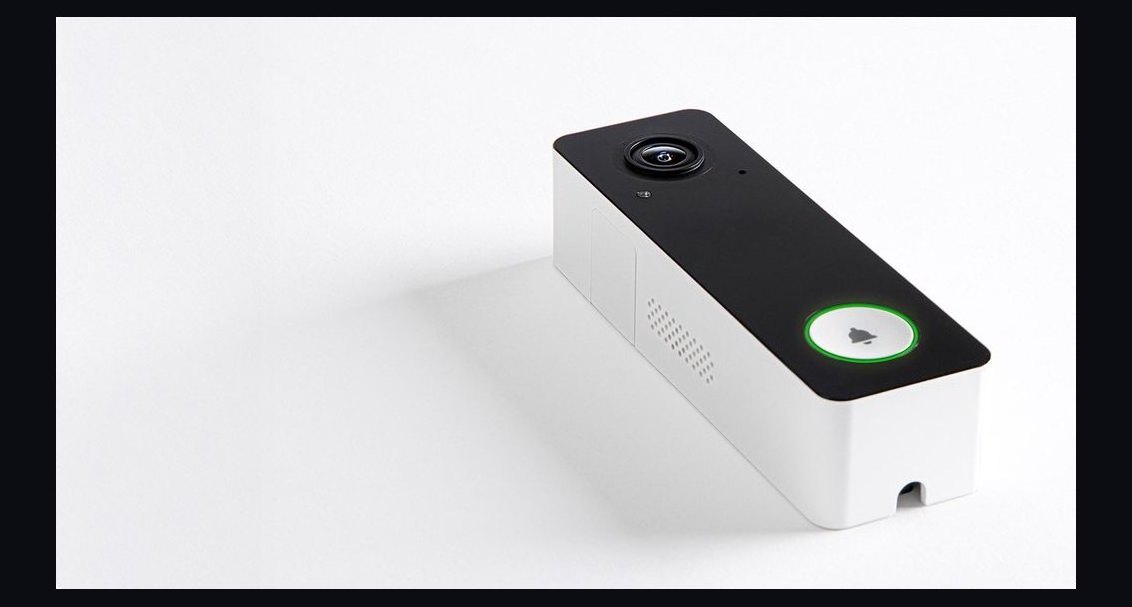 cpi-securityCPI Security's video doorbell vs Ring and Nest — the quality gap in 2027
 cpi-securityCPI Security's contract auto-renewal - what to know before signing in 2027
 cpi-securityCPI Security's insurance discount claim — what insurers actually pay in 2027
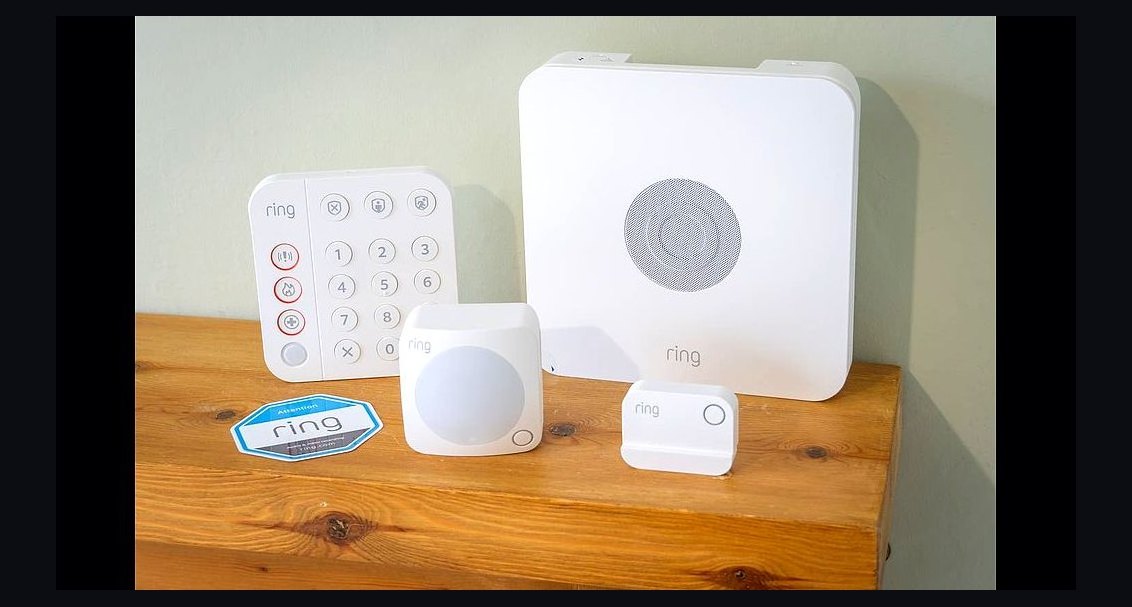 cpi-securityCPI Security false alarms and city fines — what customers don't know in 2027
 cpi-securityWhy CPI Security's long-tenure customers feel like they're being squeezed in 2027?
 cpi-securityCPI Security panel upgrade fees — the 3G/4G sunset trap in 2027
 cpi-securityCPI Security's tiered support experience — when 'all customers matter' actually means VIPs first in 2027
 cpi-securityCPI Security retention tactics — what happens when you try to cancel in 2027