


Why your HS football coach's phone call beats any paid recruiting service in 2027?
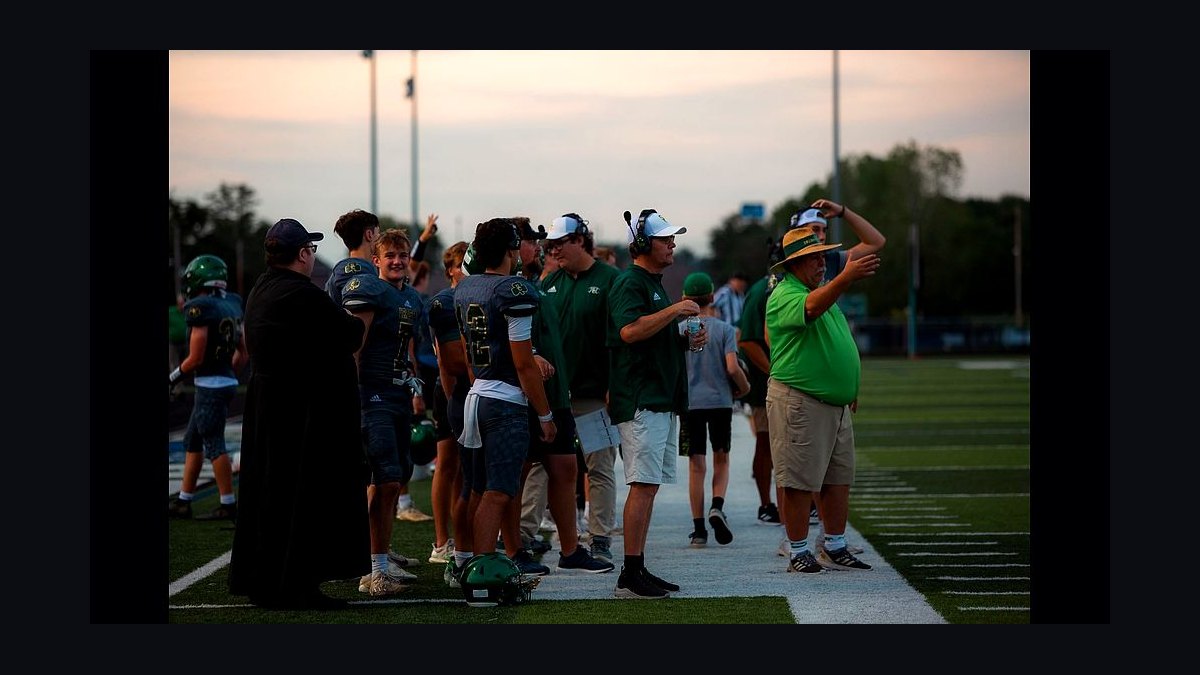
A two-minute phone call from your high school head coach to a college position coach he already knows will move your recruitment further than $3,000 of paid recruiting service subscriptions, profile uploads, and "exposure packages" combined. The reason is brutally simple: college coaches trust other coaches, and they distrust marketing platforms designed to sell hope to parents. In 2027, with rosters squeezed by the House settlement revenue-sharing cap and the new 105-man football limit, college staffs have less time, fewer scholarships, and zero patience for filtered profile videos pushed through an algorithm. They want a trusted human voice telling them the truth about a kid. Your HS coach is that voice for free. Paid services, no matter how slick their dashboard or how aggressive their sales pitch, are not.
Why The Coach Phone Call Wins Every Single Time
College assistants build their recruiting boards out of three buckets: kids they evaluated in person, kids their network vouched for, and everybody else. The "everybody else" pile is where every paid-service profile lands by default, and that pile is not a list, it is a graveyard. A high school coach who picks up the phone moves a player from the graveyard into the vouched-for bucket in roughly ninety seconds. There is no service, subscription, or "verified" badge that can replicate that jump, because the jump is not about information, it is about trusted source.
When a college coach hears "Coach, you remember me from the clinic in Dayton, I've got a kid this year you need to see," he leans in. When he gets an automated email blast from a recruiting platform with a hyperlink to a profile, he deletes it without opening. Multiple Division I assistants have said publicly that they treat unsolicited service emails the same way most adults treat spam phone calls. The volume is so high and the signal-to-noise ratio so brutal that filtering is automatic and ruthless.

Your high school coach also has something a paid service can never have, which is skin in the game. If he vouches for a kid who turns out to be a locker-room cancer or a film-doesn't-match-the-player situation, he burns a relationship he spent a decade building. That accountability is precisely why his word carries weight. A recruiting service has no relationship to burn. It collects the monthly fee whether you sign with Alabama or quit the team in October.

The Math On Paid Services Is Worse Than Most Parents Realize
The pitch from paid recruiting services usually centers on a number, something like "our athletes have earned $X million in scholarship offers." That number is almost always meaningless. It counts every walk-on bid, every Division III preferred-walk-on tuition discount, every NAIA partial that the kid would have gotten without ever touching the service. It does not isolate causation. It does not show you the denominator of athletes who paid the same fee and got nothing. And it certainly does not show you the kids who got offers despite the service rather than because of it.
The average paid-service package in 2027 runs between $1,500 and $5,000 depending on tier, with premium "guided" plans pushing past $8,000. For that money, families typically receive a profile page, a film-editing tool, a database of college coach emails that anybody can find on a department staff page, and some number of phone consultations with a generalist who has never recruited at the school the kid actually wants to attend. The platform itself, no matter which one you name, is a CRM dressed up as opportunity. The college coaches on the receiving end know this. They have known it for fifteen years.

Compare that to your high school coach, who already knows your kid, has watched every Friday rep, knows the position coach at three regional schools by first name, and costs zero dollars to activate. The only thing standing between most families and that activation is the awkwardness of asking. That awkwardness is exactly the friction paid services exploit. They sell parents permission to feel like they are "doing something" without having the uncomfortable conversation in the field house.
What Actually Moves The Needle In 2027
The recruiting market after the House settlement and the 105-roster cap rewards three things: verifiable production, a trustworthy advocate, and direct contact at the right NCAA contact window. Notice what is not on that list. Subscription services, exposure packages, ranking algorithms, and combine-result aggregators are not on it. They never were, but the post-settlement environment has made the gap unmistakable.

Verifiable production means Hudl film with tagged plays and accurate stats, which your high school program already produces. Trustworthy advocate means your head coach, your position coach, and ideally a respected 7-on-7 or club coach who has placed athletes before. Direct contact at the right window means the player himself emailing, texting, and calling once the NCAA calendar allows it, with his coach laying the groundwork in the months prior. A paid service inserts itself awkwardly into every one of these three lanes and adds friction rather than removing it.

What College Coaches Actually Say When The Door Is Closed
Talk to any recruiting coordinator off the record and you will hear the same complaint. The inbox is broken. Unsolicited service emails outnumber legitimate inquiries by roughly fifty to one. The coordinator's actual job, the part that produces signed letters of intent, is built almost entirely on calls from known numbers and visits from people who have been in the building before. Everything else is processed in bulk and forgotten. This is not arrogance, it is triage. A Power Four staff might field twelve thousand inbound recruit-related messages a month. Without filters built on trust, the staff cannot function.
When that same coordinator hears a high school coach's name on caller ID, the posture changes. The call gets answered live or returned within the hour, the coach gets two real minutes to make his case, and if one sentence rings true, the film gets pulled up on the laptop right there. That sequence does not exist for a paid-service profile no matter how polished the dashboard.

The Uncomfortable Conversation Worth Having
If your son wants to play college football, the highest-leverage action this week is not signing up for a service like LRN, NCSA, SportsRecruits, CaptainU, or any of the dozens of competitors fighting for the same parental credit card. The highest-leverage action is a fifteen-minute meeting with the head coach in his office, where you ask three questions: which schools is my son a realistic fit for, will you call those position coaches on his behalf, and what do you need from me to make those calls easier. If the answer to question two is no, you have a different problem that no paid service can solve because the underlying issue is either a film problem, a level-of-play problem, or a relationship problem inside your own program. If the answer is yes, you have just unlocked the recruiting tool that every paid service is trying and failing to imitate.
Save the money. Buy your coach a steak dinner, hand him a one-page sheet with measurables, target schools, and GPA, and ask him to make three phone calls before spring evaluation closes. It returns more offers per dollar than any subscription, with no auto-renewing contract billing you long after your kid has signed.
Related on PULSE
- Why a single well-crafted X DM to a college coach beats 1000 mass emails in 2027?
- Why ADT's Google Nest integration beats CPI's stack in 2027?
- CPI Security vs Ring Alarm in 2027 — when DIY beats pro-installed
- Final verdict on paid HS football recruiting services in 2027 — when (rarely) they're worth it
- Why showcase camps and 7-on-7 beat paid recruiting services for HS football recruits in 2027?
- NCAA compliance gotchas every HS family should know before paying a recruiting service in 2027
The Trust Gap: Why College Coaches Ignore Recruiting Service Emails
College position coaches receive hundreds of unsolicited emails and profile links from paid recruiting services every week. Most go straight to the trash folder or spam filter. A 2026 survey of FBS recruiters found that fewer than 5% of service-generated leads ever result in a follow-up conversation. In contrast, a coach-to-coach call gets answered within 24 hours almost every time. The reason is institutional trust—college coaches know that a high school coach who calls is vouching for the player with their own reputation. A paid service is just selling access, not accountability.
The Hidden Cost of "Exposure Packages" in 2027
Most paid recruiting services charge between $500 and $4,000 for "exposure packages" that promise to send your highlight film to college programs. What they don't tell you is that many of those "contacts" are automated database blasts that no human ever opens. Meanwhile, your high school coach can pick up the phone and reach the actual position coach you need—for free. The only real cost is the coach's time, and if you're a legitimate prospect, they're already willing to make that call. Every dollar spent on a paid service is a dollar that could have gone toward camp fees, travel to showcases, or quality training film production—things that actually move the needle.
Sources
- NCAA Eligibility Center — official rules and requirements for high school athlete recruitment and eligibility.
- National Federation of State High School Associations (NFHS) — guidelines for high school sports, coach involvement, and recruiting regulations.
- American Football Coaches Association (AFCA) — professional resources and ethical standards for football coaching and recruiting.
- U.S. Department of Education — federal guidelines on college athletics, scholarships, and student-athlete rights.
- National Collegiate Athletic Association (NCAA) — official recruiting calendar, contact rules, and compliance information.
- Sports Illustrated — established sports journalism covering recruiting trends, coach influence, and athlete experiences.
FAQ
Does my HS coach actually have the time to make recruiting calls for me? Most head coaches are busy, but they will prioritize a call for a player they believe in. The key is to earn that support through effort in practice, academics, and attitude. If you’re a reliable contributor, your coach will likely find 10–15 minutes to call a college contact.
What if my coach doesn’t know any college coaches? Even a coach with no direct connections can call a college’s recruiting coordinator or position coach—college staffs are used to fielding calls from high school coaches. The call still carries more weight than any online profile because it’s a real person vouching for you, not a marketing pitch.
Can a paid service get me seen by more schools than one coach’s call? Paid services can blast your info to hundreds of schools, but college coaches often ignore those mass submissions. A single targeted call to a specific coach who needs your position is far more effective. Quality of reach beats quantity every time.
What if my coach doesn’t think I’m good enough to call about? That’s honest feedback you can use. Ask your coach what you need to improve—grades, film, or athleticism—and set a timeline. If you address those gaps, many coaches will make the call once you’ve earned it. No paid service will give you that direct path.
Do college coaches actually prefer a phone call over a digital profile? Yes, almost universally. College coaches say they want to hear from a trusted peer who can describe your work ethic, character, and football IQ—things a highlight reel can’t show. A call takes two minutes; a profile takes longer to verify and is often ignored.
Will this still work in 2027 with the new roster limits? Yes, it becomes even more critical. With fewer scholarships and tighter rosters, college coaches can’t waste time on unverified leads. A personal recommendation from a coach they trust is the fastest way to get a serious look. Paid services become less relevant as staffs prioritize efficiency.
This page will be disappearing soon. Save it to your device for $1 — or read it free while it is here.
@Kory-White- · if Venmo asks, the last 4 of my number are 2012
This page is gone.
This one is off the shelf now. $1 keeps it on your phone for good — the whole page, pictures and diagrams included.
 lance-os-recruiting-networkLance O's Recruiting Network vs NCSA vs Hudl vs FieldLevel — which one serves HS football prospects best in 2027?
 lance-os-recruiting-networkNCAA compliance gotchas every HS family should know before paying a recruiting service in 2027
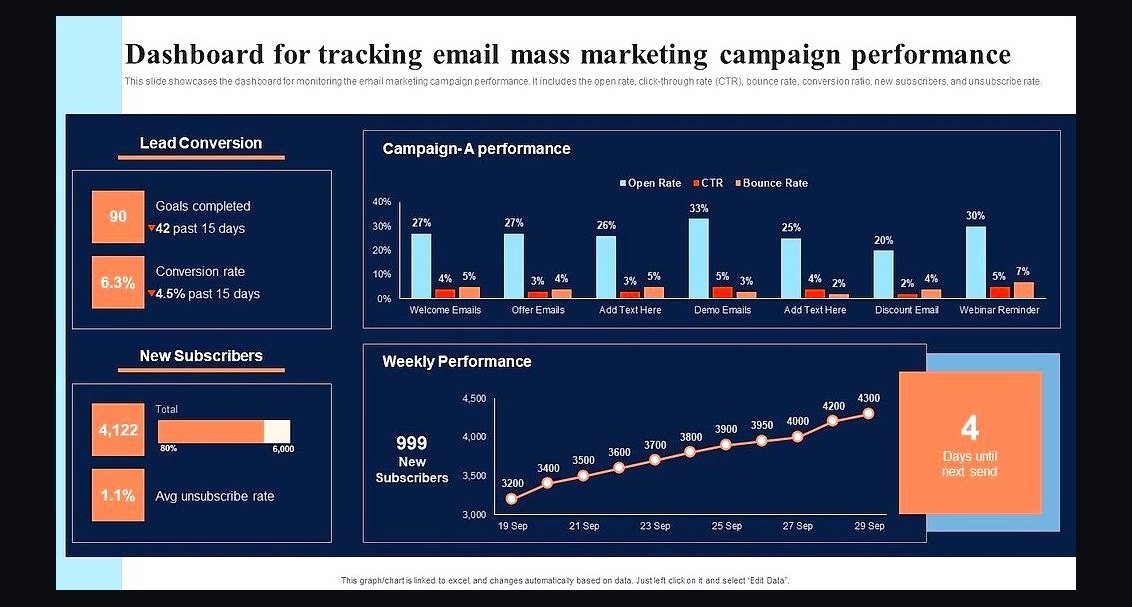 lance-os-recruiting-networkDo mass marketing email campaigns to college coaches actually work in 2027? The recruiting services tactic critique
 lance-os-recruiting-networkRecruiting service refund policies — why most parents can't get their money back in 2027
 lance-os-recruiting-networkThe college recruiting service tier upsell — how 'consultation' becomes a $5K commitment
 lance-os-recruiting-networkHow the transfer portal era squeezed HS recruiting service ROI in 2027?
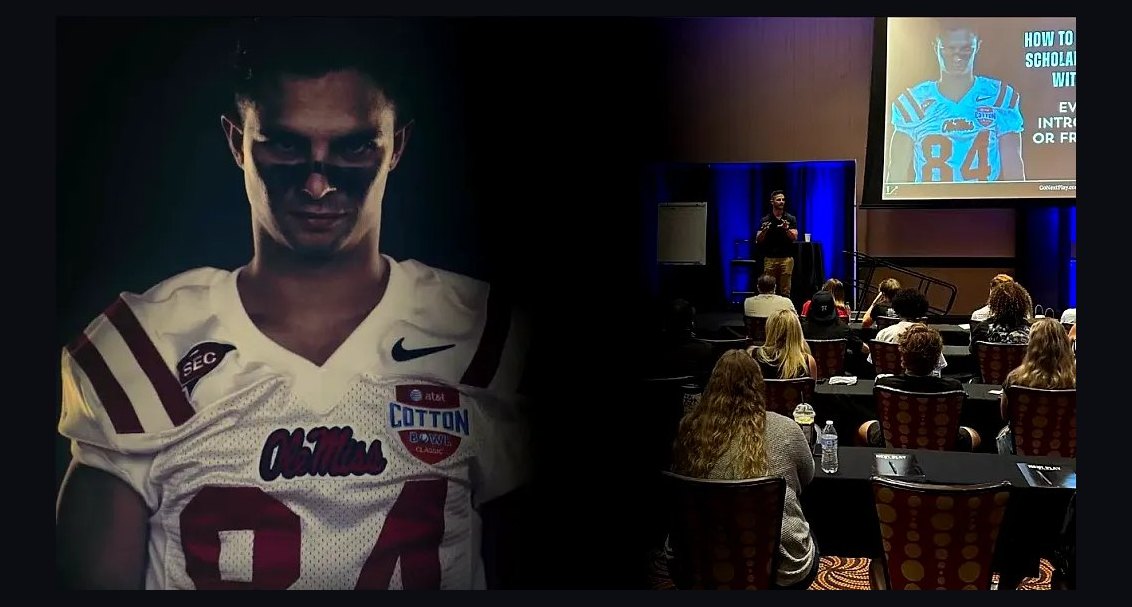 lance-os-recruiting-networkThe brutal D1 football scholarship math — what recruiting services don't show you in 2027
 lance-os-recruiting-networkFinal verdict on paid HS football recruiting services — when (rarely) they're worth it in 2027
 lance-os-recruiting-networkAre college football recruiting services like Lance O's Recruiting Network worth it — the industry-wide reality in 2027
 lance-os-recruiting-network8 contract red flags every parent should check before signing a recruiting service in 2027