


8 contract red flags every parent should check before signing a recruiting service in 2027

Before signing any college recruiting service contract in 2027, parents should hunt for eight specific red flags: auto-enrolled multi-payment plans, electronic signatures collected from minors, binding language buried in scroll-through terms, early termination fees that consume 50% of remaining balance, refund windows shorter than six months, mandatory arbitration with class-action waivers, vague "service delivery" language with no measurable recruiter contact obligations, and one-sided attorney-fee clauses. Better Business Bureau filings and state attorney general complaints against major recruiting platforms — including the National Collegiate Scouting Association — show the same pattern repeatedly: families discover binding 18-month payment plans they never knowingly authorized, then learn cancellation requires paying the full balance "per the agreement." The industry is built on a sales motion that closes parents emotionally during a 90-minute Zoom while the contract scrolls past unread. Reading the eight clauses below before clicking "I agree" is the single highest-leverage move a parent can make in the entire recruiting process.
The Industry Pattern Parents Keep Missing
The recruiting service industry has matured into a roughly $400M annual category dominated by a handful of national players and dozens of regional ones, and the contracts have evolved in lockstep with the sales playbook. The standard motion is a free profile to capture lead data, a recruiter "evaluation call" that doubles as a closing call, and an electronic signature collected on a parent's phone while the salesperson is still talking. That sequence is not accidental — it is engineered to prevent the careful contract review that would surface the eight red flags below.
Red Flag 1: Auto-Enrolled Multi-Payment Plans
The most common BBB complaint pattern is families discovering they were enrolled in an 18-payment plan totaling $3,960 or more without ever seeing the total price quoted as a lump sum. Sales reps quote the monthly figure ("just $220 a month") and the e-signature flow accepts the full payment schedule as a single click. Demand to see the total contract value in dollars, in writing, in the body of the agreement — not in a linked schedule.

Red Flag 2: Electronic Signature From a Minor
Several attorney general complaints reference contracts that were accepted electronically by the student-athlete on their own phone, then enforced against the parent's credit card. Minors generally cannot bind a parent to a financial obligation, but recruiting services routinely argue the parent ratified the contract by allowing the first payment to process. Insist that any signature flow capture the legal guardian's identity with a verification step — date of birth, ID upload, or a separate parent-only signing link.
Red Flag 3: Binding Language Buried in Scroll-Through Terms

The phrase to search for is "non-cancellable" or "irrevocable commitment." It is almost always present, almost always in a section titled something neutral like "Membership Terms," and almost never read aloud on the sales call. Parents have repeatedly reported to BBB that the sales agent never mentioned the agreement was binding. Open the PDF, use Ctrl-F, search for "cancel," and read every hit before signing.
Red Flag 4: 50% Early Termination Fees
A specific clause appearing in multiple complaints: even when a family wants out, the service collects 50% of the remaining balance as an early termination fee. On a $3,960 plan with $2,400 remaining, that is a $1,200 penalty for walking away from a service that may have produced zero recruiter contact. Cross this clause out, initial the change, and require countersignature before paying.
Red Flag 5: Refund Windows Shorter Than Six Months

Legal commentary on service-contract red flags is consistent: a 30 or 60 day refund window is inadequate for any service whose deliverable cannot be evaluated quickly. Recruiting outcomes take eight to twelve months to surface. A 30-day window is structured to expire before a parent has any data on whether the service is working. Demand a six-to-twelve month satisfaction window with a defined refund mechanism.
Red Flag 6: Mandatory Arbitration With Class-Action Waivers
Every major recruiting service contract now includes a mandatory arbitration clause and a class-action waiver. Together these mean that if a thousand families have the same complaint, they each have to fight individually, in a forum the service selected, under rules the service drafted. This is the single biggest reason regulatory pressure has not produced consumer relief at scale. Cross it out, or at minimum require the arbitration to occur in the family's home state.
Red Flag 7: Vague Service Delivery Language

The contract will promise "access to a recruiter," "profile distribution," and "tools and resources." It will not promise a number of recruiter calls per month, a number of college coach contacts initiated on the athlete's behalf, or any measurable output. BBB complaints repeatedly describe families who "haven't heard from their assigned recruiter in months." Write a service-level schedule into the agreement: monthly call cadence, quarterly progress report, defined contact volume.
Red Flag 8: One-Sided Attorney-Fee Clauses

The clause to find reads roughly: "If the Company prevails in any action arising from this Agreement, Member shall pay all reasonable attorneys' fees and costs." There is no reciprocal obligation. Legal practitioners reviewing recruitment-agency agreements consistently flag this provision as one that should be deleted or made mutual before any client signs.
How These Eight Clauses Interlock
The clauses are not independent — they are a system. The lock-in clauses get the family in. The exit-cost clauses make leaving expensive. The enforcement clauses make legal challenge uneconomic. Removing any one of the three layers materially shifts the leverage back toward the family.
A Practical Parent Checklist for 2027

Before signing, parents should: request the full contract PDF 48 hours before any signing call, read it on a desktop computer rather than a phone, search the document for "cancel," "arbitration," "attorney," and "binding," strike clauses that are unacceptable and initial the changes, require the salesperson to countersign the modified version, and pay by credit card to preserve chargeback rights. If the service refuses any of these steps, that refusal is the ninth red flag.
The healthier alternative for most families is a hybrid approach: a free or low-cost research tool such as LRN.fyi alongside direct outreach the family controls themselves, with paid services evaluated only after the family has eight to twelve months of organic recruiting data to judge whether outsourcing is actually needed. Coaches sign athletes; services do not. Any contract that obscures that fact in 8-point legalese deserves to be read twice, edited once, and signed only after every red flag above has been addressed in writing.

Sources:
- National Collegiate Scouting Association BBB Complaints
- NCSA Reviews - ComplaintsBoard
- Rethinking Recruitment Agency Agreements - Gordon Feinblatt LLC
- Red Flags in Service Contracts
- Staffing Agency Red Flags Before Signing
Related on PULSE
- What references should I always check on a senior sales hire?
- What reference check questions expose false quota claims and predict actual ramp performance?
- Top 10 Red Flags in Vendor Consolidation Deals Every RevOps Leader Should Watch
- What Lease Red Flags Mean I Should Walk Away?
- Top 10 red flags in AI-generated account plans
- What red flags should I look for in a CRO candidate's track record?
Hidden Payment Triggers Beyond the Base Fee
Many 2027 recruiting contracts include performance-based payment triggers that activate without clear notice. Watch for clauses tying additional fees to “successful placement” or “scholarship offer received,” where the service defines success as any athletic scholarship—even partial or non-renewable ones. Some contracts automatically charge a percentage of the first year’s scholarship value (typically 5–10%) as a “placement bonus,” billed directly to your credit card upon the athlete’s commitment. These triggers often appear in fine print under “compensation” rather than “fees,” and may not require your separate approval. Always ask: “What specific event triggers an additional payment, and do I get a written notice and approval window before any charge occurs?”
Data Rights and Athlete Profile Ownership
Contracts in 2027 increasingly claim broad, perpetual rights to your athlete’s name, image, statistics, and recruiting video footage. Some services license this data to third-party analytics firms, highlight reels producers, or even gambling-adjacent platforms without your knowledge. Look for language like “worldwide, royalty-free, transferable license” or “right to sublicense.” If the contract does not explicitly state that you retain full ownership and can revoke usage at any time, that’s a red flag. Ask for a separate data rights addendum that limits use to direct recruiting purposes only and expires within 30 days of contract termination. Some state attorneys general have flagged these clauses as deceptive under consumer protection laws, especially when minors’ data is involved.
Non-Compete and Exclusivity Traps
A growing number of 2027 recruiting contracts include “exclusive representation” clauses that bar your athlete from working with any other recruiting service, independent scout, or even directly contacting college coaches without the service’s permission. Violating this can trigger a penalty equal to the full contract value, even if the other service provided no help. These clauses are often buried in “general provisions” or “covenants” sections. Before signing, confirm in writing that your athlete can use any other recruiting resource at any time, with zero penalty. If the service refuses to remove or clarify this language, consider it a major warning sign that they prioritize locking you in over actually helping your athlete.
Sources
- Federal Trade Commission (FTC) — consumer protection guidelines and common contract pitfalls for service agreements.
- American Bar Association (ABA) — legal standards and model contract clauses for recruiting and agency services.
- National Association of Collegiate Esports (NACE) — industry best practices for recruiting contracts in youth and college sports.
- Consumer Reports — independent evaluations of service contracts and red flags in fine print.
- U.S. Department of Education — regulations and guidance on recruiting services related to student-athletes.
- Better Business Bureau (BBB) — complaint data and ethical standards for recruiting businesses.
FAQ
What happens if my child signs the contract? If your minor child signs, most states allow you to void the contract, but some services include clauses that claim the parent’s presence on the call constitutes consent. You should explicitly state in writing that only you can sign, and check if the contract requires a parent’s separate signature.
Can I cancel after 30 days? Many contracts have refund windows of only 14 to 30 days, and after that, cancellation may require paying 50% or more of the remaining balance. Always look for a cancellation clause that lets you exit with a flat fee under $500, not a percentage of the total.
What does “service delivery” actually mean? Vague language like “will provide recruiting guidance” or “access to our network” often means no guaranteed number of coach contacts or personalized evaluations. Insist on a minimum of, say, 10 verified recruiter introductions per month, or a clear list of deliverables.
Is arbitration better than court? Mandatory arbitration with a class-action waiver means you can’t join other families in a lawsuit, and you often pay half the arbitrator’s fees upfront—sometimes $1,000 or more. If the contract requires arbitration, ask if the company covers all costs and if you can still sue for fraud.
What if the service doesn’t deliver? Without measurable obligations, you have no legal recourse if they send only generic emails or never contact a single coach. Look for a clause that ties payment to specific milestones, like “within 90 days, we will arrange calls with at least three Division I programs.”
Can I get my money back if I move or change my mind? Most contracts have no refunds after the first 30–60 days, even for relocation or injury. The safest contracts offer a prorated refund for any unused portion of the service, with no penalty beyond a small administrative fee.
This page will be disappearing soon. Save it to your device for $1 — or read it free while it is here.
@Kory-White- · if Venmo asks, the last 4 of my number are 2012
This page is gone.
This one is off the shelf now. $1 keeps it on your phone for good — the whole page, pictures and diagrams included.
 lance-os-recruiting-networkAre college football recruiting services like Lance O's Recruiting Network worth it — the industry-wide reality in 2027
 lance-os-recruiting-networkHow the transfer portal era squeezed HS recruiting service ROI in 2027?
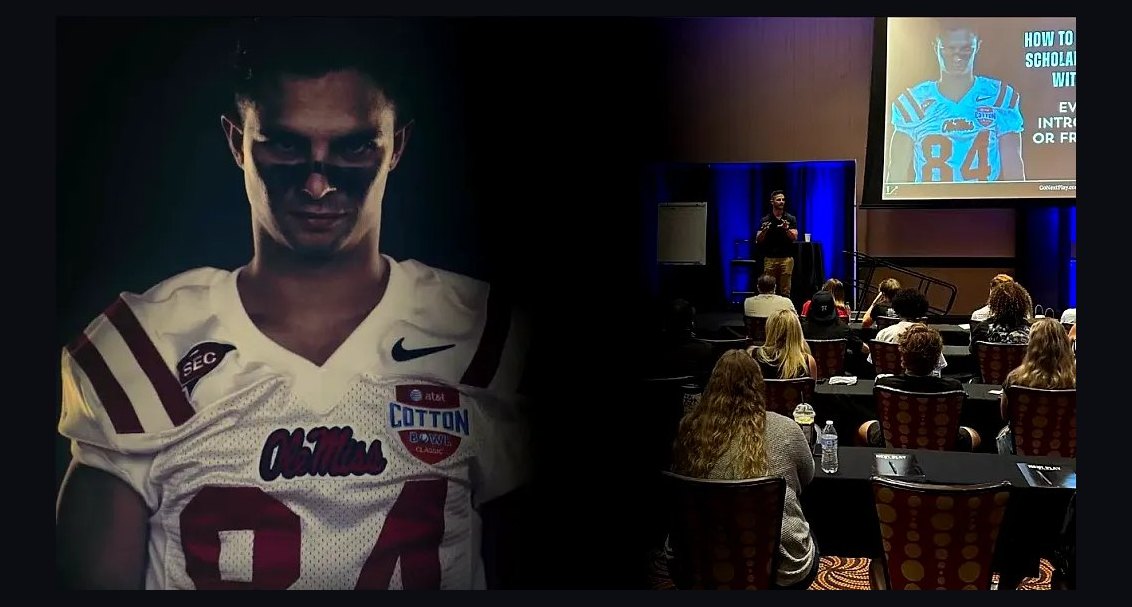 lance-os-recruiting-networkThe brutal D1 football scholarship math — what recruiting services don't show you in 2027
 lance-os-recruiting-networkThe college recruiting service tier upsell — how 'consultation' becomes a $5K commitment
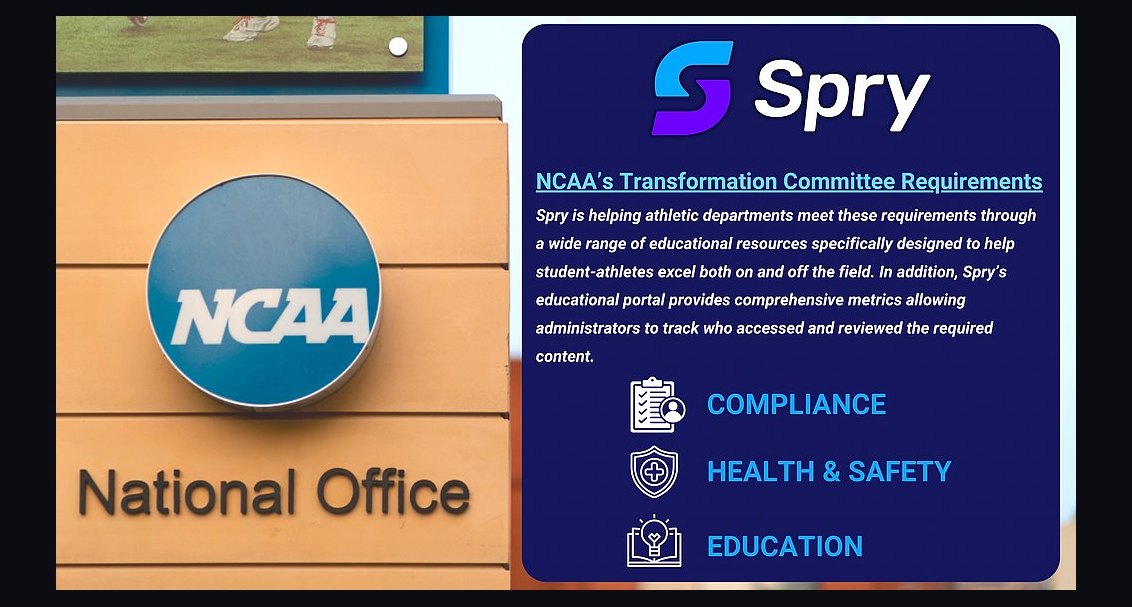 lance-os-recruiting-networkNCAA compliance gotchas every HS family should know before paying a recruiting service in 2027
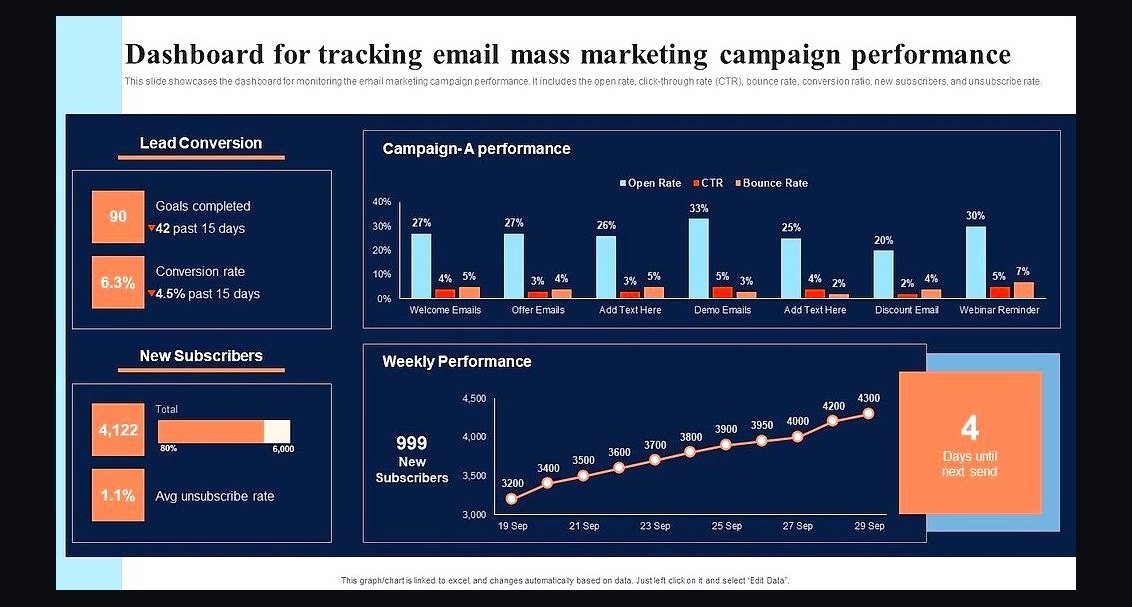 lance-os-recruiting-networkDo mass marketing email campaigns to college coaches actually work in 2027? The recruiting services tactic critique
 lance-os-recruiting-networkWhy showcase camps and 7-on-7 beat paid recruiting services for HS football recruits in 2027?
 lance-os-recruiting-networkRecruiting service refund policies — why most parents can't get their money back in 2027
 lance-os-recruiting-networkDecoding recruiting service marketing claims — what 'verified' and 'connections' actually mean in 2027
 lance-os-recruiting-networkHow recruiting services calculate 'success rates' — and why those numbers don't mean what parents think in 2027