


What are South Carolina Gamecocks football's 2027 NIL needs and strategy?

South Carolina Gamecocks football enters the 2027 NIL cycle in a precarious but recoverable position. Head coach Shane Beamer returns for his sixth season after a challenging 2025 campaign, with athletic director Ray Tanner publicly backing him. The 2027 NIL strategy has to do two jobs: stabilize the roster Beamer just retained (the small group of returning starters worth market rate) and rebuild the depth chart that bled out during the portal window. Garnet Trust, the official collective established in November 2021, remains the financial engine, but South Carolina has historically sat in the bottom portion of the SEC for NIL funding. With the House settlement revenue-share cap per school, the program now coordinates revenue-share dollars and Garnet Trust NIL deals as two separate buckets, which has created some confusion around Tanner's disbursement plan.
TL;DR Beamer returns under pressure. Keep top returning stars at top-of-market, fill three roster holes via portal NIL, close the SEC funding gap before the 2027 class commits.
1The Beamer Pressure Cooker And Why It Sets NIL Strategy
Every NIL decision South Carolina makes in 2027 runs through one reality: Shane Beamer is coaching for his job. Media coverage has been explicit that Beamer is under immense pressure during the 2026 season, and longform analysis has framed his return as a one-year referendum rather than a vote of confidence. Tanner confirmed Beamer would return but has been measured in public comments. That matters for NIL because collectives, agents, and players read those signals. A wavering coach is harder to retain stars under and harder to convince portal targets to sign with below market rate.
The practical effect is that South Carolina cannot run a balanced, patient NIL plan in 2027. The program overweights retention on the handful of returning starters whose names move the needle — the top quarterback and edge rusher most obviously — and overweights portal spending on positions where the depth chart fell apart in 2025. A more stable program could spread dollars evenly. Beamer's program cannot, because if he loses his top quarterback to the portal or fails to plug the offensive line, the season is decided before September.

There is a cost dimension to coaching uncertainty that does not show up in any collective budget. Buyout math now shadows every NIL conversation: Beamer's contract carries a buyout that the athletic department would owe if it fires him, which is real money that competes for the same donor attention Garnet Trust needs. Boosters who might write a significant NIL check instead start asking whether their dollars are funding a roster or a severance. The 2027 messaging challenge is to firewall the NIL pitch from the job-security narrative — to tell donors their Garnet Trust gift goes directly to player contracts that survive any coaching change, which is factually true and the strongest counter to wait-and-see giving.
2The Garnet Trust Engine And The SEC Funding Gap
Garnet Trust was one of the first NIL collectives in the country when it launched in November 2021, and it has since matured into a full-time operation with employees and an intern bench. Its public mission frames NIL as a fan-and-business pipeline that pays athletes for media appearances, autographs, endorsements, and event work. The membership drive announced jointly with the athletic department was designed to widen the donor base, with updated member benefits aimed at converting casual Gamecocks fans into recurring contributors.

The problem is the starting line. South Carolina has historically been in the bottom portion of SEC NIL funding, and that gap does not close in a single year. Georgia, Alabama, Texas, Texas A&M, LSU, and Tennessee all outspend Garnet Trust by a comfortable margin, and Ole Miss and Auburn have closed in from below. For 2027, Garnet Trust's job is not to match SEC ceilings — it cannot — but to clear an SEC floor high enough that the program retains its top six to eight players and lands portal closers at three priority positions. Reports on significant NIL deals for returning players, alongside quarterback NIL signings with Garnet Trust, suggest the collective is already concentrating dollars where the strategy demands.
South Carolina's structural fundraising advantage is its fan base. Williams-Brice Stadium seats just over 77,000 and the Gamecocks routinely fill it, and the program's "Sandstorm" pregame is one of the most recognizable atmospheres in the sport. That passion is latent NIL capacity. The 2027 task is to convert raw attendance into recurring monthly Garnet Trust memberships the way Iowa, Ohio State, and Texas A&M have converted theirs — small-dollar volume that compounds into a dependable floor rather than depending on a few whale donors who can disappear when the team loses.

3The Two-Bucket Math: Revenue Share Versus NIL
The House settlement era split the budget into two pools South Carolina now coordinates. Each opted-in school works under a revenue-share cap across all sports, with South Carolina counting scholarship increases and Alston academic awards against that total, leaving actual revenue-share spending power. NIL deals through Garnet Trust do not count against that cap, but since June 2025 any third-party deal of a certain threshold must clear the Deloitte-run NIL Go clearinghouse for fair-market value and a valid business purpose. That is the strategic opening and the new friction at once. The revenue-share bucket pays a roster-wide salary structure that clears cleanly. The NIL bucket pays for players who command true market premiums on top of it — quarterback, premier edge, and a small number of leverage skill positions — but each of those deals now faces clearinghouse review.
The critique of Tanner's plan captures the real risk: if the two buckets are not clearly explained to players and agents, the program loses negotiations it should win. Stars want to know which bucket their number comes from, whether it stacks, whether it is guaranteed, what happens at year-end, and now whether a collective deal will survive NIL Go review. A clear written framework with explicit stacking and clearinghouse-compliance rules is the biggest non-monetary lever available in 2027.

4The 2027 Signing Class And Portal Priorities
The 2027 high school class commits in a window where Beamer's seat heat will either have cooled or boiled over. Either way, South Carolina has to walk into living rooms with a credible pitch: a proven quarterback playing in front of the recruit's position group, a defined NIL number for the recruit's tier, and a coaching-continuity story the family can believe. The portal closes the rest of the gap. Priority positions, based on the post-2025 roster bleed, are offensive line, cornerback, and a vertical-threat wide receiver. Each portal target should arrive with a two-bucket offer sheet that beats their current school by a margin large enough to overcome the inertia of staying put.
The in-state recruiting battle is the quieter front. South Carolina produces a steady stream of SEC-caliber talent, but Clemson, Georgia, and increasingly Tennessee raid the same high schools in Columbia, Greenville, and the Lowcountry. A 2027 NIL plan that lets Clemson out-organize Garnet Trust inside the state's borders loses the cheapest recruits available — the ones who grew up Gamecocks fans and need only a market-rate offer plus a continuity story to stay home. Protecting the in-state pipeline costs less per commit than winning a national bidding war, and it is where Beamer's program has historically been strongest.

Revenue-Share Allocation Strategy for 2027
South Carolina's 2027 NIL strategy hinges on how the program allocates its revenue-share pool—a resource that didn't exist in previous cycles. The coaching staff and Garnet Trust must coordinate to avoid double-paying athletes or leaving money on the table. The most effective approach is to use revenue-share dollars to establish baseline compensation for every scholarship player, creating a floor that prevents mass portal exits. This base pay should be tiered by position value and experience, with quarterbacks and edge rushers receiving the highest floors. Garnet Trust NIL then becomes the premium layer, reserved exclusively for star retention and high-impact portal additions. This two-tier system prevents the common mistake of spreading NIL thin across the entire roster, which left South Carolina unable to close on elite transfers in prior cycles.
Portal Prioritization and NIL Budgeting
With limited Garnet Trust funds relative to SEC peers, South Carolina must be surgical in the 2027 portal cycle. The three roster holes—offensive line, cornerback, and wide receiver—require different NIL approaches. For offensive line, the strategy should target one proven Power Four starter at tackle, offering a top-of-market NIL package that matches what the player could earn at a program with deeper collective funding. At cornerback, the Gamecocks should pursue a developmental transfer with multiple years of eligibility, offering a moderate NIL deal with performance escalators. Wide receiver presents the trickiest calculus: the staff must decide whether to allocate premium NIL to a proven pass-catcher or develop younger talent. The smartest play is to offer a competitive but not elite NIL package to a slot receiver who can complement the existing returning group, preserving funds for the offensive line priority.

2027 Recruiting Class NIL Integration
The 2027 signing class represents a critical inflection point for South Carolina's NIL sustainability. Rather than offering large upfront NIL deals to high school recruits—a strategy that backfired when those players underperformed or transferred—the program should structure deals with performance-based incentives and retention bonuses. This approach aligns with the revenue-share model, where base compensation comes from the school and NIL rewards production. For the 2027 class, Garnet Trust should emphasize multi-year NIL agreements that include roster bonuses for staying through junior season, mimicking the structure used by programs with more mature NIL operations. This strategy reduces the risk of paying premium NIL to unproven talent while creating financial incentives for player development and loyalty—exactly what South Carolina needs to stabilize its roster under Beamer's uncertain tenure.
FAQ
Q: How much NIL money retains a top returning quarterback through 2027? A: The specific Garnet Trust number is not public, but the SEC market for a top returning QB1 sits at a significant figure combined across revenue-share salary and collective NIL. South Carolina has to operate near that range or risk a portal exit.
Q: Can Garnet Trust catch the top-half SEC collectives? A: Not in a single cycle. The gap to Georgia, Alabama, and Texas closes over years, not months. The realistic 2027 target is clearing the SEC median floor.
Q: What happens to NIL commitments if Beamer is fired after 2026? A: Garnet Trust contracts are with the players, so existing deals survive a coaching change. The bigger risk is recruits factoring coaching uncertainty into whether they sign at all.
Q: Does the House settlement cap limit Garnet Trust? A: No. The cap applies only to direct school-to-athlete revenue share. Collective NIL deals remain uncapped, though since June 2025 any deal of a certain threshold must clear the NIL Go clearinghouse, which is why two-bucket coordination matters more in 2027.
Q: What is South Carolina's untapped NIL advantage? A: Its fan base. Williams-Brice Stadium seats more than 77,000 and routinely sells out, giving Garnet Trust a massive potential pool of recurring small-dollar members. Converting that attendance into monthly memberships is the cleanest path to closing the SEC funding gap without relying on a few large donors.
Q: How much does Beamer's buyout affect the 2027 NIL picture? A: Indirectly but meaningfully. Beamer's buyout competes with NIL for donor attention, since boosters weigh whether their dollars fund a roster or a potential severance. The counter is messaging that Garnet Trust gifts go straight to player contracts that survive any coaching change.
Related on PULSE
- What data sources are most effective for training AI models to predict next best action in complex enterprise deals?
- How does the expanding size of B2B buying committees increase the risk of vendor consolidation paralysis?
- Which vendor consolidation strategies are failing most often when integrating AI sales tools into existing stacks?
- Why are longer sales cycles now correlating with a shift from pipeline velocity to deal value predictability?
- What specific metrics are B2B RevOps teams using to measure AI's impact on lead quality in the top-of-funnel?
Sources
- Sports Illustrated — Shane Beamer Will Return As South Carolina's Head Coach in 2026
- Sports Illustrated — Why South Carolina's Shane Beamer is Under Immense Pressure During the 2026 Season
- Sports Illustrated — Experts Warn South Carolina Head Coach Shane Beamer Could Be Fired After 2026 Season
- On3 — Shane Beamer will return as South Carolina football coach in 2026
- On3 — South Carolina and Garnet Trust announce new member drive and plans for updated member benefits
- 247Sports — Donati has a plan, but dollar disbursement dialogue make little sense
- 247Sports — Three Gamecocks sign new NIL deals with Garnet Trust
- 247Sports — South Carolina NIL Update (Garnet Trust, transfer portal, revenue share)
- 247Sports — LaNorris Sellers signs NIL deal with Garnet Trust
- Garnet Trust — Official NIL collective site and About page
- University of South Carolina Athletics — Shane Beamer coach profile
- House v. NCAA settlement — revenue-share cap and NIL Go clearinghouse (final approval June 6, 2025)
This page will be disappearing soon. Save it to your device for $1 — or read it free while it is here.
@Kory-White- · if Venmo asks, the last 4 of my number are 2012
This page is gone.
This one is off the shelf now. $1 keeps it on your phone for good — the whole page, pictures and diagrams included.
 nilWhat is the Iowa Hawkeyes NIL strategy for football in 2027?
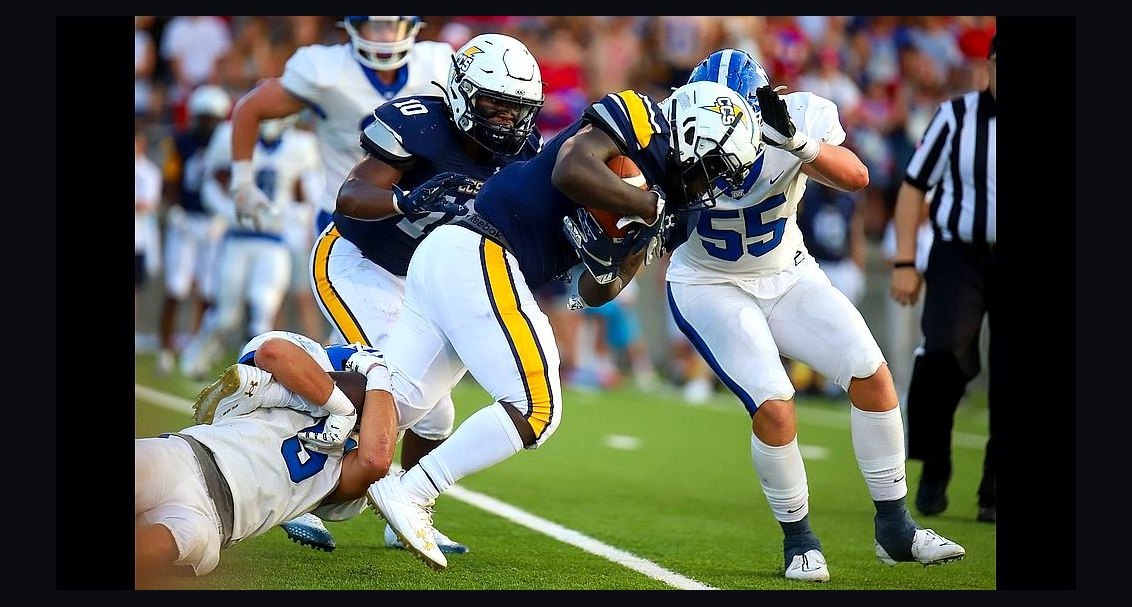 nilHow much do Chattanooga football players earn from NIL in 2027?
 nilHow much do Florida A&M football players earn from NIL in 2027?
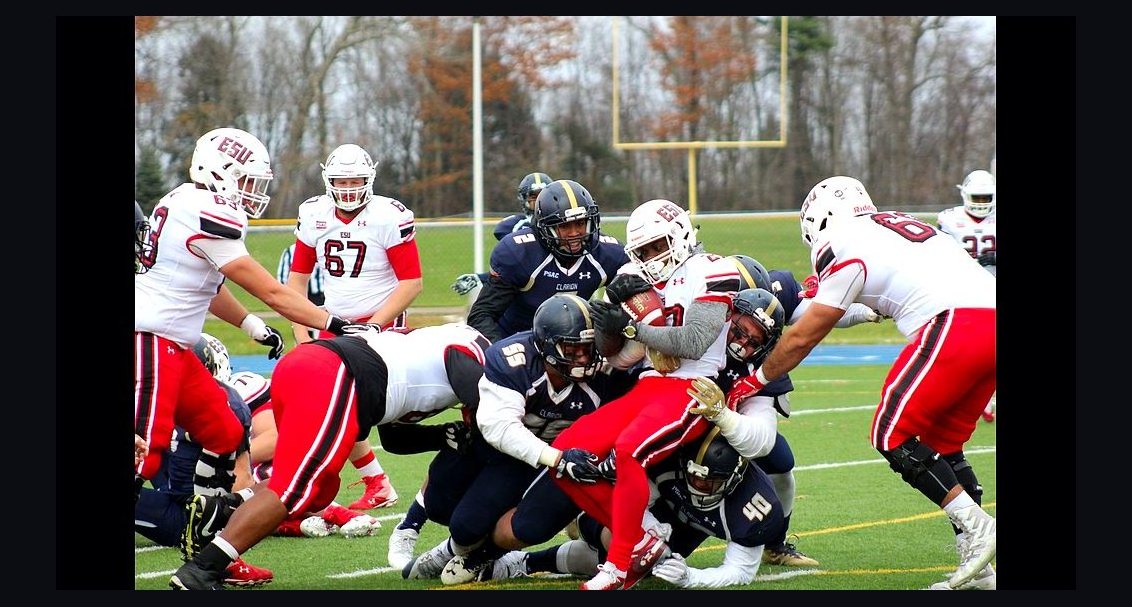 nilHow are pro teams using college NIL data for draft scouting in 2027?
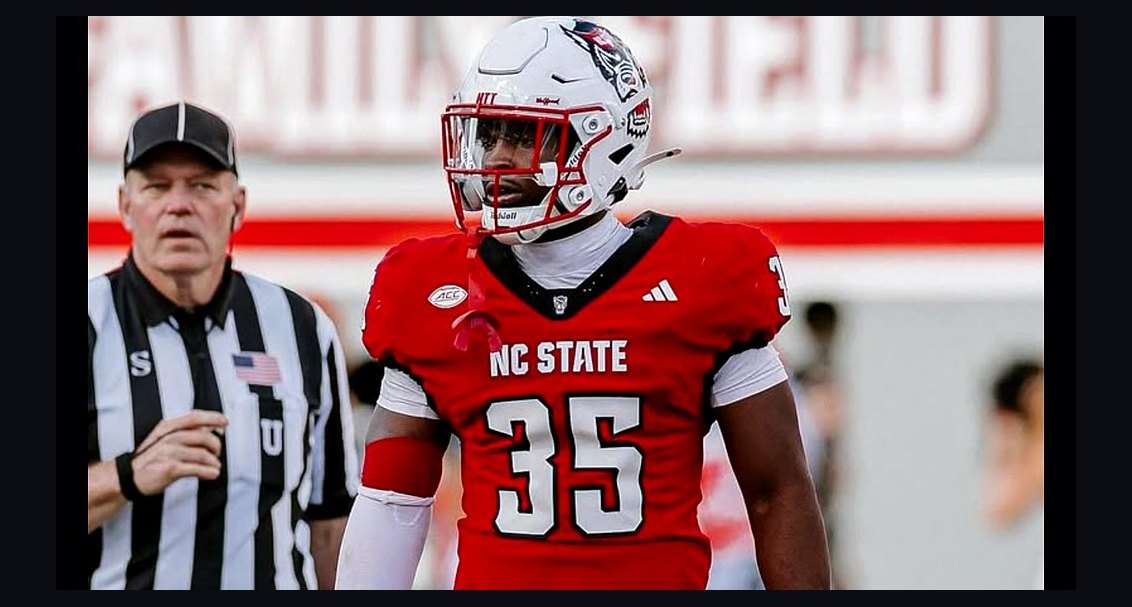 nilHow much do NC State football players earn from NIL in 2027?
 nilHow much do Arkansas State football players earn from NIL in 2027?
 nilHow much do Georgia State football players earn from NIL in 2027?
 nilHow much do Florida International football players earn from NIL in 2027?
 nilHow much do Northern Iowa football players earn from NIL in 2027?
 nilHow much do Wofford football players earn from NIL in 2027?