


How do you negotiate enterprise SaaS contracts in 2027 without giving away margin?
Quality
Certified
Anchor on documented value before any number, then trade every discount for something specific — a multi-year term, annual prepay, case study rights, or expansion. Hold price and give on terms instead. In 2027, procurement runs software audits with tools like Vendr and Tropic, so an enterprise seller who wants to negotiate contracts without giving away margin needs a quantified ROI case and a disciplined approval floor, not a friendlier discount.
Two ways to protect margin: hold price or discount for a trade
Every enterprise negotiation eventually reduces to one of two moves, and the reps who protect margin are the ones who know which move they are making at every point in the conversation. The first move is holding price and conceding on terms. The second is discounting, but only against a specific trade. Both are legitimate. The mistake that destroys margin is a third, unnamed move — discounting reflexively, with no trade and no floor, simply because the buyer pushed and the rep wanted the tension to end.
Holding price means the headline number on the order form never moves, but the deal still flexes around it. A pilot period, a first-quarter ramp rate, a longer payment term, or an accelerated implementation timeline all give the buyer something concrete to report back to their own stakeholders as a win, without touching the annual contract value. This matters more than it sounds like it should, because the number that gets discounted this year is the number procurement anchors to at every renewal afterward. A rep who holds price is not being stubborn — they are protecting three or four future renewal conversations, not just the one in front of them.

Discounting for a trade is the second legitimate path, and it is appropriate when the buyer is asking for something the seller genuinely cannot deliver at list — usually scale, usually multi-year commitment, usually a strategic logo the company wants regardless of margin. The discipline here is that the discount is never handed over first. It is quoted conditionally: "If you can commit to a three-year term, I can get to a number that reflects that." The trade is named before the number moves, which reverses the psychology of the whole negotiation. Instead of the buyer extracting a concession and then deciding whether to reciprocate, the seller sets reciprocity as the precondition.
The comparison that matters for a RevOps leader building playbooks is not which option is better in the abstract — it is which signals tell a rep to use which one. A buyer asking for a small, one-time accommodation (a later start date, a slightly extended payment term) is a hold-price situation almost every time; there is no need to touch the rate for something that costs the seller almost nothing structurally. A buyer asking for double-digit price movement on a genuinely competitive deal, where the seller actually wants the multi-year logo, is a discount-for-trade situation — but the trade has to be real and durable, not a throwaway concession like a extra onboarding call. Enterprise sellers who blur this distinction end up discounting for terms conditions that were never actually scarce, which is the single fastest way margin disappears without anyone noticing it happened.
How to decide which option fits your deal

The decision is not intuitive in the moment, which is exactly why it needs a repeatable framework rather than a rep's gut feel under pressure. Three questions, asked in order, resolve nearly every case: What is the buyer actually optimizing for? What would the discount cost across the full contract lifetime, not just this term? And is there a trade on the table that is worth more to the business than the margin being given up?
The first question — what the buyer is optimizing for — usually surfaces in how the objection is phrased. A buyer who says "I need to show my CFO we negotiated hard" is optimizing for a story, and a term concession satisfies that story just as well as a price cut. A buyer who says "your list price is 30% above what we're seeing from [competitor]" is optimizing for a number they can defend in a spreadsheet, and that is a harder objection to answer with terms alone — it usually needs either a real value reframe or a real trade.
The second question is where most reps under-price the true cost of a concession. A 15% discount on a $200,000 annual contract is not a $30,000 concession — if the renewal baseline resets at the discounted rate for three renewal cycles, the effective cost compounds toward six figures, and that is before accounting for the precedent the account's own procurement team will cite the next time they negotiate. Treating every discount request as if it only costs this year's number is the single most common underestimate enterprise sellers make.

The third question — whether the trade is worth more than the margin — is where the concession ledger earns its keep. A multi-year commitment that locks a logo and improves net retention is almost always worth trading margin for, because it converts a single transactional win into a compounding relationship. A same-quarter close with no multi-year term and no expansion path is rarely worth the same discount, even though it feels just as urgent in the room. The framework forces the rep to separate the feeling of urgency from the actual value of what is being offered in return, which is precisely the separation that a benchmarked, sophisticated buyer is counting on the rep not to make.
The numbers behind each option in 2027
Numbers turn this framework from a philosophy into something a deal desk can actually enforce, and 2027 benchmark data from Vendr, Gartner, Forrester, Bessemer, and OpenView gives enterprise sellers a defensible reference point for both paths.
On the hold-price path, the relevant figures are less about a specific percentage and more about what a term concession is worth relative to a price concession. A first-quarter ramp that drops the effective rate by 20-30% for one quarter, then returns to full price, costs a fraction of what a permanent 20% discount costs across a three-year term — yet it often satisfies the exact same buyer objection. Net-60 or quarterly billing terms cost the seller essentially nothing in gross margin and satisfy cash-flow-driven objections that have nothing to do with the product's actual value. These are the numbers a RevOps leader should be running in a simple model before a negotiation, not during one: what does a one-quarter ramp cost versus a permanent rate cut, expressed in dollars, not just percentage points.

On the discount-for-trade path, the 2027 benchmarks are more concrete. Average enterprise SaaS discounts run 20-30% off list, varying by segment and competitive intensity, but the discount alone is not the number that predicts outcome quality — deals closed under a 10% discount show roughly 30% better net retention than deeply discounted deals, which means the cheapest deals to win are frequently the most expensive to keep. A multi-year commitment of two to three years typically earns an additional 10-15% off, which is a coherent trade because it converts an annual renewal risk into a multi-year certainty. Annual prepay is worth roughly 5-8%, priced against the cash-flow and DSO benefit to the seller rather than given as a goodwill gesture. Discount approval tiers commonly run rep-level at 0-15%, sales manager at 15-25%, VP at 25-35%, and CRO or CFO sign-off required above 35% — a structure that adds friction exactly where friction protects margin most.
Procurement involvement itself is now a number worth tracking: more than 80% of deals over $100,000 include a dedicated procurement contact, which means the "just us two" negotiation dynamic that used to define enterprise SaaS selling is now the exception, not the rule. Average enterprise deal cycles run 60-120 days, stretching longer whenever security and legal review stack on top of commercial negotiation, and every extra week of cycle time is another week where a rep under quota pressure is tempted to discount just to close before the calendar turns. Building these numbers into a deal desk's standard reporting — discount depth versus net retention, cycle time versus discount granted — is what lets an enterprise organization catch the pattern before a single bad quarter becomes a permanent pricing culture.
Implementation details and sequencing

Knowing the framework and the numbers does not protect margin by itself; the sequence in which a rep deploys them across a deal cycle is what actually determines the outcome, and that sequence needs to be built into the sales process itself, not left to individual judgment in the room.
The sequence starts before the first pricing conversation, at discovery, where the rep should already be building the quantified ROI case in the buyer's own metrics — hours saved, cycle time reduced, revenue protected, headcount avoided — so that by the time price comes up, it lands against an established number the buyer's own team would recognize as credible. Reps who wait until the proposal stage to build the value case are negotiating from a weaker position than reps who spent the discovery calls quietly assembling it, because the anchor for the entire negotiation gets set by whoever introduces a credible number first.
The next step in the sequence is the anchor itself: quoting list price, defending it with the ROI case, and treating any movement off that number as a deliberate, structured decision rather than a reflexive response to pushback. This is also the moment to name the approval matrix out loud if the buyer pushes hard — telling a buyer "a discount at that depth needs VP sign-off, and they'll want to know what we're getting in return" is not a stall tactic, it is a legitimate process step that buys time and reframes the ask as a two-way trade rather than a one-way request.

Once the trade is named and accepted, the next implementation detail is logging it — not informally in a notes field, but in whatever deal desk system the organization uses (DealHub, Conga, and Ironclad are common choices for enforcing this automatically), so that the concession and the get are both recorded against the account. This matters for two reasons beyond simple bookkeeping. First, it means the next renewal conversation starts from documented history rather than institutional memory, so the seller can point to exactly what was traded for the original discount. Second, it means a RevOps or sales-ops function can actually measure, at the portfolio level, whether concessions are correlating with the outcomes the organization wants — better retention, faster expansion, cleaner renewals — rather than just correlating with whichever rep was under the most quota pressure that quarter.
The final piece of sequencing is the walk-away point, and it has to be set before the negotiation starts, not discovered during it. A floor that accounts for cost to serve, the renewal baseline a given discount would create, and the precedent it sets for the account's future negotiating posture gives a rep something firm to stand on when a buyer's final push arrives in the last week of the quarter. Enterprise sellers who set this floor in advance close fewer marginal deals under maximum pressure, but the deals they do close carry the retention and expansion profile the 2027 benchmarks associate with disciplined, low-discount negotiations — which is the entire point of treating contract negotiation as a structured trading exercise rather than a test of who wants the deal more.
Related questions
How do you coach reps to negotiate without giving away margin?
Coach the concession ledger explicitly: every discount request gets answered with a question about the trade, never an immediate number. Role-play the specific procurement plays (deadline squeeze, competitor bluff, benchmark citation) so reps have a rehearsed counter instead of an improvised concession under pressure.
How do you survive enterprise procurement without giving away margin?

Treat procurement as a stakeholder with its own metrics, not an obstacle. Give them a term or process win they can report as savings — faster payment terms, a shortened security review — instead of a price cut, and bring your own benchmark data so their numbers are not the only numbers in the room.
How do you coach reps to walk away from a bad deal?
Set the walk-away point before the negotiation starts, in dollars and in writing, so it is not decided emotionally in the final week of the quarter. A rep who can point to a predefined floor has cover to say no without it feeling personal or arbitrary.
How do you track cost-to-serve against ARR margin?
Build a simple model per account that nets ARR against support load, implementation cost, and account management time, then review it at renewal alongside the discount history. Accounts that were discounted heavily and are expensive to serve are the clearest early warning of margin erosion.
FAQ
How much discount is normal on an enterprise SaaS deal in 2027?
Average enterprise discounts run 20-30% off list, with multi-year commitments earning an additional 10-15% on top of that. The more useful number for a RevOps leader to track is the floor: deals closed under a 10% discount show roughly 30% better net retention, so the goal is trading for term and prepay rather than chasing the discount average down.
Should I ever discount without asking for something in return?
No. A free discount teaches the buyer that pushing on price is costless, and it resets the renewal baseline downward permanently. Every concession should be paired with a get — a multi-year commitment, annual prepay, case study and logo rights, an expansion commitment, or faster payment terms.

How do I respond when a buyer cites a Vendr or Tropic benchmark?
Do not argue that the benchmark is wrong. Reframe the comparison around what the benchmark cannot see — your scope, your support tier, your security posture, and the value documented in your ROI case. The benchmark tells the buyer what peers paid; it does not capture the value gap between your product and the alternative, which is where you reset the conversation.
Is it better to hold price or give terms?
Hold price and give terms whenever the objection allows it. A discount becomes the permanent renewal baseline that procurement will defend forever, while a term concession — a pilot, a ramp quarter, extended payment terms — expires, and the renewal returns to full rate without a fight.
What is a discount approval matrix and why does it protect margin?
It routes discount authority by depth — reps typically approve up to 15%, managers up to 25%, VPs up to 35%, and anything deeper needs CRO or CFO sign-off. The friction is the point: it slows deep discounts down long enough for someone to ask what the business is getting in return.
Why does a walk-away point matter if I really want to close the deal?
Because without a predefined floor, pressure in the final week of a quarter will talk a rep past almost any number. The floor accounts for cost to serve, the renewal baseline the discount creates, and the precedent it sets — and a rep who genuinely knows it negotiates from a position where the buyer can sense that no deal is a real possibility.
Sources
- Vendr — SaaS Buying and Negotiation Benchmark Reports (vendr.com)
- Gartner — Enterprise Software Buying and Value-Realization research (gartner.com)
- Forrester — Total Economic Impact and B2B negotiation research (forrester.com)
- Bessemer Venture Partners — State of the Cloud (bvp.com)
- OpenView Partners — SaaS Benchmarks and Product-Led Growth research (openviewpartners.com)
- Winning by Design — Revenue Architecture (winningbydesign.com)
- DealHub — CPQ and deal desk governance documentation (dealhub.io)
- Ironclad — Contract lifecycle management resources (ironcladapp.com)
- Tropic — SaaS procurement and spend benchmarking (tropicapp.io)
- Spendflo — SaaS procurement platform documentation (spendflo.com)
Related on PULSE
- How do you coach reps to negotiate without giving away margin?
- How do you survive enterprise procurement without giving away margin?
- How is AI reshaping the B2B sales funnel in Q1 2027 away from linear stages?
- How do you coach reps to walk away from a bad deal?
- How do you track cost-to-serve enterprise customers against ARR margin?
This page will be disappearing soon. Save it to your device for $1 — or read it free while it is here.
@Kory-White- · if Venmo asks, the last 4 of my number are 2012
This page is gone.
This one is off the shelf now. $1 keeps it on your phone for good — the whole page, pictures and diagrams included.
 revopsHow does AI roleplay change sales training and rep ramp in 2027?
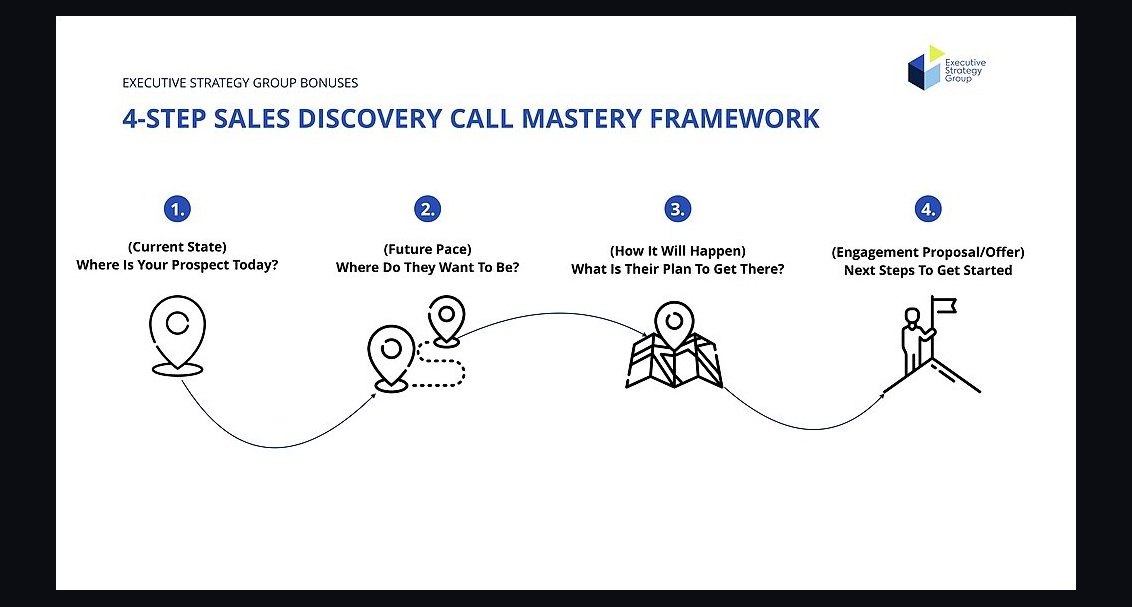 revopsWhat's the best discovery call framework for complex B2B sales in 2027?
 revopsHow do you handle deal slippage at quarter-end without sandbagging the forecast in 2027?
 revopsWhat is allbound and how do you run an allbound GTM motion in 2027?
 revopsHow much pipeline coverage do you need to hit quota reliably in 2027?
 revopsHow do you build a sales hiring scorecard that predicts rep success in 2027?
 revopsHow do you run a multi-threaded enterprise deal across 8 or more stakeholders in 2027?
 revopsWhat metrics matter most for renewal-driven SaaS sales in 2027?
 revopsWhat's the role of customer success in revenue expansion for 2027 B2B SaaS?
 revopsHow do you fix email deliverability for sales outbound in 2027?