


Why is SaaS pricing shifting from per-seat to usage- and outcome-based in 2026?
Quality
Certified

SaaS pricing is shifting from per-seat to usage- and outcome-based because AI breaks the per-seat economic model: seats assume near-zero marginal cost per user, but AI features carry real per-request compute costs that vary with input complexity. Seats can no longer capture delivered value or cover cost-to-serve, so vendors are moving toward hybrid models that meter consumption or results.
A concrete scenario: the seat-based contract that stopped making sense
Picture a mid-market B2B software company selling a workflow automation platform at $150 per seat per month. For years, the math was clean: 200 seats at a 400-person customer generated $360,000 in annual recurring revenue, and marginal cost per additional seat was close to zero. Support tickets were the only meaningful variable cost, and they scaled slowly.
Then the company shipped an AI agent that drafts, routes, and resolves routine workflow exceptions. Within two quarters, the customer's operations team dropped from 200 licensed seats to 90 — the agent was doing the work of the rest. But the vendor's cost structure inverted. Every agent action triggered a large language model call, and those calls cost real money: simple classification requests ran fractions of a cent, while complex multi-step reasoning over long documents cost orders of magnitude more. The customer was now getting more value from fewer seats while the vendor absorbed a new variable cost that seats never priced.
The renewal conversation exposed the structural problem. The customer asked for a 55% seat reduction, which was rational — they genuinely needed fewer humans. The vendor's revenue would fall by roughly $198,000 while its compute costs on that account rose. Both parties were acting correctly, and the contract still destroyed value for the vendor. That gap — value delivered rising while seat-based revenue falls, and cost-to-serve rising at the same time — is the engine behind the entire market shift.
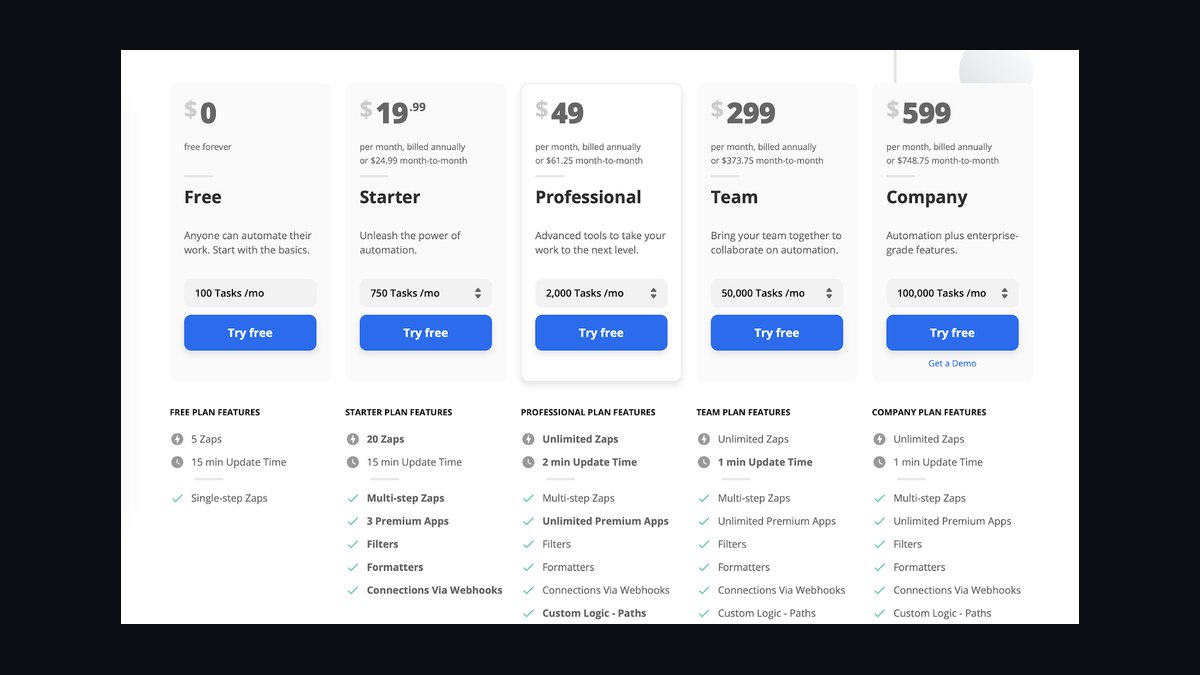
Multiply that scenario across a portfolio and the strategic problem becomes obvious. Any product where an AI feature substitutes for human labor will see seat counts compress even as usage climbs. Any product where AI features carry variable compute will see cost-to-serve detach from seat count. Per-seat pricing can survive only where neither condition holds — which is a shrinking share of the market.
How the mechanism actually works: from seats to meters to outcomes
The shift is not a single pricing change. It is a sequence of mechanical steps that connect product telemetry to invoices, and understanding that chain is what separates teams that execute the transition from teams that announce it and quietly revert.
At the base of the chain is product usage instrumentation. Every meaningful action — an API call, a document processed, a token consumed, an agent task completed, a workflow executed — must emit a structured event with an account identifier, a timestamp, and enough dimensional detail to rate it later. This is the step most teams underestimate. Events that are fine for product analytics (aggregated, sampled, or delayed) are often unusable for billing, which requires completeness, idempotency, and auditability.

Next comes metering and rating. Metering aggregates raw events into billable quantities per account per period. Rating applies a price schedule to those quantities, which is where complexity explodes: tiered pricing, committed-use discounts, overage rates, credits, and per-unit rates that differ by feature or model tier. A rating engine that cannot express the commercial terms the pricing team designed will force the pricing team to simplify — usually toward something less aligned with value.
Then billing and invoicing turns rated usage into a document a customer will pay. This is where usage-based models collide with finance reality: mid-cycle true-ups, proration, dispute handling, revenue recognition under ASC 606, and the operational burden of explaining a variable invoice to a procurement team that budgeted a fixed number.
Running alongside that pipeline is a second, equally important flow: cost-to-serve analytics. For every account, the vendor needs to know not just what it billed but what it spent — inference costs, infrastructure, third-party API fees, support load. Without this, a usage-based model can scale revenue and losses simultaneously, because the heaviest users are often the most expensive to serve and the least likely to be priced correctly.
The loop at the bottom is the part most organizations skip. Pricing is not a one-time decision; it is a control system. Usage data feeds margin analysis, margin analysis feeds packaging and renewal strategy, and that strategy updates the price schedule. Teams that treat pricing as an annual offsite exercise rather than a continuously tuned loop will find their usage model drifting out of alignment within two or three quarters.
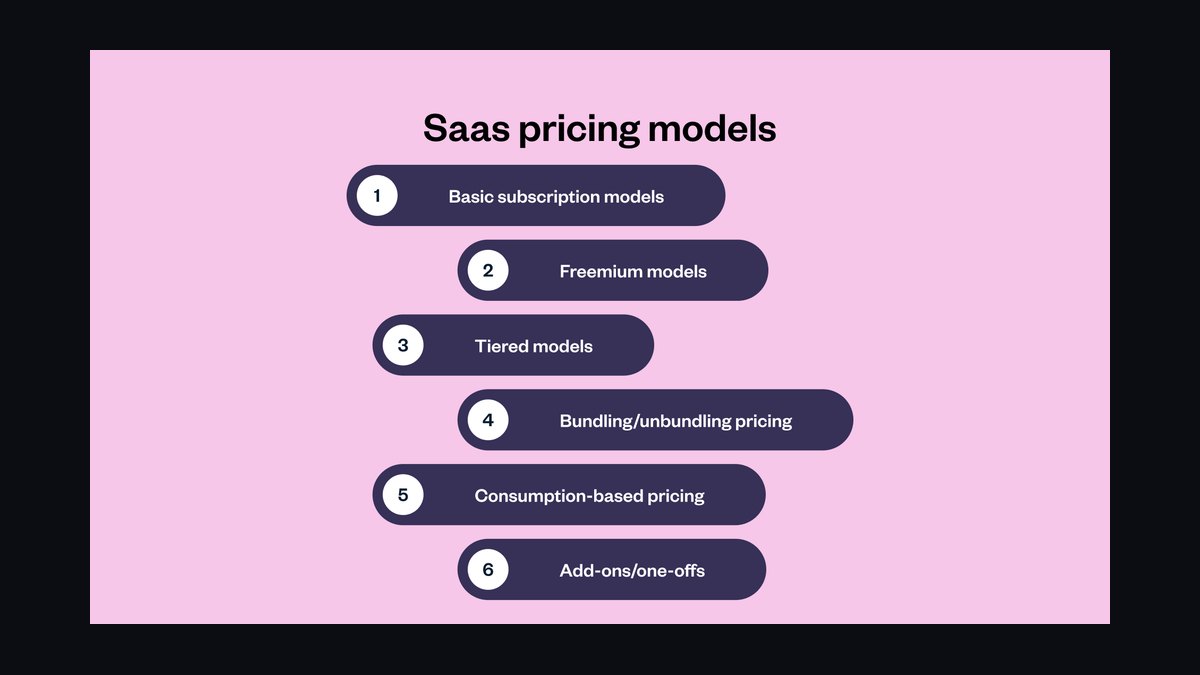
Finally, there is the outcome layer, which sits above usage. In an outcome model, the billable unit is a result the customer cares about — a resolved ticket, a qualified lead, a closed reconciliation, a recovered dollar. This is the most value-aligned model and the hardest to operate, because it requires the vendor and customer to agree on what counts as an outcome, how it is measured, and who audits the measurement. Outcome pricing works best where the result is unambiguous and the vendor has enough control over delivery to make the guarantee economically survivable.
Real numbers, ranges, and benchmarks
The market data tells a consistent story about direction and pace, even where exact figures vary by source and methodology.
Seats as the sole value metric have collapsed. Reliance on seats as the only pricing metric sits at roughly 8% of the market. That does not mean seats are gone — more than 80% of vendors still use seats as one component of their pricing. The change is that seats have moved from being the whole model to being one input among several.
The transition has a timeline. IDC projects roughly 70% of vendors will move off pure per-seat pricing by 2028. Gartner expects at least 40% of enterprise SaaS spend to shift toward usage-, agent-, or outcome-based models by 2030, with seat-based vendor revenue share sliding from around 21% to 15%.
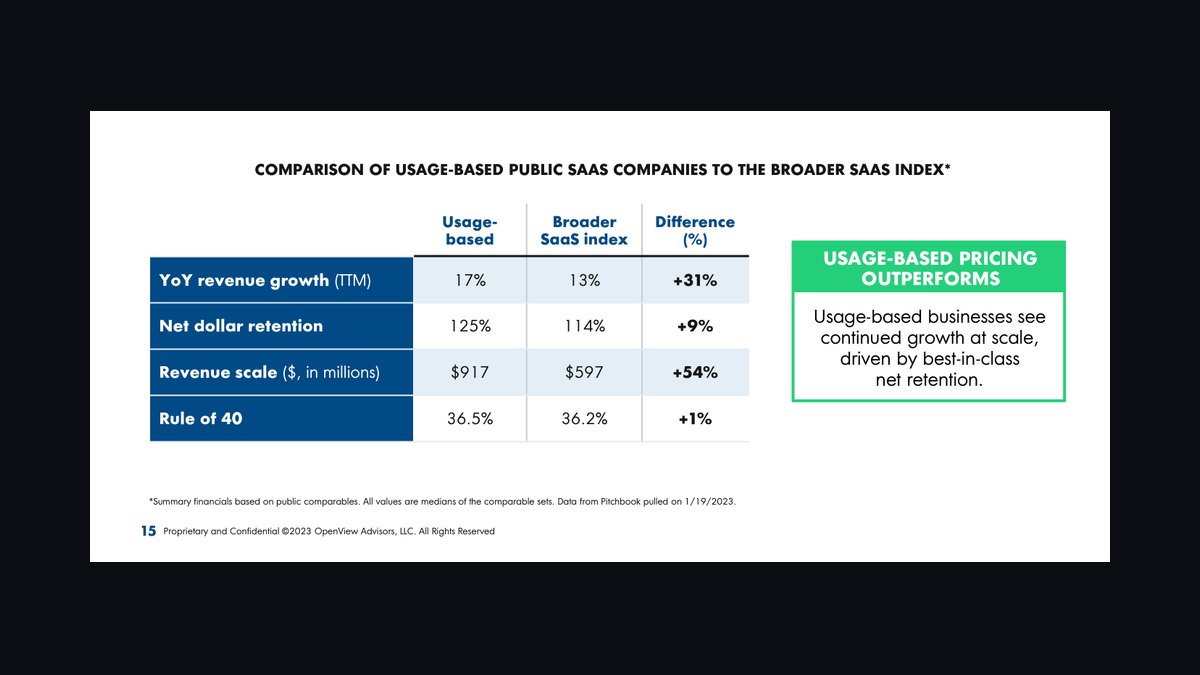
Hybrid is where the market is actually converging. A fixed base plus a variable usage or outcome component is used by roughly 43% of companies today, projected to approach 61% by the end of 2026. Firms running hybrid models report roughly 38% higher revenue growth and 38% higher net revenue retention than pure-seat comparators.
Usage-based pricing is mainstream; outcome-based is early. Usage-based pricing in some form is used by about 38% of SaaS companies, up from 27% in 2023, and 59% of vendors expect usage to grow as a share of revenue. Outcome-based pricing shows roughly 31% higher retention where it is used, but adoption remains nascent — most companies have not adopted pure outcome models, with AI-agent-native companies furthest along.
Credit-based pricing surged as a stopgap. Credit-based pricing grew roughly 126% year over year as a way to monetize AI features without rebuilding billing infrastructure. Most teams treating credits as a durable model are mistaken; credits are a workaround that buys time while the real metering stack gets built.
New cost primitives are entering pricing architecture. Bessemer has flagged units that did not exist for classic SaaS — cost per thousand tokens, cost per resolved request, and cost per agent minute — as the primitives now driving pricing for AI-native products. A price set without reference to these will sell at a structural loss on heavy accounts.
Buyer behavior is reinforcing the shift. Enterprise procurement teams, having absorbed a decade of SaaS sprawl, increasingly resist paying for access that goes unused. A meaningful share of large contracts now require at least one usage- or outcome-based component, and vendors report that outcome-based deals can close faster while demanding more sophisticated contract language around measurement, audit rights, and minimum commitments.
The practical read for a RevOps leader: the direction is settled, the pace is faster than most planning cycles assume, and the specific model matters less than having the instrumentation to support whichever model the business chooses.
Trade-offs and alternatives: choosing where to land
No pricing model dominates on every dimension. The right choice depends on how predictable the vendor needs revenue to be, how variable the cost-to-serve is, how measurable the value is, and how much operational complexity the finance and legal teams can absorb.
Per-seat remains the simplest to sell, forecast, and administer. It aligns with how buyers budget and how finance recognizes revenue. Its failure mode is structural: it decouples revenue from both value delivered and cost incurred whenever AI substitutes for labor or introduces variable compute.
Pure usage-based aligns revenue with consumption and scales naturally with customer success. It handles variable cost well and tends to expand without a sales conversation. Its failure modes are revenue volatility, customer anxiety about unpredictable bills, and heavy operational load on billing and finance.
Pure outcome-based aligns most tightly with customer value and can command premium pricing when the outcome is measurable and defensible. Its failure modes are measurement disputes, margin risk if the vendor cannot control delivery cost, and long contract cycles spent negotiating definitions rather than price.
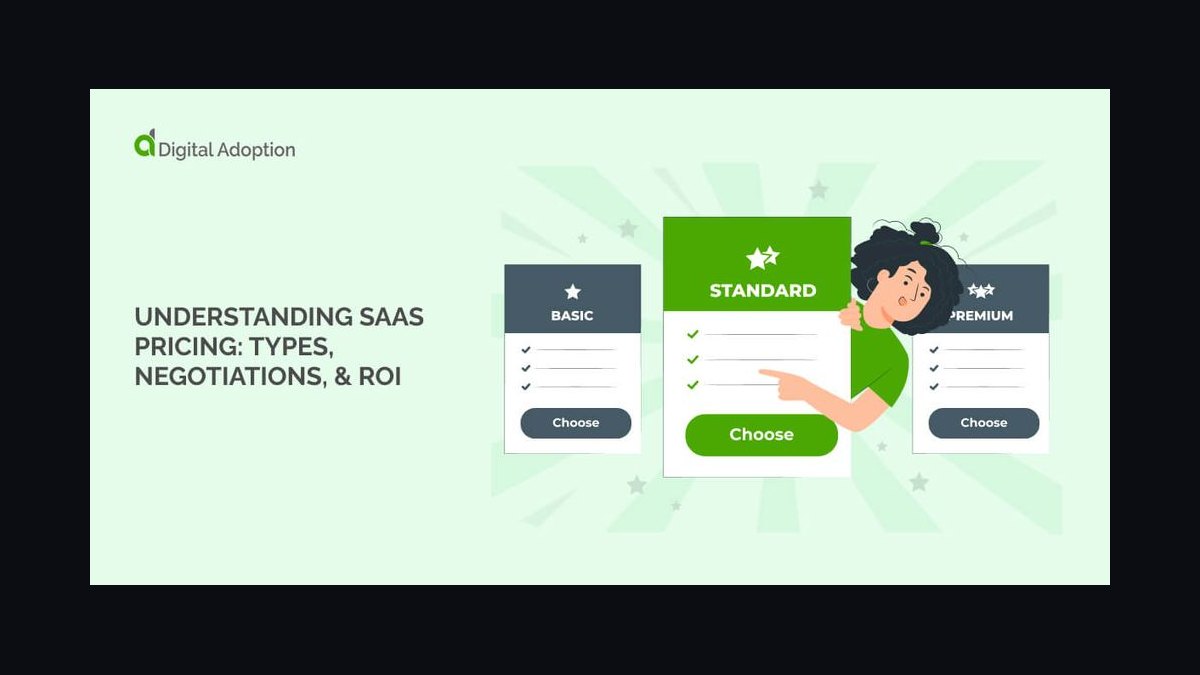
Hybrid — a committed base plus a variable component — is the pragmatic landing zone for most companies in transition. It preserves a forecastable floor, captures upside from heavy users, and gives the sales team something familiar to sell. Its trade-off is complexity: two pricing mechanics to meter, explain, and reconcile.
The decision tree above is deliberately conservative: it routes most companies to hybrid, which matches where the market data says adoption is actually landing. Pure outcome models are reserved for cases where the vendor genuinely controls delivery and the outcome is unambiguous — otherwise the vendor is writing a guarantee it cannot price.
A second trade-off worth naming explicitly is predictability versus alignment. Every step away from seats toward usage and outcomes trades revenue predictability for tighter value alignment. That trade is usually worth making, but it must be funded: a company moving to usage-based pricing needs stronger forecasting, better cost visibility, and a finance team prepared for variable collections. Making the pricing change without those capabilities converts a strategic improvement into an operational crisis.
Common pitfalls and how to avoid them
Committing to a model the billing stack cannot meter. This is the most expensive mistake because it surfaces after contracts are signed. Before announcing any usage or outcome component, verify end-to-end that the stack can capture events, rate them per the commercial terms, invoice them accurately, and handle disputes. If it cannot, either fix the stack first or simplify the model to something it can support. Mis-invoicing a usage-based contract destroys customer trust faster than any pricing change can build it.
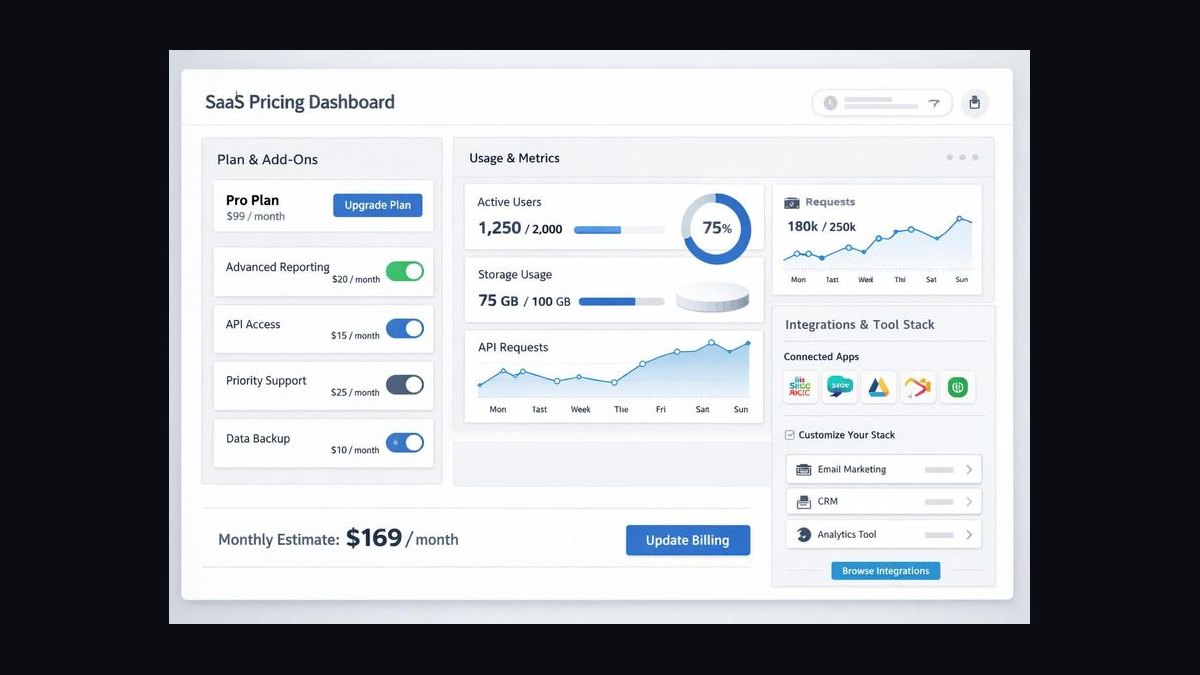
Skipping the usage data pipeline. Many teams have product analytics but no billing-grade usage pipeline. The difference matters: analytics can tolerate sampling and latency; billing cannot. Build the pipeline — events to metering to rating to billing — plus the margin analytics that sit alongside it. Without margin visibility by account, a usage model can grow revenue while quietly growing losses on the accounts that consume the most.
Pricing on guesswork about cost-to-serve. A price set without reference to inference cost, infrastructure, and support load is a price set blind. Instrument cost per account and per feature before finalizing rates, and revisit those rates as model costs change. Inference costs have moved quickly in both directions, and a price schedule that was healthy two quarters ago may not be today.
Leaving sales compensation on the old model. If reps are paid on seats booked while the company sells consumption, the field will keep selling seats. Rewrite comp so reps are rewarded for landing and expanding usage or outcomes, and adjust quotas to reflect variable revenue. This is often the slowest part of the transition because it touches territory design, quota setting, and payout mechanics simultaneously.
Forecasting variable revenue with seat-era models. Consumption revenue swings with customer behavior, seasonality, and adoption curves in ways seat renewals do not. Rebuild forecasting around usage trends, cohort consumption, and committed-versus-actual drawdown. A team that keeps a seat-based forecast on a usage-based business will miss its number even with healthy demand.

Treating credits as a permanent model. Credits are a useful bridge, and their rapid adoption reflects real urgency. But credits obscure the underlying unit economics and tend to accumulate customer confusion about what a credit is worth. Use them to buy time, not as the destination.
Announcing the change before the motion is ready. Pricing changes are customer-facing events. Sequence them: instrument first, pilot with a small cohort, validate invoicing and margin, then roll out with clear communication and a defined path for existing customers. Rushing the announcement to match a competitor's press release is how transitions get reversed.
Related questions
Why is per-seat pricing specifically failing now rather than earlier?
Earlier SaaS had near-zero marginal cost per user, so seats tracked value closely enough. AI changed both sides at once: agents reduce the number of humans a customer needs while adding real per-request compute cost. Seats now undercount value and underprice cost simultaneously.
What is the difference between usage-based and outcome-based pricing?
Usage-based pricing charges for consumption — API calls, tokens, tasks, or another metered unit. Outcome-based pricing charges for a result the customer cares about, such as a resolved ticket or a closed reconciliation. Usage is easier to meter; outcomes align more tightly with value but require agreed definitions and audit rights.
How long does a transition from per-seat to hybrid pricing typically take?

Most organizations need several quarters, not weeks. The pricing decision is fast; the work is instrumentation, rating, invoicing, cost-to-serve analytics, comp redesign, and forecasting rebuild. Piloting with a small cohort before broad rollout is the reliable way to compress the timeline.
Does moving to usage-based pricing mean abandoning seats entirely?
No. More than 80% of vendors still use seats as one component. The change is that seats stop being the only metric. Hybrid models keep a seat or platform base while adding a usage or outcome component that captures value seats miss.
What is the single biggest blocker to adopting usage-based pricing?
Billing and metering infrastructure. Most legacy CPQ and billing platforms were built for recurring seat charges, not real-time metering and rating. Teams that succeed usually add a dedicated usage-metering layer that ingests product events and feeds a modern billing engine.
FAQ
What is the primary driver of the shift away from per-seat pricing? AI breaks the per-seat economic assumption. Seats worked when marginal cost per user was near zero, but AI features carry real per-request compute costs that vary with input complexity. At the same time, AI agents reduce the number of human seats a customer needs while increasing delivered value, so seat revenue falls exactly as value rises.
How fast is the transition actually happening? Faster than most planning cycles assume. Seats as the sole value metric are down to roughly 8% of the market. IDC projects about 70% of vendors off pure per-seat by 2028, and Gartner expects at least 40% of enterprise SaaS spend to move to usage-, agent-, or outcome-based models by 2030.
.png)
Which pricing model are companies adopting most often right now? Hybrid — a fixed base plus a variable usage or outcome component. Roughly 43% of companies use it today, projected to approach 61% by the end of 2026. Hybrid firms report around 38% higher revenue growth and 38% higher net revenue retention than pure-seat comparators.
Is this shift only about AI costs, or are there other forces? AI is the accelerant, but buyer behavior reinforces it. After years of SaaS sprawl, procurement teams resist paying for unused access and increasingly require usage or outcome components in large contracts. The result is pressure from both the cost side and the demand side.
What should RevOps fix first when moving off per-seat pricing? Start with instrumentation and billing capability, not the price sheet. Confirm the stack can meter events, rate them per the commercial terms, and invoice accurately. Then build cost-to-serve analytics by account before finalizing rates, and realign sales compensation and forecasting to the new metric.
Will per-seat pricing disappear completely? No. It will persist where user counts are stable, value tracks seats, and marginal cost stays near zero. But as a standalone model it is becoming rare. The durable pattern is hybrid: a predictable base combined with a variable component that captures consumption or outcomes.
Sources
- https://www.bvp.com/atlas
- https://www.gartner.com/en/newsroom
- https://www.idc.com/getdoc.jsp?containerId=prUS52603424
- https://www.flexera.com/blog
- https://www.revopscoop.com/
- https://www.pymnts.com/
- https://www.zuora.com/
- https://stripe.com/guides/usage-based-billing
- https://www.metronome.com/
- https://www.lago.com/
Related on PULSE
- How is AI agent pricing shifting from per-seat to consumption and outcome-based models in 2027?
- How does the 2027 trend toward outcome-based contracts change the GTM motion for SaaS startups?
- Why are longer sales cycles in 2027 forcing B2B companies to adopt outcome-based pricing models?
- What is outcome-based pricing and why are AI vendors adopting it in 2027?
- What is usage-based pricing — and when should you switch from per-seat?
- Should Salesforce kill the per-seat pricing model?
This page will be disappearing soon. Save it to your device for $1 — or read it free while it is here.
@Kory-White- · if Venmo asks, the last 4 of my number are 2012
This page is gone.
This one is off the shelf now. $1 keeps it on your phone for good — the whole page, pictures and diagrams included.
 revopsHow do you explain a missed quarter to the board in 2027?
 revopsHow should a 2027 startup design compensation for the first AE?
 revopsHow should a 2027 CSM build an ROI justification ahead of renewal?
 revopsWhat are the 2027 best churn-save playbooks?
 revopsWhat are Auburn Tigers football's 2027 NIL needs and strategy?
 revopsWhat are Notre Dame Fighting Irish football's 2027 NIL needs and strategy?
 revopsWhat is the product-led-sales (PLS) playbook in 2027?
 revopsRevOps-as-strategy vs RevOps-as-operations: which positioning in 2027?
 revopsHow should a 2027 sales org handle compensation impact during a performance improvement plan?
 revopsWhat are the 2027 predictive interview signals for hiring AEs?