


How do college athletes choose their NIL agents in 2027?
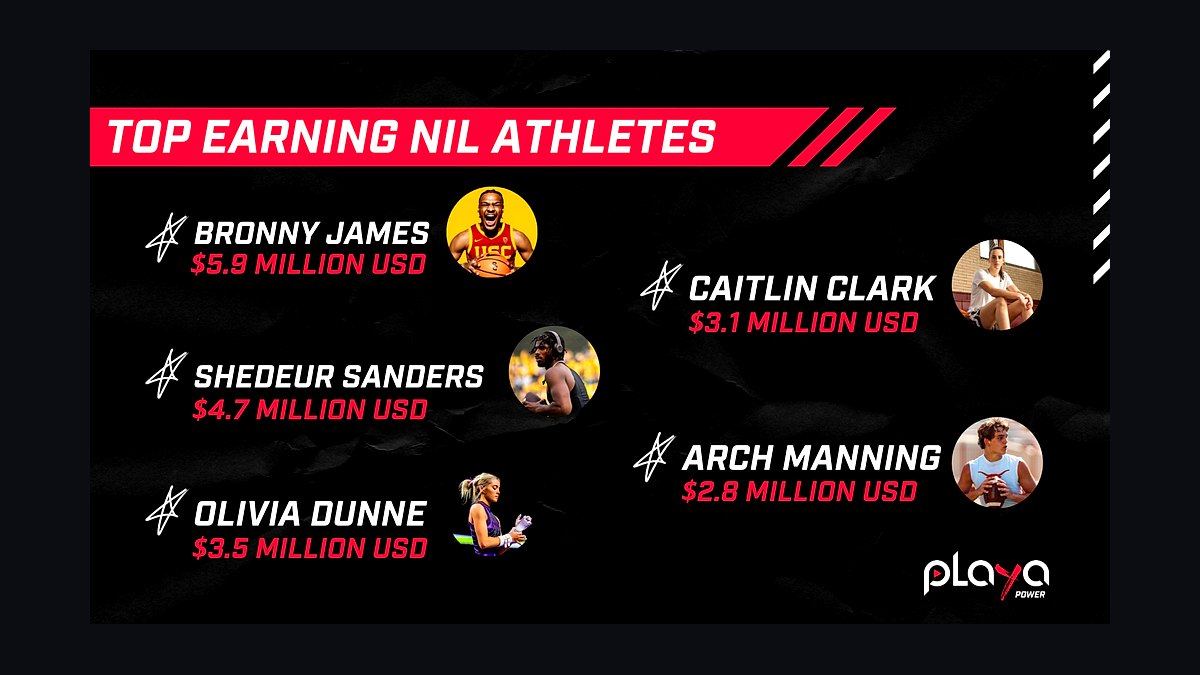
College athletes in 2027 pick NIL agents through a four-filter funnel: (1) confirm the agent is state-registered under SPARTA and listed in the NCAA voluntary agent registry that went live in late 2025; (2) demand a written representation agreement capped at 5% commission on collective/rev-share deals and 15-20% on brand endorsements; (3) verify a real client roster with named athletes at peer programs, not just headshots on a website; (4) require separation of duties so the agent is not also the collective, the marketing platform, and the financial advisor. The market is still largely unregulated post-House settlement, so the burden of due diligence sits on the athlete and family, not the NCAA.
1Why Agent Selection Got Harder After The House Settlement
1.1 Schools Can Now Be The Agent
The House v. NCAA settlement (final approval June 2025, $2.8 billion backpay, $20.5 million per-school rev-share cap for 2025-26 scaling to $32.9 million by 2034-35) created a structural conflict that did not exist in the 2021-2024 NIL era. Under the settlement, the school itself — or a designated third party like a collective or a local marketing rights holder — can act as the athlete's NIL agent, even on an exclusive basis. 319 of ~390 Division I schools opted in by the July 1, 2025 deadline.
This means a tight end at Ohio State in 2027 can be told "let our in-house NIL office cut your deals" by the same coaching staff that decides his playing time. The settlement explicitly preserves the athlete's right to bring in a parent, guardian, lawyer, or other competent representative during those discussions, but it does not require the school to recommend one. Choosing an independent agent is now partly a defensive move against your own athletic department.
1.2 The College Sports Commission Adds A New Vetting Layer
The College Sports Commission (CSC), the enforcement body created by the settlement and run independently of the NCAA, routes every third-party NIL deal above $600 through NIL Go, the Deloitte-built clearinghouse launched June 2025. An agent who does not understand NIL Go submission mechanics — fair-market-value comp benchmarks, associated-entity flags, the April 2026 class-counsel motion trying to narrow CSC enforcement scope — will get an athlete's deal bounced or voided.

1.3 Rev-Share Concentrates In Two Sports
Roughly 83.9% of rev-share dollars flow to football and men's basketball, so agent economics are radically different by sport. A starting Power-Four quarterback in 2027 is negotiating against a $3-5 million annual package; a women's volleyball All-American at the same school is negotiating against a $15,000-$60,000 brand-endorsement runway. The agent who is right for one is almost never right for the other.
2The Four-Filter Funnel Athletes Should Run
2.1 Filter One — Legal Registration
Anyone in the United States can put "NIL agent" on a business card. No federal license exists. The real legal floor is:

- State athlete-agent registration under the Uniform Athlete Agents Act (UAAA) or a state-specific NIL statute — 35 states have active NIL laws as of 2026.
- The federal Sports Agent Responsibility and Trust Act (SPARTA), which makes it a federal misdemeanor to misrepresent agent status or pay an athlete to sign.
- The NCAA voluntary agent registry approved in January 2024 and now operational — not mandatory, but a fast filter.
If an agent cannot produce their state registration number on request, end the conversation.
2.2 Filter Two — Fee Structure In Writing
Standard 2027 fee ranges based on agency disclosures and the proposed federal cap of 5% in the Cantwell-Cruz-Coons-Schmitt bipartisan college sports bill:

- Brand endorsement deals: 15-20% commission, industry standard at CAA, Wasserman, Excel Sports, Klutch Sports, WME, Octagon, Athletes First.
- Collective / rev-share dollars routed through the school: 3-5% is defensible; anything above 10% is a red flag flagged by both Amundsen Davis and Fennemore Law in 2026 client alerts.
- Marketing-only flat retainers: $500-$2,500/month for mid-tier athletes, common at boutique firms.
- Contract review by an actual licensed attorney: $300-$600/hour or a $2,000-$5,000 flat per deal.
No verbal handshakes. A written representation agreement, reviewed by an independent lawyer the agent did not refer, is non-negotiable.

2.3 Filter Three — Verifiable Client Roster
The Business of College Sports NIL Agents Tracker and On3 NIL Database list real agent-athlete pairings. Ask the agent for:
- Three current clients at a peer-tier program willing to take a 10-minute call.
- Deal counts and approximate annual deal value for those clients (a 2027 SEC starting linebacker should be clearing $400,000-$1.2 million in combined rev-share + NIL).
- Two deals that went sideways and how the agent fixed them — agents who claim "no problems, ever" are lying.
2.4 Filter Four — Separation Of Duties
The single biggest 2026 enforcement theme from Fennemore, McLane Middleton, and the SAFE Act commentary is conflict-of-interest stacking. A clean agent is not also:

- The collective writing the checks.
- The platform (Opendorse, INFLCR, Athliance, MOGL) processing the payments.
- The financial advisor managing the proceeds.
- The agency that owns the brand the athlete is endorsing.
When all four functions sit under one roof, the athlete is the product, not the client.

3The Agency Tiers Athletes Actually Choose From
3.1 Tier One — Full-Service Major Agencies
CAA Sports, Wasserman, Excel Sports Management, Klutch Sports Group (Rich Paul), WME Sports, Octagon, Athletes First. These firms cross-sell from professional rosters (NBA, NFL, WNBA) into college. Best fit for projected first-round draft picks, top-50 men's basketball recruits, top-100 football recruits, and high-revenue Olympic-sport stars (gymnastics, swimming, track).
Trade-off: a freshman receiver at a Group of Five school is client #847 at CAA and will get a junior associate. Same athlete at a boutique firm is the #3 priority client and gets the partner.
3.2 Tier Two — NIL-Native Boutiques And Marketing Firms
Firms built specifically for the 2021-post-Alston market: Everett Sports Management, Athletes Edge, Young Money APAA Sports (Lil Wayne), Spyre Sports Group, Influential Athletes, plus regional shops attached to specific conferences. Best fit for athletes generating $50,000-$500,000/year in deal flow who need hands-on brand strategy more than NFL/NBA contract leverage.

3.3 Tier Three — Marketing Platforms (Not Agents)
Opendorse, INFLCR, Athliance, MOGL, Basepath are technology platforms, not legal representatives. They power official school NIL directories at Oregon, Texas, Nebraska, Kansas, Maryland, Fordham, and dozens more. They handle deal flow, compliance disclosure, and payment processing — but they do not negotiate contracts on the athlete's behalf. Treating a platform rep as your agent is the most common 2026 athlete mistake.
3.4 Tier Four — Family Member Or Family Attorney
For athletes whose deal volume is under $25,000/year, a trusted family attorney billing hourly is often the right answer. The House settlement explicitly carves out parents, guardians, lawyers, and other competent representatives — no agent registration required for true family/legal counsel.

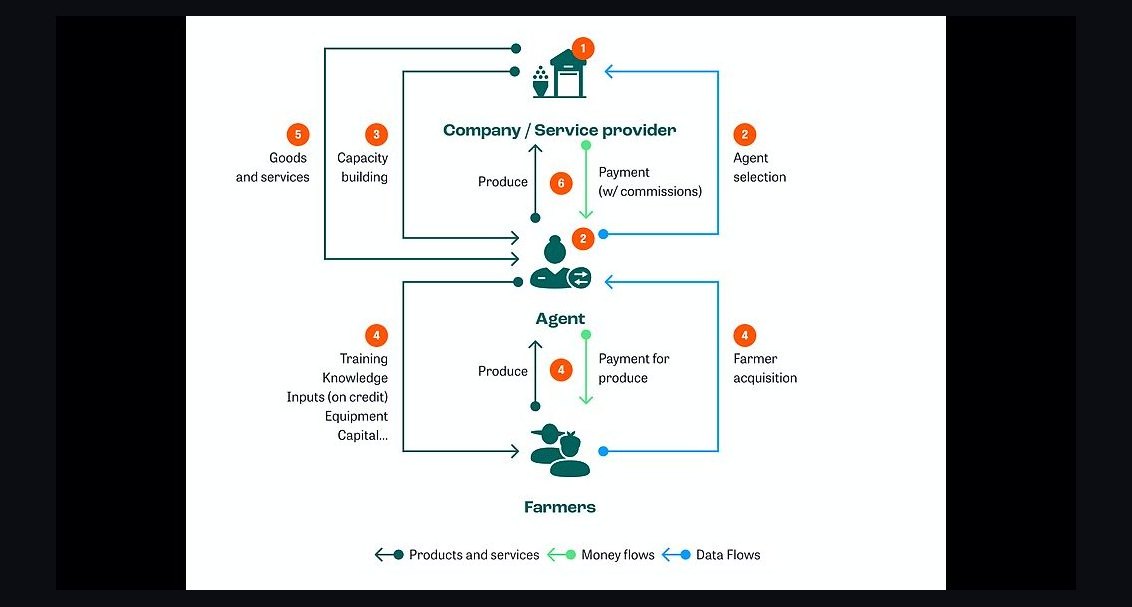
4The Selection Process Visualized
5Red Flags That Should End Any Conversation
5.1 The Cash Advance Trap
An agent who fronts cash, gear, or travel before a written agreement is signed is violating SPARTA and most state UAAA statutes. The Amundsen Davis 2026 family-protection guide flagged this as the single most common fraud pattern — athletes have had six-figure sums stolen by agents who took control of NIL receipts.
5.2 The Exclusive-Forever Clause
Standard agent agreements are one to two years with 30-90 day termination rights. Any agreement longer than three years or requiring post-college continuation without a separate professional-services renewal is predatory.
5.3 The Bundled Financial Advisor
Agents who insist the athlete also use their in-house wealth manager are stacking commissions. The 2027 norm is the agent recommends three independent fiduciary RIAs and the athlete picks.

5.4 The Vanishing Track Record
If the agent's website lists "clients across all Power Four conferences" but cannot name three currently enrolled, currently represented athletes, the roster is fictional.
6The Decision Timeline From Recruit To Signed Client
7Real 2027 Operator Patterns
7.1 The Quarterback Pattern
A projected Day-1 NFL draft quarterback at a Power-Four program typically signs with CAA, Klutch, or Athletes First by the end of his redshirt sophomore season to coordinate NIL deal flow, draft prep, and combine training under one roof. Annual NIL package: $1.5-$4 million, with the agent earning $225,000-$800,000 combined on a blended 15% endorsement / 3-5% rev-share structure.
7.2 The Five-Star Basketball Pattern
Top-30 hoops recruits in 2027 frequently sign with agents before arriving on campus — agencies pursue them during the EYBL Nike circuit the summer after junior year. Klutch Sports, Excel Sports, CAA, and Wasserman dominate. Deals are structured to flip to NBA representation within 9-18 months, so the college NIL piece is a loss-leader for the agency.
7.3 The Olympic-Sport Pattern
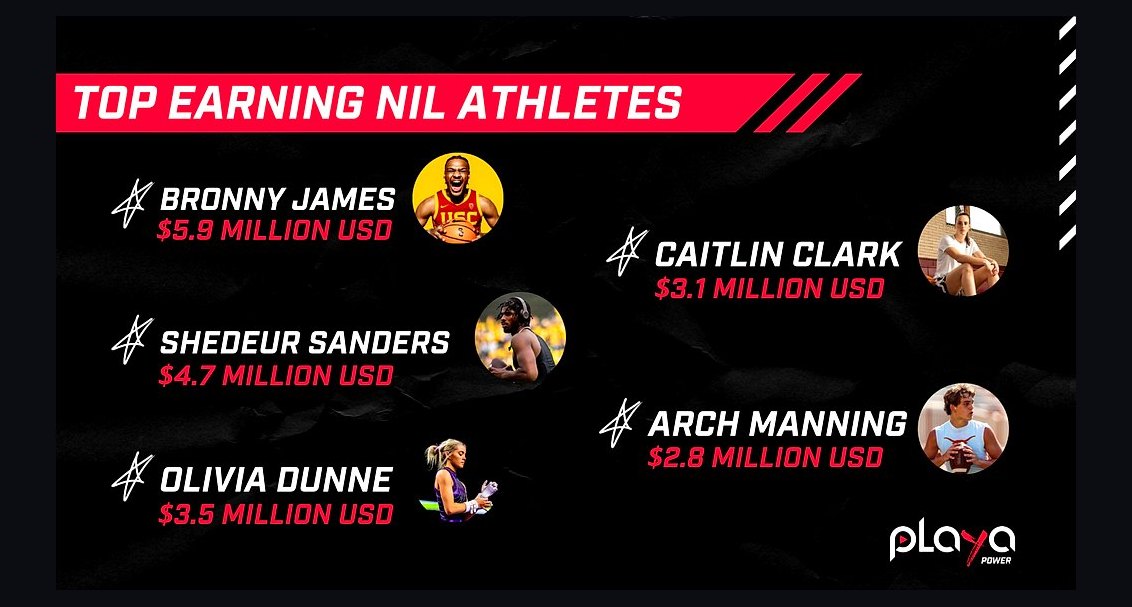
A gymnastics or swimming All-American with a strong social media following (think the Olivia Dunne / Livvy Dunne archetype, who reportedly cleared $3-5 million/year at peak) usually signs with a boutique marketing-first agency rather than a major. The economics are brand-endorsement heavy with zero professional draft upside, so the agent's job is content monetization, not contract negotiation.
7.4 The Group-Of-Five Pattern
Athletes at non-Power-Four schools rarely justify a full-service agent. The family attorney + Opendorse platform combination is the dominant 2027 stack at the AAC, Mountain West, MAC, Conference USA, and Sun Belt level.
FAQ
How do I know if an NIL agent is actually legitimate in 2027? First, check that they are state-registered under the SPARTA system and listed on the NCAA voluntary agent registry (launched late 2025). Then ask for a written contract with capped commissions—typically 5% on collective or revenue-sharing deals and 15–20% on brand endorsements. Finally, request a real client roster with named athletes at peer programs, not just generic headshots.
What commission rates are normal for NIL agents in 2027? Standard ranges are around 5% for collective or revenue-sharing deals, and 15–20% for individual brand endorsements. Anything above 20% on endorsements or a flat fee that isn’t performance-based should raise a red flag. Always get the rate in writing before signing.
Can an NIL agent also run a collective or a marketing platform? It’s strongly discouraged and often a conflict of interest. The best practice is to require separation of duties—your agent should not also be the collective, the marketing platform, or your financial advisor. This helps avoid skewed incentives and ensures the agent is solely focused on your best interests.
How do I verify an agent’s track record with college athletes? Ask for a list of current and former clients you can contact directly, especially athletes at similar programs or sports. Look for named references, not just testimonials or headshots on a website. A legitimate agent will be transparent about their client roster and happy to connect you.
What happens if an agent violates the contract or state rules? You can file a complaint with the state regulator under SPARTA and report the agent to the NCAA voluntary registry, which may remove them. Your contract should include a termination clause with no penalty if the agent fails to deliver agreed services. Legal recourse is limited, so due diligence upfront is critical.
Do I need a lawyer to review the NIL agent contract? Yes, it’s highly recommended. Even though the market is still largely unregulated post-House settlement, a lawyer familiar with NIL can spot hidden fees, exclusivity clauses, or conflicts of interest. Many universities offer free legal clinics for athletes, or you can hire a sports attorney for a flat fee review.
Bottom Line
Picking an NIL agent in 2027 is a due-diligence exercise, not a popularity contest. Confirm state registration and NCAA registry listing, demand a written agreement with capped commissions, verify a real and reachable client roster, and insist on separation of duties so the agent is not also the collective, the platform, and the financial advisor. The athletes who treat agent selection with the same rigor as their college recruitment keep their money. The athletes who sign with the loudest voice in the room don't.
Related on PULSE
- How do brands choose which college athletes to sign for NIL in 2027?
- How to choose a CDP (Customer Data Platform) like Segment vs mParticle?
- How to choose between Asana and Monday.com for project management?
- How do you choose a CPQ tool in 2027?
- How should a 2027 sales org choose between MEDDIC MEDDPICC SPIN and Challenger?
- How should a 2027 sales org choose between Sandler Challenger and MEDDPICC coaching frameworks?
Sources
- On3 NIL Database — agent-athlete pairing tracker and deal valuations.
- 247Sports NIL Coverage — agent signings and college NIL deal reporting.
- ESPN — What Is NIL In College Sports — baseline NIL explainer.
- Sportico — Agent And Settlement Coverage — House settlement and agent economics.
- Front Office Sports — NIL Go And Opendorse — clearinghouse and platform reporting.
- Business Of College Sports — NIL Agents Tracker — registered agent roster.
- Opendorse — official NIL platform powering university directories.
- INFLCR — athlete brand-building and compliance platform.
- Amundsen Davis — Protecting Student-Athletes And Their Families — agent due-diligence playbook.
- Fennemore — NIL Agents: The Good, The Bad, And The Unregulated — red-flag analysis.
This page will be disappearing soon. Save it to your device for $1 — or read it free while it is here.
@Kory-White- · if Venmo asks, the last 4 of my number are 2012
This page is gone.
This one is off the shelf now. $1 keeps it on your phone for good — the whole page, pictures and diagrams included.
 nilHow are college coaches contracts changing in the NIL era in 2027?
 nilWhat is the SEC vs Big Ten NIL spending arms race in 2027?
 nilHow do brands choose which college athletes to sign for NIL in 2027?
 nilHow are pro teams using college NIL data for draft scouting in 2027?
 nilHow does the College Football Playoff format change NIL economics in 2027?
 nilWhat is the impact of the $22M revenue-share cap on college sports in 2027?
 nilWhat is the typical NIL agent commission in 2027?
 nilHow does NIL impact high school recruiting commitments in 2027?
 nilWhat is the biggest NIL deal ever signed and what made it work in 2027?
 nilHow are athletic departments structuring NIL collective relationships in 2027?