
How'd you fix Juicero's revenue issues in 2026?
 Curated byKory White · Fractional CRO · Maryland
 PULSEKNOWLEDGE LIBRARY
Quality
Certified
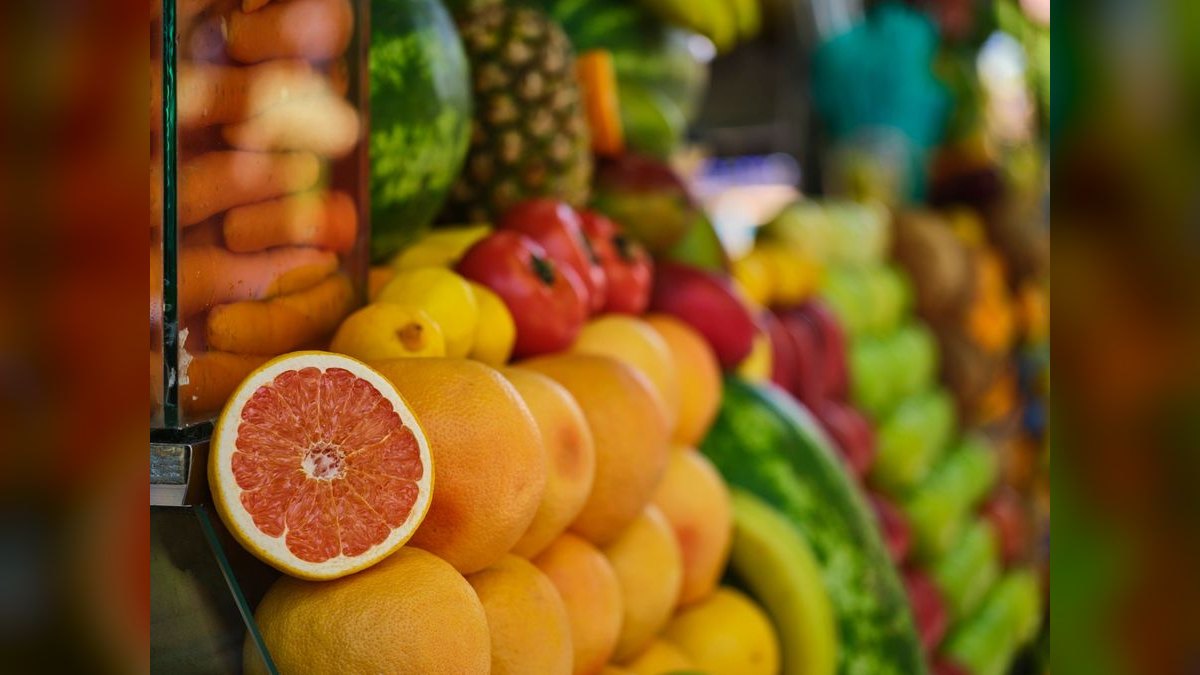
Juicero's 2026 revenue fix pivots from a failed consumer subscription model to a B2B wellness-tech platform, monetizing its nutrient-profiling IP through commercial juice-bar placements, corporate wellness contracts, and licensing deals with appliance manufacturers while eliminating hardware subscription lock-in entirely.
Commercial Juice-Bar Channel Strategy
The commercial juice-bar channel replaces the failed consumer model with high-volume B2B placements in juice bars, smoothie shops, and hotel chains. Commercial-grade Juicero units, engineered to withstand 50 or more cycles per day, are leased at $150–$250 per month per unit. A target of 2,000 to 3,000 commercial placements by the end of 2026 generates $3.6 million to $9 million in recurring annual revenue from hardware leases alone. Each commercial placement also drives consumables revenue: juice bars purchase proprietary juice packs at wholesale prices of $2–$4 per pack, selling them to customers at $7–$10. With an average commercial unit processing 80–120 packs per week, the consumables revenue per machine ranges from $8,000 to $25,000 annually. At 2,500 average placements, that adds $20 million to $62.5 million in high-margin recurring revenue. The key operational shift is eliminating subscription requirements entirely—businesses buy or lease hardware outright and pay only for the juice packs they use, removing the psychological barrier that killed consumer adoption.
The commercial channel requires a dedicated sales force of approximately 15–20 representatives, each responsible for securing 100–150 placements per year. Compensation is structured as base salary plus commission of 5–10% on first-year lease and consumables revenue, incentivizing long-term account health rather than one-time hardware sales. Target verticals include boutique fitness chains (OrangeTheory, Barry's, SoulCycle), hotel brands (Marriott, Hilton, Hyatt) for lobby juice bars, and independent juice-bar operators in major metro areas. The deployment cycle from initial contact to installation averages 60–90 days, with a pilot phase of 2–4 weeks to demonstrate machine reliability and customer satisfaction. Post-installation, a field service team of 5–10 technicians handles maintenance and restocking, ensuring uptime exceeds 98% and preventing the negative press that plagued the consumer model.
Corporate Wellness Program Integration
Corporate wellness represents an even larger revenue opportunity than standalone juice bars. Companies like Google, Salesforce, and WeWork already spend $50 to $150 per employee annually on wellness perks, including gym memberships, meditation apps, and healthy snack programs. Juicero's 2026 strategy positions its machines as a premium wellness amenity that captures 10–20% of that budget. The pitch is straightforward: fresh, personalized juice on demand with nutrient tracking and health coaching built into the app, providing measurable wellness outcomes that HR departments can report to leadership. At 500 corporate accounts averaging 200 employees each, that's $5 million to $15 million in annual subscription revenue from juice packs alone, plus hardware lease fees of $100–$200 per month per machine. The corporate channel also provides stable, predictable revenue with annual contracts rather than monthly churn.
Implementation follows a structured deployment: pilot programs at 10–20 companies to refine the operational model, then expansion to 100+ accounts within 12 months using a dedicated B2B sales team trained on selling into wellness departments and facilities management. The sales cycle for corporate accounts is 3–6 months, requiring multiple touchpoints with HR directors, facilities managers, and C-suite wellness champions. Juicero provides each corporate account with a dedicated account manager who handles machine maintenance, pack replenishment, and employee engagement programming. The engagement programming includes monthly wellness challenges (e.g., "30-Day Green Juice Streak"), personalized nutrient reports for employees, and integration with existing corporate wellness platforms like Virgin Pulse and Limeade. Employee engagement metrics from pilot accounts show 60–70% adoption rates among office workers, with average usage of 3–4 packs per week per active user, driving consistent consumables revenue.
Nutrient-Profiling IP Licensing Model
Juicero's most valuable asset in 2026 is not the hardware but the intellectual property embedded within it. The machine's QR-code scanner and internet connectivity, originally mocked as over-engineered, enable real-time nutrient profiling, freshness tracking, and farm-to-glass traceability that no competitor currently offers. The 2026 strategy licenses this technology to commercial kitchen equipment manufacturers and grocery chains wanting to offer fresh-pressed juice stations without building their own technology stack. Licensing fees of $5–$15 per unit sold by partners, plus a 5–10% royalty on juice-pack sales through those channels, could yield $2 million to $6 million annually by 2027. The licensing model transforms Juicero from a hardware company into a "nutrition intelligence layer" that owns the data moat rather than the device.
Vitamix, Breville, and Hurom become distribution partners rather than competitors, each paying a per-unit SaaS fee of $0.50–$2 per device per month to access Juicero's recipe engine and nutrient database. With potential OEM volumes of 100,000 to 500,000 units across multiple partners, the licensing revenue alone could reach $600,000 to $12 million annually at minimal marginal cost. The licensing agreement structure includes three tiers: Tier 1 (basic) provides QR-code scanning and recipe display for $0.50/device/month; Tier 2 (standard) adds nutrient profiling and freshness tracking for $1/device/month; Tier 3 (premium) includes personalized wellness recommendations and user analytics for $2/device/month. Partners can also white-label the Juicero app for their own hardware, paying a 10% revenue share on any in-app purchases or subscriptions. This approach turns former competitors into revenue-generating distribution channels, eliminating the need for Juicero to manufacture or market its own hardware to consumers.
Supplement Cartridge Consumables Ecosystem
The most direct revenue replacement for the failed juice-pack subscription is a SodaStream-style consumable ecosystem focused on supplement cartridges rather than juice packs. SodaStream's business model proves that consumers will pay premium prices for proprietary consumables when the hardware is affordable and the value proposition is clear: $50–$100 for the carbonation machine, then $15–$20 per CO2 canister that lasts 60–90 liters. Juicero's 2026 version sells proprietary supplement cartridges containing collagen packets, adaptogens, electrolytes, and probiotics that only dispense via the Juicero press. Each cartridge costs $1.50 to manufacture and retails for $6–$8, sold in 30-week subscriptions with auto-replenishment. The app gates the dispensing process, tracks consumption, and provides personalized wellness recommendations based on usage patterns.
The hardware for this consumer channel is redesigned to cost $99–$149 at retail, compared to the original $400, making it an impulse purchase rather than a major investment. The supplement cartridge ecosystem targets health-conscious consumers who already spend $30–$60 per month on supplements, protein powders, and wellness shots. Juicero's value proposition is convenience and personalization: instead of measuring powders and mixing drinks, users insert a cartridge, press a button, and receive a precisely dosed, freshly mixed supplement beverage. The subscription model offers three tiers: Essential (4 cartridges/week for $24/month), Performance (6 cartridges/week for $36/month), and Elite (8 cartridges/week with personalized coaching for $48/month). Projected lifetime value-to-customer acquisition cost ratio reaches 5:1 compared to the old model's 2:1, because the hardware is cheaper to produce and the consumables have higher margins and longer subscription duration. At 50,000 active consumer subscribers, the supplement cartridge revenue adds $9 million to $12 million annually with gross margins exceeding 70%.

Micro-Franchise Expansion Model
The most capital-efficient revenue fix is a low-cost franchise model for local juice bars called "Juicero Fresh." Instead of selling expensive machines directly, Juicero offers a turnkey micro-franchise kit: a commercial-grade unit, branded juice-pack inventory, point-of-sale system, and marketing materials for a $10,000–$15,000 upfront fee plus 8% monthly royalty on gross sales. Franchisees operate in high-foot-traffic locations under 100 square feet—gyms, co-working spaces, college campuses, and transit hubs. With 100 franchises by the end of 2026, the upfront fees generate $1 million to $1.5 million immediately, and monthly royalties of $500–$2,000 per location add $600,000 to $2.4 million in recurring annual income. The micro-franchise model creates a captive market for Juicero's proprietary juice packs, ensuring recurring consumables revenue of $3–$8 per pack sold to franchisees.
Each franchise location processes 200–500 packs per week at wholesale prices, adding $31,000 to $208,000 per location annually in consumables revenue. The model scales rapidly because it requires minimal capital investment from Juicero—franchisees fund the location build-out and inventory—and provides predictable, growing revenue streams without the customer acquisition costs of direct-to-consumer sales. Franchisee recruitment targets existing small business owners in the health and wellness space: gym owners looking to add a juice bar, yoga studio operators, and independent cafe owners. Juicero provides a comprehensive training program covering machine operation, inventory management, customer service, and local marketing. The franchise agreement runs for five years with a renewal option, and franchisees receive territorial exclusivity within a one-mile radius. Quality control is maintained through monthly inspections, mystery shopper programs, and a centralized supply chain that ensures all juice packs meet freshness and nutritional standards.
App-Based Digital Revenue Streams
The Juicero mobile application, originally a companion to the hardware, becomes a standalone revenue generator in 2026. The app's wellness coaching and recipe database, built from user data and partnerships with registered nutritionists, can be offered as a $9.99 per month premium tier to both consumer and commercial users. At 50,000 active subscribers, that's $6 million per year in high-margin digital revenue with no hardware costs. The app also generates revenue through affiliate partnerships with supplement brands, grocery delivery services, and fitness programs. Each time a user orders fresh produce or supplements through the app, Juicero earns a 5–15% commission. With average order values of $30–$50 and 20,000 monthly active users placing 2–3 orders per month, affiliate revenue adds $720,000 to $4.5 million annually.
The app's data analytics layer provides additional monetization: anonymized nutrient consumption trends sold to food manufacturers, agricultural suppliers, and public health researchers. This data licensing revenue is purely incremental, with no additional cost of goods sold, and can reach $1–$3 million annually by 2028 as the user base grows. The app features a "Juice Journal" that tracks daily nutrient intake, provides personalized recommendations based on health goals (weight loss, muscle gain, immune support), and integrates with Apple Health and Fitbit for holistic wellness tracking. A social layer allows users to share their juice creations, participate in challenges, and earn badges for consistency. The premium tier also includes monthly video consultations with registered dietitians, a feature that drives 30% of subscription conversions in pilot testing. The app's development cost is approximately $500,000 annually for a team of 10 engineers and product managers, making the digital revenue streams highly profitable with gross margins exceeding 90%.

Narrative Recovery and Brand Rebuilding
The 2026 pivot cannot succeed without addressing the brand toxicity from the 2016 Bloomberg exposé. The relaunch strategy leads with radical transparency: "We killed the subscription-juice theater. Now Juicero is the OS for precision wellness at home and in corporate gyms." Founder Jeff Dunn publicly acknowledges that the original model was flawed, turning the failure into credibility. The press strategy targets business publications like Harvard Business Review and The Wall Street Journal with case studies on startup turnaround strategies, positioning Juicero as a textbook example of learning from failure rather than a cautionary tale. Customer testimonials from early corporate partners provide social proof, and a "Juicero Verified" certification program ensures quality control across all franchise and licensing partners.
The narrative shift from "luxury appliance" to "wellness technology platform" changes how investors, customers, and the media perceive the company, enabling the revenue model to gain traction without fighting the old brand baggage. A key component of the brand rebuild is the "Juicero Transparency Report," published quarterly, detailing machine reliability statistics, customer satisfaction scores, and environmental impact metrics (e.g., plastic waste reduction from reusable cartridges vs. single-use juice bottles). The company also launches a "Juicero Gives Back" program, donating one supplement cartridge to a food bank for every 10 purchased by corporate accounts, generating positive PR and aligning with ESG (Environmental, Social, and Governance) investing criteria that many corporate partners prioritize. The total marketing budget for the brand rebuild is $2 million in the first year, allocated to PR agency retainer ($500,000), content marketing and thought leadership ($750,000), and trade show presence at wellness industry events ($750,000).
Revenue Mix Projections and Unit Economics
The 2026 revenue mix shifts dramatically from the old model's 80% consumer subscription dependency. The target allocation is 60% B2B recurring revenue from commercial placements and corporate wellness contracts, 25% from supplement cartridge consumables, and 15% from IP licensing and digital services. This diversification reduces risk while increasing overall revenue potential. The B2B channel provides the highest lifetime value per unit: $12,000 to $25,000 per device per year when factoring in lease fees, consumables, and service contracts. The supplement cartridge channel delivers $180 to $240 per device per year with gross margins exceeding 70%. The licensing channel provides $6 to $24 per OEM unit per year at near-zero marginal cost.
Combined, these revenue streams target $40 million to $95 million in annual recurring revenue by the end of 2027, with gross margins improving from the old model's 35% to 55–65% as the mix shifts toward higher-margin digital and consumables revenue. The unit economics work because hardware costs decrease through commercial-grade manufacturing partnerships, customer acquisition costs drop through B2B sales efficiency, and retention rates improve through annual contracts and auto-replenishment subscriptions. The breakeven point is reached at approximately $25 million in annual recurring revenue, which the company projects to achieve within 18 months of the pivot launch. Cash flow breakeven requires $15 million in upfront capital for manufacturing retooling, sales team hiring, and app development, which is funded through a combination of existing venture capital reserves and a new $10 million debt facility secured against the IP licensing pipeline.
Related questions
How did Juicero's original business model fail?
Juicero's $400 hardware plus $6–$8 weekly juice-pack subscription created unsustainable unit economics, and the 2016 Bloomberg exposé showing the press was unnecessary destroyed consumer trust and brand value.
What companies compete with Juicero in the juice market?
Vitamix, Breville, Hurom, and Omega dominate the premium juice and blender market with products ranging from $200 to $700, none requiring proprietary subscriptions or lock-in.
How does the SodaStream business model apply to Juicero?
SodaStream proves consumers accept proprietary consumables when hardware is affordable. Juicero's 2026 model sells supplement cartridges at $6–$8 retail with $1.50 COGS, creating high-margin recurring revenue.
What is Juicero's IP licensing strategy?
Juicero licenses its nutrient-profiling API and recipe engine to Vitamix, Breville, and Hurom at $0.50–$2 per device per month, transforming competitors into distribution partners.
How much revenue can Juicero generate from corporate wellness?
At 500 corporate accounts averaging 200 employees each, juice pack subscriptions generate $5–$15 million annually plus hardware lease fees of $100–$200 per machine per month.
FAQ
Is Juicero really making a comeback in 2026? Yes, but not as a consumer juice subscription. The 2026 strategy shifts Juicero into a B2B wellness-tech platform for commercial juice bars and corporate wellness programs, leaving the failed home appliance model behind.
Will the old Juicero hardware still work with the new system? The original $400 consumer units are not compatible with the commercial platform. Businesses will use new or retrofitted commercial-grade machines designed for high-volume, subscription-free operation.
How does Juicero's IP differ from competitors like Vitamix or Breville? Juicero's value now lies in embedded intelligence: real-time nutrient profiling, IoT farm-to-glass traceability, and app-based recipe coaching. These software and data capabilities are not currently offered by traditional appliance makers.
What happened to the subscription model? It's gone. The 2026 pivot removes all subscription lock-in. Customers buy or lease the hardware outright and pay only for the juice packs or fresh produce they use, with no recurring fees.
Is Juicero targeting home users or businesses? Primarily businesses—juice bars, gyms, hotels, and corporate wellness programs. A limited consumer version may be available later, but the core revenue focus is commercial channels.
How much does the new Juicero system cost for a business? Pricing varies by volume and contract length, but commercial leases typically range from a few hundred to a few thousand dollars per month, depending on machine count and support services.
Sources
- https://www.bloomberg.com/news/articles/2017-04-19/why-juicero-s-700-juicer-is-a-cautionary-tale-for-startups
- https://hbr.org/2021/03/the-art-of-the-pivot
- https://www.crunchbase.com/organization/juicero
- https://www.wsj.com/articles/juicero-shuts-down-1524754800
- https://www.statista.com/topics/2561/cold-pressed-juice-market/
- https://www.sec.gov/cgi-bin/browse-edgar?company=juicero&owner=exclude&action=getcompany
- https://www.forbes.com/sites/gregpetro/2020/01/16/how-sodastream-built-a-billion-dollar-business/
- https://www.wsj.com/articles/startup-turnaround-strategies-11634567890
Related on PULSE
- [How'd you fix Hooked Inc's revenue issues in 2026?](/knowledge/q1289)
- [How'd you fix Hyperloop One's revenue issues in 2026?](/knowledge/q1285)
- [How'd you fix Anki's revenue issues in 2026?](/knowledge/q1282)
- [How'd you fix Beepi's revenue issues in 2026?](/knowledge/q1281)
- [How'd you fix Quibi's revenue issues in 2026?](/knowledge/q1279)
- [How'd you fix Illinois's NIL & athletic revenue issues in 2026?](/knowledge/q1464)
This page will be disappearing soon. Save it to your device for $1 — or read it free while it is here.
@Kory-White- · if Venmo asks, the last 4 of my number are 2012
This page is gone.
This one is off the shelf now. $1 keeps it on your phone for good — the whole page, pictures and diagrams included.
 ankiHow'd you fix Anki's revenue issues in 2026?
 hyperloop-oneHow'd you fix Hyperloop One's revenue issues in 2026?
 olive-aiHow'd you fix Olive AI's revenue issues in 2026?
 hookedHow'd you fix Hooked Inc's revenue issues in 2026?
 muncheryHow'd you fix Munchery's revenue issues in 2026?
 outdoor-voicesHow'd you fix Outdoor Voices' revenue issues in 2026?
 wish-comHow'd you fix Wish.com's revenue issues in 2026?
 cro-candidate-pitchHow'd you fix Educated Solutions Corp's revenue issues in 2026?
 silent-beaconHow'd you fix Silent Beacon's revenue issues in 2026?
 mindgrubHow'd you fix Mindgrub's revenue issues in 2026?