
How Do I Negotiate Co-Working or Flex-Space Terms?
 Curated byKory White · Fractional CRO · Maryland
 PULSEKNOWLEDGE LIBRARY
<svg xmlns="https://www.w3.org/2000/svg" viewBox="0 0 1200 340" role="img" aria-label="How Do I Negotiate Co-Working or Flex-Space Terms? — PULSE Buildouts"><rect width="1200" height="340" fill="#EBE9DE"/><rect width="14" height="340" fill="#C0531F"/><text x="58" y="116" font-family="Arial,Helvetica,sans-serif" font-size="32" font-weight="800" letter-spacing="3" fill="#C0531F">PULSE BUILDOUTS · COMMERCIAL REAL ESTATE</text><text x="56" y="198" font-family="Arial,Helvetica,sans-serif" font-size="60" font-weight="800" fill="#2b2b2b">Save money. Don’t get screwed.</text><text x="58" y="258" font-family="Arial,Helvetica,sans-serif" font-size="30" font-weight="600" fill="#6b5b4d">Leases, TI, NNN & buildouts — negotiated in your favor</text><g transform="translate(1010,86)" fill="none" stroke="#C0531F" stroke-width="9" stroke-linejoin="round"><rect x="20" y="40" width="150" height="130"/><line x1="20" y1="40" x2="95" y2="6"/><line x1="170" y1="40" x2="95" y2="6"/><rect x="50" y="80" width="36" height="36"/><rect x="104" y="80" width="36" height="36"/><rect x="74" y="128" width="42" height="42"/></g></svg>
The flex operator's sticker price is the *starting* number, not the real one — and the single biggest money move is to never sign the standard membership agreement they hand you. Dedicated desks list at $300–$800 per month and private offices at $600–$1,500 per seat per month in major U.S. markets, but operators like WeWork, Industrious, Regus, and Spaces routinely discount 15–30% off list when you commit to 12 months and ask in writing. The leverage is brutal in your favor right now: flex landlords carry high vacancy and measure success on occupancy, so an empty office earns them $0 and they know it. Push for a free fit-out month, waived setup/onboarding fees (often $200–$500 per seat), and a membership cap that freezes your rate for the full term so they can't hit you with the annual 3–8% "market adjustment." Most important: get an explicit expansion right at the same per-seat rate and a short-notice exit (30–60 days), because the entire reason you're paying a premium for flex over a direct lease is flexibility — if the contract locks you in like a lease, you're paying flex prices for lease handcuffs. Always compare the all-in flex cost against a small conventional sublease; above roughly 15–20 seats for 24+ months, a direct sublease usually beats flex on pure dollars.
Know What You're Actually Paying For
Flex pricing hides the real cost behind a clean monthly number. Break it apart before you negotiate:
- The membership/license fee — the headline per-desk or per-office rate. This is the line everyone negotiates and the easiest to discount.
- Setup and onboarding fees — $200–$500 per seat, almost always waivable. Ask first; they expect it.
- Meeting-room credits — most plans bundle a few hours; overages run $25–$75 per hour. If your team does client meetings, negotiate the monthly credit *up* instead of accepting cash overages.
- Printing, mail handling, and "community" add-ons — small individually, but they pad the invoice. Get the full add-on price list before signing.
- The security deposit — typically 1–2 months. On a 12-month commitment, push to one month or a lower amount.
The trap is comparing flex's clean monthly fee against a conventional lease's base rent and thinking flex is expensive. It often *isn't*, because flex bundles utilities, internet, furniture, cleaning, and reception — costs that hit a direct-lease tenant separately. Build an apples-to-apples all-in number for each path.
The Discounts Operators Will Give But Won't Offer
Flex sales reps work on occupancy targets and month-end quotas, exactly like any other sales org. That gives you specific, repeatable leverage:
- Term commitment discount. Moving from month-to-month to a 12-month term should cut 15–30% off list. A 24-month term cuts more.
- Multi-seat volume break. Five-plus seats unlocks team pricing the website never shows.
- Free months. One free month per 12 committed is a standard concession at Regus and Spaces, especially near a quarter close.
- Rate freeze (membership cap). Demand language that your per-seat rate cannot rise for the full term. Without it, operators apply an annual escalation of 3–8%.
- Waived deposit or reduced deposit. Easiest "yes" they can give a creditworthy tenant.
- End-of-month and end-of-quarter timing. Negotiate in the last week of a month. An empty desk on the first of next month is a permanent loss to them.
How Not To Get Screwed By The Flex Landlord
Flex agreements are licenses, not leases — which sounds tenant-friendly but cuts both ways. Watch these traps:
- Auto-renewal that flips to a worse rate. Many agreements auto-renew and *reset to list price* or a higher term. Strike the auto-renewal or convert it to a same-rate month-to-month rollover.
- The notice-period asymmetry. Some contracts let *them* terminate or relocate you on short notice while requiring *you* to give 60–90 days. Make the notice symmetrical.
- Forced relocation within the building. Operators reserve the right to move you to a "comparable" office. Cap this — no relocation in your first 6–12 months, and your rate can't increase if they move you.
- CPI or "market adjustment" clauses. Vague escalation language is a blank check. Replace it with a fixed cap or strike it.
- Service degradation with no recourse. Internet outages, removed amenities, and shrinking meeting space hit flex tenants constantly. Negotiate a service-credit remedy.
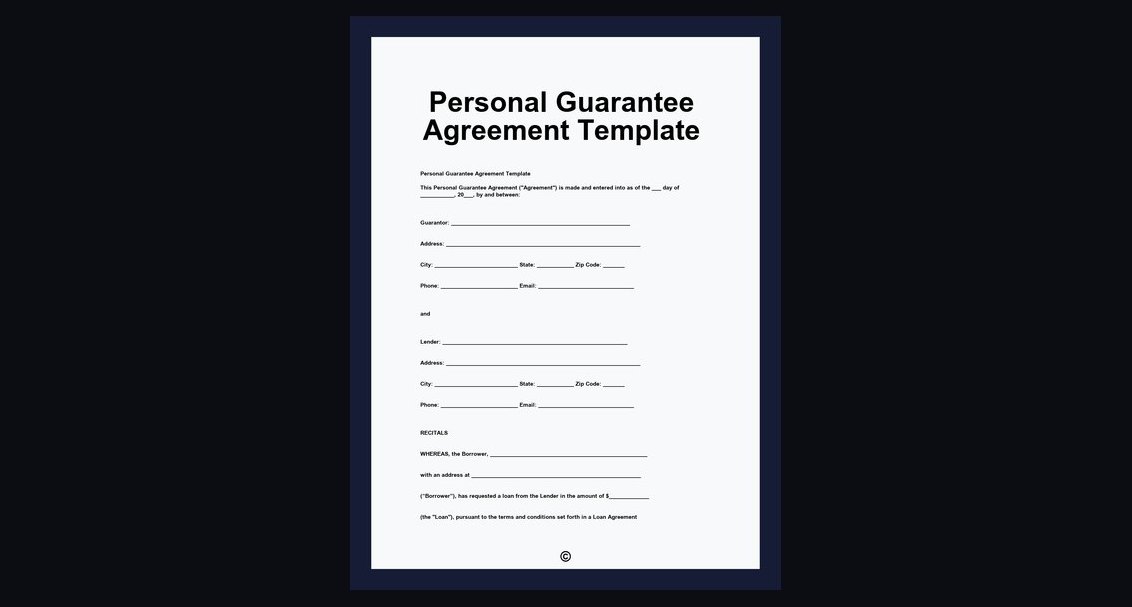
- The personal guarantee. Operators sometimes slip a personal guaranty into a multi-seat deal. For a license with a deposit, refuse it.
When Flex Beats A Lease — And When It Doesn't
Flex earns its premium when your headcount is uncertain, your runway is short, or you need to be operational in days, not months. For a team of 1–10 people on a sub-24-month horizon, the bundled cost and zero buildout almost always win. The break-even shifts once you cross roughly 15–20 seats committed for 24+ months — at that scale a conventional sublease or small direct lease usually delivers lower cost per seat, even after you account for furniture, internet, and a small tenant improvement spend. Run both numbers. The honest answer is that flex is a tool for optionality, not for minimizing cost at scale, and operators bank on tenants forgetting the difference.
A Quick Negotiation Checklist
- Price the all-in flex cost (membership + add-ons + overages) against a comparable sublease.
- Negotiate at month-end or quarter-end when occupancy pressure peaks.
- Lock the rate freeze for the full term — no escalation.
- Waive setup fees and cut the deposit to one month.
- Add an expansion right at the same per-seat rate.
- Make termination and relocation terms symmetrical and capped.
- Strike auto-renewal to list and any personal guarantee.
Related on PULSE
- [How do you start a suburban co-working space business in 2027?](/knowledge/q9573)
- [What specific signals indicate a buying committee is using an AI agent to negotiate contract terms in 2027?](/knowledge/q16400)
- [What are the most common friction points when a buying committee uses an AI procurement agent to negotiate contract terms in 2027?](/knowledge/q13532)
- [Which vendor consolidation trends are forcing RevOps to renegotiate contract terms mid-cycle?](/knowledge/q16654)
- [How are buying committees using AI to simulate contract terms before negotiation?](/knowledge/q16644)
- [How do buying committees in 2027 use generative AI to compare contract terms before signing?](/knowledge/q16555)
Hidden Fees That Kill Your Budget
The listed monthly rate rarely tells the full story. Most flex operators bury revenue in mandatory add-ons that can inflate your actual cost by 20–40%. Common traps include:
- Amenity fees ($25–$75/month per person) for "access" to kitchens, printers, or phone booths
- Meeting room credits — many plans include 2–4 hours/month, then charge $20–$60/hour beyond that
- Lockers and mail handling ($15–$50/month each)
- After-hours HVAC surcharges — some operators charge $100–$300/month if you work past 6 PM or on weekends
Ask for an "all-in" breakdown in writing before signing. A $700 desk can easily become $950 with mandatory extras. Operators who resist itemizing are usually hiding markups.
The Exit Clause: Your Escape Hatch
Flex-space contracts often lock you in for 12 months with a 30-day notice to leave — but the penalty for early exit can be brutal. Standard terms require 2–3 months' rent as a termination fee. Negotiate these protections:
- 30-day rolling notice with no penalty (rare but possible at 10–15% premium)
- Sublease rights — allow you to transfer your space to another company without operator approval
- Downgrade rights — move from a private office to dedicated desks mid-term for a $100–$300 admin fee instead of full cancellation
- Force majeure clause — waive penalties if your company downsizes due to economic hardship (operators may accept this in slow markets)
Without these, you're on the hook for the full term even if your team shrinks. Operators with 85%+ occupancy rarely budge; those below 70% often will.
FAQ
What's the first thing I should ask for in a co-working lease? Ask for a "right of first refusal" on any adjacent space that becomes available. This gives you the option to expand without moving, and most operators will grant it if you're signing for at least six months. It's a simple clause that protects your future growth.
Can I negotiate the monthly rate on a dedicated desk or private office? Yes, and you should—the listed price is never the final price. Expect to push for 10–20% off the sticker rate, especially if you're committing to 6–12 months. Operators often have flexibility on month-to-month vs. annual terms, so use a longer commitment as leverage.
What's the best way to handle hidden fees for meeting rooms or printing? Ask for a "credit pool" of meeting room hours or printing allowance included in your base rate. Many flex spaces charge per-use fees that can add $100–$300/month unexpectedly. Negotiating a fixed monthly credit (e.g., 10 hours of room bookings) keeps costs predictable.
Should I negotiate the security deposit or move-in fees? Absolutely—security deposits are often negotiable, especially if you have good credit or a short-term lease. Aim for a deposit equal to one month's rent instead of two, or ask for it to be waived entirely if you sign a longer term. Move-in fees (like admin or key card charges) are often waived with a simple request.
How do I handle renewal terms to avoid a big rent hike? Ask for a renewal cap—a clause that limits any annual increase to a set percentage, like 5–10%. Without it, operators can raise rent by 20% or more at renewal. Also request a 30–60 day notice period before renewal, so you have time to shop around.
What if I need to break the lease early—can I negotiate an exit clause? Yes, negotiate a "break clause" with a penalty (e.g., 2–3 months' rent) rather than being locked in for the full term. Some operators allow subleasing or transferring your membership to another company. Always get this in writing—verbal promises won't hold up.
Sources
- CBRE — Flexible Office and Coworking market reports and occupier strategy briefs.
- JLL — Flex Space and Hybrid Workplace research and U.S. office cost guides.
- Cushman & Wakefield — Coworking and Flexible Workspace advisory.
- NAIOP (Commercial Real Estate Development Association) — Flexible office and occupier trend research.
- BOMA International — Office building operations and service-standard guidance.
- Instant Group — Global flexible workspace pricing and benchmarking data.
- Tenant-rep brokerage practice guides on negotiating flexible and coworking agreements.
People also search for: negotiate co-working or flex-space terms · how to negotiate co-working or flex-space terms · negotiate co-working or flex-space terms guide
This page will be disappearing soon. Save it to your device for $1 — or read it free while it is here.
@Kory-White- · if Venmo asks, the last 4 of my number are 2012
This page is gone.
This one is off the shelf now. $1 keeps it on your phone for good — the whole page, pictures and diagrams included.
 pulse-qShould I Sign a Personal Guarantee on a Commercial Lease?
 pulse-qHow Many Salespeople Should I Schedule Each Day at My Sporting Goods Store?
 pulse-qShould I open or buy a Snap Fitness franchise in 2027?
 pulse-qShould I open or buy a Garage Experts franchise in 2027?
 pulse-qHow Many Employees Should I Schedule Each Shift at My Trampoline Park?
 pulse-qHow do you coach reps to improve their lead-to-opportunity rate?
 pulse-qShould I open or buy a Krispy Kreme franchise in 2027?
 pulse-qShould I open or buy a Glory Days Grill franchise in 2027?
 pulse-qShould I open or buy a Rita's Italian Ice franchise in 2027?
 pulse-qShould I open or buy a Roof Maxx franchise in 2027?