
Should I open or buy a Snap Fitness franchise in 2027?
 Curated byKory White · Fractional CRO · Maryland
 PULSEKNOWLEDGE LIBRARY
Quality
Certified
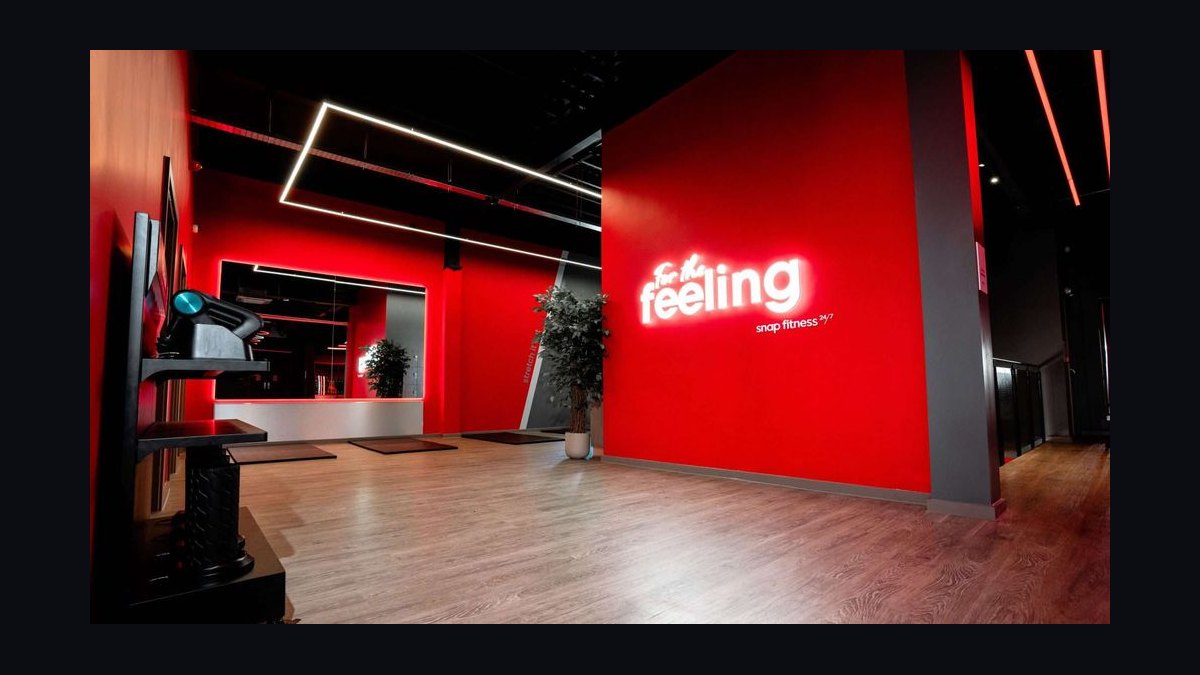
Buy or open a Snap Fitness franchise in 2027 only if you want a lower-capital, 24/7 keycard gym with lean staffing and semi-absentee potential. Expect roughly $400,000–$900,000 total investment, $300,000–$700,000 mature-club revenue, and $60,000–$180,000 owner profit. It suits multi-unit operators in underserved secondary markets, not owners chasing big-box returns.
The outcome you should expect
A well-run Snap Fitness club in 2027 is a cash-flow asset, not a home-run investment. If you execute site selection, pre-sales, and retention correctly, you should expect to reach break-even somewhere between months 9 and 15, hit 700–900 members by month 18, and stabilize at 18%–30% net margins once the club matures. On a $500,000–$700,000 build, that translates to owner take-home of roughly $60,000–$180,000 per year per location, with the higher end reserved for clubs above 1,000 members and operators who keep labor under 15% of revenue.
The realistic downside case is a club that stalls at 400–500 members. At that level, revenue lands around $180,000–$260,000, and after rent, royalty, marketing, staffing, and utilities, the owner is often breaking even or losing $10,000–$40,000 a year. That is the single most common failure pattern in the small-format 24/7 segment, and it almost always traces back to a weak site, thin pre-sale, or a market already saturated with Anytime Fitness, Planet Fitness, and Workout Anytime.

Payback on a performing club typically runs 3–5 years. Resale values for mature single units in 2027 generally sit around 2.5–3.5x annual EBITDA, and multi-unit operators with three to five contiguous clubs can sometimes command 4–5x when selling to a regional operator or a small private-equity buyer. Treat the 10-year franchise agreement as a 10-year capital plan, not a passive income stream.
What drives that outcome (mermaid)
The outcome is driven by four levers, in order of impact: site quality, pre-sale execution, retention, and cost discipline. Site quality dominates everything else. A visible 3,500–6,000 sq ft space in a strip center anchored by a grocery store, with 15,000–30,000 residents inside a 10-minute drive and median household income of $60,000–$90,000, will outperform a cheaper, hidden location every time. Rent should land at 14%–18% of gross revenue; if the landlord wants more than 18%, walk.
Pre-sale is the second lever. A strong 60–90 day pre-sale that signs 250–400 founding members at a discounted rate before the doors open changes the entire financing picture, because it funds the first few months of working capital and validates pricing. Clubs that open with fewer than 150 founding members almost always struggle through year one.

Retention is the third lever. Small-format gyms live and die on churn. Monthly churn of 3%–4% is normal; 5%+ is a red flag that pricing, cleanliness, or equipment downtime is driving members out. Every point of churn improvement compounds directly into EBITDA.
Cost discipline is the fourth lever. Labor at 12%–18% of revenue, cleaning and maintenance at $14,000–$27,000 annually, and technology troubleshooting at 3–5 hours per week are the recurring operational realities. Operators who treat these as fixed and manage them tightly keep margins in the 20%+ range.
The diagram is deliberately simple because the causal chain is simple: get the site right, fill it fast, keep members, and control costs. Everything else in the model is downstream of those four.
Benchmarks and realistic ranges
The table below reflects the ranges a prospective franchisee should underwrite in 2027. These are planning benchmarks, not guarantees, and every number should be re-verified against the current FDD and your own market data before you sign anything.
| Line item | Low | High | Notes |
|---|---|---|---|
| Franchise fee | $20,000 | $30,000 | Per 2026 FDD |
| Leasehold / buildout | $120,000 | $350,000 | $40–$100+ per sq ft |
| Equipment | $150,000 | $350,000 | Cardio plus strength |
| Technology and software | $15,000 | $45,000 | Access control, billing, app |
| Initial marketing | $25,000 | $70,000 | Pre-sale plus grand opening |
| Insurance and permits | $5,000 | $20,000 | GL and local permits |
| Training and travel | $4,000 | $15,000 | Ops training |
| Working capital | $50,000 | $120,000 | First 3–6 months |
| Total Item 7 | ~$400,000 | ~$900,000 | Per 2026 FDD |
| Royalty | Flat ~$549/mo or percentage | Per agreement | |
| Marketing fee | ~2% of gross | Per agreement |

On the revenue side, mature clubs gross $300,000–$700,000 on 600–1,500 members paying roughly $30–$50 per month. Labor runs 12%–18% of revenue, rent 14%–18%, and net margins land at 18%–30%. Owner take-home of $60,000–$180,000 is the realistic band. Clubs above 1,200 members with disciplined payroll can push toward the top of that range; clubs under 600 members usually sit at or below break-even.
On the cost side, budget $8,000–$15,000 annually for equipment repairs and parts, $6,000–$12,000 for professional cleaning, and $5,000–$10,000 as an annual capital reserve for refresh. A major renovation every 7–10 years typically costs $75,000–$150,000. Franchisees who skip the capital reserve often discover at resale that buyers discount the upcoming renovation from the purchase price, wiping out years of apparent profit.

Two benchmarks deserve special attention. First, the payback period: 3–5 years for a well-performing club, assuming 800+ members by month 18 and 70%+ annual retention. Second, the liquidity requirement: most franchisors want $120,000–$250,000 liquid, and lenders typically want 20%–30% equity in the deal. Underestimating working capital is the most common cause of early-stage distress.
Risks, edge cases, and failure modes
The biggest risk is market saturation. Anytime Fitness, Planet Fitness, Workout Anytime, and Fitness 19 all compete in the same value segment, and in many metros there are already two or three 24/7 options within a 10-minute drive. Before signing, map every competitor within a 3-mile radius, check their Google review velocity, and visit at 6 PM on a weekday to count cars. If the market already supports three healthy clubs, a fourth is a coin flip.
The second risk is the semi-absentee trap. The model is lean, but it is not passive. Someone has to handle member support tickets, billing disputes, equipment downtime, and cleaning oversight. Franchisees who treat the club as truly passive often see churn climb past 5% within 18 months, and the P&L follows. Budget for a full-time manager at $35,000–$45,000 plus a performance bonus, or plan to spend 15–25 hours per week on the business yourself.
The third risk is site failure. A hidden location, poor parking, or a landlord who won't contribute tenant improvement allowances of $20–$40 per sq ft can turn a $500,000 build into a $700,000 build with worse visibility. Ground-up builds above $100 per sq ft are especially dangerous for first-time operators.
The fourth risk is labor. Front-desk turnover in this segment commonly exceeds 100% annually, and at $13–$16 per hour in 2027, reliable part-time staff are hard to find in many markets. Understaffing shows up as dirty locker rooms and unanswered phones, which shows up as churn.
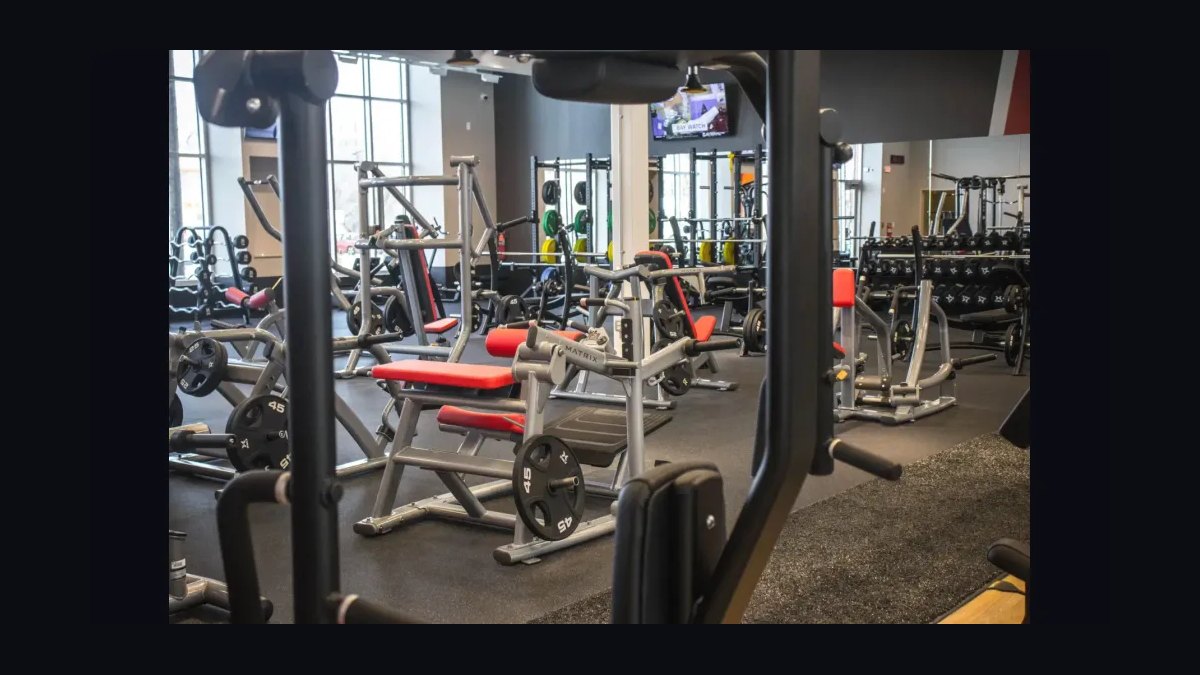
The fifth risk is capital under-budgeting. Franchisees who spend their entire liquidity on buildout and equipment, leaving nothing for the first six months of negative cash flow, are the ones who fail. Keep $50,000–$120,000 in working capital untouched until the club reaches 600 members.
Edge cases worth noting: a club adjacent to a new big-box opening within 12 months will lose members regardless of execution; a club in a market with a dominant employer that closes will see membership drop 10%–20% overnight; and a club in a state with rapidly rising minimum wages will see labor costs climb faster than pricing can adjust.
A practical rollout plan (mermaid)
The rollout should be sequenced so that each step de-risks the next. Do not sign a lease before you have validated the market, and do not start buildout before you have a pre-sale plan and a financing commitment in hand.
Step one, days 1–15: read the current FDD cover to cover, with particular attention to Items 5, 6, 7, 19, and 20. Confirm whether your agreement uses a flat monthly royalty around $549 or a percentage of gross, and confirm the marketing fee. Ask the franchisor for the franchisee list and the closure list.
Step two, days 16–30: interview at least eight existing owners, including two multi-unit operators and two who opened in the last 24 months. Ask about actual member counts, churn, take-home, and what they would do differently on site selection.
Step three, days 31–45: validate a secondary or suburban market that is underserved by big-box gyms. Pull demographic data, map competitors, and drive the trade area at peak hours.
Step four, days 46–65: secure a visible 3,500–6,000 sq ft site in a strip center with strong co-tenancy. Negotiate a tenant improvement allowance of $20–$40 per sq ft and a rent structure that keeps occupancy at or below 18% of projected revenue.
Step five, days 66–90: build and run a 60–90 day pre-sale targeting 250–400 founding members. Use the pre-sale revenue to fund working capital and validate pricing.
Step six: open with a low-staff, 24/7 model, a full-time manager in place, and a cleaning and maintenance schedule already contracted.
Step seven, ongoing: track churn monthly, hold pricing discipline, and evaluate additional units once the first club clears 800 members and 20% net margin for two consecutive quarters.
Related questions
Is Snap Fitness a good franchise for a first-time owner?
It can be, but only if you are willing to be hands-on for the first 18 months. The lean model rewards operators who understand membership sales and retention. First-time owners who hire a manager on day one and never learn the business tend to underperform.
How much liquid capital do I need?
Most franchisors and lenders want $120,000–$250,000 liquid, plus 20%–30% equity in the total project. If your total build is $600,000, plan on roughly $150,000–$200,000 of your own cash and a Small Business Administration or equipment-backed loan for the rest.
How long until a Snap Fitness club is profitable?
Break-even typically arrives between months 9 and 15 for a well-executed launch. Full payback on the initial investment usually takes 3–5 years, assuming 800+ members by month 18 and retention above 70%.
What is the biggest reason Snap Fitness clubs fail?
Weak site selection combined with a thin pre-sale. If the club opens with fewer than 150 founding members and sits in a hidden location, it rarely recovers, because the marketing spend required to catch up eats the margin.
Can I own multiple Snap Fitness locations?
Yes, and the model is designed for it. The low-labor, 24/7 format scales well, and multi-unit operators with three to five contiguous clubs often achieve better margins and higher resale multiples than single-unit owners.
FAQ
What is the typical total investment to open a Snap Fitness franchise? The total investment range in the 2026 FDD is roughly $400,000 to $900,000. This covers the franchise fee of $20,000–$30,000, equipment, leasehold improvements, technology, and initial working capital. Actual costs vary by location size, local real estate conditions, and whether you negotiate tenant improvement allowances from the landlord.
How much can I expect to earn as a Snap Fitness owner? Mature clubs typically generate annual gross revenue of $300,000 to $700,000, with owner net income ranging from $60,000 to $180,000. Profitability depends on membership count (600–1,500 members), local pricing, rent as a percentage of revenue, and how tightly you control staffing and maintenance costs.
Is Snap Fitness a semi-absentee or passive investment opportunity? It is semi-absentee-friendly, not passive. The 24/7 keycard model needs minimal on-site staff, which makes multi-unit ownership realistic, but someone still has to manage the manager, handle billing disputes, coordinate equipment repairs, and oversee cleaning. Owners who treat it as fully passive usually see churn climb.
What are the ongoing royalty and marketing fees? Royalties are commonly a flat monthly fee around $549 or a percentage of gross revenue, plus a marketing fee of roughly 2% of gross. Exact amounts are specified in your franchise agreement and can vary by location and negotiation. Always verify against the current FDD before signing.
How long does it take to open a Snap Fitness franchise? The timeline from signing the franchise agreement to opening typically ranges from 6 to 12 months. This includes site selection, lease negotiation, buildout, equipment installation, and staff training. Delays commonly come from permitting, construction schedules, and financing approvals, so build buffer into your working capital plan.
What support does Snap Fitness provide to franchisees? Snap Fitness, through Lift Brands, provides initial training, site selection assistance, marketing support, and ongoing operational guidance. Franchisees also gain access to proprietary systems including the Fitness On Demand virtual class platform, which reduces the need for live instructors and lowers labor costs.
Sources
- Snap Fitness official franchise site
- Lift Brands corporate site
- Entrepreneur Franchise 500
- Franchise Business Review
- International Franchise Association
- Health & Fitness Association (formerly IHRSA)
- IBISWorld industry reports
- Statista fitness industry data
- U.S. Small Business Administration
- Grand View Research fitness market reports
Related on PULSE
- Should I open or buy an Anytime Fitness franchise in 2027?
- Should I open or buy a Fitness 19 franchise in 2027?
- Should I open or buy an EOS Fitness franchise in 2027?
- Should I open or buy a Crunch Fitness franchise in 2027?
- Should I open or buy a Workout Anytime franchise in 2027?
- How does RevOps thinking apply to franchise portfolio decisions?
This page will be disappearing soon. Save it to your device for $1 — or read it free while it is here.
@Kory-White- · if Venmo asks, the last 4 of my number are 2012
This page is gone.
This one is off the shelf now. $1 keeps it on your phone for good — the whole page, pictures and diagrams included.
 pulse-qHow Many Sales Reps Do I Need to Hire for My Promotional Products Company in 2026?
 pulse-qShould I open or buy a Cookies Crumbl alternative — Insomnia Cookies — franchise in 2027?
 pulse-qShould I open or buy a Garage Experts franchise in 2027?
 revopsTop 10 ServiceNow migration pitfalls to avoid in 2027
 pulse-qShould I open or buy a 7 Brew Coffee franchise in 2027?
 pulse-qShould I open a tree service business in 2027?
 pulse-qShould I open or buy a Woof Gang Bakery franchise in 2027?
 pulse-qShould I open or buy a Tutor Time franchise in 2027?
 pulse-qHow Many Salespeople Should I Schedule on My Auto Dealership Floor Each Day in 2026?
 pulse-qShould I open or buy a Glory Days Grill franchise in 2027?