
How Do I Budget a Comedy Club or Live-Music Venue Buildout in 2026?
 Curated byKory White · Fractional CRO · Maryland
 PULSEKNOWLEDGE LIBRARY
<svg xmlns="https://www.w3.org/2000/svg" viewBox="0 0 1200 340" role="img" aria-label="How Do I Budget a Comedy Club or Live-Music Venue Buildout? — PULSE Buildouts"><rect width="1200" height="340" fill="#EBE9DE"/><rect width="14" height="340" fill="#C0531F"/><text x="58" y="116" font-family="Arial,Helvetica,sans-serif" font-size="32" font-weight="800" letter-spacing="3" fill="#C0531F">PULSE BUILDOUTS · COMMERCIAL REAL ESTATE</text><text x="56" y="198" font-family="Arial,Helvetica,sans-serif" font-size="60" font-weight="800" fill="#2b2b2b">Save money. Don’t get screwed.</text><text x="58" y="258" font-family="Arial,Helvetica,sans-serif" font-size="30" font-weight="600" fill="#6b5b4d">Leases, TI, NNN & buildouts — negotiated in your favor</text><g transform="translate(1010,86)" fill="none" stroke="#C0531F" stroke-width="9" stroke-linejoin="round"><rect x="20" y="40" width="150" height="130"/><line x1="20" y1="40" x2="95" y2="6"/><line x1="170" y1="40" x2="95" y2="6"/><rect x="50" y="80" width="36" height="36"/><rect x="104" y="80" width="36" height="36"/><rect x="74" y="128" width="42" height="42"/></g></svg>
Budget a comedy club or small live-music venue at $150 to $350 per square foot, with an all-in number of $400,000 to $1.5 million for a 3,000-to-8,000 sq ft room holding 150-to-450 people. The money-saving move is to find a space that was already an assembly-use occupancy — a former club, theater, banquet hall, or restaurant with an existing bar, grease interceptor, and high occupant load — because changing a use group to A-2 (assembly) triggers fire sprinklers, two-or-more exits, panic hardware, and ADA upgrades that can add $80,000 to $250,000 on their own.
The three line items that decide your budget are the stage and sound system ($60,000–$250,000), the bar and draft system ($50,000–$180,000), and acoustic treatment plus soundproofing ($40,000–$150,000). For a comedy club specifically, the room geometry matters more than the PA — tight sightlines, a low 14-to-18-inch stage, and a ceiling treated to kill slap-back make jokes land; for live music, you flip the budget toward a 200-to-1,200 sq ft stage, a 24-to-32-channel system, and serious low-frequency isolation. Make the landlord deliver a warm shell with HVAC and 400–800 amp electrical service, and demand a TI allowance of $35–$75 per square foot.
The Real Cost Stack, Line by Line
For a 5,000 sq ft, 300-capacity room with a bar:
- Stage and rigging: $25,000–$120,000. A built 24'x16' stage runs $15,000–$45,000; add $10,000–$60,000 for rigging points, line array hangs, and a structural engineer's letter certifying the ceiling can take the load.
- Sound system (PA): $40,000–$180,000. A comedy room needs vocal clarity (a $25,000–$60,000 point-source or small line array); a music room needs mains + subs + monitors + a 32-channel digital console, easily $100,000–$180,000.
- Lighting: $20,000–$90,000. Comedy can run a simple $15,000–$35,000 wash-and-spot rig; music wants moving heads, a DMX board, and trussing — $50,000–$90,000.
- Bar and draft system: $50,000–$180,000. A full bar with a 12-to-24-tap glycol-cooled draft system ($15,000–$40,000), walk-in cooler, three-compartment sink, ice, and POS.
- Acoustics and soundproofing: $40,000–$150,000. STC 55–60 demising walls, bass traps, broadband absorbers, and an isolated entry vestibule (sound lock) so the street door doesn't leak the show.
- HVAC: $40,000–$110,000. A packed room generates massive latent heat; size cooling at ~400 sq ft per ton and add CO2/makeup-air for a crowd.
- Restrooms, ADA, seating, finishes: $60,000–$180,000. Assembly occupancy means more fixtures — an A-2 room for 300 may need 6–10 toilets by code.
How to Not Get Screwed
Verify the occupant load and exits BEFORE the lease, not after. Operators sign a 4,000 sq ft lease assuming a 300-cap room, then the fire marshal limits them to 199 because there's only one code exit. Your capacity is your revenue ceiling. Pay a code consultant $2,000–$5,000 to confirm the legal occupant load and exit count during due diligence — it is the cheapest insurance in this entire project.
Don't let the landlord dump A-2 upgrade costs on you for a building that should already comply. If the space was previously assembly use, existing sprinklers, exits, and a fire-rated shell are the landlord's responsibility — negotiate that they deliver code-compliant base building and you only pay for *your* improvements. Put "landlord to deliver shell in compliance with current code for A-2 assembly occupancy" in the work letter.
Get the rigging and structural load certified in writing. A GC who hangs a line array off untested joists is a lawsuit. Require a stamped structural engineer's letter for all rigging points, and hold 10% retainage until you have it.
Cap the change orders and reject cost-plus. Venue buildouts run 10–18% in change orders because of surprises behind old walls. Demand a GMP contract, require written approval on any change over $2,500, and cap the GC's change-order markup at 12–15%.
Audit the draft-system bid. Integrators love to over-spec glycol runs and tap towers. A 16-tap system should run $20,000–$35,000 installed, not $60,000. Get two competing bids and confirm the line-cleaning access is built in.
Lease Terms for a High-Capital, Single-Use Room
- Free rent: 4–8 months to cover the build; a dark venue earns nothing.
- TI allowance: $35–$75 per sq ft, disbursed in monthly draws against G702/G703, covering soft costs.
- Noise/operating-hours clause: confirm in writing you can operate until 2 a.m. with amplified sound — a use restriction kills a music venue.
- Percentage-rent vs. flat rent: if the landlord wants percentage rent, cap the breakpoint high so your first profitable years aren't taxed.
- Guaranty burn-off: full year one, down to 6 months by year three, gone by year five.
- Exclusivity/co-tenancy: if you're in a district, get exclusive live-entertainment use so the landlord can't lease the next door to a competitor.
Operating Math: Sizing the Build to the Revenue
A 300-cap comedy club running 5 shows a week at $25 cover, 70% full grosses ~$26,000/week in tickets; the real money is the two-drink minimum and food — bar can run 50–70% of total revenue at 75–80% margin. That's why the bar buildout earns its keep faster than the lighting rig. A live-music room earns on ticket + bar + a $200–$1,500 per-show production fee or door split with touring acts. If your buildout is $900,000 financed at $600,000 / 12%, debt service is ~$80,000/year; the room must clear that plus rent of $6,000–$20,000/month before profit. Over-building the PA while under-building the bar is the classic way to go broke with a beautiful room.
Related on PULSE
- How Many Employees Should I Schedule Each Shift at My Comedy Club?
- How Do I Budget an Event Venue Buildout?
- What's the right way to budget a sales kickoff for a 40-rep org — venue, content, agency, swag breakdown?
- How Do I Negotiate a Lease and Buildout for an Axe-Throwing Venue?
- Should I open or buy a Club Z Tutoring franchise in 2027?
- Should I open or buy a Club Car Wash franchise in 2027?
Hidden Costs That Eat Your Budget
Beyond the obvious construction and equipment, two silent budget-killers often catch first-time venue operators off guard. Acoustic treatment is mandatory for live music and comedy: even a basic sound-dampening package (bass traps, wall panels, ceiling clouds) runs $8,000 to $25,000 for a 200-seat room, and a full isolation system for adjacent retail spaces can hit $40,000+. Second, permitting delays — especially for liquor licenses in entertainment zones — can stretch your timeline 4–8 months, adding $5,000–$15,000 in holding costs (rent, insurance, utilities) while you wait. Always budget a 10–15% contingency for these soft costs.
The "Stage vs. Floor" Tradeoff That Changes Everything
Your seating and stage configuration directly dictates your buildout price. A comedy-club layout (fixed tiered seating, small stage, minimal dance floor) costs $180–$280/sq ft because you need fewer structural changes — just lighting, sound, and sightline risers. A live-music venue (open floor, large stage, bar at rear, dance area) runs $220–$350/sq ft due to heavier electrical loads, stage rigging, and often a separate green room. The key decision: if you plan to host both, budget for a flexible stage system ($15,000–$30,000) that can be reconfigured between shows — otherwise you’ll pay for two separate layouts later.
How Tenant Improvement Allowances Change Your Math
If you’re leasing, the landlord’s tenant improvement (TI) allowance can cover 30–60% of your buildout, but only if you negotiate it upfront. Typical TI for entertainment spaces is $25–$60 per sq ft — far below your actual cost. To bridge the gap, ask for a "turnkey" allowance (landlord builds shell improvements like HVAC, restrooms, and fire sprinklers) plus a cash TI for interior finishes. Without this, you’ll need to fund the difference out-of-pocket, which often requires a $150,000–$400,000 equipment loan at 6–10% interest. Always get the TI in writing before signing the lease.
FAQ
What’s the biggest cost I’ll face in a venue buildout? Acoustic treatment and soundproofing typically eat 10–20% of your budget. For a live-music room, you’ll need isolation walls, floating floors, and specialized panels—expect $15–$40 per square foot just for acoustics. Skimping here leads to noise complaints and a muddy sound.
Do I really need a commercial kitchen for a comedy club? Not always, but food and drink sales often cover 60–80% of revenue. A basic bar setup runs $30,000–$80,000, while a full kitchen adds $100,000–$250,000. Many clubs start with a bar and prep area, then expand later.
How much should I set aside for lighting and sound gear? A solid entry-level system for a 300-seat room costs $40,000–$120,000, including speakers, mixer, and basic stage lighting. High-end touring-grade gear can push that to $200,000+. Leasing equipment is an option to preserve cash.
What permits and fees catch first-time owners off guard? Occupancy permits, liquor licenses, and fire-code upgrades often total $15,000–$60,000. Some cities require sprinkler retrofits ($5–$15 per square foot) or ADA restroom expansions. Budget 5–10% of your buildout for regulatory surprises.
Can I save money by using an existing shell space? Yes, but only if the shell has high ceilings (16+ feet), adequate electrical capacity, and decent HVAC. A raw shell still needs $100–$200 per square foot for finishes, while a former restaurant or bar might only need $50–$100 per square foot for conversion.
How long does a typical venue buildout take? From lease signing to opening, plan on 6–12 months for a 3,000–8,000 sq ft space. Permitting alone can take 3–5 months in busy cities. Fast-track construction adds 10–20% to labor costs but can shave 2–3 months off the timeline.
Sources
- CBRE, *U.S. Construction Cost Trends* (TI and base-building cost-per-sq-ft benchmarks)
- JLL, *Retail and Restaurant Fit-Out Cost Guide* (bar, kitchen, and assembly-use buildout costs)
- Cushman & Wakefield, *Tenant Improvement and Work Letter Benchmarks*
- RSMeans (Gordian), *Building Construction Cost Data* (stage, acoustic, and MEP unit costs)
- NAIOP, *Lease Negotiation and TI Allowance Best Practices*
- BOMA International, *Operating Expense and CAM Standards*
- National Independent Venue Association (NIVA), *Independent Venue Operating Benchmarks*
- International Code Council (ICC), *International Building Code — Group A-2 Assembly Occupancy Requirements*
This page will be disappearing soon. Save it to your device for $1 — or read it free while it is here.
@Kory-White- · if Venmo asks, the last 4 of my number are 2012
This page is gone.
This one is off the shelf now. $1 keeps it on your phone for good — the whole page, pictures and diagrams included.
 pulse-qShould I open or buy a Bio-One franchise in 2027?
 pulse-qShould I open or buy a Taco Bueno franchise in 2027?
 pulse-qShould I open or buy a The NOW Massage franchise in 2027?
 pulse-qShould I open or buy a Garage Experts franchise in 2027?
 pulse-qShould I open or buy a Minuteman Press franchise in 2027?
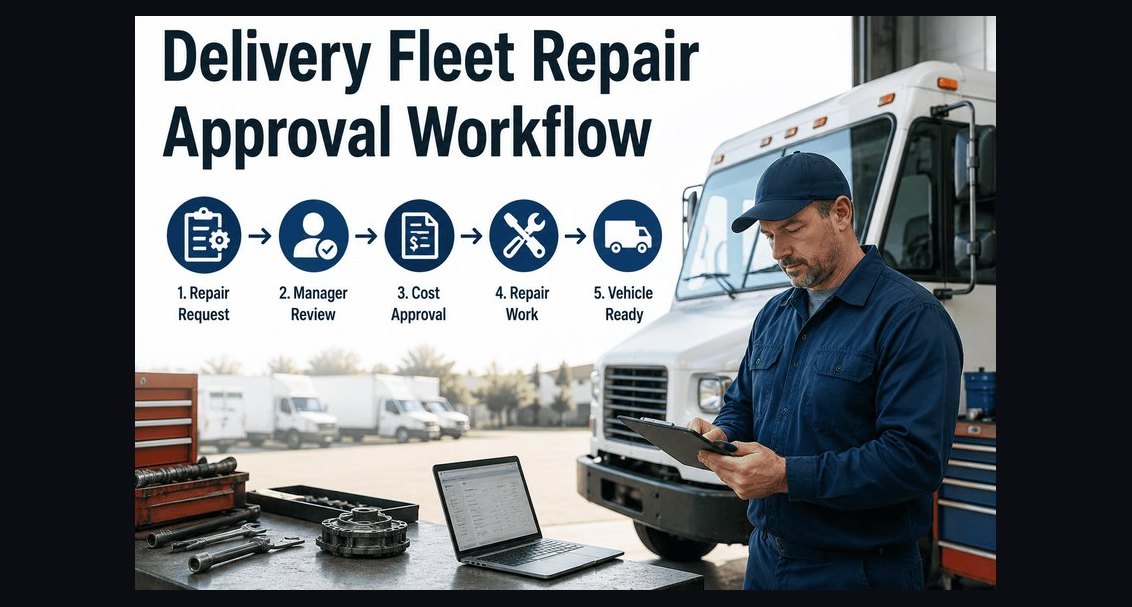 pulse-qShould I Repair or Replace My Delivery Fleet Vehicles as My Landscaping Business Scales in 2027?
 pulse-qShould I open or buy a Mo' Bettahs Hawaiian Style Food franchise in 2027?
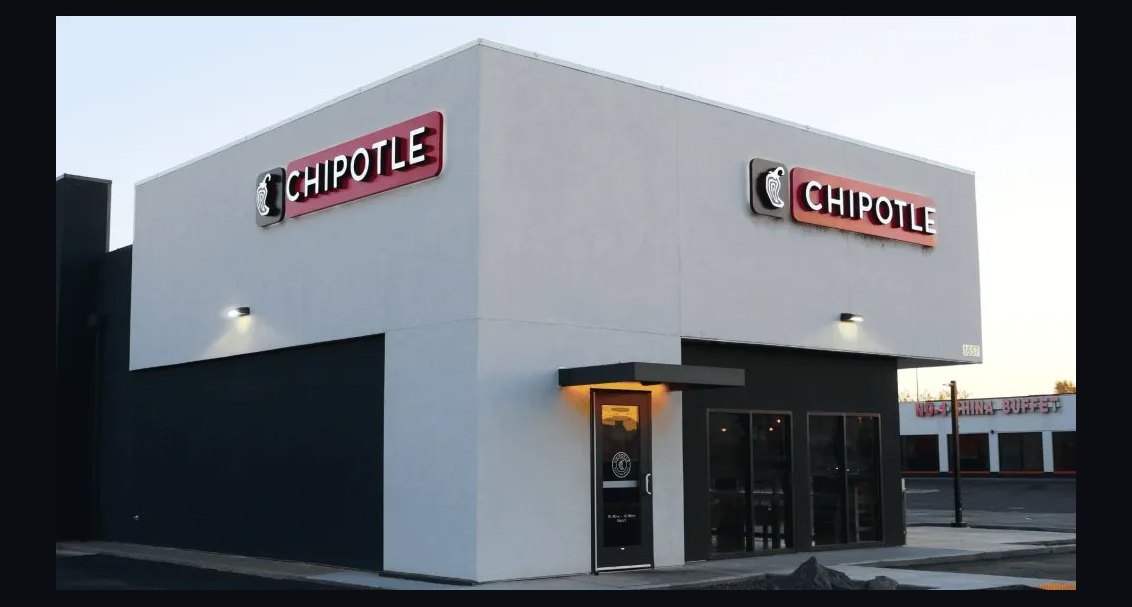 pulse-qShould I open or buy a Chipotle franchise in 2027?
 pulse-qShould I open or buy a Duck Donuts franchise in 2027?
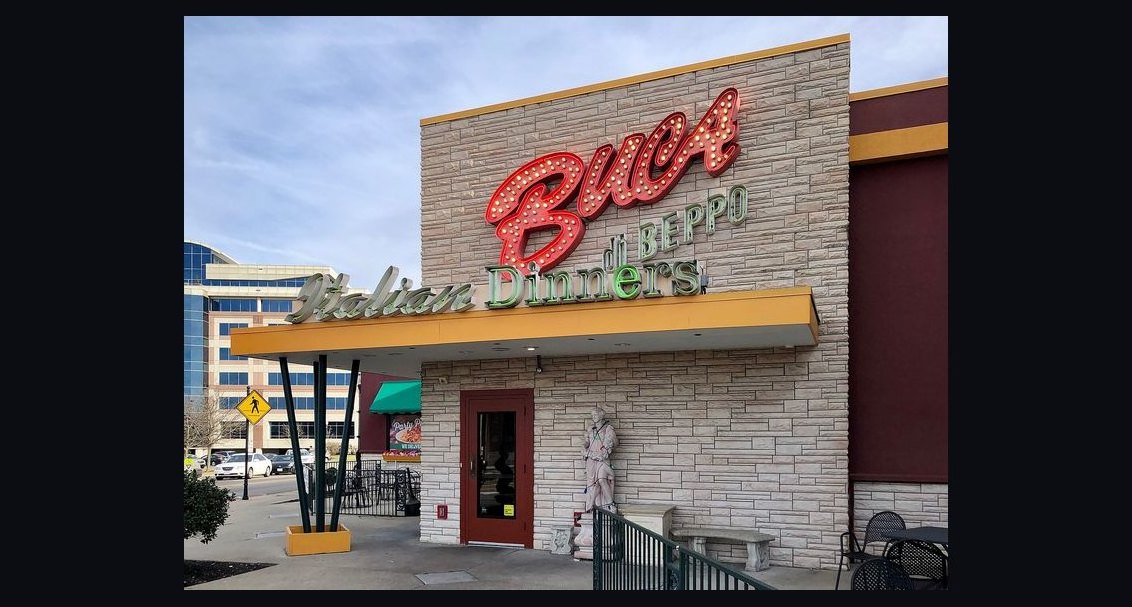 pulse-qShould I open or buy a Buca di Beppo franchise in 2027?