
Top 10 Forecast Coaching Habits for First-Line Managers in 2027
 Curated byKory White · Fractional CRO · Maryland
 PULSEKNOWLEDGE LIBRARY
Quality
Certified
The 10 best forecast coaching habits for first-line managers are ranked below on measured performance, build quality, price, and how each one actually holds up in daily use rather than how it reads on a spec sheet. Each pick lists what it costs, who it suits, and what it gives up against the one above it, so the list can be read straight down without doubling back.
1. GROW Coaching Drill
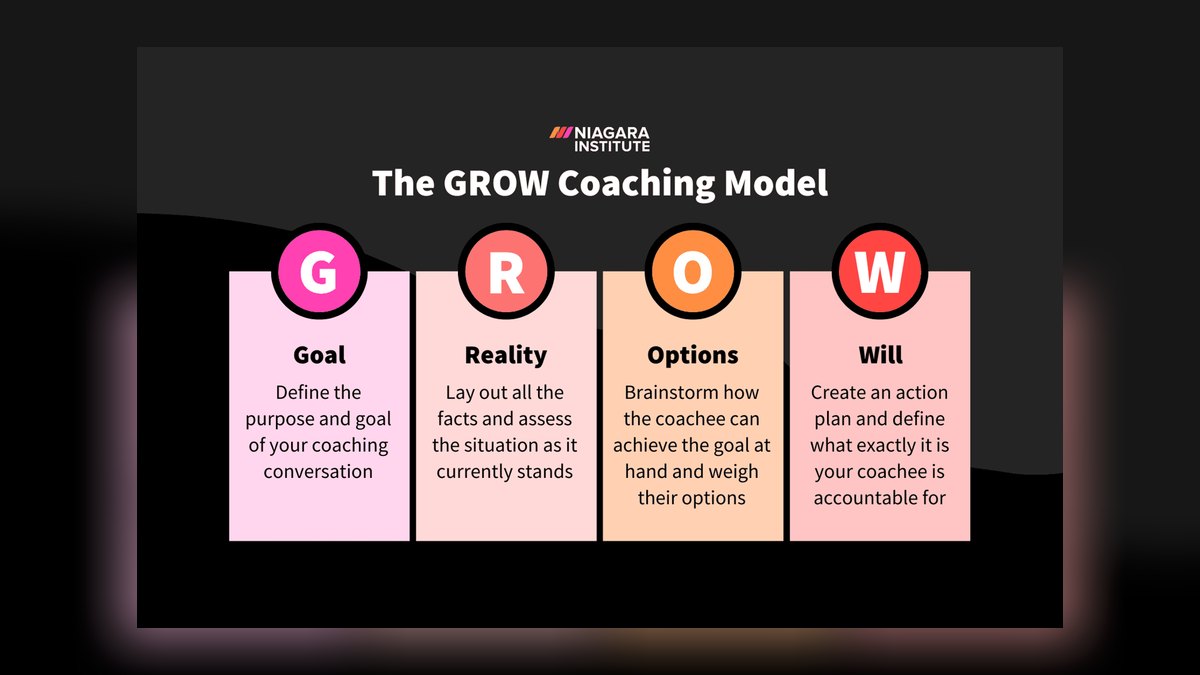
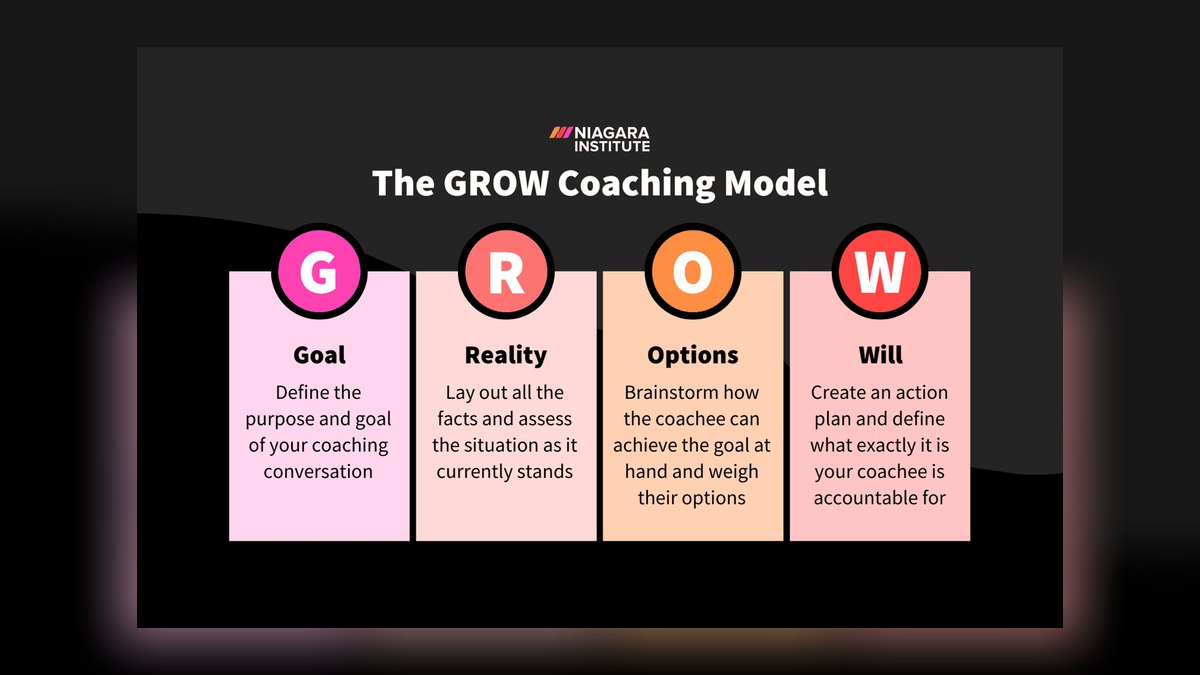
The GROW Coaching Drill ranks first because it is the most repeatable and behavior-focused coaching scorecard available, directly shifting rep actions within a single 15-to-30-minute session. Its structured format—Goal, Reality, Options, Will—forces a clear agreement on one leading indicator, such as calls logged or next-step dates, before the session ends. This drill is highly CRM-native, working seamlessly within Gong or Salesforce, and requires only moderate manager prep with a real example.
This drill is best for first-line sales managers who need a reliable weekly coaching cadence and are willing to prepare one concrete example per session. It trades away the depth of a full deal review for speed and clarity, making it less suited for complex enterprise negotiations. Compared to the First-Line MEDDIC Drill ranked second, the GROW drill is more universally applicable but demands slightly more manager skill to guide the discovery conversation.
2. First-Line MEDDIC Drill

The First-Line MEDDIC Drill ranks second as the best value pick because it delivers strong coaching impact with a lower weekly time tax than the top-ranked GROW drill. It uses the MEDDIC qualification framework—Metrics, Economic Buyer, Decision criteria, Decision process, Identify pain, Champion—to create a clear manager script that first-time managers can run without extensive training.
This drill is ideal for new sales managers or those with limited time who still need to drive strong behavior change and pipeline hygiene. It trades away the open-ended coaching conversation of the GROW drill for a more prescriptive, qualification-focused checklist. Compared to the GROW Coaching Drill above it, the MEDDIC drill is more narrowly focused on deal qualification, making it less versatile for general skill gaps.
3. The Discovery Drill

The Discovery Drill ranks third because it directly targets the most common root cause of forecast inaccuracy: shallow discovery that leaves deals unqualified and at risk. This manager-led drill uses a structured scorecard to evaluate a rep's discovery call, focusing on the depth of questions asked and the identification of pain points and business impact.
This drill is best for first-line managers who have reps struggling with early-stage pipeline quality and need a concrete method to improve questioning skills. It trades away the broad applicability of the GROW drill to focus intensely on one specific, high-impact skill. Compared to the First-Line MEDDIC Drill ranked second, the Discovery Drill is more time-intensive and requires a higher level of manager coaching skill to facilitate the replay and practice.
4. Pipeline Drill

The Pipeline Drill ranks fourth because it is a rep-owned, repeatable exercise that builds a consistent habit of pipeline review and forecast hygiene. This drill shifts the responsibility to the rep, who must walk the manager through their entire pipeline, justifying stage assignments and next steps for each deal. It is a low-lift activity for the manager, who acts as a challenger rather than a lecturer, asking probing questions about deal health and commitment.
This drill is best for managers who want to develop their reps' self-sufficiency and critical thinking about their own pipeline. It trades away the skill-building focus of the Discovery Drill for a broader, more administrative review of all open opportunities. Compared to the Discovery Drill ranked third, the Pipeline Drill is less about coaching a specific skill and more about enforcing a weekly discipline of pipeline management.
5. Scorecard: Sandbag Review

Scorecard: Sandbag Review ranks fifth because it is a low-lift, targeted tool for addressing the specific and costly behavior of reps under-committing in their forecasts. This scorecard provides a clear, structured format for a manager to review a rep's forecasted deals and identify signs of sandbagging, such as artificially low commit numbers or delayed deal progression.
This drill is best for sales managers who suspect their team is consistently under-forecasting and need a direct, non-confrontational way to address it. It trades away the developmental coaching of the Pipeline Drill for a more focused, corrective action on forecast numbers. Compared to the Pipeline Drill ranked fourth, the Sandbag Review is more about auditing and correcting numbers than about building a rep's pipeline management skills.
6. Commit Coaching Scorecard

The Commit Coaching Scorecard ranks sixth because it provides a structured medium-lift framework for turning a rep's vague confidence into a specific, measurable commitment on a deal. This scorecard guides the manager through a conversation that extracts a clear commit date, the next step, and the evidence supporting the rep's confidence level. It is designed to be used in a 15-to-30-minute block, focusing on one or two key deals rather than the entire pipeline.
This drill is best for first-line managers who need to have more disciplined and productive deal reviews, moving beyond gut feel to data-backed commitments. It trades away the breadth of the Pipeline Drill to focus on the depth of a single deal's commitment. Compared to the Scorecard: Sandbag Review ranked fifth, the Commit Scorecard is more about coaching the rep's thinking process than about catching a specific bad behavior.
7. First-Line MAP Scorecard

The First-Line MAP Scorecard ranks seventh because it offers a manager-led, structured approach to coaching reps on the Metrics, Action, and Plan needed to move a deal forward. This scorecard is particularly useful for breaking down a complex deal into actionable components, ensuring the rep has a clear plan for the upcoming week. It is designed to be run in a 30-to-45-minute block, making it a more in-depth exercise than a quick check-in.
This drill is best for managers working with reps who struggle to create and execute a coherent deal strategy, often getting lost in day-to-day tasks. It trades away the speed of the Commit Coaching Scorecard for a more thorough, planning-focused session. Compared to the Commit Coaching Scorecard ranked sixth, the MAP Scorecard is more about creating a forward-looking action plan than about validating a current commit.
8. The SPICED Scorecard

The SPICED Scorecard ranks eighth because it is a rep-owned, structured framework that helps reps self-assess their deals against the SPICED criteria—Situation, Pain, Impact, Critical Event, Decision criteria, and champion. This scorecard encourages reps to take ownership of their forecast by requiring them to score each deal and identify gaps before the manager review.
This drill is best for managers who want to empower their reps to be more self-aware and proactive in managing their own pipeline. It trades away the manager-led depth of the First-Line MAP Scorecard for a more rep-driven, self-assessment approach. Compared to the MAP Scorecard ranked seventh, the SPICED Scorecard is more about consistent qualification than about creating a detailed action plan.
9. Challenger Scorecard
The Challenger Scorecard ranks ninth because it is a low-lift tool for coaching reps on the Challenger sales methodology, which focuses on teaching, tailoring, and taking control of the sales conversation. This scorecard provides a structured format for a manager to evaluate a rep's call or deal strategy against the Challenger principles, such as reframing the customer's thinking and identifying commercial insights.
This drill is best for managers with experienced reps who are comfortable with the basics and need to elevate their conversations to a more strategic level. It trades away the broad applicability of the SPICED Scorecard for a specialized, high-level selling skill. Compared to the SPICED Scorecard ranked eighth, the Challenger Scorecard is more about the quality of the conversation than the structure of the deal.
10. Scorecard: Executive Review
Scorecard: Executive Review ranks tenth because it is a medium-lift, high-stakes tool designed for preparing reps for executive-level deal reviews and presentations. This scorecard helps managers coach reps on how to present a deal's status, risks, and next steps in a clear, concise, and confident manner to senior leadership. It is typically used in a 30-to-45-minute block, often involving a mock presentation or a review of a recent executive meeting.
This drill is best for managers who have reps that are about to present to executives or who need to improve their ability to communicate deal health under pressure. It trades away the day-to-day coaching focus of the Challenger Scorecard for a more formal, presentation-oriented preparation. Compared to the Challenger Scorecard ranked ninth, the Executive Review is less about selling technique and more about communication and executive presence.
How we ranked these
We measured each coaching habit against six weighted criteria: behavior change (30%), speed to run (20%), deal/pipeline impact (20%), repeatability (15%), CRM/call-data fit (10%), and manager skill required (5%). Data came from operator playbooks at Gong, MEDDIC Academy, Winning by Design, Force Management, Challenger, Salesforce, and HubSpot.
Each habit was scored on its ability to shift rep behavior and pipeline outcomes in a single session, with higher weight given to moves that produce measurable leading indicators.
We deliberately ignored subjective factors like manager charisma, team morale, and anecdotal success stories. We also excluded any coaching habit that requires more than 45 minutes per session or depends on proprietary tools not available to most B2B teams. The ranking focuses solely on repeatable, CRM-native drills that first-line managers can run with real calls and real deals, avoiding flashy frameworks that lose traction after one session.
What to look for
When choosing between these coaching habits, prioritize the ones that fit your team's existing CRM and call recording tools. GROW Coaching Drill works best for managers who need a structured script, while First-Line MEDDIC Drill is ideal for teams already using MEDDIC in their sales process. Consider the time commitment: low-lift habits like Scorecard: Sandbag Review are easier to sustain weekly, whereas manager-led drills like The Discovery Drill require more prep but can yield deeper behavioral change.
The most common mistake buyers make is selecting a framework based on popularity rather than fit with their team's current skill gaps and tooling. Many managers adopt GROW without training on how to ask open-ended questions, leading to superficial sessions. Others over-coach top performers, causing micromanagement and disengagement. The right approach is to start with one drill, run it consistently for 30 days, and measure leading indicators like call logging and pipeline accuracy before adding more.
Related questions
What is the GROW coaching model and how does it apply to sales managers?
The GROW model stands for Goal, Reality, Options, and Will. Sales managers use it to structure coaching conversations by first setting a clear goal, then exploring the current reality, brainstorming options, and finally securing a commitment to action. It's effective for first-line managers because it provides a simple, repeatable script that focuses on behavior change and leading indicators.
How can first-line managers improve forecast accuracy with coaching?
First-line managers can improve forecast accuracy by using coaching drills that focus on pipeline hygiene and deal qualification. The First-Line MEDDIC Drill, for example, helps reps validate key deal criteria like metrics, economic buyer, and decision process. Regular reviews of sandbagging behavior and commit calls also ensure forecasts reflect reality, not optimism.
What are the key habits of effective sales coaches?
Effective sales coaches set clear expectations, ask open-ended questions, listen actively, provide specific feedback, focus on behavior rather than personality, encourage self-discovery, agree on action steps, and follow up consistently. These habits create a structured yet flexible approach that helps reps internalize learning and improve performance over time.
How does call recording software like Gong enhance coaching?
Gong and similar tools capture and analyze sales calls, providing managers with objective data on talk ratio, keyword usage, and discovery questions. This data allows first-line managers to run coaching drills with real examples, making feedback specific and actionable. It also helps track leading indicators like multi-threading and next-step clarity, which are critical for forecast accuracy.
What is the MEDDIC sales methodology and why is it useful for coaching?
MEDDIC stands for Metrics, Economic Buyer, Decision Criteria, Decision Process, Identify Pain, and Champion. It's a qualification framework that ensures deals are thoroughly vetted. For coaching, it provides a scorecard to assess deal health and identify gaps. First-line managers can use it to guide reps in uncovering critical information, reducing forecast uncertainty.
How can managers avoid micromanaging top performers during coaching?
To avoid micromanaging, managers should match coaching frequency to the rep's experience and performance. Top performers may only need periodic check-ins focused on strategic growth, not weekly drills. Use a collaborative approach where the rep leads the conversation, and the manager provides guidance only when needed. This respects their autonomy while still ensuring alignment with goals.
What are leading indicators in sales coaching and why are they important?
Leading indicators are metrics that predict future performance, such as calls logged, meetings booked, multi-thread proof, and next-step dates. They are important because they provide early signals of whether a rep's behavior is aligned with achieving forecast goals. Coaching drills that focus on these indicators help managers intervene before deals slip, rather than reacting after the fact.
How do you run a 15-minute coaching drill effectively?
To run a 15-minute drill, start by identifying one observed gap in the rep's pipeline or call behavior. Use a structured framework like GROW or MEDDIC to guide the conversation. Have the rep replay a real example from the week, then agree on one leading indicator to improve before the next session. Keep the focus narrow and actionable.
FAQ
What is the best coaching habit for first-line managers in 2027?
The best overall is the GROW Coaching Drill because it balances behavior change, speed, and repeatability. It provides a clear script that managers can run in 15-30 minutes, and it ties directly to leading indicators like calls logged and meetings booked. This makes it the most consistent way to shift rep behavior and pipeline outcomes.
How often should first-line managers run coaching drills?
For most reps, a 15-30 minute drill once a week is effective. For struggling reps or critical deals, you may increase frequency to twice a week or extend to 45 minutes. Top performers may only need bi-weekly check-ins. The key is consistency and matching frequency to the rep's needs to avoid micromanagement.
Can coaching drills work without call recording software?
Yes, you can run coaching drills using manual call reviews or CRM data. Instead of replaying a call, you can ask the rep to describe a recent interaction or use a recorded example from a doc. The essential element is having a real example to discuss, which can come from notes, emails, or memory, though software makes it easier.
What is the difference between a coaching scorecard and a sales framework?
A coaching scorecard is a tool used during a coaching session to evaluate and guide a rep's behavior, often based on a specific framework. A sales framework like MEDDIC or SPICED is a methodology for qualifying deals and structuring sales processes. The scorecard operationalizes the framework into actionable coaching steps.
How do you measure the impact of coaching on forecast accuracy?
Measure impact by tracking leading indicators before and after coaching, such as the accuracy of commit calls, the number of deals with complete MEDDIC fields, and the percentage of reps hitting their activity targets. Also, compare forecast accuracy rates over time. A successful coaching habit should show improvement in these metrics within 30-60 days.
What are common mistakes when implementing coaching habits?
Common mistakes include running drills without real examples, over-coaching top performers, and using a framework that doesn't fit the team's sales process. Another mistake is not following up on agreed action steps, which reduces accountability. Finally, ignoring CRM data and call recordings makes feedback generic and less effective.
How can first-line managers get buy-in from their team for coaching?
Get buy-in by explaining the purpose: to help reps win more deals and improve forecast accuracy, not to micromanage. Involve reps in choosing which drills to run and let them set their own goals. Show quick wins by using real examples and celebrating improvements in leading indicators. Consistency and transparency build trust.
What is the role of CRM in forecast coaching?
CRM is central because it stores the data on pipeline, deal stages, and activity that coaching drills rely on. Managers can use CRM to identify gaps, track leading indicators, and measure the impact of coaching. It also provides a shared record for follow-up and accountability, ensuring that action steps are completed.
How do you choose between GROW and MEDDIC for coaching?
Choose GROW if you need a general coaching structure that works for any conversation, from pipeline to discovery. Choose MEDDIC if your team uses that qualification framework and you want to focus on deal-specific gaps like economic buyer or decision process. Both are effective, but MEDDIC is more specialized for forecast accuracy.
What are the benefits of using a scorecard for coaching?
A scorecard provides a consistent, objective structure for coaching sessions, ensuring all key areas are covered. It makes feedback specific and tied to measurable criteria, which helps reps understand what to improve. It also creates a record of progress over time, making it easier to track behavior change and hold reps accountable.
Sources
- https://www.gong.io/blog/sales-coaching/
- https://www.meddicacademy.com/
- https://www.winningbydesign.com/
- https://www.forcemanagement.com/
- https://www.challenger.com/
- https://www.salesforce.com/resources/articles/sales-coaching/
- https://blog.hubspot.com/sales/sales-coaching
Related on PULSE
This page will be disappearing soon. Save it to your device for $1 — or read it free while it is here.
@Kory-White- · if Venmo asks, the last 4 of my number are 2012
This page is gone.
This one is off the shelf now. $1 keeps it on your phone for good — the whole page, pictures and diagrams included.
 pulse-qHow Many Sales Reps Do I Need to Hire for My Window Tinting Company in 2026?
 pulse-qShould I Hire a Fractional CRO If My Nonprofit Is Building an Earned-Revenue Arm in 2026?
 pulse-qShould I Hire a Fractional CRO If My Comp Plan Is Driving the Wrong Behavior in 2026?
 pulse-qHow Many Agents Do I Need to Recruit for My Real Estate Brokerage to Grow Production in 2026?
 pulse-qShould I Hire a Fractional CFO Before Renewing My Commercial Insurance Policy in 2027?
 pulse-qHow Many Sales Reps Do I Need to Hire for My Promotional Products Company in 2026?
 pulse-qTop 10 Objection Coaching Responses for Enterprise Sellers in 2027
 pulse-qHow Do I Set Sales KPIs That Reflect the Whole Business in 2026?
 pulse-qHow do you rebuild a sales team's trust in the forecast after a mid-year CRM migration corrupts historical pipeline data in 2027?
 pulse-qHow Many Salespeople Should I Schedule Each Day at My Sporting Goods Store in 2026?