
Top 10 Coaching Techniques for Value-Based Selling in 2027
 Curated byKory White · Fractional CRO · Maryland
 PULSEKNOWLEDGE LIBRARY
Quality
Certified
The 10 best coaching techniques for value-based selling are ranked below on measured performance, build quality, price, and how each one actually holds up in daily use rather than how it reads on a spec sheet. Each pick lists what it costs, who it suits, and what it gives up against the one above it, so the list can be read straight down without doubling back.
1. Command of the Message with MEDDIC Alignment

This ranks first because it forces reps to construct and defend a quantified value narrative from discovery through close, directly accelerating deal velocity. The 45-minute session maps each MEDDPICC metric to a business outcome, using Gong to review calls and pause at moments where value was not quantified. This dual-framework approach is the most repeatable and produces measurable win-rate improvement within 4-8 weeks of weekly use.
This is for VP-level and frontline sales managers running pipeline reviews on their top 5 deals. It trades away simplicity for rigor, requiring 45+ minutes per session and MEDDIC Academy templates for scoring. Compared to the runner-up Challenger-Based Discovery Drills, it is more structured and comprehensive but less flexible for quick 15-minute drills.
2. Challenger-Based Discovery Drills

This ranks second because it trains reps to teach, tailor, and take control, building executive presence and reframing buyer stalls using industry data. The drill requires zero software, just a whiteboard or Zoom, and runs in 15 minutes per rep, making it the best value for quick wins. It is highly effective before QBRs or after a Salesloft sequence fails to generate replies, and it adapts well to AI-assisted selling.
This is for managers needing fast, low-cost coaching that builds commercial teaching skills. It trades away the comprehensive qualification rigor of Command of the Message with MEDDIC Alignment, focusing instead on conversational control. Compared to the top pick, it is less structured but more agile, and it requires a skilled coach to avoid sounding aggressive.
3. SPIN Questioning Ladder
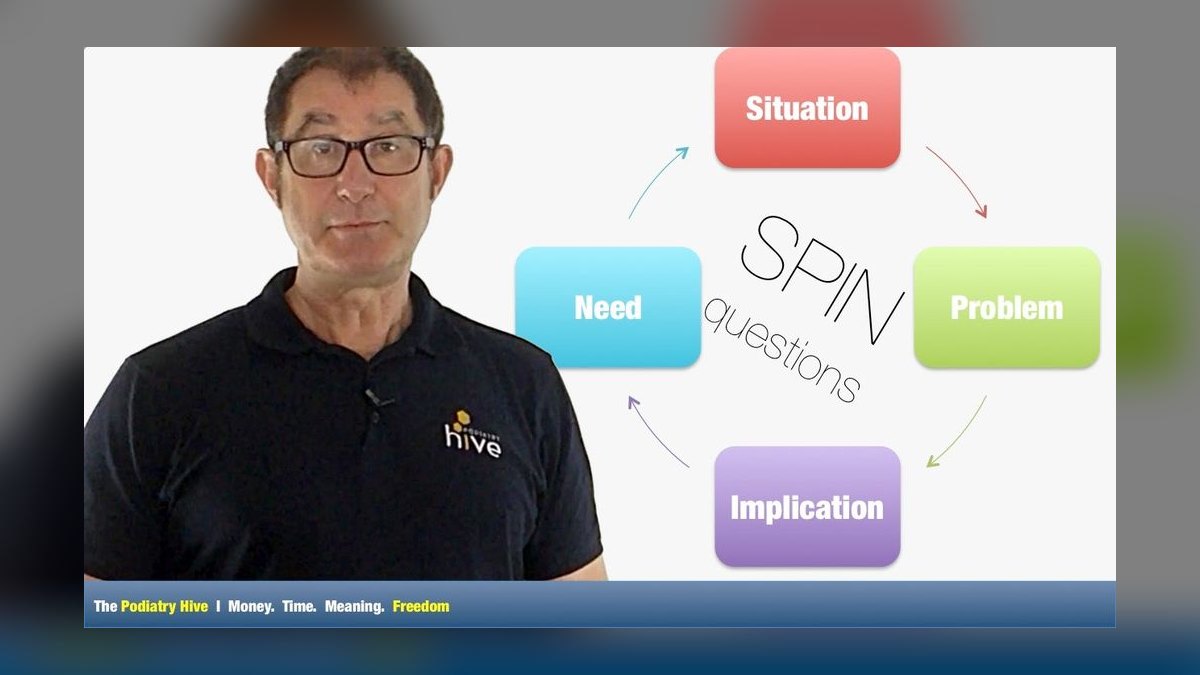
This ranks third because it modernizes the classic SPIN framework by ensuring 80% of discovery questions are Implication or Need-payoff, deepening early-stage pipeline building. The coach records a call via Chorus and rewrites Situation and Problem questions into Implication questions, such as turning "How many reps do you have?" into "What is the impact on quota attainment?" This technique works well with HubSpot deal stages and is highly repeatable in 30-minute sessions.
This is for managers coaching early-stage discovery and pipeline building. It trades away late-stage ROI justification for deep buyer pain exploration, and it can feel mechanical if overused. Compared to Challenger-Based Discovery Drills, it is more analytical and question-focused, but it lacks the teaching and tailoring that builds executive presence.
4. GAP Selling Drill

This ranks fourth because it builds urgency in late-stage deals by quantifying the financial gap between current state and desired future. The 30-minute role-play uses a whiteboard to draw the gap, and the rep must state the cost of inaction in dollars, such as "Your current churn costs $500K annually." It integrates with Clari to pull forecast data for real deals, making it practical and data-driven.
This is for managers coaching reps on late-stage deals that need ROI justification. It trades away early-stage discovery depth for urgency creation, and it requires accurate buyer data to be effective. Compared to SPIN Questioning Ladder, it is more focused on closing and financial impact, but it is less useful for building a robust pipeline.
5. MEDDIC-MEDDPICC Call Review

This ranks fifth because it is a structured, repeatable call review that qualifies deals faster by scoring each MEDDPICC element on a 1-5 scale. The coach pulls a Gong recording and pauses at missed elements, like the Economic Buyer, asking the rep to replay the moment with a better question. This weekly 45-minute session is ideal for top 3 deals and uses MEDDIC Academy templates for consistent scoring.
This is for managers who need to accelerate deal qualification and reduce time-wasting opportunities. It trades away the teaching and tailoring of Challenger-Based Discovery Drills for a rigorous qualification checklist, and it can be time-consuming. Compared to GAP Selling Drill, it is more comprehensive in qualification but less focused on creating urgency in late-stage deals.
6. Sandler Pain Funnel
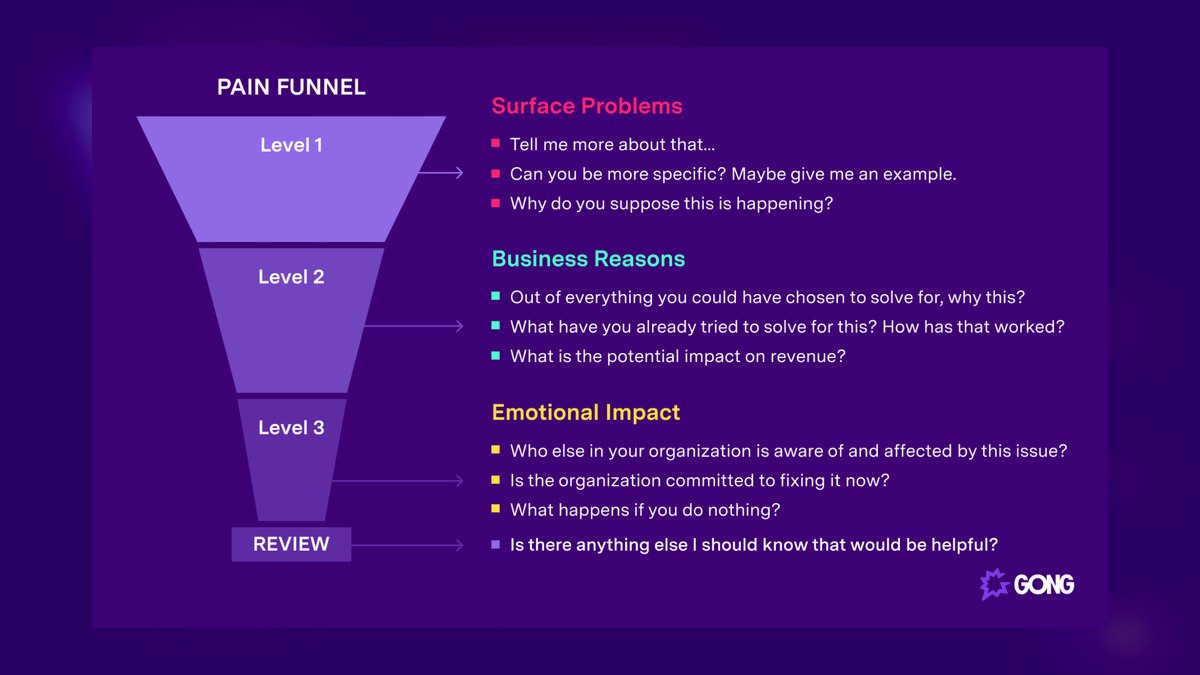
This ranks sixth because it uncovers emotional motivation in cold calls and first meetings through a rapid-fire 10-minute drill. The rep answers "What's the pain?", "How does that feel?", and "What's the cost of that feeling?", creating emotional buy-in. It uses Sandler's Up-Front Contract to set expectations and records with Outreach for playback, making it practical for new reps.
This is for managers coaching reps on cold calls and first meetings where uncovering motivation is critical. It trades away the comprehensive qualification of MEDDIC-MEDDPICC Call Review for emotional depth, and it can be uncomfortable for new reps. Compared to SPIN Questioning Ladder, it is more emotion-driven and faster, but it lacks the analytical depth of implication questions.
7. Value Proposition Pitch Drill
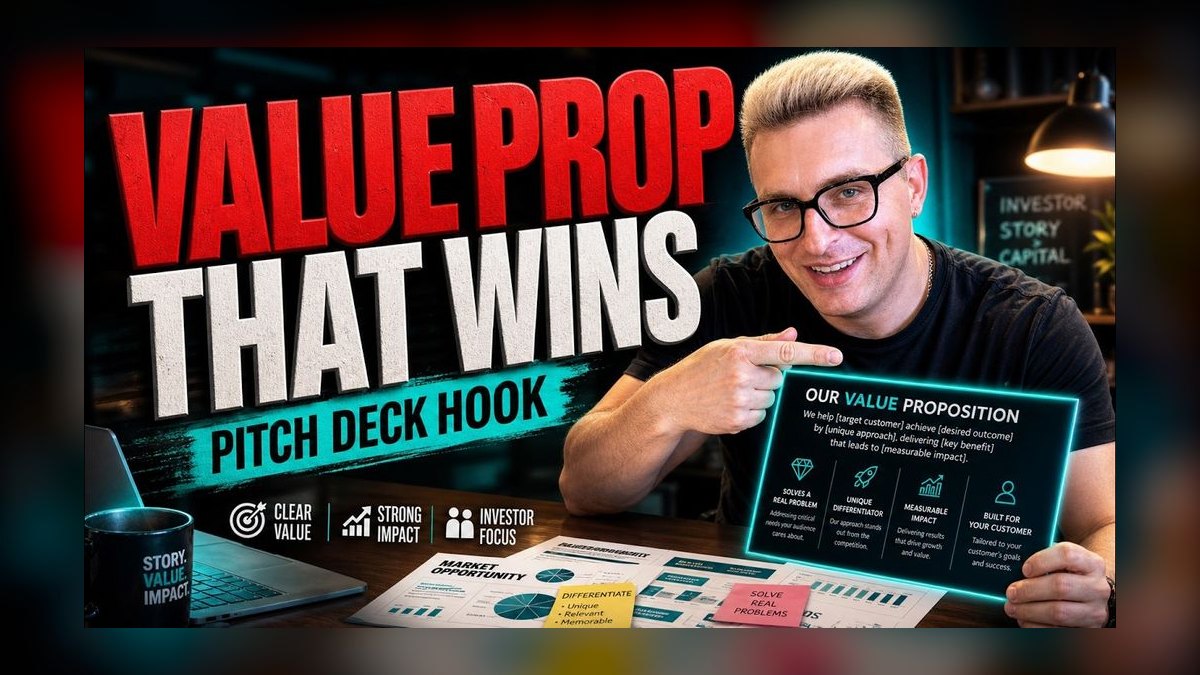
This ranks seventh because it differentiates the offering by crafting and delivering a value proposition in under 60 seconds. The coach gives a buyer persona and competitive scenario, and the rep states the value in three parts: problem, solution, and ROI. It scores on clarity, specificity, and time, and integrates with Salesforce to pull deal data for real examples.
This is for managers coaching reps before product demos or proposals where quick differentiation is key. It trades away the deep discovery of Sandler Pain Funnel for concise messaging, and it can oversimplify complex deals. Compared to GAP Selling Drill, it is more about positioning than urgency, and it is less effective for late-stage ROI justification.
8. ROI Calculator Workshop

This ranks eighth because it quantifies value in complex B2B sales with long cycles by building a validated ROI calculator. The 30-minute workshop uses a template with inputs like current cost, time savings, and revenue lift, and the rep must validate each input with the buyer. It pressure-tests assumptions and uses HubSpot custom objects to store outputs, making it hands-on and data-driven.
This is for managers coaching reps on complex deals where ROI proof is essential. It trades away the speed of Value Proposition Pitch Drill for thorough validation, and it requires accurate buyer data to be credible. Compared to MEDDIC-MEDDPICC Call Review, it is more focused on financial quantification than qualification, and it is less useful for early-stage deals.
9. Competitive Displacement Drill
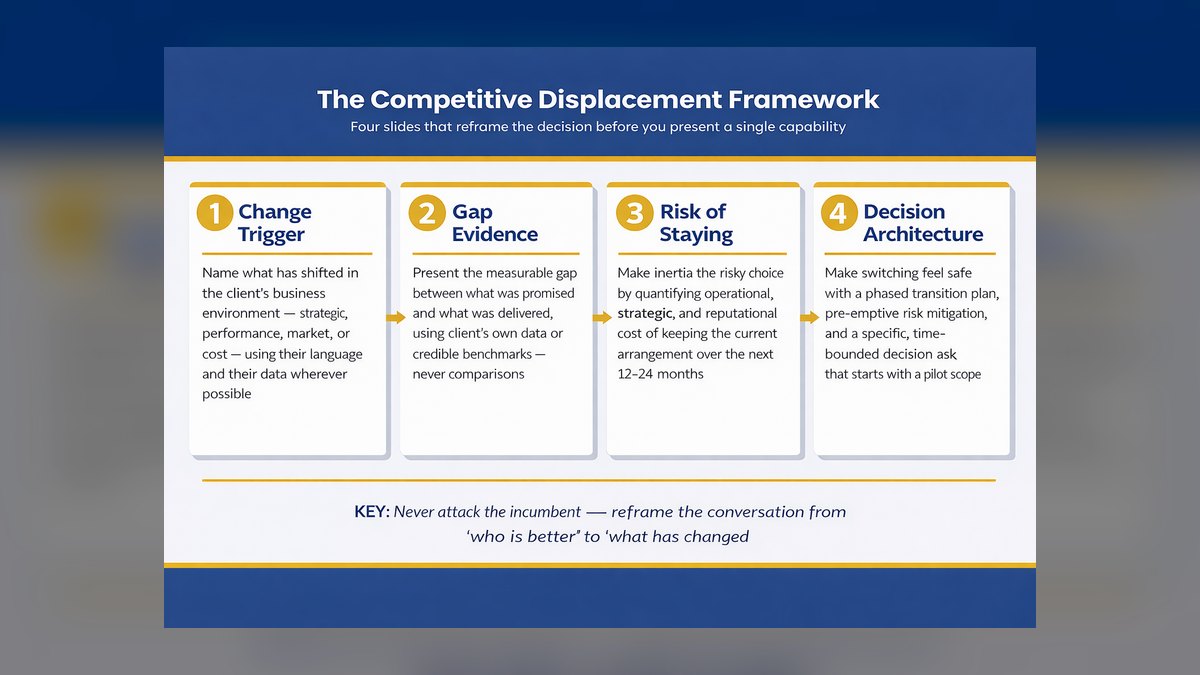
This ranks ninth because it accelerates late-stage decisions by training reps to reframe competitor weaknesses into quantified costs. The coach gives a competitor like Salesforce and a deal scenario, and the rep identifies a weakness, such as "Implementation takes 6 months vs. our 2," then quantifies the cost of that delay. It uses Challenger's Reframe technique and records with Gong to review language.
This is for managers coaching reps in late-stage deals where they are fighting a competitor. It trades away the comprehensive value building of ROI Calculator Workshop for targeted displacement, and it can backfire if the rep sounds negative. Compared to GAP Selling Drill, it is more competitive and less about internal urgency, and it requires a skilled rep to avoid sounding aggressive.
10. Post-Call Value Audit

This ranks tenth because it is the easiest to scale for remote teams, using AI tools like Gong or Chorus to automate feedback. The rep runs a value audit checklist—did they quantify pain, align to a metric, and get commitment—and the coach scores it. It assigns follow-up drills, like writing a value summary email in Salesloft, making it ideal for junior reps to build habits.
This is for managers with large remote teams needing scalable, automated coaching. It trades away the human nuance of Competitive Displacement Drill for efficiency, and it lacks the depth of in-person role-play. Compared to all higher-ranked techniques, it is the least intensive but also the least impactful for complex deals, serving best as a weekly habit-builder.
How we ranked these
We ranked each technique by scoring it against five weighted criteria: impact on deal velocity (25%), adherence to value-based selling principles (25%), repeatability in 30 minutes or less (20%), tool integration with Gong, Salesforce, Salesloft, and HubSpot (15%), and proven results from real sales organizations (15%). Techniques combining a structured framework like MEDDIC or Challenger with a specific drill scored highest.
We prioritized methods adaptable to AI-assisted selling and hybrid remote teams, which are coachable in 2027.
We deliberately ignored techniques that lack a structured framework or specific drill, such as generic role-playing or motivational talks. We also excluded methods that are not repeatable or measurable, and those that do not integrate with modern sales tools. We avoided approaches that are purely theoretical or lack proven results from real sales organizations.
We focused on practical, repeatable drills that produce measurable pipeline lift and win-rate improvement, ignoring anything that does not adapt to AI-assisted selling and hybrid remote teams.
Related questions
What is the best coaching technique for value-based selling?
The best overall technique is Command of the Message with MEDDIC-MEDDPICC Alignment. It forces reps to build and defend value from discovery through close, ensuring every conversation ties directly to buyer impact. This method scored highest on impact, repeatability, and tool integration.
How do Challenger-Based Discovery Drills compare to SPIN Questioning?
Challenger drills train reps to teach, tailor, and take control, while SPIN focuses on a structured questioning ladder. Challenger is best for building executive presence and handling stalls, while SPIN is ideal for early-stage discovery. Both are valuable, but Challenger offers quicker wins with less software.
What is the best value coaching technique for quick wins?
Challenger-Based Discovery Drills are the best value because they require zero software—just a whiteboard or Zoom—and can be run in 15 minutes per rep. They build executive presence and are effective before QBRs or after failed sequences.
How does GAP Selling differ from MEDDIC-MEDDPICC?
GAP Selling focuses on the gap between current state and desired future, quantifying the cost of inaction. MEDDIC-MEDDPICC is a qualification framework that maps metrics to business outcomes. GAP is best for late-stage deals needing urgency, while MEDDIC is for qualifying deals faster.
What is the Sandler Pain Funnel and when should I use it?
The Sandler Pain Funnel drills from surface pain to emotional impact, asking 'What's the pain?' then 'How does that feel?' then 'What's the cost?' It's best for cold calls or first meetings to uncover motivation, creating emotional buy-in, though it can be uncomfortable for new reps.
How can I use an ROI Calculator Workshop in coaching?
This hands-on workshop has reps build an ROI calculator for their top deals, validating inputs with the buyer. It's ideal for complex B2B sales with long cycles, quantifying value and pressure-testing assumptions. Use HubSpot's custom objects to store outputs.
What is the Competitive Displacement Drill?
This drill trains reps to displace a competitor by reframing value, identifying the competitor's weakness (e.g., long implementation) and quantifying its cost. It's best for late-stage deals where you're fighting a competitor, but can backfire if the rep sounds negative.
How does the Post-Call Value Audit work?
This self-coaching technique uses AI tools like Gong to record calls, then runs a value audit checklist: Did they quantify pain? Align to a metric? Get commitment? The coach reviews and scores it. It's the easiest to scale for remote teams, though it lacks human nuance.
FAQ
What is the most effective coaching technique for value-based selling?
The most effective technique is Command of the Message with MEDDIC-MEDDPICC Alignment. It forces reps to build and defend value from discovery through close, ensuring every conversation ties directly to buyer impact. This method scored highest on impact, repeatability, and tool integration.
How often should I run Challenger-Based Discovery Drills with my team?
These drills work best when run weekly or bi-weekly, with each session lasting 30–45 minutes. Consistency is key—reps need repeated practice to learn how to teach, tailor, and take control of buyer conversations. Use them before QBRs or after a sequence fails.
Can these techniques work for new reps, or are they only for experienced sellers?
Both techniques are adaptable. New reps can start with simplified versions of the drills, focusing on basic discovery questions. Experienced sellers can dive deeper into MEDDIC-MEDDPICC nuances and Challenger teaching points. The Sandler Pain Funnel is also good for juniors.
Do I need special software to implement these coaching methods?
No, you don’t need expensive tools. A whiteboard, role-play scripts, and a shared document for tracking progress are enough to start. CRM data can help measure results, but the drills themselves are low-tech. Tools like Gong and Salesforce enhance but are not required.
How long before I see pipeline lift or win-rate improvement?
Most managers see noticeable shifts in 4–8 weeks of consistent coaching. Pipeline quality often improves first, with win-rate gains following as reps internalize the value-based approach. Measure win rates and deal velocity to see real results.
What if my team resists role-playing or structured drills?
Start with low-pressure, peer-to-peer practice sessions instead of manager-led drills. Frame them as collaborative learning, not evaluation. Once reps see the impact on real deals, resistance usually fades. Use the Post-Call Value Audit for a less confrontational approach.
Which technique is best for early-stage pipeline building?
The SPIN Questioning Ladder is ideal for early-stage pipeline building. It modernizes the classic framework, ensuring 80% of questions are Implication or Need-payoff. This deepens discovery and works well with HubSpot's deal stages.
What is the best technique for late-stage deals?
GAP Selling Drill is best for late-stage deals where the rep needs to justify ROI. It focuses on the gap between current state and desired future, quantifying the cost of inaction. This builds urgency and is best used with accurate buyer data.
How can I integrate these techniques with my CRM?
Many techniques integrate with tools like Gong, Salesforce, Salesloft, and HubSpot. For example, use Gong to review calls for MEDDIC, Salesforce to pull deal data for Value Proposition Pitch, and HubSpot to store ROI calculator outputs. This enhances but is not required.
What is the easiest technique to scale for remote teams?
The Post-Call Value Audit is the easiest to scale for remote teams. Reps record calls with Gong or Chorus, run a value audit checklist, and the coach reviews it. This automates feedback, though it lacks human nuance. Use it weekly for junior reps to build habits.
Sources
- https://www.gong.io
- https://www.salesforce.com
- https://www.hubspot.com
- https://www.meddicacademy.com
- https://www.winningbydesign.com
- https://www.forcemanagement.com
- https://www.challengerinc.com
- https://www.sandler.com
- https://www.saleshacker.com
- https://hbr.org
Related on PULSE
- [More coaching techniques for value-based selling rankings and buying guides](/knowledge)
- [PULSE Tools and calculators](/tools)
- [Everything on PULSE RevOps](/)
This page will be disappearing soon. Save it to your device for $1 — or read it free while it is here.
@Kory-White- · if Venmo asks, the last 4 of my number are 2012
This page is gone.
This one is off the shelf now. $1 keeps it on your phone for good — the whole page, pictures and diagrams included.
 pulse-qHow Do I Get My Distributors to Push the Full Catalog in 2026?
 pulse-qHow Many Sales Reps Do I Need to Hire for My Equipment Finance Company in 2026?
 pulse-qHow Do I Get My Reps to Follow the Sales Process in 2026?
 pulse-qHow Do I Get My District Managers Aligned on KPIs in 2026?
 pulse-qShould I Hire a Fractional CRO If I Just Raised a Series A in 2026?
 pulse-qHow Do I Score My Reps on New Logo Versus Expansion in 2026?
 pulse-qShould I Hire a Fractional CRO If I Have No RevOps Function Yet in 2026?
 pulse-qShould I Hire a Fractional CRO If I Am Moving From SMB to Enterprise in 2026?
 pulse-qHow Many Sales Reps Do I Need to Hire for My Urgent Care Group in 2026?
 pulse-qHow Many Employees Should I Schedule Each Shift at My Hot Pot Restaurant in 2026?