

Should I open or buy a Superior Fence & Rail franchise in 2027?
 Curated byKory White · Fractional CRO · Maryland
Yes for a sales-and-operations-minded operator who wants a project-based home-improvement franchise in the durable fencing market — Superior Fence & Rail offers fence installation with strong project tickets. Superior Fence & Rail, franchising since the 2010s (founded earlier), franchises residential and commercial fence installation (vinyl, aluminum, wood, chain-link) with a project-based, in-home-sales model and managed installation crews. The 2026 FDD lists a franchise fee around $45,000, total Item 7 investment of roughly $170,000 to $400,000, a royalty near 6%, and a marketing fee. Mature territories gross $1,000,000-$3,500,000+ — high for home services — with owners clearing $150,000-$400,000. Its edge is the large, durable fencing market, high project tickets, recurring commercial/builder relationships, and a project-based model; the challenges are in-home sales, crew/installation management, and lead generation.
The Real Numbers
A Superior Fence & Rail operation runs from an office/yard with installation crews and fencing inventory/materials, selling fence projects in-home and to builders/commercial clients and managing installation. Fencing projects carry high tickets and steady demand.
| Line Item | Low | High | Notes |
|---|---|---|---|
| Franchise fee | $45,000 | $45,000 | Per 2026 FDD |
| Office/yard setup | $20,000 | $90,000 | Office + material yard |
| Equipment, vehicles, tools | $40,000 | $150,000 | Trucks, install equipment |
| Initial inventory | $20,000 | $70,000 | Fencing materials |
| Initial marketing | $20,000 | $60,000 | Lead generation |
| Technology & software | $8,000 | $25,000 | CRM, estimating |
| Insurance & licensing | $8,000 | $25,000 | GL + contractor |
| Working capital | $30,000 | $90,000 | Project float |
| Total Item 7 | ~$170,000 | ~$400,000 | Per 2026 FDD |
| Royalty | ~6% of gross | ||
| Marketing fee | ~2% of gross |
Revenue reality: mature territories gross $1M-$3.5M+ on fence-installation projects (residential, commercial, builder). With materials and installation labor as costs, owners clear $150K-$400K at scale. The large fencing market and high project tickets drive strong revenue, and builder/commercial relationships add recurring volume. The challenges are in-home sales, crew/installation management, and lead generation. Fencing is a durable, broad-demand category (security, pets, privacy, property lines).
Who Wins With This Business
- Capital required: $170K-$400K, with $80,000-$150,000 liquid.
- Time commitment: business-hours, project-based.
- Skills: in-home/builder sales, crew/installation management, and lead generation.
- Geographic fit: suburban homeowner markets plus builder/commercial demand.
- Lifestyle fit: project-and-operations-driven.
The winners are sales-and-operations-minded operators who build both residential and builder/commercial fencing revenue.
Who Loses With This Business
- Operators weak at in-home/builder sales.
- Owners who mismanage installation crews/quality.
- Those who can't generate fencing leads.
- Markets with low homeowner/builder demand.
- Under-capitalized buyers.
2027 Market Conditions
- Demand: fencing is a durable, broad category (security, pets, privacy, property lines, new construction).
- High tickets: fence projects drive strong revenue per job.
- Builder/commercial: relationships add recurring volume beyond one-off residential.
- Project-based: in-home sales drive conversion.
- Competition: local fence contractors and other home-improvement firms.
The 90-Day Decision Tree
- Day 1-15: Read the 2026 FDD and confirm the fencing-project model.
- Day 16-30: Interview 8+ owners; ask about residential vs builder/commercial mix, crew management, and take-home.
- Day 31-45: Validate a homeowner-and-builder fencing market.
- Day 46-65: Set up the yard, crews, and materials.
- Day 66-85: Generate leads and execute in-home/builder sales.
- Day 86-90: Launch with quality-focused installation.
- Ongoing: build recurring builder/commercial revenue and manage crews.
Alternative Plays
- Other fence-installation franchises — adjacent fencing models.
- Concrete Craft / TSR Concrete Coatings — adjacent outdoor home-improvement franchises.
- Outdoor Lighting Perspectives — outdoor home-improvement.
- Mighty Dog Roofing — exterior home-services franchise.
- Independent fence company — full control, but no brand.
- Other outdoor home-improvement franchises — adjacent models.
Regional Market Considerations for 2027
The viability of a Superior Fence & Rail franchise in 2027 depends heavily on your local market conditions. The fencing industry is inherently tied to new home construction, real estate turnover, and regional weather patterns. In the Sun Belt states (Texas, Florida, Arizona, Carolinas), population growth continues to drive demand for both residential privacy fencing and commercial perimeter security. These regions typically see year-round installation seasons, which supports consistent revenue flow. Conversely, in northern markets with harsh winters (Minnesota, Wisconsin, New England), the installation season may be limited to 7-8 months, requiring careful cash flow management during slow periods. You should evaluate local building permit trends — municipalities with strict fencing ordinances often create more demand for professional installation versus DIY. Additionally, check for existing Superior Fence & Rail franchisees in your target area; the company typically avoids overlapping territories, but a saturated region may limit your growth potential. For 2027, markets with active hurricane or wildfire rebuilding efforts (Gulf Coast, California) may offer temporary spikes in demand for durable aluminum or fire-resistant fencing materials.
Operational Realities: Crew Management and Installation Logistics
One of the most critical operational challenges you’ll face as a Superior Fence & Rail franchisee is managing installation crews. The franchise model relies on you hiring and supervising 2-4 installation teams (each typically 2-3 workers), rather than using subcontractors. In 2027, the labor market for skilled fence installers remains tight — experienced crew leads command $25-$35 per hour plus benefits, and turnover in construction trades is historically high. You’ll need to budget for ongoing recruitment, training, and retention programs. The installation process itself is project-based: each job requires precise measurements, concrete footings for posts, and proper material handling (vinyl panels can be bulky, aluminum sections require careful transport). Typical residential fence projects range from 150-300 linear feet, taking 2-4 days per crew. Commercial projects (apartment complexes, schools, industrial sites) can span weeks and require larger crews. Your daily operations will involve dispatching crews to multiple job sites, inspecting completed work for quality (gaps, level posts, gate alignment), and managing material inventory. Many franchisees find that investing in a dedicated operations manager ($55,000-$75,000 salary) becomes necessary once annual revenue exceeds $1.5 million. You should also factor in equipment costs: a fleet of 2-3 pickup trucks with trailers ($40,000-$60,000 each new or $20,000-$35,000 used), concrete mixers, post hole diggers, and safety gear.
Sales and Lead Generation Strategies for 2027
The in-home sales model is the engine of a Superior Fence & Rail franchise, and its effectiveness in 2027 will depend on your ability to generate qualified leads. The franchise provides a national marketing fund and some digital presence, but your local lead generation is largely your responsibility. Successful franchisees typically spend $15,000-$30,000 per month on a mix of Google Local Services Ads, Facebook/Instagram geo-targeted campaigns, and home show participation. The average residential lead converts at 20-30% with a proper sales process — your sales representative (which may be you initially) visits the property, measures the area, discusses material options (vinyl vs. aluminum vs. wood vs. chain-link), and provides a same-day or next-day quote. The average ticket for a residential privacy fence in 2027 ranges from $4,000-$9,000, depending on linear footage and material choice. Commercial leads (property managers, general contractors, HOA boards) require a different approach: relationship building, bidding on larger projects ($15,000-$100,000+), and providing references. You should plan to personally handle commercial sales for the first 12-18 months while training a residential salesperson. Digital marketing tactics that work well include before/after photo galleries, video testimonials from satisfied homeowners, and local SEO targeting phrases like “fence company near me” or “privacy fence installation [city name].” Many franchisees also partner with real estate agents to offer fence upgrades as closing incentives.
FAQ
What is the typical initial investment for a Superior Fence & Rail franchise? The 2026 FDD shows a total investment range of roughly $170,000 to $400,000, including a franchise fee around $45,000. Actual costs vary by territory size, equipment needs, and local real estate.
How much can a franchise owner expect to earn annually? Mature territories often gross $1,000,000 to $3,500,000 or more, with owner earnings typically between $150,000 and $400,000. Results depend on market conditions, operational efficiency, and lead generation.
What is the royalty fee and marketing fee structure? The ongoing royalty is near 6% of gross sales, plus a marketing fee. These fees support brand development and national advertising, but exact percentages may vary slightly by franchise agreement.
Do I need experience in fencing or home improvement to succeed? No specific fencing experience is required, but a background in sales, operations, or managing crews is helpful. The model relies on in-home sales and project management, so comfort with those areas is important.
How does Superior Fence & Rail handle lead generation? The franchise provides marketing support and national brand recognition, but owners are expected to generate local leads through their own efforts. This includes building relationships with builders, realtors, and homeowners.
What are the biggest challenges of owning this franchise? Key challenges include managing installation crews, conducting in-home sales presentations, and generating a consistent flow of leads. The project-based nature means revenue can be seasonal and dependent on local construction activity.
Bottom Line
Open a Superior Fence & Rail if you want a project-based home-improvement franchise in the large, durable fencing market with high project tickets and recurring builder/commercial revenue, you can fund a $170K-$400K operation, and you'll drive sales and manage installation crews. Its durable market, high tickets, and builder-relationship upside are genuine strengths. Skip it if you're weak at sales/crew management, can't generate leads, or are under-capitalized. For sales-and-operations-minded operators, Superior Fence & Rail offers strong revenue potential in a durable home-improvement category.
Related on PULSE
- Should I open or buy a Which Wich Superior Sandwiches franchise in 2027?
- How Many Sales Reps Do I Need to Hire for My Fence Company?
- How do you start a fence installation business in 2027?
- How do you start a fence installation business in 2027?
- Should I open or buy an Oxi Fresh Carpet Cleaning franchise in 2027?
- Should I open or buy an Oil Can Henry’s franchise in 2027?
Sources
- Superior Fence & Rail Franchise Disclosure Document (2026 filing) — Items 5, 6, 7, 19, 20
- Superior Fence & Rail official franchise site — investment range and fencing model
- Entrepreneur Franchise listings — Superior Fence & Rail
- Franchise Business Review — home-services franchise satisfaction data
- IBISWorld — Fencing Contractors in the US, 2026 industry report
- Statista — US fencing and home-improvement market, 2025-2026
- International Franchise Association (IFA) — 2027 Franchise Economic Outlook
- Joint Center for Housing Studies — home-improvement data 2026
- Grand View Research — Fencing market 2026
- US Census — homeowner, builder, and construction demographic data, 2025-2026
This page will be disappearing soon. Save it to your device for $1 — or read it free while it is here.
@Kory-White- · if Venmo asks, the last 4 of my number are 2012
This page is gone.
This one is off the shelf now. $1 keeps it on your phone for good — the whole page, pictures and diagrams included.
 pulse-qShould I open or buy a Taco Bueno franchise in 2027?
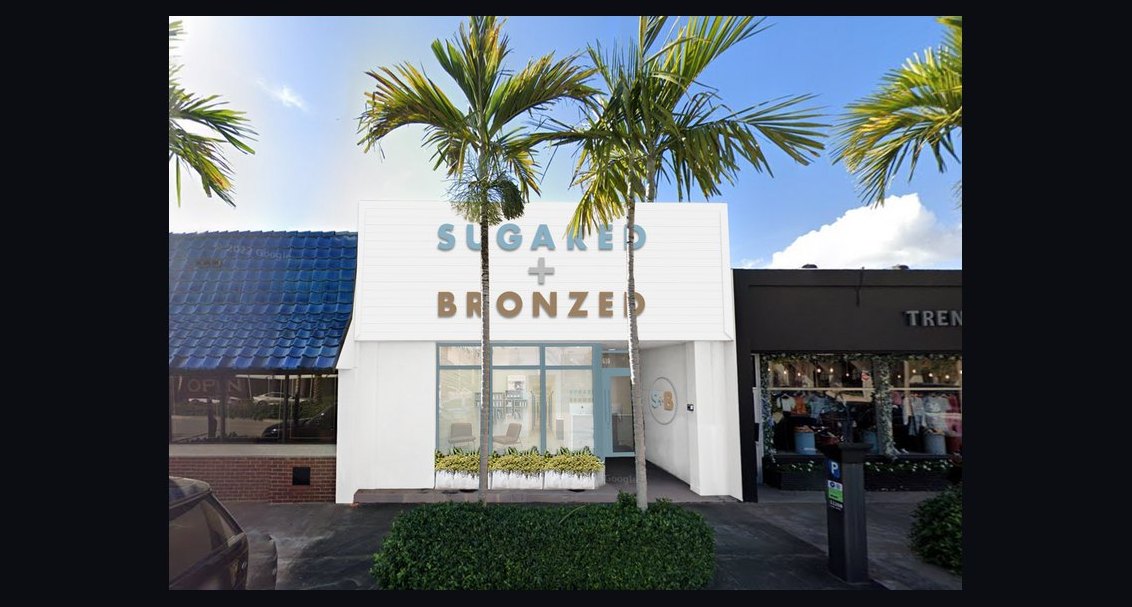 pulse-qShould I open or buy a Sugared + Bronzed franchise in 2027?
 pulse-qShould I open or buy a World Gym franchise in 2027?
 pulse-qShould I open or buy a Wendy's franchise in 2027?
 pulse-qShould I open or buy a Woof Gang Bakery franchise in 2027?
 pulse-qShould I open or buy a Crunch Fitness franchise in 2027?
 pulse-qShould I open or buy a Garage Experts franchise in 2027?
 pulse-qShould I open or buy a Bio-One franchise in 2027?
 pulse-qShould I open or buy a Goddard School franchise in 2027?
 pulse-qShould I open or buy a Bojangles franchise in 2027?