
Should I open or buy a Sugared + Bronzed franchise in 2027?
 Curated byKory White · Fractional CRO · Maryland
 PULSEKNOWLEDGE LIBRARY
Quality
Certified
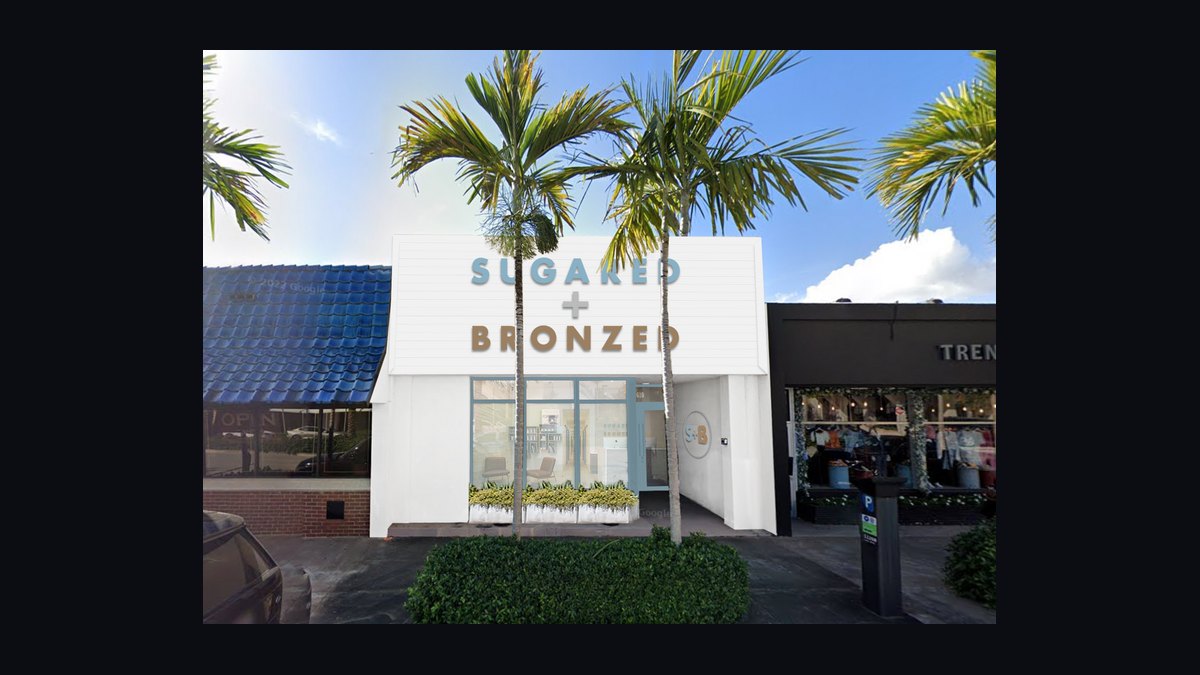
Yes, if you have $300,000–$650,000 in capital, can staff licensed estheticians in an affluent market, and will actively cross-sell sugaring and airbrush tanning to build a recurring membership base. A Sugared + Bronzed franchise costs $40,000–$50,000 to open, carries a 6%–7% royalty, and mature studios gross $400,000–$900,000 with owner earnings of $70,000–$210,000. Skip it without a premium location or staffing plan.
The outcome you should expect
Open a Sugared + Bronzed studio in 2027 and your realistic outcome depends almost entirely on three variables: the affluence of your trade area, how fast you can staff licensed sugaring technicians, and how disciplined you are about converting first-time clients into recurring members. Get all three right and you land in the upper half of the brand's performance range — $600,000-$900,000 in annual revenue by year three, owner earnings in the $150,000-$210,000 band, and a studio that can eventually support a second or third unit. Get any one of them wrong and you land in the lower half or worse: a studio that never breaks $400,000, an owner who is still working the front desk in year four because payroll won't support a general manager, and a break-even timeline that stretches past 24 months.
This is not a franchise where mediocre execution still produces an acceptable outcome, the way a well-located quick-service restaurant might coast on foot traffic. Sugared + Bronzed sells a premium, discretionary, appointment-based service to a narrow demographic — women aged 25-55 with household income above roughly $75,000 who are willing to pay $50-$90 per visit rather than $30-$50 at a mass-market waxing chain or tanning salon. If that demographic isn't within a reasonable drive of your site, no amount of operational excellence fixes the top line. Conversely, in the right zip code, the dual-service model is a genuine structural advantage: a client who books a sugaring appointment is a warm lead for a tanning add-on sitting in the next room, and vice versa. Franchisees who treat that cross-sell as a deliberate, trained, measured behavior — not something that happens organically — consistently outperform those who don't.
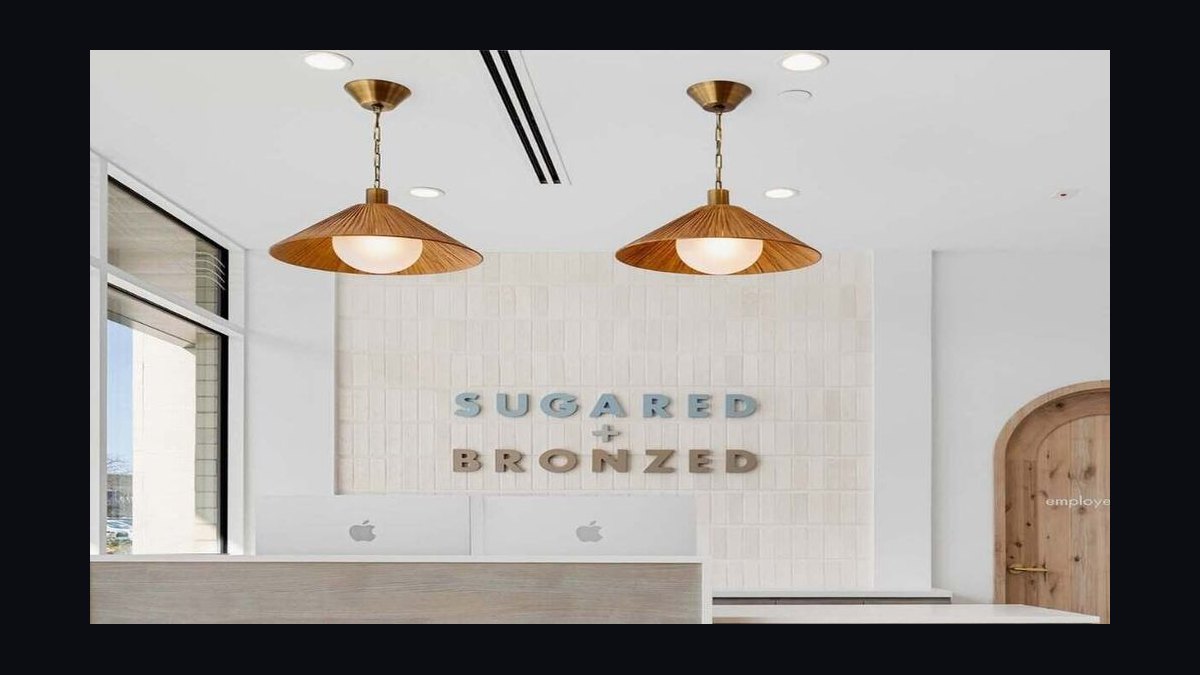
The honest framing for a prospective buyer is this: Sugared + Bronzed is a demographic-and-execution bet layered on top of a normal franchise capital structure. The FDD's Item 19 ranges are wide because the brand's unit economics are genuinely bimodal — there is a real cluster of studios performing near the top of the range and a real cluster near the bottom, with less in the middle than you'd see in a more commoditized concept. Before you sign, you need to know which cluster your specific site and your specific operating plan put you in, and that requires validation work well beyond reading the disclosure document.
What drives that outcome
Three levers explain almost all of the variance between a Sugared + Bronzed studio earning $70,000 for its owner and one earning $210,000: site demographics, technician staffing, and membership conversion discipline. Site demographics set your ceiling — you cannot out-operate a location with too few affluent, beauty-conscious households within a 10-15 minute drive. Technician staffing sets your capacity — a fully booked studio with only three estheticians caps revenue regardless of demand. Membership conversion sets your durability — one-time clients churn, members don't, and the studios with 300-400 active members are the ones hitting the top of the revenue range.
Franchisees who apply a RevOps mindset to this business — treating booking rate, membership conversion rate, cross-sell rate, and technician utilization as a funnel with measurable stage-to-stage conversion, the same way a SaaS company instruments its pipeline — get a much sharper read on which lever to pull than owners who just watch the top-line revenue number. A studio grossing $500,000 with a 55% membership conversion rate and 70% technician utilization has a completely different, more fixable problem than one grossing $500,000 with a 25% conversion rate and 95% utilization. The first needs a better close process at the front desk; the second needs to hire and can't grow revenue without more chairs.
Benchmarks and realistic ranges
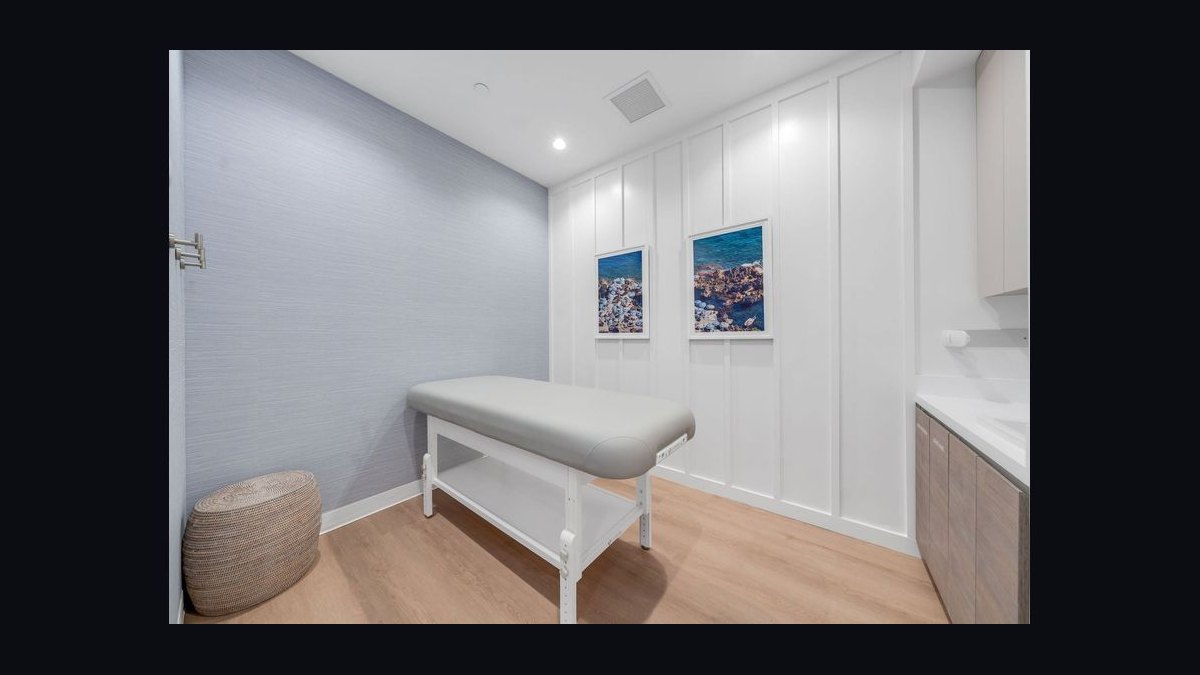
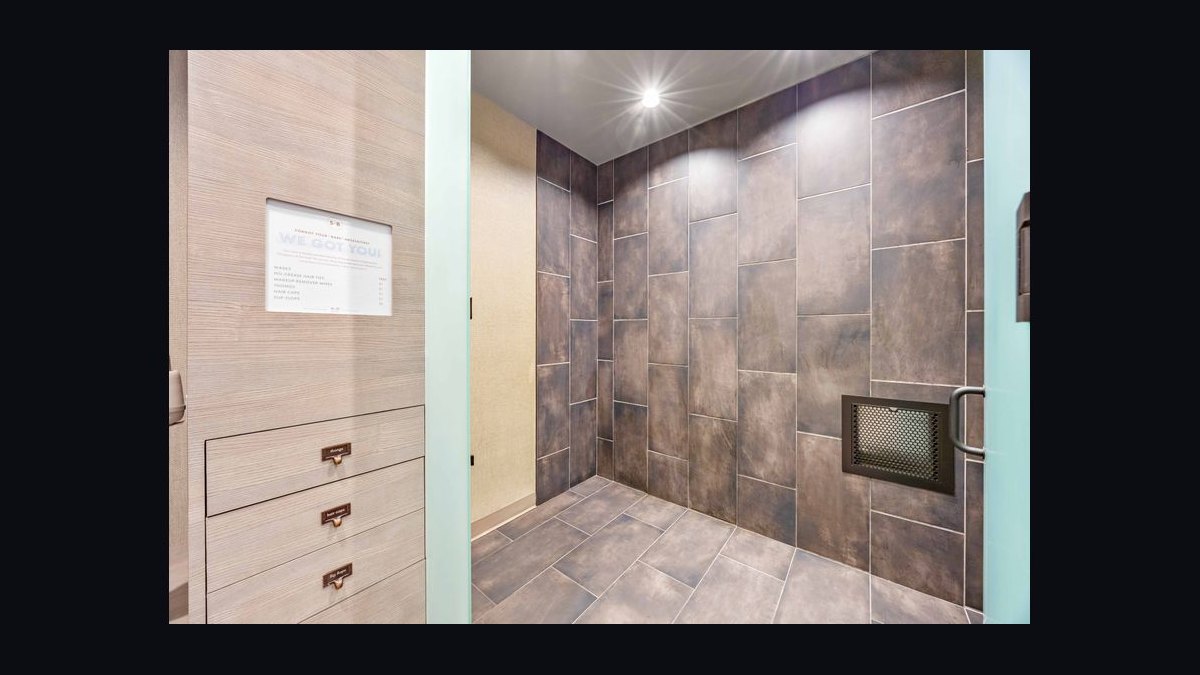
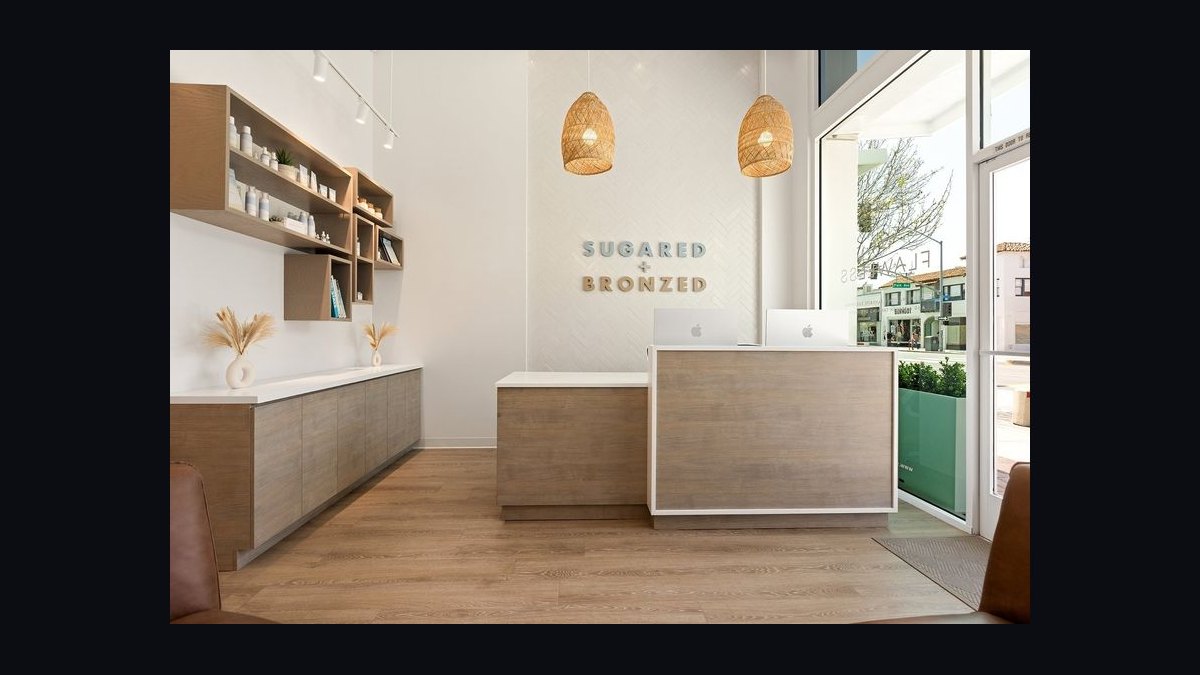
The 2026 FDD sets a total Item 7 investment of roughly $300,000 to $650,000 for a 1,200-2,500 square foot upscale studio, split across build-out ($120,000-$300,000), equipment and decor ($50,000-$130,000, including tanning booths at $15,000-$30,000 each and sugaring stations at $2,000-$5,000 each), signage ($15,000-$45,000), initial inventory ($10,000-$25,000), initial marketing for a pre-opening membership sale ($15,000-$40,000), training and travel ($10,000-$28,000), and working capital ($30,000-$80,000 to cover the first three to six months). The franchise fee itself is $40,000-$50,000, and you should budget for roughly $120,000-$200,000 of that total to be liquid capital rather than financed.
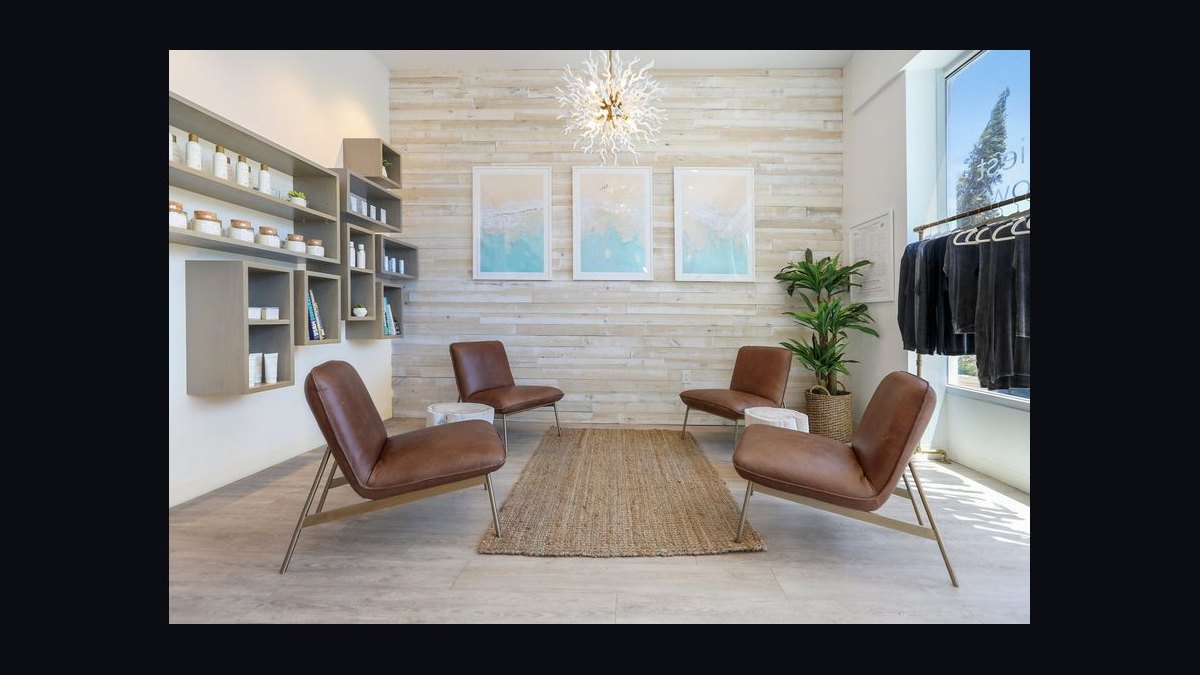
On the revenue side, a well-performing studio in a prime suburban location — population 50,000+ within three miles, median household income above $80,000 — can generate $500,000-$700,000 in annual revenue by its third year. That typically breaks down as 60-65% from sugaring ($300,000-$455,000), 25-30% from spray tanning ($125,000-$210,000), and 5-10% from retail products like aftercare lotions and exfoliants ($25,000-$70,000). Membership revenue is the backbone of that number: monthly memberships priced $49-$89 for one to two services typically account for 50-70% of total service revenue, with non-member visit pricing at $45-$85. The average client visits six to ten times per year, and annual membership retention runs 60-80%. Hitting the $500,000 revenue mark generally requires 300-400 active members plus 50-100 occasional walk-in or non-member clients per month.
Cost structure follows a fairly predictable pattern. Labor — licensed estheticians typically earning $20-$35 per hour plus tips, or working under a 40-50% commission structure on service revenue plus bonuses for membership sales — runs 35-45% of revenue once you account for payroll taxes, workers' compensation (elevated for estheticians due to repetitive-motion risk), and benefits. Monthly fixed costs before labor — rent ($4,000-$10,000), utilities ($500-$1,500), insurance ($500-$1,200), local marketing ($1,000-$3,000), and royalty plus brand marketing fees ($3,000-$6,000 combined, reflecting the 6%-7% royalty and roughly 2% marketing fee) — typically total $9,000-$22,000. At 35-45% gross margin after labor and cost of goods, you need monthly revenue of $25,000-$40,000 to break even, which well-prepared studios that pre-sell 100+ memberships before opening day can reach by month 9-12; organic-growth studios more typically reach it in month 15-18. Realistic break-even on the full investment spans 18-30 months. Owner compensation of $70,000-$210,000 assumes an active owner-operator; hiring a general manager at $45,000-$65,000 plus bonus to run day-to-day operations drops owner take-home to roughly $25,000-$100,000, which is why most franchisees stay hands-on for the first two to three years before considering a second unit.
Risks, edge cases, and failure modes
The single biggest failure mode is opening in a location that looks acceptable on paper but lacks the density of affluent, beauty-conscious clientele the model requires. A trade area with the right median household income but a demographic skew toward a different age band, or a market already saturated with European Wax Center, Milan Laser Hair Removal, or independent sugaring studios, can leave a Sugared + Bronzed location permanently undersized even with excellent operations. European Wax Center in particular has over 1,000 locations, stronger brand recognition, and a lower initial investment of roughly $250,000-$500,000, which makes it the default competitor in any market you're evaluating — if it's already well established nearby, your addressable pool of premium clients is smaller than the raw demographics suggest.
Staffing is the second major risk, and it compounds over time rather than resolving itself. Sugaring requires specific technique training — the paste is applied against the direction of hair growth and removed with the growth, which is what makes it lower-irritation than waxing, but not every licensed esthetician already knows it. Sugared + Bronzed provides one to two weeks of initial training at its Los Angeles headquarters plus ongoing support, but you are still responsible for recruiting into a market where skilled sugaring specialists are a smaller pool than general estheticians. Beauty-service staff turnover runs 30-50% annually industry-wide, which means a typical studio needs to hire and train two to four new estheticians per year just to hold steady — and every open chair during a hiring gap is capacity you're paying rent on but not booking.
A third failure mode is treating the dual-service model as a passive advantage rather than an active sales process. Cross-selling sugaring and tanning clients into each other's service, and converting both into recurring members, does not happen automatically just because both services are offered under one roof — it requires a trained front-desk script, staff incentives tied to membership sales, and a manager who tracks conversion rate as a metric. Studios that skip this and simply let walk-in demand set the mix tend to land near the bottom of the revenue range regardless of location quality.
Operationally, inventory mismanagement is a smaller but recurring drag: tanning solution is DHA-based and typically has a two-to-four-week shelf life once opened, and spoilage from expired solution can eat 2-5% of cost of goods sold if ordering isn't tightly matched to booking volume. Sugaring paste itself (organic sugar, lemon, water) is shelf-stable and lower-risk. Most franchisees underestimate the 10-15 hours per week that inventory ordering, scheduling, and membership billing consume before they have a reliable assistant manager to delegate to — a real drag on an owner-operator's ability to also be doing sales and staffing work in the first year.
Finally, territory structure itself is a trade-off worth understanding before you sign: Sugared + Bronzed typically grants exclusive territories of one to three miles in urban areas, tighter than European Wax Center's two-to-five-mile grants. That protects you from brand cannibalization in a dense market, but it also caps how many units you can eventually pack into a single metro, which matters if your long-term plan is multi-unit ownership rather than a single studio.
A practical rollout plan
The path from signing to a stable, cash-flowing studio runs on a fairly predictable timeline, and the biggest controllable risk at each stage is skipping validation work to move faster. Read the 2026 FDD and Item 19 dual-service economics closely in the first few weeks, then move immediately into operator interviews — ask specifically about client retention rate, cross-sell rate, staffing turnover, and net profit, not just top-line revenue, since two studios with identical revenue can have very different owner outcomes. Site and market validation should confirm both the demographic fit and the competitive landscape (existing European Wax Center, tanning salons, or independent studios nearby) before you commit to a lease. Build-out, hiring, and training run in parallel through the middle of the timeline, with a pre-opening membership pre-sale designed to get you to 100+ members before day one — the single biggest lever for hitting break-even by month 9-12 instead of month 15-18. From opening onward, the operating discipline is constant: cross-sell both services on every visit, track membership conversion as a metric, and only consider a second unit once the first is running at a stable, member-driven revenue base rather than relying on walk-in traffic.
Related questions
Is a Sugared + Bronzed franchise cheaper to open than European Wax Center? No — European Wax Center runs roughly $250,000-$500,000 versus Sugared + Bronzed's $300,000-$650,000, but Sugared + Bronzed's dual-service model can produce higher per-client revenue in the right market.
How many estheticians does a typical studio need? Most studios need three to six licensed estheticians depending on booking volume, with annual turnover of 30-50% requiring ongoing recruiting and training.
What membership price should I expect to charge? Most studios price monthly memberships between $49 and $89 for one to two services, with non-member visit pricing at $45-$85.
How long until a new studio breaks even? Realistically 18-30 months, though studios that pre-sell 100+ memberships before opening can reach break-even by month 9-12.
Can I run this as a semi-absentee owner? Not in year one or two — owner earnings drop from the $70,000-$210,000 range to roughly $25,000-$100,000 once you hire a general manager, so most franchisees stay hands-on early.
FAQ
What is the typical initial investment for a Sugared + Bronzed franchise in 2027? The total investment range in the 2026 FDD is roughly $300,000 to $650,000, including a franchise fee of $40,000-$50,000. Actual costs depend on studio size, build-out scope, and location, so budget toward the upper end for a fully premium build.
How much can a franchise owner expect to earn annually? Mature studios typically gross $400,000 to $900,000 in revenue, with owner net profit ranging from $70,000 to $210,000. Earnings vary significantly based on membership base size, local demand, and how tightly the owner manages labor cost and cross-selling.
What are the ongoing royalty and marketing fees? The royalty runs approximately 6%-7% of gross sales, plus a separate brand marketing fee of roughly 2%. These are standard for a premium beauty franchise and fund national marketing and ongoing operational support.
How long does it take to open a studio from signing the franchise agreement? Most franchisees report six to twelve months from signing to opening, depending on site selection, lease negotiation, and build-out timeline. Finding the right upscale location is typically the longest single step in the process.
What are the biggest operational challenges of running this franchise? The biggest challenges are recruiting and retaining licensed estheticians in a market with 30-50% annual staff turnover, competing against premium beauty studios like European Wax Center, and selecting a high-traffic location that matches the brand's upscale positioning. Membership retention requires consistent service quality across every technician.
Is the brand still expanding in 2027, and are territories available? Sugared + Bronzed continues to grow, but territory availability varies by market since the brand grants exclusive one-to-three-mile territories in urban areas. Because the concept depends on affluent, beauty-conscious demographics, prime territories in top markets may already be claimed — check the current FDD for open markets.
Sources
- https://www.ftc.gov/business-guidance/resources/franchise-rule
- https://www.entrepreneur.com/franchises
- https://www.franchise.org
- https://www.franchisebusinessreview.com
- https://www.ibisworld.com
- https://www.statista.com
- https://www.census.gov
- https://www.sugaredandbronzed.com
Related on PULSE
- Should I open or buy an Oxi Fresh Carpet Cleaning franchise in 2027?
- Should I open or buy an Oil Can Henry's franchise in 2027?
- Should I open or buy a KidStrong franchise in 2027?
- Should I open or buy a Premier Garage franchise in 2027?
- Should I open or buy a Jazzercise franchise in 2027?
- Should I open or buy a Nekter Juice Bar franchise in 2027?
This page will be disappearing soon. Save it to your device for $1 — or read it free while it is here.
@Kory-White- · if Venmo asks, the last 4 of my number are 2012
This page is gone.
This one is off the shelf now. $1 keeps it on your phone for good — the whole page, pictures and diagrams included.
 pulse-qHow Many Sales Reps Do I Need to Hire for My Promotional Products Company in 2026?
 revopsTop 10 ServiceNow migration pitfalls to avoid in 2027
 pulse-qShould I open or buy a Minuteman Press franchise in 2027?
 pulse-qHow Do I Set Attach Rates for My Service Fees in 2026?
 pulse-qHow Many Employees Should I Schedule Each Shift at My Martial Arts Studio in 2026?
 pulse-qHow Many Employees Should I Schedule Each Shift at My Hot Pot Restaurant in 2026?
 pulse-qShould I open or buy a Pollo Tropical franchise in 2027?
 pulse-qHow do you rebuild a sales team's trust in the forecast after a mid-year CRM migration corrupts historical pipeline data in 2027?
 pulse-qShould I open a tree service business in 2027?
 pulse-qShould I open a mobile notary business in 2027?