
Should I open or buy a Best Brains franchise in 2027?
 Curated byKory White · Fractional CRO · Maryland
 PULSEKNOWLEDGE LIBRARY
Yes for a moderate-capital, education-minded operator who wants a kids' academic-enrichment center — Best Brains offers a broad enrichment curriculum at relatively low investment. Best Brains, founded in 2011, franchises children's academic-enrichment centers offering Math, English, Abacus, General Knowledge, public speaking, and coding for children (typically pre-K through middle school), on a recurring monthly-tuition model. The 2026 FDD lists a franchise fee around $30,000-$45,000, total Item 7 investment of roughly $80,000 to $200,000 (relatively low), a royalty near 10%-15% (royalty plus fees), and a marketing fee. Mature centers gross $250,000-$700,000, with owners clearing $70,000-$200,000. Its appeal is moderate capital, recurring tuition, a broad multi-subject curriculum, and strong education demand; the challenges are enrollment-building, instructor staffing, competition (Kumon/Mathnasium), and demographic fit.
The Real Numbers
A Best Brains center leases 1,500-3,000 sq ft delivering multi-subject enrichment classes to children via part-time instructors under an owner/director. Revenue is recurring monthly tuition across multiple subjects per student, with strong lifetime value as families enroll in several programs.
| Line Item | Low | High | Notes |
|---|---|---|---|
| Franchise fee | $30,000 | $45,000 | Per 2026 FDD |
| Buildout / leasehold | $25,000 | $80,000 | Classroom fit-out |
| Furniture & equipment | $10,000 | $30,000 | Desks, tech, materials |
| Signage & decor | $6,000 | $18,000 | Brand-prescribed |
| Initial marketing | $10,000 | $30,000 | Enrollment-driving |
| Training & travel | $5,000 | $15,000 | Owner/instructor training |
| Insurance & licensing | $3,000 | $10,000 | GL + professional |
| Working capital | $20,000 | $60,000 | First 4-6 months |
| Total Item 7 | ~$80,000 | ~$200,000 | Per 2026 FDD — relatively low |
| Royalty | ~10%-15% (royalty + fees) | ||
| Marketing fee | ~2% of gross |
Revenue reality: mature centers gross $250K-$700K on recurring monthly tuition, with owners clearing $70K-$200K. The relatively low capital, recurring tuition, and broad multi-subject curriculum (students often enroll in several programs) drive solid economics with strong student lifetime value. Education demand — especially among achievement-focused families — is durable. The challenges are building enrollment, staffing part-time instructors, competing with Kumon/Mathnasium, and demographic fit (works best in education-focused, often suburban markets).
Who Wins With This Business
- Capital required: $80K-$200K, with $50,000-$80,000 liquid — relatively low.
- Time commitment: full-time owner-operator, education-focused.
- Skills: education passion, enrollment sales, and instructor management.
- Geographic fit: education-focused, often suburban/diverse markets.
- Lifestyle fit: hands-on, mission-aligned operator.
The winners are education-minded operators in achievement-focused markets who build enrollment and manage part-time instructors.
Who Loses With This Business
- Operators in markets without education-focused families.
- Those who can't build enrollment in the early ramp.
- Owners who can't recruit/retain quality instructors.
- Absentee owners in an enrollment-driven model.
- Those who underestimate Kumon/Mathnasium competition.
2027 Market Conditions
- Demand: parental investment in children's academics remains strong.
- Multi-subject: broad curriculum (math, English, abacus, coding) increases student value.
- Recurring: monthly tuition provides predictable revenue.
- Demographics: achievement-focused, often suburban/diverse markets are the sweet spot.
- Competition: Kumon, Mathnasium, Sylvan, and other enrichment — differentiate on breadth.
The 90-Day Decision Tree
- Day 1-20: Read the 2026 FDD and the multi-subject model.
- Day 21-45: Interview 8+ owners; ask about enrollment ramp, demographics, instructor staffing, and net profit.
- Day 46-65: Validate an education-focused demographic in your market.
- Day 66-90: Build and staff the center.
- Day 91-115: Drive enrollment and open.
- Build recurring tuition and cross-enroll students into multiple subjects.
- Ongoing: maximize student lifetime value across the curriculum.
Alternative Plays
- Kumon / Mathnasium — math-focused supplemental education.
- Tutoring Club / Sylvan — academic tutoring (Tutoring Club — see fr0821).
- Code Ninjas — STEM/coding focus.
- Eye Level / other enrichment — adjacent multi-subject.
- Independent enrichment center — full control, no brand/curriculum.
- Other education franchises — adjacent models.
Understanding the Best Brains Curriculum and Teaching Model
Best Brains differentiates itself from competitors like Kumon or Mathnasium through its multi-subject, non-repetitive curriculum. Rather than focusing on drill-based mastery of a single subject, Best Brains centers offer a rotating schedule of Math, English, Abacus, General Knowledge, public speaking, and coding—typically in 2-hour sessions where students cycle through multiple subjects. This model appeals to parents seeking holistic enrichment rather than remediation. The Abacus component is a unique selling point, as it builds mental math skills and is rare among U.S. tutoring franchises.
The teaching approach uses small group instruction (typically 4–6 students per teacher), which allows for personalized attention without the 1:1 staffing costs of some competitors. Centers operate on a monthly subscription model (typically $150–$300 per student per month, depending on location and number of subjects), providing predictable recurring revenue. However, this also means you must maintain enrollment of 150–300 students to hit the $250,000–$700,000 gross revenue range cited in the FDD. The curriculum is proprietary and centrally developed, so you won’t need to create lesson plans, but you will need to train instructors to deliver the material consistently—a challenge in markets with tight labor pools for educators.
Realistic Staffing and Operational Demands
A Best Brains franchise typically requires one full-time center director/owner-operator plus 3–6 part-time instructors (often college students, retired teachers, or stay-at-home parents). Instructor pay ranges from $12–$20 per hour depending on your local market, and you’ll need to budget for background checks, training, and ongoing coaching. The staff-to-student ratio of roughly 1:6 means you’ll need to schedule shifts carefully during peak after-school hours (3:30 PM–7:30 PM weekdays, plus Saturday mornings). Many franchisees report that staff turnover is the #1 operational headache, especially for Abacus and coding instructors who require specialized training.
You should also anticipate 10–15 hours per week of owner involvement even after the center is established, primarily for enrollment management, parent communication, and staff scheduling. If you plan to be semi-absentee, you’ll need a strong center manager (budget $40,000–$55,000 annual salary) and tighter systems. The franchise support team provides initial training (typically 1–2 weeks at headquarters in Illinois) and ongoing field support, but you are responsible for local marketing—primarily school partnerships, community events, and digital ads. Expect to spend $500–$2,000 per month on local marketing during the first 2–3 years to build enrollment.
Territory, Competition, and Site Selection Realities
Best Brains grants protected territories based on population density and geographic boundaries (typically a 2–5 mile radius). In the 2026 FDD, territories are defined by population count (often 50,000–100,000 people) rather than strict mileage, so you’ll want to verify your territory’s exclusivity before signing. The ideal location is a retail strip center or standalone space of 1,200–2,000 square feet in a family-oriented suburb with good schools and median household income above $75,000. Avoid areas already saturated with Kumon, Mathnasium, or Sylvan centers—while Best Brains’ multi-subject model differentiates it, direct competition can slow enrollment growth.
Competition also comes from after-school programs, coding bootcamps, and private tutors. In markets with strong public schools, parents may view enrichment as optional, so you’ll need to emphasize the Abacus and public speaking components as differentiators. The franchise system had ~200 units as of 2025, mostly in the Midwest and Southeast, with growing presence in Texas and Florida. This is a smaller system than Kumon (~25,000 units globally) or Mathnasium (~1,000 units), meaning less brand recognition but also less intra-system competition for territories. You should visit 3–5 existing franchisees (ask for their contact info from the franchisor or find them via Facebook groups) to get honest feedback on enrollment cycles, royalty burden, and local market quirks before committing.
FAQ
What is the typical investment range for a Best Brains franchise? The total initial investment is relatively low for a children's enrichment franchise, generally falling between $80,000 and $200,000. This includes the franchise fee, which is typically $30,000 to $45,000, plus costs for leasehold improvements, equipment, and initial marketing.
How much can I expect to earn as a Best Brains franchise owner? Mature centers often report annual gross revenues in the range of $250,000 to $700,000. After paying royalties and operating expenses, owners typically take home between $70,000 and $200,000 per year, though results vary widely by location and management.
What ongoing fees does Best Brains charge? You'll pay a royalty fee plus other charges, typically totaling around 10% to 15% of your monthly tuition revenue. There is also a separate marketing fee, usually a smaller percentage, that supports brand-wide advertising and materials.
What subjects does Best Brains teach, and what age group does it serve? The curriculum covers Math, English, Abacus, General Knowledge, public speaking, and coding, designed for children from pre-K through middle school. This broad enrichment model allows you to attract a wide range of students and offer multiple class options.
How long does it take for a new Best Brains center to become profitable? Many franchisees reach profitability within the first 12 to 24 months, depending on local demand, marketing effort, and enrollment growth. The recurring monthly tuition model helps stabilize cash flow once a solid student base is established.
What support does Best Brains provide to new franchise owners? Franchisees receive initial training, site selection assistance, and ongoing operational support. The corporate team also provides curriculum updates, marketing materials, and access to a network of other franchise owners, though the depth of support can vary by region and franchisee engagement.
Bottom Line
Open a Best Brains center if you're an education-minded operator who wants a relatively low-capital ($80K-$200K), recurring-tuition kids' enrichment business with a broad multi-subject curriculum, and you're in an education-focused market. Its low capital, recurring revenue, multi-subject breadth (high student lifetime value), and durable education demand are genuine strengths. Skip it if your market lacks education-focused families, you can't build enrollment, or you can't staff quality instructors. Validate demographics and the enrollment ramp carefully. For education-minded operators in achievement-focused markets, Best Brains offers an accessible, recurring-revenue path — enrollment-building and demographic fit are the keys.
Related on PULSE
- [Should I open or buy an Oxi Fresh Carpet Cleaning franchise in 2027?](/knowledge/q15521)
- [Should I open or buy an Oil Can Henry’s franchise in 2027?](/knowledge/q15520)
- [Should I open or buy a KidStrong franchise in 2027?](/knowledge/q15519)
- [Should I open or buy a Premier Garage franchise in 2027?](/knowledge/q15518)
- [Should I open or buy a Jazzercise franchise in 2027?](/knowledge/q15517)
- [Should I open or buy a Nekter Juice Bar franchise in 2027?](/knowledge/q15516)
Sources
- Best Brains Franchise Disclosure Document (2026 filing) — Items 5, 6, 7, 19, 20
- Best Brains official franchise site — investment range and curriculum model
- Entrepreneur Franchise listings — Best Brains
- Franchise Business Review — education-franchise satisfaction data
- IBISWorld — Educational & Tutoring Services in the US, 2026 industry report
- Statista — US supplemental-education and enrichment market, 2025-2026
- International Franchise Association (IFA) — 2027 Franchise Economic Outlook
- US Census — family-demographic and education-spending data, 2025-2026
- National Center for Education Statistics — supplemental-education participation, 2026
- Competitive analysis — Kumon, Mathnasium, Sylvan positioning 2026
This page will be disappearing soon. Save it to your device for $1 — or read it free while it is here.
@Kory-White- · if Venmo asks, the last 4 of my number are 2012
This page is gone.
This one is off the shelf now. $1 keeps it on your phone for good — the whole page, pictures and diagrams included.
 pulse-qShould I open a yoga teaching business in 2027?
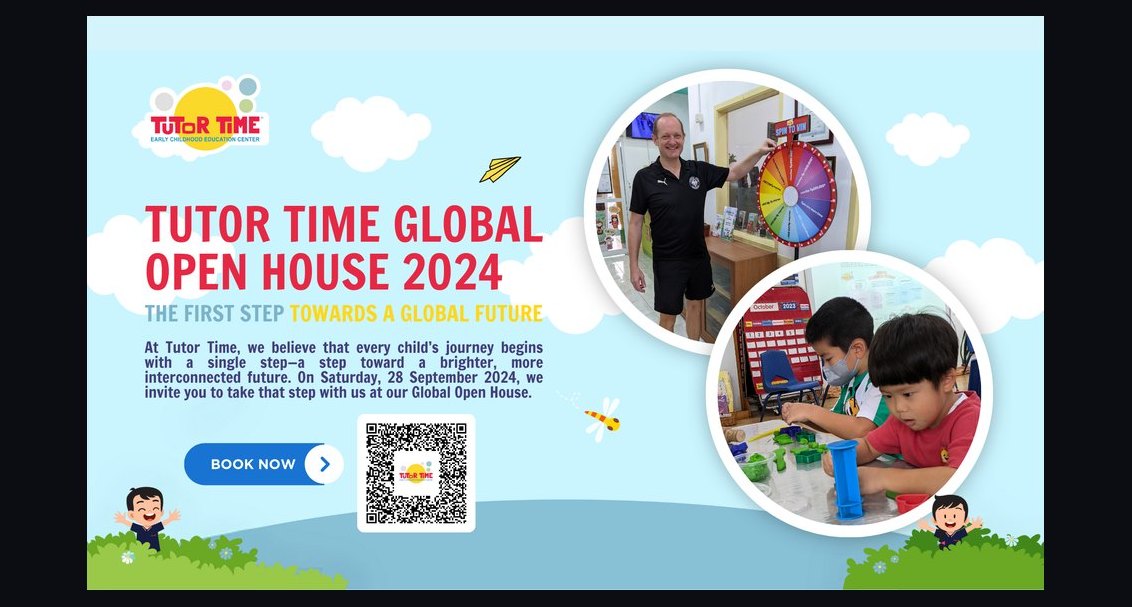 pulse-qShould I open or buy a Tutor Time franchise in 2027?
 pulse-qShould I open or buy a Krispy Kreme franchise in 2027?
 pulse-qHow Many Salespeople Should I Schedule on My Auto Dealership Floor Each Day in 2026?
 pulse-qHow Do I Score My CSMs on Retention and Expansion in 2026?
 pulse-qShould I open or buy a Woof Gang Bakery franchise in 2027?
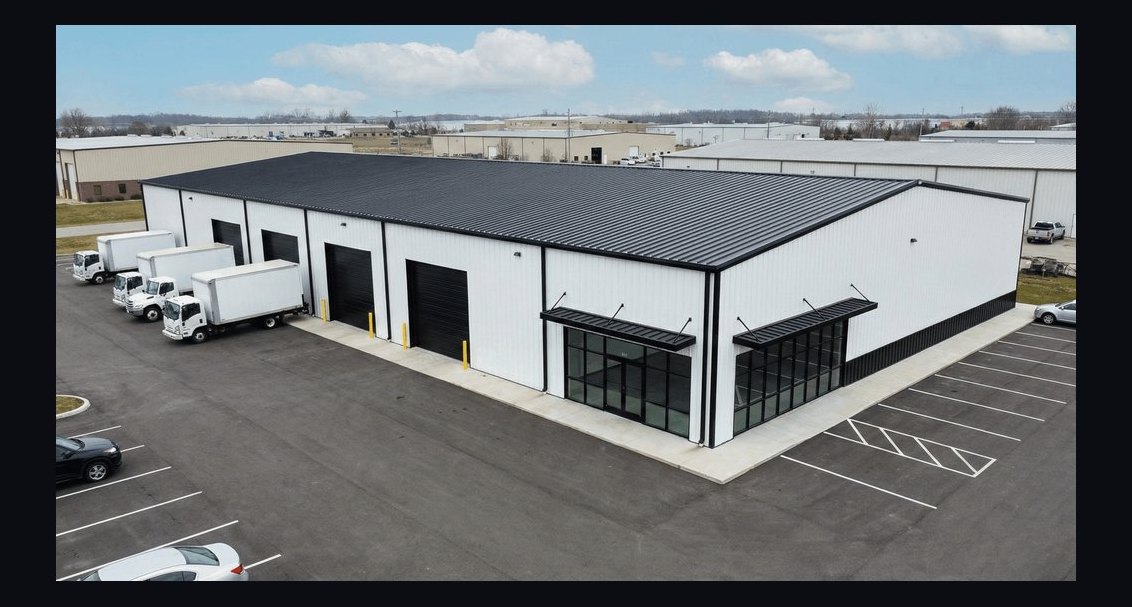 pulse-qShould I Buy My Commercial Building Through a Separate LLC in 2026?
 pulse-qHow do you rebuild a sales team's trust in the forecast after a mid-year CRM migration corrupts historical pipeline data in 2027?
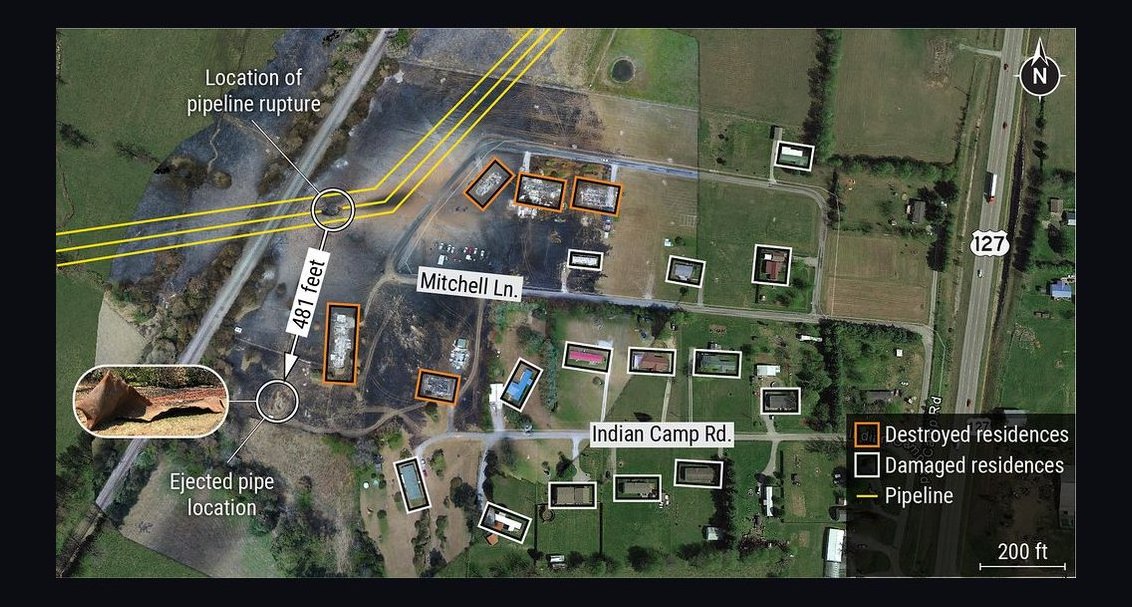 pulse-qHow do you handle a rep who sandbags their pipeline to avoid quota increases in 2027?
 pulse-qShould I open or buy a The NOW Massage franchise in 2027?