
Should I open or buy a The NOW Massage franchise in 2027?
 Curated byKory White · Fractional CRO · Maryland
 PULSEKNOWLEDGE LIBRARY
Quality
Certified

For most first-time operators in 2027, opening a The NOW Massage franchise is a defensible bet only if you can fund $500,000–$900,000 and personally drive licensed-therapist recruiting, because staffing—not demand—is the binding constraint. Buying an existing studio trades that build risk for a proven P&L, but you inherit whatever staffing and retention problems the seller is exiting.
The outcome you should expect
Walk in with realistic expectations and the math gets friendlier. A mature The NOW Massage studio typically grosses somewhere between $700,000 and $1,500,000 annually, with owner earnings landing in the $110,000–$320,000 band. The spread is enormous, and it is not random: the top of that range is reserved for locations that combine three things—an affluent, design-conscious catchment area, a membership base that renews quietly month after month, and a therapist roster that does not churn. Miss any one and you slide toward the bottom or below it.
The reason the outcome distribution is so wide is that boutique massage is a capacity-constrained business dressed up as a retail business. You are not selling a product off a shelf; you are selling booked hours of a licensed human being's time. Every empty treatment room is revenue you can never recover, and every therapist who quits takes their regulars with them. So the operator who treats this like a staffing company with a beautiful storefront outperforms the operator who treats it like a storefront that happens to employ people. That distinction is the whole game, and it is why the same brand, same buildout, and same marketing budget can produce a $110K owner or a $320K owner in adjacent zip codes.

It also helps to separate the two paths you are actually choosing between. Opening means you control site selection, you build the culture from day one, and you capture the full upside—but you also eat the ramp, the pre-sale grind, and the inevitable first-year therapist scramble. Buying means the studio already has members, already has a schedule, and already has a team, so you inherit cash flow on day one. What you cannot see in the listing is why the seller is leaving. Sometimes it is retirement or a portfolio rebalance. Sometimes it is a lease renewal they do not want to sign, a manager who is about to quit, or a membership base that has been quietly eroding for three quarters. Diligence on a purchase is therefore mostly a staffing and retention audit, not a real estate tour.
For a wellness-minded operator who genuinely enjoys the people side of the business, the expected outcome is a solid, defensible, cash-flowing small business with a premium brand halo. For an absentee investor who wants a manager to run it, the expected outcome is closer to a slow bleed, because the therapist relationships are the asset and they do not transfer through an org chart.

What drives that outcome
The single most useful mental model is to trace where a dollar of gross revenue actually goes, because the levers that move owner earnings are all downstream of staffing and retention. Start with a studio doing roughly $1.1M in annual gross revenue—a good but not exceptional mature unit—and follow the money.
Notice that labor is the biggest single line and also the one most within your control. A studio paying therapists $30–$45 per hour plus tips and keeping them for years runs a very different P&L than one paying $25–$30 and re-hiring every six months, because the second studio spends constantly on recruiting, loses the member who was loyal to a specific therapist, and never gets the schedule density that makes the room-hour math work.
The royalty and marketing fee—roughly 6%–7% and about 2% of gross respectively—are largely fixed once you sign, so they are not levers. Rent is a lever only at signing. That leaves labor efficiency and membership retention as the two things you can actually manage week to week, and they are the same thing viewed from two angles: a full, stable schedule is what keeps members renewing, and stable therapists are what keep the schedule full.

The sequencing matters more than most people expect. Franchisees who recruit therapists *before* the buildout is finished open with a full book of appointments on day one; those who wait until the doors open spend the first ninety days with a beautiful, empty studio and a marketing budget burning down. Pre-selling founding memberships during construction does double duty: it validates that the trade area will actually pay a premium price, and it gives you cash and a demand signal to justify aggressive therapist hiring.
This is also where a RevOps mindset earns its keep, even in a business that looks nothing like a software company. Treat therapist capacity as inventory, member churn as a retention pipeline, and the booking calendar as your one true dashboard. If you would not run a revenue team without a funnel model, do not run a studio without a forward-looking capacity-versus-demand view by week.
Benchmarks and realistic ranges
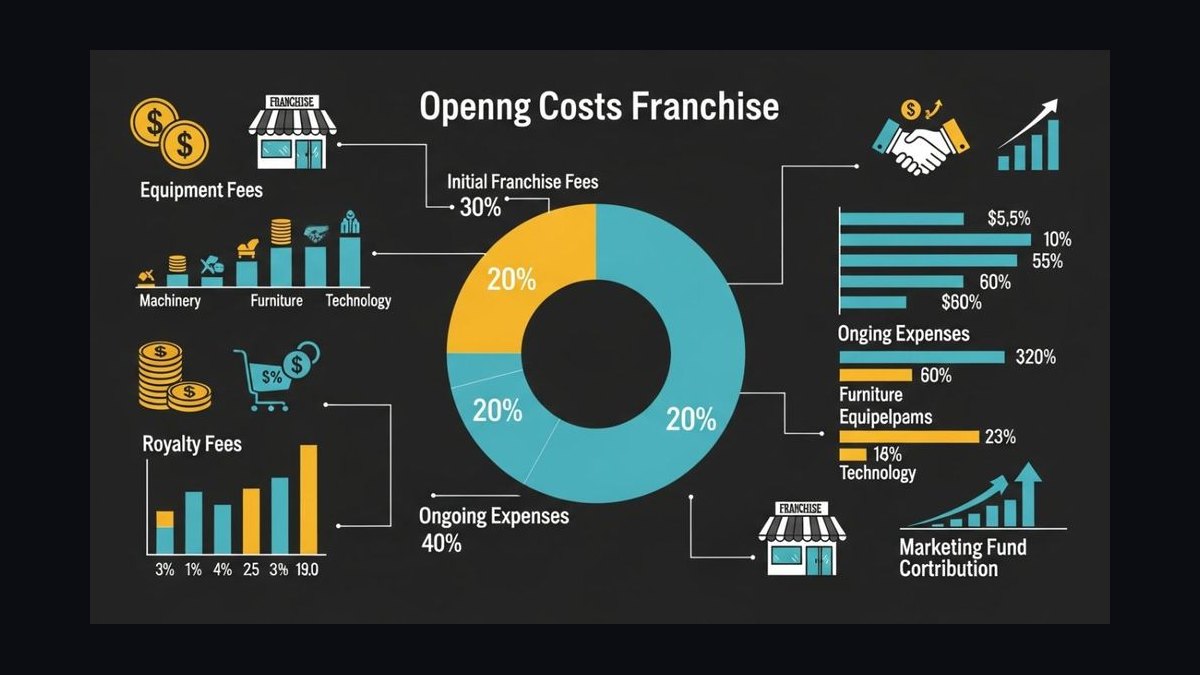
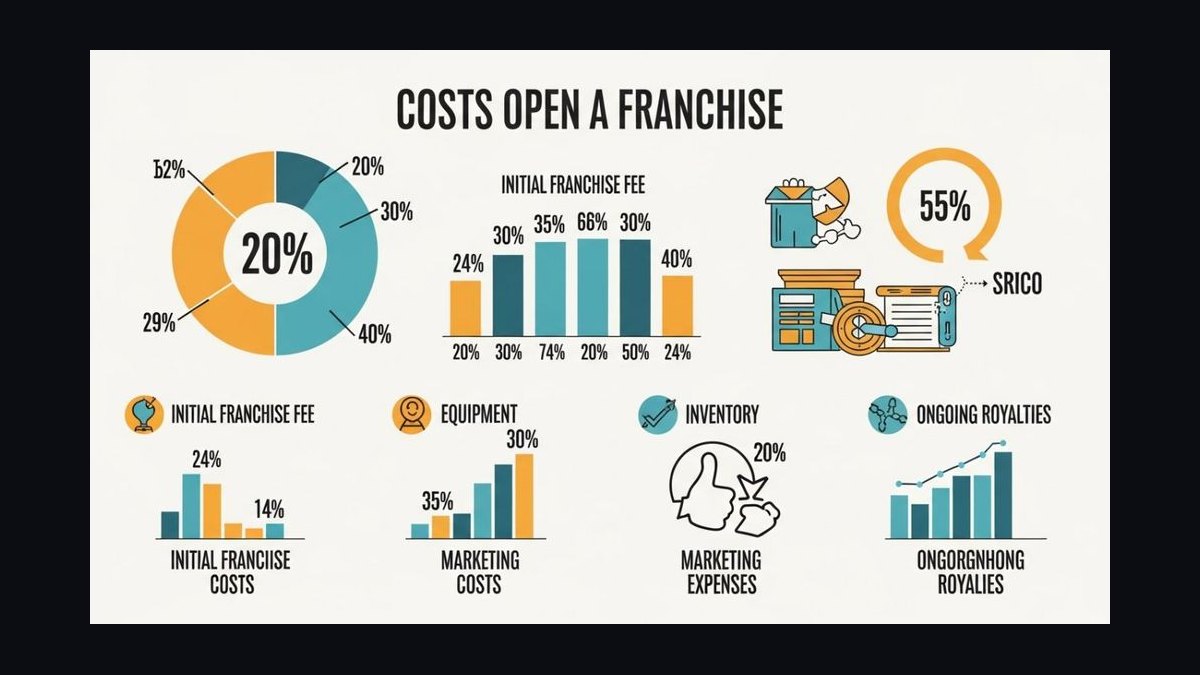
Numbers keep you honest, so anchor on ranges rather than a single projection. The franchise fee sits around $50,000–$60,000. Buildout and leasehold improvements run $260,000–$520,000 because the design-forward aesthetic—mood lighting, natural materials, soundproofing, curated decor—costs meaningfully more than a clinical fit-out. Equipment and furnishings add $80,000–$170,000, signage and decor $25,000–$70,000, initial inventory $10,000–$28,000, and initial marketing $25,000–$60,000. Training and travel run $12,000–$32,000, and you should hold $40,000–$100,000 in working capital to cover the first three to six months. Total Item 7 investment lands at roughly $500,000–$900,000.
On the revenue side, session pricing is the tell. A premium boutique concept typically charges in the $89–$129 per session range, versus roughly $59–$79 at the large clinical chains. That pricing premium is real and it is the reason the model can support higher therapist pay, which in turn is the reason it can attract and keep better therapists. But it also means you are fishing in a smaller pond: the customer who will pay $110 for a massage is not the same volume customer who will pay $65, and there are fewer of them per square mile.

Owner earnings of $110,000–$320,000 on $700,000–$1,500,000 gross implies net margins in the mid-teens to low-twenties, which is healthy for a service business with a physical footprint. The way you get to the top of that range is schedule density. A studio with twelve treatment rooms running 70% utilization at $110 average ticket looks dramatically different from the same studio running 45% utilization, and the difference is almost entirely a function of whether you have enough therapists to fill the rooms and enough members to fill the therapists.
Two comparable benchmarks worth holding in mind. First, the large membership-massage chains have far more locations and lower price points, which means their unit economics depend on volume and their brand recognition does a lot of the customer acquisition for them. You are trading that recognition for a higher price point and a differentiated experience. Second, independent boutique studios have no royalty and no brand fee but also no playbook, no national marketing, and no support when a therapist walks. The franchise sits between those two poles, and whether that middle position is worth 6%–7% of gross depends entirely on how much you actually use the system's support.
Risks, edge cases, and failure modes
The dominant risk is therapist supply, and it deserves more than a sentence. Licensed massage therapists increasingly prefer independent work—many earn $60–$100 per hour at spas or through on-demand apps—over traditional franchise employment at $25–$40 per hour plus tips. Your premium price point lets you pay $30–$45 per hour plus tips, which is competitive, but money alone does not win. Therapists leave over scheduling inflexibility, feeling like a cog in a corporate machine, and physical burnout from back-to-back deep-tissue sessions. Practical countermeasures: build a pipeline with local massage schools, offer $1,000–$2,000 signing bonuses for experienced therapists, run a four-day workweek where you can, provide real benefits like health insurance and paid time off, and tie a bonus to member retention so your best therapists are rewarded for the thing that actually drives your P&L. Budget 20%–30% of your management time on therapist issues in the first two years; if you cannot stomach that, this is the wrong business.
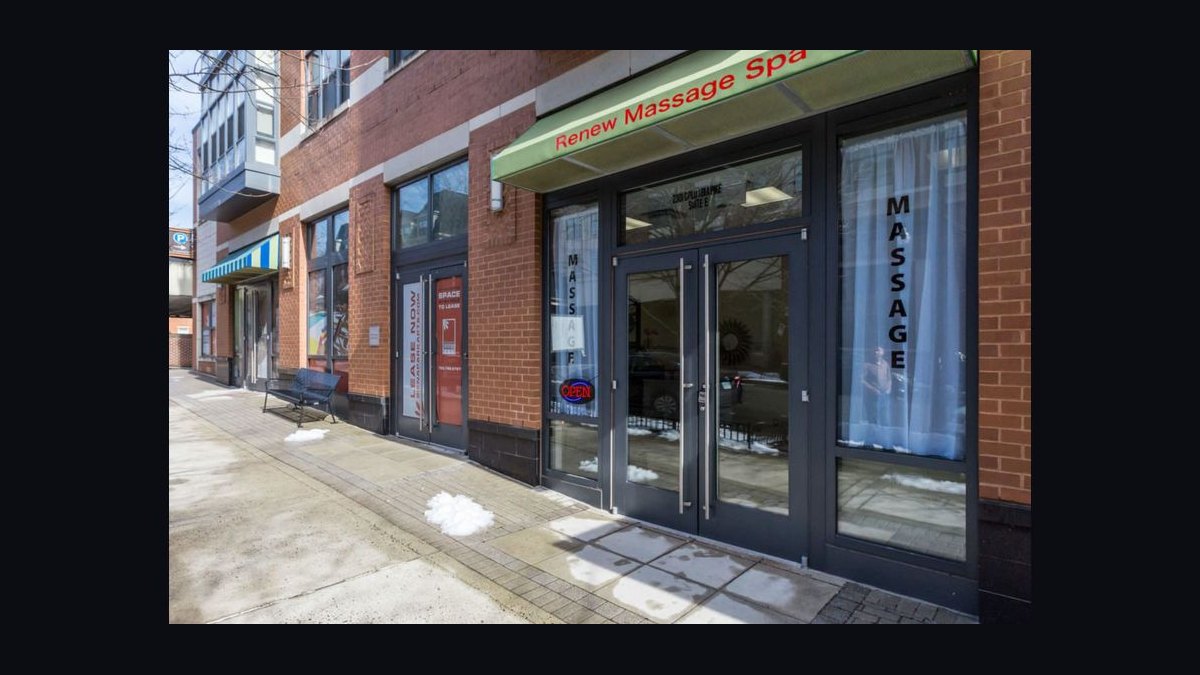
The second failure mode is the wrong trade area. A design-forward, $110-per-session concept needs households with real discretionary income and a cultural appetite for self-care. Put it in a value-oriented suburb and you will watch your price point repel the very customers your buildout was designed to attract. Secondary markets can work beautifully—suburbs of Austin, Nashville, or Denver often carry 20%–40% lower rent while still supporting premium pricing—but only if the demographics genuinely support it.
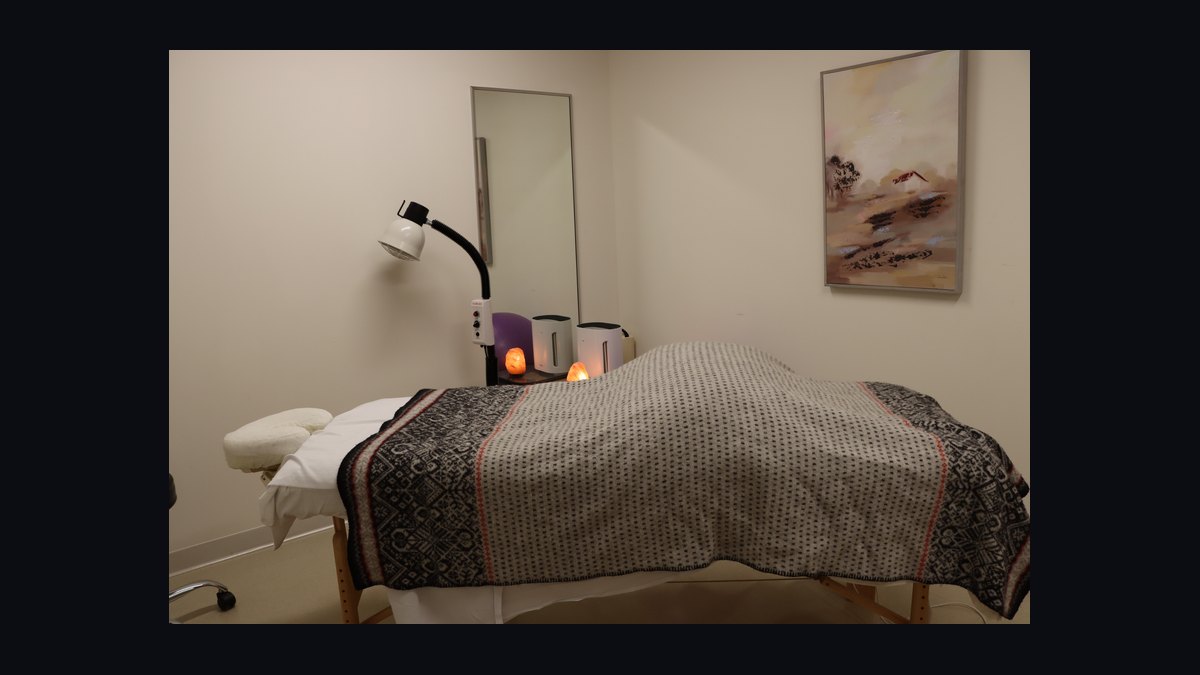
The third is the lease. Triple-net rents of $3,000–$8,000 per month are normal, and tenant improvements of $150,000–$300,000 are needed to hit the brand aesthetic. Co-tenancy clauses are increasingly common, meaning your rent or your right to operate can be affected if an anchor tenant like a grocery store or a high-end gym vacates. Read those clauses carefully. Also verify local zoning: some municipalities restrict massage establishments or require special permits, and discovering that after you sign a lease is an expensive lesson.
The fourth, specific to buying rather than opening, is inherited rot. A studio for sale may have a membership base that looks healthy on the surface but is actually a cohort of aging members who joined at a lower grandfathered rate and never upgraded. Look at the trailing twelve months of membership adds, cancels, and average revenue per member—not just the headline count. And the fifth is a younger-system risk: fewer mature units means fewer proven playbooks, less national brand awareness, and support infrastructure that is still maturing. That is a real trade-off, not a dealbreaker, but price it in.
A practical rollout plan
Give yourself a hundred-plus days of disciplined work before you commit capital, whether you are opening or buying.
Days 1–20: read the current Franchise Disclosure Document cover to cover, with particular attention to Item 19 financial performance representations if provided, Item 20 unit counts and turnover, and Item 7 investment ranges. If you are buying, request the same documents plus three years of tax returns, the POS membership ledger, and the therapist roster with tenure dates.
Days 21–40: interview at least five existing operators, and ask the uncomfortable questions—therapist turnover rate, how long the last open therapist req took to fill, membership churn by month, what corporate support actually delivered versus promised, and what they would do differently. Ask specifically about the transition from opening to steady state, because that is where most of the pain hides.

Days 41–60: validate the trade area with real data, not vibes. Household income, competing studios within a fifteen-minute drive, foot traffic patterns, and the presence of complementary businesses like boutique fitness and healthy cafés. If you are buying, spend a full week on site watching the schedule fill and empty.
Days 61–100: for a new build, lock the lease with co-tenancy protection, begin construction, and start recruiting therapists immediately—do not wait for the paint to dry. For an acquisition, negotiate a transition period where the seller stays engaged for thirty to sixty days and, ideally, a portion of the purchase price is tied to retention of key therapists and members.

Days 101–130: pre-sell founding memberships aggressively during construction or transition, then open or take over with a schedule that is already meaningfully full. Track weekly capacity utilization and monthly member churn from day one.
Beyond that, the playbook is boring and effective: keep therapists, keep members, keep the schedule dense. Once a unit is stable and you have a manager who owns the therapist relationships, a second unit in an adjacent affluent market is a reasonable next step, because your recruiting pipeline and your management systems are already built.
Related questions
Is it better to open or buy a The NOW Massage franchise?
Buying is faster and lower-risk if the studio's members and therapists are genuinely stable, but you inherit hidden problems. Opening costs more time and ramp but lets you build the culture and staffing from scratch. Choose based on your tolerance for build risk versus diligence risk.
How much capital do I need?
Plan for $500,000–$900,000 total investment plus $175,000–$300,000 in liquid funds. Buildout, tenant improvements, and working capital are the big buckets. Lenders often want to see liquidity covering a meaningful share of the total.
How long until a new studio is profitable?
Expect six to twelve months from signing to opening, then another twelve to twenty-four months to reach stable membership density. Studios that pre-sell memberships and pre-hire therapists compress that timeline significantly.
What is the biggest reason these studios fail?
Therapist scarcity. Without a stable roster, rooms sit empty, members leave when their regular therapist leaves, and the fixed costs of rent and royalty crush a thin margin.
Do I need to be a massage therapist myself?
No, but you need to respect the craft and manage therapists well. Operators who treat therapists as interchangeable labor consistently underperform those who build genuine retention programs.
FAQ
What is the total investment to open a The NOW Massage franchise? Roughly $500,000 to $900,000, including a franchise fee of about $50,000–$60,000, buildout of $260,000–$520,000, equipment and furnishings of $80,000–$170,000, plus marketing, inventory, training, and $40,000–$100,000 in working capital.
What does a mature studio earn? Mature studios commonly gross $700,000 to $1,500,000 with owner earnings of $110,000 to $320,000. Results vary widely with trade-area affluence, therapist retention, and membership density.
What are the ongoing fees? Expect a royalty around 6%–7% of gross revenue plus a marketing fee near 2%. These are contractual and generally not negotiable, so model them into your unit economics before you sign.
How do I solve therapist staffing? Recruit before you open, partner with local massage schools, pay competitively at $30–$45 per hour plus tips, offer signing bonuses, and build scheduling flexibility and benefits. Retention beats recruiting—every time.
Can I get financing? The franchisor typically does not lend directly but may point you to third-party lenders familiar with the concept. SBA loans and conventional small-business financing are common paths.
Is the franchise fee negotiable? Generally no. It covers initial training, site selection support, and access to the brand's operating system and treatment menu.
Sources
- Federal Trade Commission — Franchise Disclosure Documents and Buyer's Guide
- U.S. Bureau of Labor Statistics — Massage Therapists Occupational Outlook
- International Franchise Association — Franchise Economic Outlook
- Small Business Administration — SBA Loan Programs
- Entrepreneur — Franchise 500 and Franchise Listings
- Franchise Business Review — Franchisee Satisfaction Research
- Associated Bodywork & Massage Professionals
- The NOW Massage Official Site
Related on PULSE
- [Should I open or buy a Massage Envy franchise in 2027?](/knowledge/q14571)
- [Should I open or buy a Hand and Stone Massage franchise in 2027?](/knowledge/q14572)
- [Should I open or buy a Massage Heights franchise in 2027?](/knowledge/q14820)
- [Should I open or buy an Elements Massage franchise in 2027?](/knowledge/q14980)
- [Should I open or buy a LaVida Massage franchise in 2027?](/knowledge/q15456)
This page will be disappearing soon. Save it to your device for $1 — or read it free while it is here.
@Kory-White- · if Venmo asks, the last 4 of my number are 2012
This page is gone.
This one is off the shelf now. $1 keeps it on your phone for good — the whole page, pictures and diagrams included.
 pulse-qShould I open or buy a Main Event Entertainment franchise in 2027?
 pulse-qShould I Repair or Replace My Delivery Fleet Vehicles as My Landscaping Business Scales in 2027?
 pulse-qHow Do I Score My CSMs on Retention and Expansion?
 pulse-qShould I open or buy a Chipotle franchise in 2027?
 pulse-qShould I open or buy a Roof Maxx franchise in 2027?
 pulse-qWho Pays for the Demising Wall Between Tenant Spaces?
 pulse-qShould I open or buy a Golden Corral franchise in 2027?
 pulse-qShould I Hire a Fractional CFO Before Renewing My Commercial Insurance Policy in 2027?
 pulse-qHow Many Recruiters Do I Need to Hire for My Staffing Agency to Hit Its Placement Goal?
 pulse-qShould I open or buy a Krispy Kreme franchise in 2027?