 Pulse Reviews and Analysis
What round-robin routing rules prevent rep cherry-picking in 2027?
 Curated by Kory White · Fractional CRO, CRO Syndicate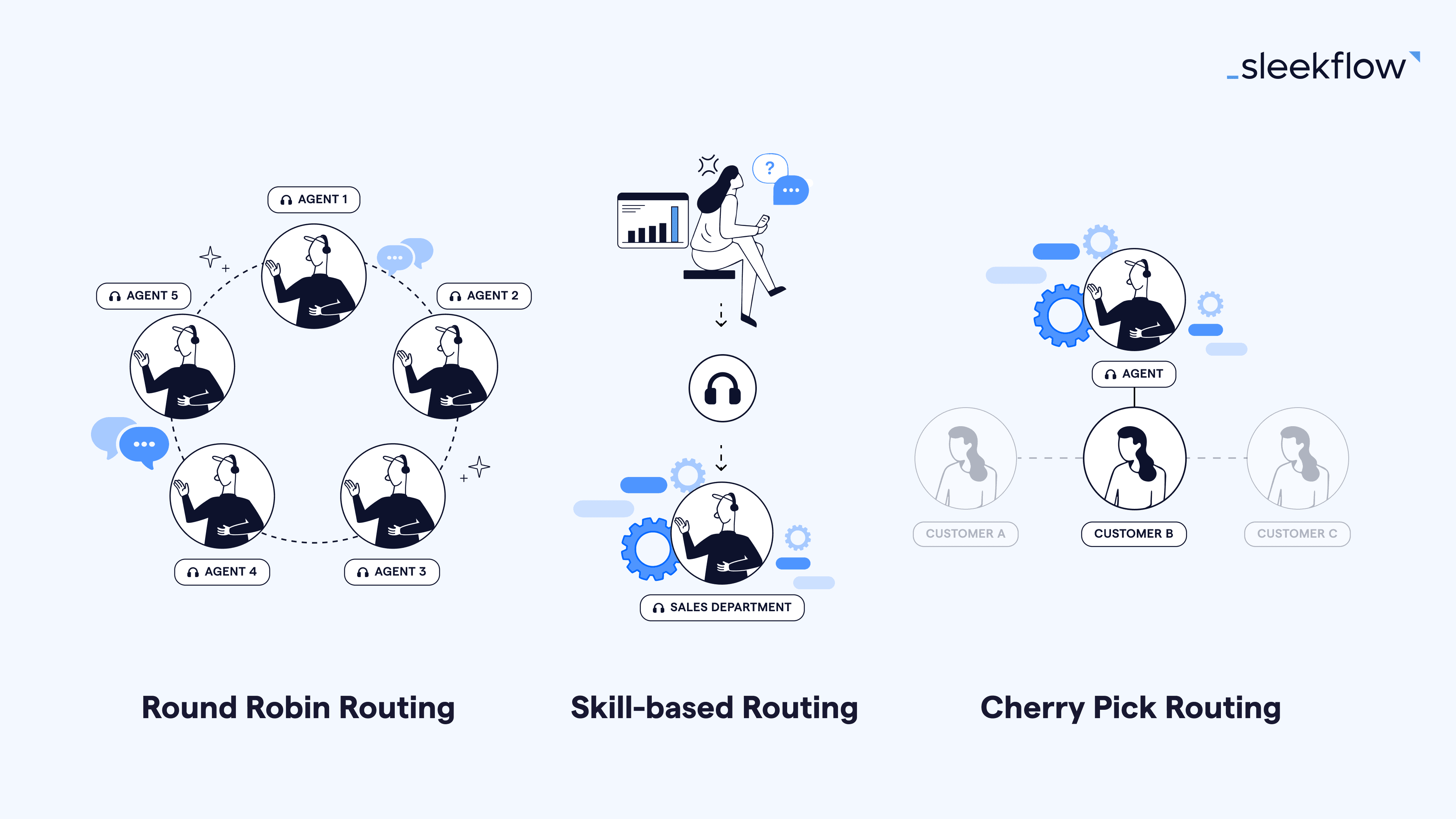
Direct Answer
To prevent rep cherry-picking in 2027, RevOps must deploy round-robin routing rules that layer lead scoring, buying committee size, and deal velocity history on top of traditional sequential assignment. The core tactic is to replace pure round-robin with a weighted round-robin that factors in rep capacity, skill match, and past conversion rates for similar account profiles.
Additionally, enforce mandatory qualification gates (e.g., BANT or MEDDICPIC) before a lead can be routed, and use AI-driven anomaly detection to flag patterns like reps pausing leads or delaying follow-ups. This eliminates cherry-picking by making the routing logic transparent, data-driven, and auditable in real time.
The 2027 Reality: Why Cherry-Picking Is Still a Problem
By 2027, the B2B sales environment has shifted dramatically. Buying committees now average 11–14 stakeholders (Gartner), deal cycles stretch 6–9 months, and AI co-pilots handle 40% of initial outreach (McKinsey). This complexity makes cherry-picking more tempting: reps want the easy, high-intent leads and avoid the long, committee-heavy deals.
Vendor consolidation (e.g., Salesforce + Slack + Tableau, HubSpot + Operations Hub) means data is centralized, but routing logic often lags. Without robust rules, reps game the system by:
- Pausing leads in CRM to skip their turn.
- Rejecting leads with low scores or small account sizes.
- Manually reassigning leads to junior reps.
The fix: intelligent round-robin that adapts to real-time behavior and account complexity.
Rule 1: Weighted Round-Robin with Capacity Caps
Pure round-robin (rep A, then B, then C) is dead. In 2027, use weighted round-robin where each rep gets a "score" based on:
- Current deal load (open opportunities >$50k).
- Historical conversion rate for similar ICPs.
- Skill tags (e.g., enterprise vs. SMB, MEDDICPIC certified).
Example logic in a Salesforce + Clari integration: Rep A has 3 active deals (capacity 80%), Rep B has 1 (capacity 95%), Rep C has 5 (capacity 60%). The next lead goes to Rep B because they have the most bandwidth and a 40% conversion rate on mid-market accounts. This is not a simple queue—it's a dynamic allocation.
This flowchart shows the decision tree: leads must pass a score threshold (e.g., 50/100) before even entering the routing pool, then capacity is evaluated. This prevents reps from cherry-picking only high-score leads.
Rule 2: Buying Committee Routing
In 2027, deals with >5 stakeholders have a 30% lower rep conversion rate (Gong Labs). To avoid reps dodging these, enforce committee-aware routing:
- Mandatory committee detection: Use Gong or Chorus to analyze call transcripts and identify decision-makers. If the lead has 3+ contacts from different departments (e.g., IT, Finance, Ops), flag it as "committee deal."
- Weighted assignment: Committee deals go to reps with proven multi-stakeholder skills (e.g., certified in Challenger or MEDDICPIC). Non-committee deals go to junior reps or SDRs.
- Penalty for avoidance: If a rep rejects a committee deal, they lose their next two turns in the round-robin.
This ensures the hardest deals land on the best reps, not the ones who avoid complexity.

👉 Quick Call with Kory White, Fractional CRO · See Kory on LinkedIn · CRO Syndicate
Rule 3: Velocity-Based Routing
Cherry-pickers love fast-closing deals. Counter this with velocity routing:
- Track historical velocity: For each account type (e.g., $10k ARR, 3-month cycle), calculate average time-to-close. In Salesforce, use a formula field:
(CloseDate - CreatedDate). - Route by velocity band: Slow deals (6+ months) go to reps with high patience scores (e.g., low early-stage churn). Fast deals (under 3 months) go to reps with high close rates.
- Randomize within bands: Within each velocity band, use a randomized round-robin to prevent reps from predicting the next lead.
This breaks the pattern: reps can't cherry-pick by speed because they don't know which band the next lead will fall into.
Rule 4: AI-Driven Anomaly Detection
Even with rules, reps will try to game the system. Use AI co-pilots (e.g., Outreach or Salesloft with AI add-ons) to detect:
- Lead pausing: If a rep pauses a lead for >48 hours without activity, flag it. The AI reassigns the lead to the next rep in queue.
- Rejection patterns: If a rep rejects 3+ leads in a row, escalate to manager. This is a red flag for cherry-picking.
- Call avoidance: If a rep only sends emails (no calls) for committee deals, the AI forces a call task.
These rules are enforced in real-time via HubSpot Operations Hub or Salesforce Flow. The AI logs every action, creating an audit trail.
This loop shows how AI monitors every rep action and triggers corrective actions—no manual oversight needed.
Rule 5: Transparent Scoring and Auditing
Cherry-picking thrives on opacity. Make routing rules visible to reps:
- Dashboard in CRM: Show each rep their "routing score" (capacity, skill, velocity) and why they got a specific lead. Use Tableau or Power BI embedded in Salesforce.
- Weekly audits: Use Clari to generate reports on lead acceptance rates, rejection patterns, and time-to-activity. Any rep with >20% rejection rate gets a coaching session.
- Manager alerts: If a rep's cherry-picking score (e.g., % of leads accepted from high-score band) deviates by >2 standard deviations from team average, send a Slack alert.
This transparency reduces gaming because reps know they're being watched.
FAQ
What is the minimum lead score to enter round-robin routing? The threshold depends on your ICP. For B2B SaaS, a score of 50/100 (based on firmographics + intent data) is standard. Below that, leads go to a nurture sequence in HubSpot or Marketo.
How do you handle leads with multiple contacts from the same company? If a lead has 3+ contacts from the same company, it's treated as a buying committee deal and routed to a senior rep. Use Salesforce Account Hierarchy to deduplicate.
Can reps swap leads with each other? Yes, but only with manager approval and a mandatory 24-hour cool-down. The swap is logged in Gong for call analysis to ensure no cherry-picking.
What if a rep is on vacation? Set a vacation flag in your CRM (e.g., Salesforce). The round-robin skips them and redistributes their load to the next available rep. Use Outreach to auto-pause sequences.
How do you prevent AI from making biased routing decisions? Audit the AI model quarterly for bias (e.g., against small accounts or specific industries). Use Bessemer or Gartner frameworks for ethical AI. Also, allow reps to dispute routing decisions via a Slack bot.
Is round-robin still effective for enterprise deals (>$100k)? No. For enterprise, use named account routing with a dedicated team. Round-robin works best for mid-market and SMB where volume is high.
Sources
- Gartner: The Future of Sales Routing in 2027
- Forrester: How AI Prevents Rep Cherry-Picking
- McKinsey: B2B Sales Trends for 2027
- Gong Labs: Buying Committee Impact on Deal Velocity
- SaaStr: Round-Robin Routing Best Practices
- Bessemer: Ethical AI in Sales Operations
- HubSpot: Operations Hub Routing Rules
- Salesforce: Flow for Lead Assignment
Bottom Line
Cherry-picking in 2027 is a data problem, not a people problem. By combining weighted round-robin, committee-aware routing, and AI anomaly detection, you create a system that rewards effort over gaming. The key is transparency: reps should see the rules, and managers should see the patterns.
Implement these rules in Salesforce or HubSpot with Clari for auditing, and you'll eliminate cherry-picking without micromanaging.
*Round-robin routing rules to prevent rep cherry-picking in 2027 must integrate weighted capacity, buying committee detection, and AI-driven anomaly detection for fair lead distribution.*