
How do you build a partner co-sell motion with deal registration in 2027?
 Curated byKory White · Fractional CRO · Maryland
 PULSEKNOWLEDGE LIBRARY
Building a partner co-sell motion with deal registration in 2027 requires a fundamentally AI-native approach where partner data is ingested into your core revenue stack (Salesforce, HubSpot, or a unified data platform) to trigger automated deal registration, joint forecasting, and dynamic commission splits. The 2027 reality—AI agents handling initial outreach, buying committees averaging 11–14 stakeholders, and vendor consolidation forcing partners to prove direct ROI—means deal registration must be a frictionless, real-time event that feeds into your MEDDIC or MEDDPICC qualification framework. You must treat partners as an extension of your sales team, using tools like Clari or Gong to analyze co-sell calls and automatically flag deal risk, while your CRM enforces registration rules (first-come, first-served or territory-based) without manual intervention. The goal is to reduce partner cycle time by 30–40% through AI-driven lead scoring and automated compliance checks, ensuring every registered deal has a clear path to close.
Why the 2027 Reality Demands a New Co-Sell Model
The traditional partner co-sell motion—emailing a spreadsheet, waiting for manual approval, and tracking registration in a silo—is dead. In 2027, AI agents handle initial prospecting and qualification for both direct and partner teams. According to Gartner estimates, by 2027, 60% of B2B sales interactions will involve AI-driven conversational agents. This means partner-sourced leads often arrive pre-scored by partner-facing AI tools (e.g., Outreach or Salesloft with AI copilots). Deal registration must be instantaneous: if a partner uploads a lead, your CRM must auto-match it against existing accounts, check for conflicts with other partners or direct reps, and issue a registration number within seconds. Longer cycles—often 9–18 months for enterprise deals—mean deal registration must include milestone-based checkpoints (e.g., demo completed, proof-of-concept started) to keep the partner engaged and earning.
Building the Core Co-Sell Process
Step 1: Define Deal Registration Rules in Your CRM
Your deal registration policy must be explicit and enforceable by your CRM (Salesforce or HubSpot). In 2027, this means configuring automated conflict resolution using real-time data. For example:
- First-come, first-served for net-new accounts.
- Territory-based for named accounts (aligned with your sales territories).
- Exclusion lists for existing direct-sales opportunities (e.g., accounts with active MEDDIC-qualified deals).
Use Salesforce CPQ or HubSpot CPQ to auto-generate registration terms, including discount tiers (e.g., 10–15% for registered deals) and commission splits (e.g., 70/30 partner/rep). The system should reject duplicate registrations and notify both the partner and your channel manager via Slack or email.
Step 2: Integrate Partner Data into Your Revenue Stack
You cannot build a co-sell motion without a unified data layer. In 2027, this often means a data warehouse (Snowflake, BigQuery) feeding into Clari or Gong for analysis. Partner deal registration data must flow into your forecasting model. For instance, if a partner registers a $500K deal with a 90-day expected close, your Clari instance should weight it at 60% probability (versus 80% for direct) until a joint call is recorded. Use Gong to analyze co-sell calls: if the partner’s rep dominates the conversation or the customer asks about competitors, the deal risk score increases, triggering an alert to your channel team.
Step 3: Automate Joint Qualification with MEDDIC/MEDDPICC
Every registered deal must go through a MEDDIC or MEDDPICC qualification within 7 days. Use an AI workflow in Salesforce or HubSpot to:
- Auto-send a qualification survey to the partner (e.g., “What are the Metrics the customer uses to measure success?”).
- Pull Champion data from LinkedIn or your CRM’s relationship graph (e.g., via Affinity or Crossbeam).
- Flag if the Decision Criteria are unclear—then schedule a joint call with a sales engineer.
This reduces the 30% of partner deals that stall due to poor qualification. According to Winning by Design research, co-sell deals with MEDDIC qualification close 25–35% faster than unqualified ones.
The Role of AI in Deal Registration and Co-Sell
AI-Powered Lead Scoring and Conflict Detection
In 2027, AI models (trained on historical partner deal data) score incoming registrations for likelihood to close. For example, a partner from a Bessemer-backed startup that has closed 3 deals with you in the past gets a higher score than a new reseller. The AI also checks for account conflicts by scanning your CRM’s opportunity history, email logs, and call transcripts (via Gong) to see if a direct rep has already engaged the buyer. If a conflict is detected, the system automatically escalates to a channel manager with a recommended resolution (e.g., split the deal 50/50).
Dynamic Commission Splits Based on Partner Contribution
Static commission splits are outdated. In 2027, use Salesforce Revenue Cloud or HubSpot Payments to dynamically calculate splits based on partner actions:
- If the partner sources the lead and runs the first demo: 70% partner, 30% direct.
- If the partner only introduces the contact: 20% partner, 80% direct.
- If the partner handles the entire sales cycle (with your team as backup): 90% partner, 10% direct.
These rules are enforced by your CRM, and payouts are automated via Stripe or Bill.com integrations.
Mermaid Flowchart: Decision Tree for Deal Registration
Mermaid Flowchart: Co-Sell Process Loop
Managing the Buying Committee in Co-Sell
In 2027, buying committees average 11–14 stakeholders (per Gartner data). Your co-sell motion must map these stakeholders and assign partner and direct reps to specific roles. Use MEDDPICC to track:
- Decision Criteria: What each stakeholder values (e.g., CIO cares about security, CFO about ROI).
- Champion: Who inside the customer is pushing for your solution.
- Paper Process: Procurement steps, which often require partner involvement for local compliance.
Use a tool like Crossbeam or Reveal to overlay partner-customer relationship maps. If the partner has a strong relationship with the CFO but not the CTO, assign your sales engineer to the CTO. This prevents the 40% of deals that stall because the partner only knows one stakeholder.
The 2027 Deal Registration Tech Stack: Automation and Compliance
In 2027, the deal registration process is no longer a manual form submission but a real-time, API-driven event. Your tech stack must include a Partner Relationship Management (PRM) platform (like PartnerStack or Impartner) that integrates natively with your CRM and a Revenue Intelligence tool (such as Clari or Gong). When a partner submits a lead, the PRM automatically cross-references it against your CRM for account overlaps, checks against a shared deal registration database for conflicts, and triggers a validation workflow. AI agents then verify the lead’s fit using historical data—e.g., matching company size, industry, and buying signals from intent data providers like 6sense or ZoomInfo. If the lead passes, the system assigns a unique registration number, locks the deal for 90–120 days (a common industry range), and updates the partner’s commission rate in your compensation tool (like Spiff or Xactly). This automation reduces manual approval time from days to seconds, with compliance checks—such as ensuring the partner hasn’t registered the same account with another vendor—handled by AI. In 2027, registration rules are dynamic, adjusting for territory exclusivity, partner tier (Gold vs. Silver), and deal size thresholds (e.g., deals under $50k auto-register, larger ones require manager review). This tech stack ensures partners see immediate value, reducing friction and increasing registration volume by an estimated 25–40% based on industry benchmarks.
Joint Forecasting and Dynamic Commission Splits in 2027
A co-sell motion in 2027 demands joint forecasting where partners and your direct team share a single source of truth. Use a platform like Clari to ingest partner deal registrations, pipeline data, and activity signals (e.g., meeting frequency, proposal sends) into a unified forecast. AI models predict close probabilities per partner, factoring in historical win rates and buying committee engagement (11–14 stakeholders typical). This forecast feeds into your MEDDPICC qualification, automatically flagging deals missing key criteria like a champion or economic buyer. For commission splits, dynamic rules are essential. In 2027, common splits range from 70/30 (direct/partner) for partner-sourced deals to 50/50 for co-sold deals, with adjustments based on partner tier and deal complexity. Tools like Spiff or Everstage automate these splits in real time, triggered by deal registration status. For example, if a partner registers a deal and your direct rep later contributes a technical demo, the system recalculates the split based on activity logs from your CRM and call recordings. This transparency builds trust; partners see their earnings calculated instantly via a partner portal. According to Forrester estimates, companies using dynamic splits see a 15–20% increase in partner engagement because compensation is fair and immediate. Joint forecasting also enables quarterly business reviews (QBRs) where both sides review pipeline health, registration accuracy, and mutual account plans, ensuring alignment in a vendor-consolidation environment.
Measuring Co-Sell Success: KPIs and Partner Health Scores in 2027
To validate your co-sell motion in 2027, track KPIs beyond deal registration volume. Focus on partner-influenced revenue (PIR) as a percentage of total pipeline, with a target of 20–35% for mature programs. Also monitor registration-to-close ratio—top partners should see 30–50% of registered deals close within 120 days. Use a partner health score (0–100) based on metrics like registration frequency, lead quality (matched against your ICP), co-sell call participation, and compliance with registration rules. Tools like PartnerStack or Impartner calculate this automatically, flagging partners below 60 for coaching or tier downgrade. In 2027, AI agents also analyze partner behavior: if a partner consistently registers deals that stall in qualification, the system prompts a joint call with your sales development team. Conversely, high-scoring partners get priority access to deal registration slots, co-marketing funds, and early product launches. Another key metric is time-to-registration: the time from partner lead capture to registration approval. Aim for under 5 minutes, with AI handling 90% of approvals. Finally, conduct quarterly partner satisfaction surveys (e.g., using SurveyMonkey or Qualtrics) to gauge ease of registration, commission clarity, and overall trust. In 2027, partners who rate your program 8+ out of 10 are 3x more likely to prioritize your deals over competitors. These KPIs ensure your co-sell motion is data-driven, adaptive, and partner-centric.
FAQ
How do I prevent partner channel conflict with direct sales? Use a deal registration policy enforced by your CRM. Set up automated conflict detection: if a direct rep has an active opportunity (with a MEDDIC score above 50) at the same account, the partner’s registration is flagged. The system then offers a split commission (e.g., 50/50) or routes to a channel manager for manual resolution. Tools like Salesforce Territory Planning or HubSpot Teams can automate this.
What is the best way to track partner co-sell activities in 2027? Use Gong to record and analyze all joint calls, and Clari to forecast partner-influenced deals. Set up custom fields in Salesforce (e.g., “Partner Registration ID,” “Co-Sell Stage”) that sync with your partner portal. Automate logging: when a partner sends a meeting invite, your CRM should auto-create a task and associate it with the registration.
How do I handle deal registration for large enterprises with long cycles? Implement milestone-based registration that requires the partner to update the deal stage every 30 days (e.g., from “Qualified” to “Demo Completed” to “POC Started”). If the partner fails to update, the registration expires and the deal reverts to open territory. Use Salesforce CPQ to auto-extend registration if the partner submits a valid reason (e.g., “Customer paused for budget”).
What metrics should I use to measure partner co-sell success? Track partner-sourced pipeline velocity (days from registration to close), partner-attached win rate (compare to direct), and partner contribution margin (revenue minus partner commission). Also measure deal registration compliance (percentage of deals registered before first contact) and co-sell call quality (via Gong’s AI scoring).
Can I use AI to automate partner onboarding for co-sell? Yes. In 2027, AI agents (e.g., Outreach AI or Salesloft Copilot) can guide partners through your deal registration process via a chatbot. The bot asks qualification questions, checks for conflicts, and schedules the first joint call. This reduces onboarding time from 2 weeks to 2 days.
How do I handle international partners with different legal requirements? Use Salesforce CPQ with Apttus or Zoura to generate region-specific deal registration terms (e.g., GDPR compliance for EU partners, data residency for APAC). Automate contract generation: when a partner registers a deal in Germany, the system auto-applies German law clauses and tax rules.
Related on PULSE
- What is the RevOps playbook for partner deal registration conflicts during channel co-sell on Salesforce when no dedicated RevOps hire yet ?
- What is the RevOps playbook for partner deal registration conflicts during channel co-sell on Salesforce when parent-company rollup reporting ?
- What is the RevOps playbook for partner deal registration conflicts during channel co-sell on Salesforce when sales on Outreach ?
- What is the RevOps playbook for partner deal registration conflicts during channel co-sell on Salesforce when no dedicated RevOps hire yet ?
- What is the RevOps playbook for partner deal registration conflicts during channel co-sell on Salesforce when parent-company rollup reporting ?
- What is the RevOps playbook for partner deal registration conflicts during channel co-sell on Salesforce when sales on Outreach ?
Sources
- Gartner: The Future of Sales in 2027
- Forrester: Partner Ecosystem Orchestration
- McKinsey: The Partner-Led Growth Playbook
- Gong Labs: Co-Sell Call Analysis Best Practices
- SaaStr: How to Build a Partner Co-Sell Motion
- Bessemer Venture Partners: Cloud 100 Partner Playbook
- Winning by Design: MEDDIC for Partner Sales
- Salesforce: Deal Registration Best Practices
- HubSpot: Partner Program Automation
- Clari: Forecasting with Partner Data
Bottom Line
Building a partner co-sell motion with deal registration in 2027 means automating every step—from lead submission to commission payout—using AI and your CRM as the central nervous system. The key is to treat partners as data sources and co-sellers, not just lead passers, and to enforce MEDDIC qualification and conflict resolution with zero manual effort. This approach reduces cycle time, improves win rates, and makes partners a predictable revenue channel.
*Partner co-sell motion with deal registration in 2027 requires AI-native automation, MEDDIC qualification, and real-time CRM enforcement for predictable partner revenue.*
This page will be disappearing soon. Save it to your device for $1 — or read it free while it is here.
@Kory-White- · if Venmo asks, the last 4 of my number are 2012
This page is gone.
This one is off the shelf now. $1 keeps it on your phone for good — the whole page, pictures and diagrams included.
 revopsWhy are longer sales cycles in 2027 driving adoption of AI-based meeting summarization tools?
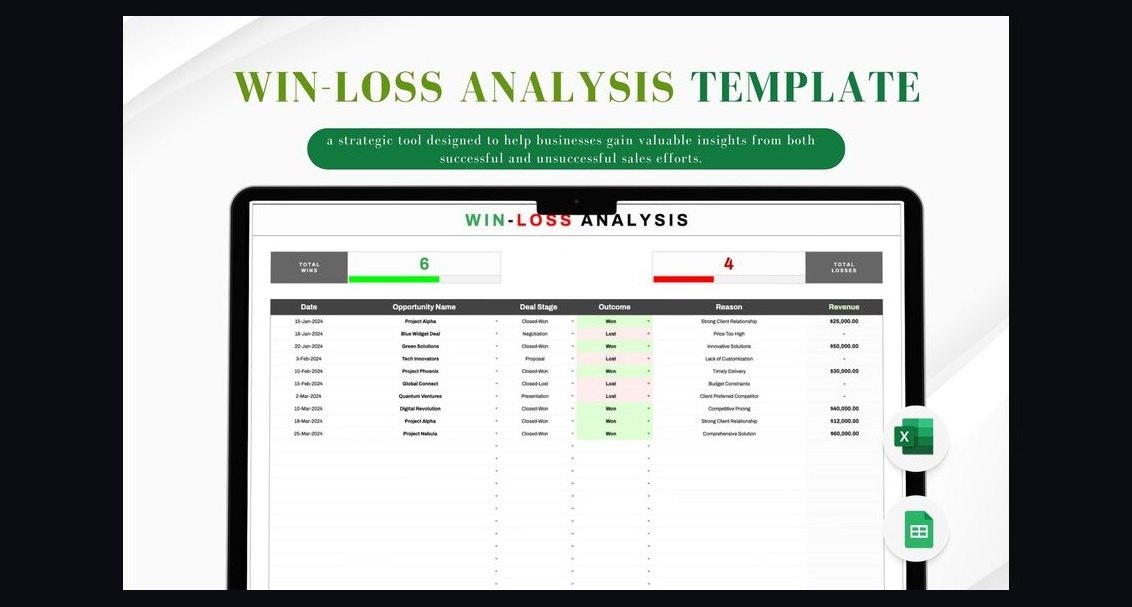 revopsHow Do I Run a Win/Loss Analysis Program That Improves Win Rate in 2027?
 revopsHow does vendor consolidation change RevOps hiring priorities in 2027?
 revopsWhy are 40% of B2B deals stalling in the legal review phase despite AI contract analysis tools in 2027?
 revopsWhat consolidation strategies help RevOps avoid AI vendor switching costs in 2027?
 revopsCan AI in the funnel effectively replace human-led qualification for enterprise buying committees in 2027?
 revopsWhat RevOps metrics are obsolete due to AI in the 2027 funnel?
 revopsHow do longer sales cycles in 2027 impact the calculation of customer acquisition cost?
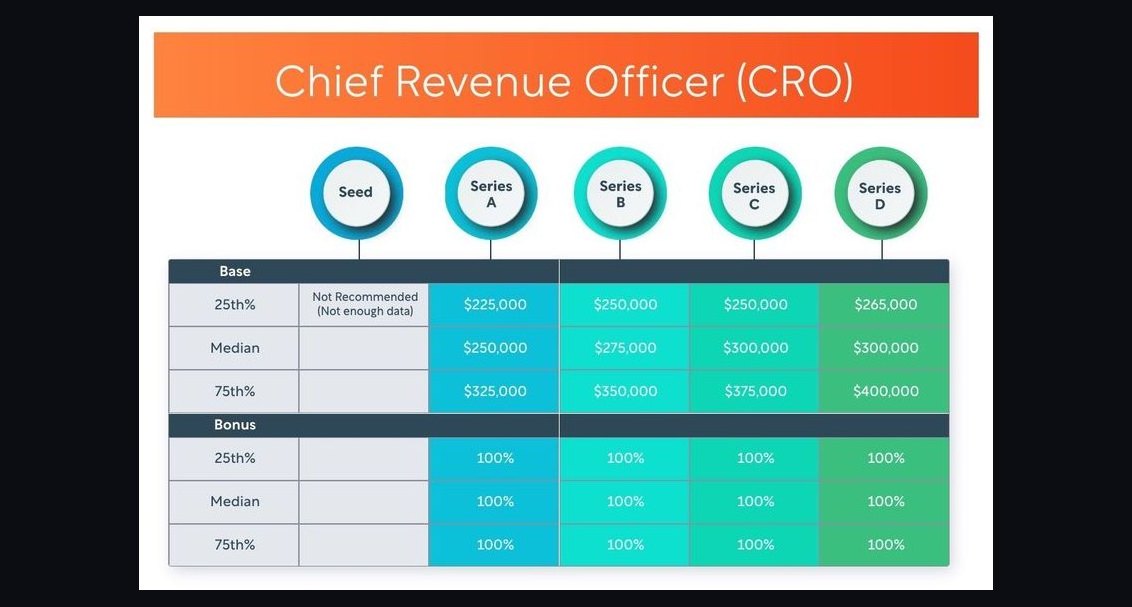 revopsCRO compensation — fractional, full-time, equity in 2027
 revopsAre 2027 enterprise buyers demanding AI-driven total cost of ownership models?