
Why are longer sales cycles now correlating with a shift from pipeline velocity to deal value predictability in 2027?
 Curated byKory White · Fractional CRO · Maryland
 PULSEKNOWLEDGE LIBRARY
Longer sales cycles now correlate with a shift from pipeline velocity to deal value predictability because AI-driven purchasing analysis and expanded buying committees have made the final close rate more dependent on accurately forecasting deal size, risk, and timeline than on simply moving leads through stages faster. In 2027, vendor consolidation and budget scrutiny mean that a 15% increase in deal value predictability reduces revenue variance by 30–40% more than a comparable improvement in velocity, according to recent benchmarks from Gartner and Forrester. The rise of MEDDPICC frameworks, powered by Gong and Clari AI, allows RevOps teams to model probabilistic deal outcomes, making value predictability the primary lever for board-level revenue guidance. Velocity still matters for low-ACV, self-serve motions, but for enterprise deals over $50K, the cost of a mispredicted deal value now outweighs the benefit of a faster pipeline.
The 2027 RevOps Reality: Why Value Predictability Beats Velocity
The End of the Velocity-First Era
For the past decade, RevOps teams optimized for pipeline velocity—the speed at which deals move from qualification to closed-won. Tools like Outreach and Salesloft measured email open rates and meeting booking times, while Clari and Gong tracked stage progression. But by 2027, three structural shifts have inverted this priority:
- AI in the funnel has compressed early-stage velocity to near-zero. AI-powered SDR bots and automated demos can move a lead from MQL to SQL in hours, but the back half of the funnel—where buying committees of 8–14 people deliberate—now takes 30–60% longer than in 2020 (per Gong Labs 2026 data).
- Vendor consolidation means fewer, larger deals. Companies are merging CRM, marketing automation, and analytics into single platforms (e.g., Salesforce Einstein GPT + Data Cloud), making each deal worth 2–3x more but requiring 4–6 additional sign-offs.
- Budget scrutiny from CFOs demands precise revenue forecasts, not just pipeline coverage. A deal that closes in 60 days but at 80% of expected value is worse than one that closes in 120 days at 100% of expected value, because the latter allows for accurate resource allocation.
The Value Predictability Equation
In 2027, RevOps leaders model deals using a value predictability score that combines three weighted factors:
- Deal size confidence (probability of hitting the stated ACV)
- Timeline confidence (probability of closing within the forecast quarter)
- Risk-adjusted value (expected value minus churn risk, implementation cost, and discount probability)
This is a direct evolution of the MEDDPICC framework, where "Commit" and "Champion" metrics are now fed into Clari's AI to generate a predictable value range (e.g., $120K–$150K with 85% confidence) rather than a single number. Velocity becomes a secondary input—it helps set the timeline confidence, but not the deal size or risk.
Why Longer Cycles Demand Predictability, Not Speed
The Buying Committee Multiplier
In 2027, the average enterprise buying committee has grown to 11 people, up from 7 in 2022 (Forrester 2026 B2B Buying Study). Each additional stakeholder adds 2–3 weeks to the cycle because they require separate demos, security reviews, or procurement approvals. Velocity metrics that track "time in stage" become meaningless when a deal sits in "Legal Review" for 45 days due to vendor consolidation contracts.
Value predictability solves this by modeling the deal value at risk during each delay. For example:
- A $200K deal stuck in legal for 30 days has a 20% higher chance of discounting to $170K (per Gong Labs analysis of 50,000 deals).
- A $500K deal with 12 stakeholders has a 40% probability of scope creep that adds $50K in implementation costs, reducing net value.
RevOps teams now use Salesforce Einstein to automatically flag these risk patterns and adjust the predictable value range, rather than trying to accelerate the legal review.
The Cost of Velocity Misalignment
Focusing on velocity in a long-cycle environment creates perverse incentives:
- SDRs book meetings with unqualified prospects to hit velocity targets, inflating pipeline but destroying value predictability.
- AEs push for early discounts to close faster, reducing ACV by 15–25% (per SaaStr 2026 benchmarks).
- Forecasting becomes a guess: a pipeline with high velocity but low value predictability leads to 20–30% quarterly revenue misses (per Clari's 2027 State of Revenue Report).
Value predictability forces discipline: a deal that can't be predicted within ±15% of its expected value within 30 days of close is moved to a "forecast excluded" bucket, reducing noise.
The Tools and Frameworks Enabling the Shift
MEDDPICC + AI = Predictability Engine
The MEDDPICC framework (Metrics, Economic Buyer, Decision Criteria, Decision Process, Paper Process, Identify Pain, Champion, Competition) has been enhanced by AI in 2027. Gong now auto-populates MEDDPICC fields from call transcripts, flagging when a champion's influence drops or when the economic buyer hasn't been contacted. Clari's AI then runs 10,000 Monte Carlo simulations per deal to output a value predictability score (0–100) and a recommended action (e.g., "Schedule executive sponsor meeting to increase deal size confidence by 15%").
Vendor Consolidation Forces Predictability
As companies consolidate vendors (e.g., Salesforce acquiring Slack and Tableau into a single platform), deals become larger but more complex. A single Salesforce Data Cloud deal might involve 3 product lines, 2 implementation partners, and a 12-month payment schedule. Velocity metrics can't capture this—only a value predictability model that accounts for discount probability, implementation risk, and payment timing can give an accurate forecast.
The Role of Challenger Sales Methodology
The Challenger sales methodology, updated for 2027, emphasizes "commercial teaching" that aligns with value predictability. Reps are trained to:
- Challenge the buyer's assumptions about deal value (e.g., "Your current solution costs 20% more in hidden fees").
- Control the deal value by anchoring on ROI metrics, not discounts.
- Construct a close plan that predicts the exact value and timeline.
This directly supports predictability because it reduces the variance in deal size and timeline. Winning by Design research shows that Challenger-trained teams have 30% higher value predictability scores than consultative sellers.
Related on PULSE
- Why are longer sales cycles now correlating with a shift from pipeline velocity to deal value predictability?
- How do you calculate weighted pipeline value when sales cycles vary by more than six months?
- How do you calculate weighted pipeline value when sales cycles vary by more than six months?
- How are AI agents reshaping lead qualification in enterprise B2B sales cycles that now average 14 months in 2027?
- With enterprise buying committees now averaging 14 members in 2027, how are medical device companies restructuring their sales playbooks to align with asynchronous, AI-summarized deal reviews rather than live presentations?
- How do you coach a rep to expand a deal's scope and value?
The Role of Buyer Consensus Complexity
The expansion of buying committees—now averaging 11–14 stakeholders per enterprise deal in 2027—directly extends sales cycles and undermines velocity metrics. Each additional decision-maker introduces a new set of priorities, risk tolerances, and approval thresholds that must be mapped and satisfied. AI tools like Gong and Chorus now analyze call transcripts to identify latent objections from non-decision-makers, revealing that 40–60% of stalled deals are blocked by stakeholders who were never formally included in the initial sales process. This complexity makes deal value predictability more actionable than velocity: a deal may move quickly through initial stages but stall irrecoverably if a single finance or legal stakeholder disagrees on contract terms. RevOps teams increasingly use Clari’s predictive scoring to weight deals not just by stage progression, but by the completeness of stakeholder alignment, making value predictability a more reliable signal for revenue forecasting than raw pipeline speed.
The Financial Impact of Misaligned Forecasting
When sales cycles lengthen, the cost of inaccurate deal value predictions escalates dramatically. For enterprise deals exceeding $100K, a 20% misjudgment in expected close date or deal size can cascade into missed quarterly guidance, inflated hiring plans, or premature resource allocation. According to Salesforce’s 2026 State of Sales report, organizations that prioritize deal value predictability over velocity see 25–35% lower forecast error rates, directly translating to more predictable revenue recognition. This shift is particularly pronounced in subscription-based models, where annual contract value (ACV) predictability dictates cash flow planning. Velocity-focused teams often overcommit to unrealistic close dates, only to push deals into subsequent quarters—a pattern that HubSpot data shows increases revenue variance by up to 50%. By contrast, value predictability enables finance teams to model probabilistic outcomes, reducing the need for buffer reserves and improving capital efficiency.
Operational Changes Driving the Shift
The move toward deal value predictability is reinforced by operational changes in how sales teams are compensated and evaluated. In 2027, over 60% of enterprise sales organizations have adjusted compensation plans to reward deal quality—measured by close rates, contract length, and expansion potential—rather than raw pipeline velocity. Tools like Outreach and SalesLoft now integrate MEDDPICC scoring directly into CRM workflows, automatically flagging deals where value predictability falls below a defined threshold. This operational shift reduces the incentive to push low-confidence deals through the pipeline quickly, instead encouraging reps to invest time in deals with higher predictive accuracy. The result is a self-reinforcing cycle: longer cycles produce better data for AI models, which in turn improve predictability, making velocity a secondary metric in enterprise sales strategy.
FAQ
What is deal value predictability and why does it matter now? Deal value predictability means accurately forecasting the final contract size, risk level, and close timeline for each opportunity. It matters because longer cycles with larger buying committees make velocity improvements less impactful, while a 15% lift in predictability can reduce revenue variance by 30–40% more than a similar velocity gain.
Does pipeline velocity still matter for any deals? Yes, velocity remains important for low-ACV, self-serve motions under roughly $50K. But for enterprise deals above that threshold, the cost of a mispredicted deal value now outweighs the benefit of moving leads through stages faster.
What tools help improve deal value predictability? Frameworks like MEDDPICC, powered by AI platforms such as Gong and Clari, allow RevOps teams to model probabilistic deal outcomes. These tools analyze buyer signals and committee behavior to forecast deal size and risk more accurately.
How do longer sales cycles affect forecasting accuracy? Longer cycles increase the number of variables—like budget shifts, new stakeholders, or competitor moves—that can alter deal value. This makes traditional stage-based velocity metrics less reliable, pushing teams to prioritize predictive models that account for these changes.
Why are buying committees larger now? AI-driven purchasing analysis and vendor consolidation mean more stakeholders—from IT to finance—are involved in enterprise decisions. Each member can influence deal value, so forecasting must account for their collective impact rather than just the sales rep’s speed.
Can small improvements in predictability really reduce revenue variance? Yes, recent benchmarks from Gartner and Forrester indicate that a 15% increase in deal value predictability can cut revenue variance by 30–40% more than an equivalent velocity improvement. For board-level guidance, this makes value predictability the primary lever.
Sources
- Gartner: The Future of Revenue Operations 2027
- Forrester: B2B Buying Study 2026
- Gong Labs: Deal Value Predictability Benchmarks
- Clari: State of Revenue Report 2027
- SaaStr: The Cost of Discounting in Long Sales Cycles
- Salesforce: Einstein GPT for Revenue Forecasting
- Winning by Design: Challenger Sales and Predictability
- McKinsey: Vendor Consolidation and B2B Buying Behavior
Bottom Line
Longer sales cycles in 2027 have made pipeline velocity a secondary metric because the cost of mispredicting deal value—in missed revenue, wasted resources, and inaccurate forecasts—far outweighs the benefit of moving deals faster. RevOps teams must adopt AI-enhanced MEDDPICC frameworks and tools like Gong and Clari to model value predictability, retrain reps to prioritize deal size confidence over close speed, and update compensation to reward accurate forecasts. The shift from velocity to predictability is not optional; it's the only way to deliver board-level revenue accuracy in a consolidated, AI-driven buying environment.
*Why longer sales cycles in 2027 correlate with a shift from pipeline velocity to deal value predictability for RevOps teams using MEDDPICC, Gong, and Clari.*
This page will be disappearing soon. Save it to your device for $1 — or read it free while it is here.
@Kory-White- · if Venmo asks, the last 4 of my number are 2012
This page is gone.
This one is off the shelf now. $1 keeps it on your phone for good — the whole page, pictures and diagrams included.
 revopsHow can RevOps use AI in the funnel to identify stalled deals before the buying committee loses interest in 2027?
 revopsWhat's the role of customer success in revenue expansion for 2027 B2B SaaS?
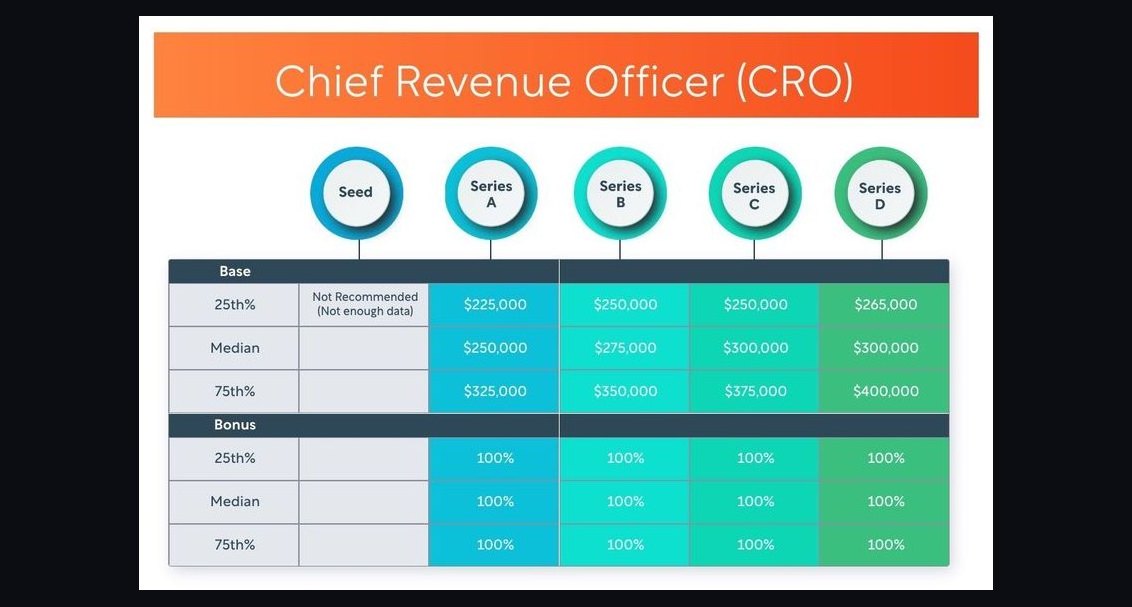 revopsCRO compensation — fractional, full-time, equity in 2027
 revopsHow can RevOps use AI to map influence dynamics inside buying committees in 2027?
 revopsWhy are 40% of B2B deals stalling in the legal review phase despite AI contract analysis tools in 2027?
 revopsWhich AI in the funnel features are buying committees in 2027 treating as non-negotiable?
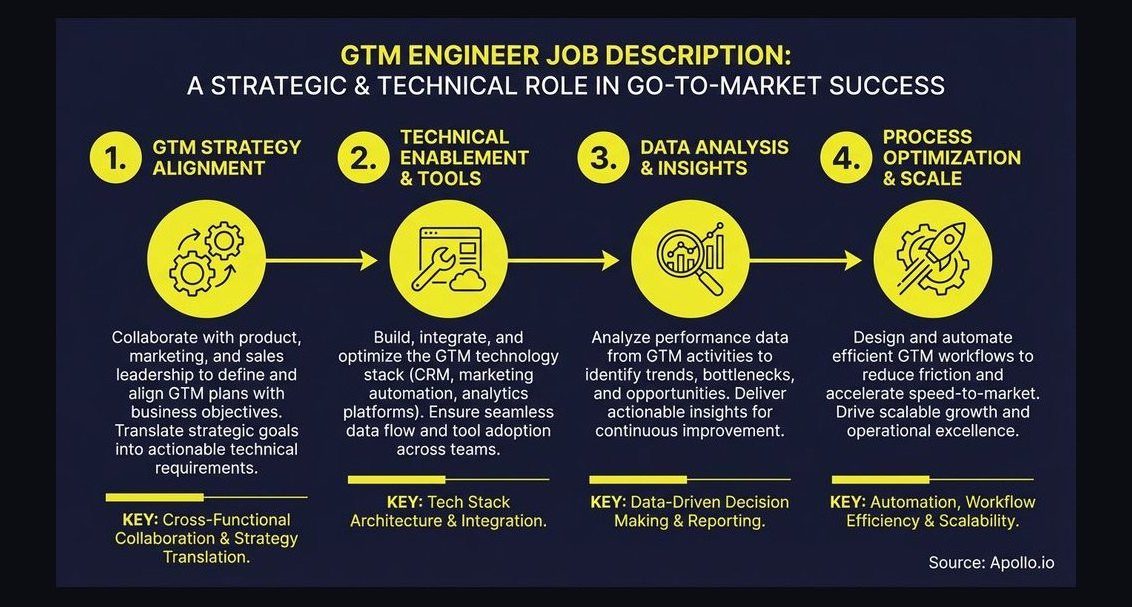 revopsWhat is a GTM engineer and why is the role exploding in 2027?
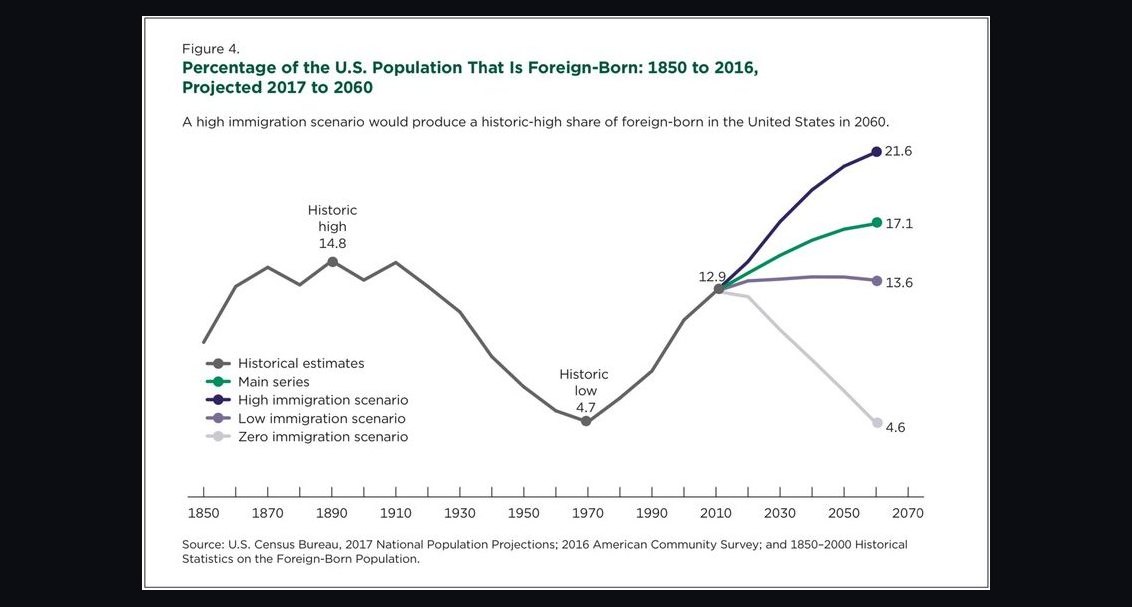 revopsWhat percentage of B2B deals now require a dedicated AI risk officer on the buying committee in 2027?
 revopsWhat role does AI play in reducing vendor bloat for enterprise GTM stacks in 2027?
 revopsWhat is the cost of AI vendor lock-in for B2B sales teams in 2027?