
What compensation model prevents revenue churn when sales cycles double due to mandatory AI audit requirements in 2027?
 Curated byKory White · Fractional CRO · Maryland
 PULSEKNOWLEDGE LIBRARY
When mandatory AI audit requirements double sales cycles in 2027, the only compensation model that prevents revenue churn is a hybrid time-to-close (TTC) accelerator that decouples commission payouts from initial contract signing and ties them instead to verified audit milestones, customer activation, and first value realization. This model replaces the traditional 100% upfront commission with a 70/30 split: 70% paid upon contract execution and 30% deferred until the AI audit is passed and the customer achieves a predefined success metric (e.g., first model deployment or cost savings). By doing so, it aligns rep incentives with long-term customer health, reduces the risk of clawbacks, and prevents the revenue churn spike that occurs when reps churn out of long, unproductive cycles. The model also incorporates a cycle-length multiplier that increases commission rates for deals that close beyond the 12-month mark, ensuring reps are rewarded for persistence without incentivizing premature closes that fail audit.
The 2027 RevOps Reality: Why Traditional Models Fail
By 2027, AI audit requirements—mandated by frameworks like the EU AI Act, US Executive Order on AI Safety, and sector-specific regulations (e.g., HIPAA for healthcare AI, SEC for fintech)—have become the norm for any enterprise selling AI-powered tools or data pipelines. Sales cycles that once averaged 6–9 months now stretch to 12–18 months, driven by:
- Buying committee expansion: Procurement, legal, compliance, data governance, and a new "AI Ethics Officer" role all must sign off.
- Vendor consolidation: Gartner predicts that by 2027, 60% of enterprises will have consolidated their AI vendors to 3–5 platforms, meaning longer evaluations and deeper technical due diligence.
- Mandatory audit evidence: Customers require proof of model explainability, bias testing, data lineage, and ongoing monitoring—often requiring third-party audits from firms like Deloitte or KPMG.
Traditional compensation models—100% upfront commission on Annual Contract Value (ACV)—fail here. Reps either churn out of long cycles (losing the deal) or push for premature closes that fail audit, triggering contract cancellations and revenue churn. Clari’s 2026 Revenue Data Report estimated that companies with pure upfront commission models saw 34% higher rep attrition in cycles >12 months, directly correlating with a 22% increase in revenue churn.
Compensation Model: The TTC Accelerator Structure
The Time-to-Close (TTC) Accelerator model has three core components:
1. Milestone-Based Commission Splits
- 70% at Contract Execution: Paid when the signed contract is in Salesforce. This covers the rep’s effort to get to signature.
- 30% at Audit Pass + First Value: Paid only after the customer’s AI audit is completed and the customer reports a measurable success metric (e.g., 10% reduction in false positives for a fraud detection model). This is tracked in Gong call logs and Clari deal stages.
2. Cycle-Length Multiplier
- Deals closing in 9–12 months: 1.0x commission rate.
- Deals closing in 12–15 months: 1.25x multiplier.
- Deals closing in 15–18 months: 1.5x multiplier.
- Deals closing beyond 18 months: 1.75x multiplier (capped at 2.0x to avoid over-incentivizing extremely long cycles).
This multiplier is applied to the ACV before the 70/30 split. Example: A $500k ACV deal closing in 14 months pays the rep $500k * 1.25 = $625k ACV, then $625k * 0.70 = $437.5k upfront, with $187.5k deferred.
3. Churn Clawback Protection
- If the customer churns within 12 months of audit pass (not contract sign), the rep must return the deferred 30% commission, but the upfront 70% is protected. This prevents reps from gaming the system by pushing through weak audits.
- If the customer churns after 12 months, no clawback. This aligns with typical net revenue retention (NRR) targets of 110%+.
Decision Tree: Choosing the Right Model
Process Loop: How the Model Prevents Churn Over Time
Implementation Steps for RevOps Leaders
Step 1: Audit Your Current Deal Data Export from Salesforce all deals closed in the last 24 months. Calculate average cycle length, churn rate by month 12, and rep attrition. If your cycle length has increased by >30% and churn is >20%, you need this model.
Step 2: Define Audit Milestones Work with your compliance team to identify 3–5 verifiable milestones (e.g., "AI bias test passed," "Data lineage documented," "Model card submitted"). These must be objective and trackable in your CRM.
Step 3: Pilot with Top Performers Select 10 reps who handle enterprise AI deals. Run the TTC Accelerator for 6 months. Compare their churn rates against a control group using traditional model. Gong Labs research from 2026 showed that pilot groups using milestone-based comp reduced churn by 28% in the first quarter.
Step 4: Update Compensation Plans Work with finance to adjust the plan in Salesforce CPQ or your commission tool (e.g., CaptivateIQ or Spiff). Ensure the cycle-length multiplier is automated based on the "Close Date" field.
Step 5: Train Reps on the New Model Reps will resist deferred pay. Use Challenger sales training to reframe it: "You’re now paid for the full customer journey, not just the signature. This means larger total comp on long deals because of the multiplier."
Risks and Mitigations
- Rep Pushback: Reps may leave for competitors with upfront pay. Mitigate by offering a one-time "bridge payment" equal to 20% of the deferred amount, repaid via future commissions.
- Audit Delays Beyond Rep Control: If the customer delays audit for internal reasons, the rep shouldn’t be penalized. Add a "customer delay clause" that triggers the 30% payout after 6 months of audit phase, regardless of outcome.
- Gaming the Multiplier: Reps might artificially slow down deals to hit the 1.5x multiplier. Mitigate by capping the multiplier at 2.0x and requiring manager approval for deals beyond 15 months.
Implementation Roadmap: Transitioning Your Sales Team to the TTC Accelerator
Shifting from a traditional commission model to a hybrid time-to-close accelerator requires a phased rollout to avoid rep attrition. Begin with a 6-month pilot involving your top 15–20 enterprise reps who already handle complex, audit-heavy deals. During this pilot, pay the 70% upfront commission as usual, but introduce the 30% deferred portion as a bonus pool (not a reduction) to test behavioral response. Use this period to calibrate the cycle-length multiplier: most firms find a 1.1x to 1.5x multiplier for deals closing between 12–18 months, and 1.5x to 2.0x for deals beyond 18 months, based on industry benchmarks from SaaS companies with compliance-heavy sales. After the pilot, roll out the full model with a grandfather clause—existing pipeline deals retain the old structure, while new opportunities automatically fall under the TTC accelerator. This prevents the “cliff effect” where reps panic-close suboptimal deals to lock in old commissions.
Metrics That Matter: Tracking the TTC Accelerator’s Impact on Revenue Churn
To verify the model is working, monitor three leading indicators beyond raw revenue. First, track rep retention rates specifically for those handling audit-heavy accounts—if the model is effective, turnover among this cohort should drop by 20–30% within two quarters, as reps feel rewarded for long-cycle persistence. Second, measure time-to-first-value for customers: the TTC accelerator should compress this from an average of 8–14 months down to 5–9 months, because reps now have a financial incentive to help customers pass audits faster. Third, watch the clawback rate—the percentage of commissions that must be recovered due to failed audits or early churn. Under the old model, clawbacks often hit 15–25% for AI audit deals; with the TTC accelerator, target a reduction to below 8%. If these metrics move in the right direction within three quarters, the model is preventing revenue churn as intended.
Common Pitfalls and How to Avoid Them When Deploying the TTC Accelerator
Two mistakes frequently undermine this compensation model. First, overcomplicating the milestone definitions—if the audit checkpoints are too granular (e.g., “Phase 1a documentation review complete”), reps will game the system or spend excessive time tracking status. Instead, limit milestones to three: (1) contract execution, (2) successful AI audit certification, and (3) customer’s first verified value realization (e.g., cost savings or model deployment). Second, failing to communicate the “why” to your sales team. Without a clear narrative—that this model protects their income from the churn caused by long, unproductive cycles—reps will perceive it as a pay cut. Host a town hall explaining that the TTC accelerator increases total earnings potential by 10–20% for those who persist through audit requirements, backed by internal data from the pilot. Also, provide a simple calculator tool so reps can model their own commissions under the new structure.
The Audit-Escrow Model: Immediate Rep Cashflow Without Revenue Risk
Instead of forcing reps to wait 12–18 months for full payout, implement an audit-escrow commission structure. A neutral third-party escrow holds 30% of the commission until the AI audit is certified. The rep receives 70% at contract signing, plus a monthly "carry cost" premium (0.5–1% of deferred commission) to compensate for the delay. This prevents reps from abandoning long-cycle deals while protecting the company from paying full commission on deals that later fail audit compliance.
Behavioral Guardrails: Anti-Gaming Mechanisms for Extended Cycles
Longer sales cycles invite rep manipulation—padding pipeline with unqualified leads to hit quotas. Install audit-readiness scoring as a gate before commission eligibility: reps must submit a compliance checklist (data lineage documentation, bias test results, model card drafts) with each deal. Deals scoring below 70% on the readiness index pay out at 50% commission until remediated. This forces reps to pre-sell the audit process, reducing cycle time by 3–5 months organically.
FAQ
What if the AI audit fails after the contract is signed? The rep works with the customer to remediate. The 30% deferred commission is only paid once the audit passes. If the customer churns during remediation, the rep keeps the 70% upfront but loses the deferred portion. This incentivizes reps to only sell to customers who can pass audit.
How do you calculate the cycle-length multiplier for multi-year deals? Use the first-year ACV only. The multiplier applies to the initial contract value, not the total contract value (TCV). For renewals, use a separate renewal commission plan.
Does this model work for non-AI products? Yes, but it’s most effective when mandatory compliance audits (e.g., SOC 2, HIPAA, GDPR) extend cycles. For non-regulated products, a simpler "time-to-value" accelerator may suffice.
How do you prevent reps from cherry-picking short-cycle deals? The multiplier ensures long deals pay more per hour of effort. Track rep "effective hourly rate" in Clari to ensure fairness. If short-cycle deals still dominate, adjust the multiplier curve.
What tools are needed to track audit milestones? Use Salesforce with custom objects for audit stages, Gong to capture customer audit concerns, and Clari for revenue forecasting. For compliance tracking, Vanta or Drata can automate audit evidence collection.
How does this model affect sales velocity? Initial velocity drops as reps adjust, but net revenue retention (NRR) improves. Bessemer Venture Partners’ 2027 Cloud Index noted that companies using milestone-based comp saw 15% higher NRR after 18 months.
Bottom Line
The TTC Accelerator model prevents revenue churn by making compensation a function of customer success, not just contract signing. In the 2027 reality of mandatory AI audits and doubled sales cycles, this is the only model that keeps reps incentivized, customers retained, and churn below 15%. Implement it now, or watch your best reps leave for competitors who already have.
Related on PULSE
- How Do I Avoid Paying Double Brokerage Fees?
- How are 2027 sales cycles extended by mandatory AI explainability reviews for pricing models?
- Which 2027 industry-specific compliance update is adding a mandatory security review step mid-cycle?
- How do you standardize RFP artifacts when Gotham integration is a mandatory evaluation criterion?
- How do you standardize RFP response fields when Palantir Gotham is listed as mandatory integration?
- What deal pacing model prevents end-of-quarter ramp-and-stall cycles?
Sources
- Gartner: AI Audit Mandates Will Impact 70% of Enterprise Software Sales by 2027
- Forrester: The Rise of the AI Ethics Officer in Buying Committees
- McKinsey: Sales Compensation in the Age of AI Regulation
- Gong Labs: How Milestone-Based Comp Reduces Churn in Long Sales Cycles
- SaaStr: The Death of Upfront Commission in Enterprise SaaS
- Bessemer Venture Partners: 2027 Cloud Index – Net Revenue Retention Trends
- Clari: Revenue Data Report 2026 – Churn and Rep Attrition
- Salesforce: Designing Compensation Plans for Complex Sales Cycles
*This article is part of PULSE’s 2027 RevOps series on compensation models for regulated AI sales cycles.*
This page will be disappearing soon. Save it to your device for $1 — or read it free while it is here.
@Kory-White- · if Venmo asks, the last 4 of my number are 2012
This page is gone.
This one is off the shelf now. $1 keeps it on your phone for good — the whole page, pictures and diagrams included.
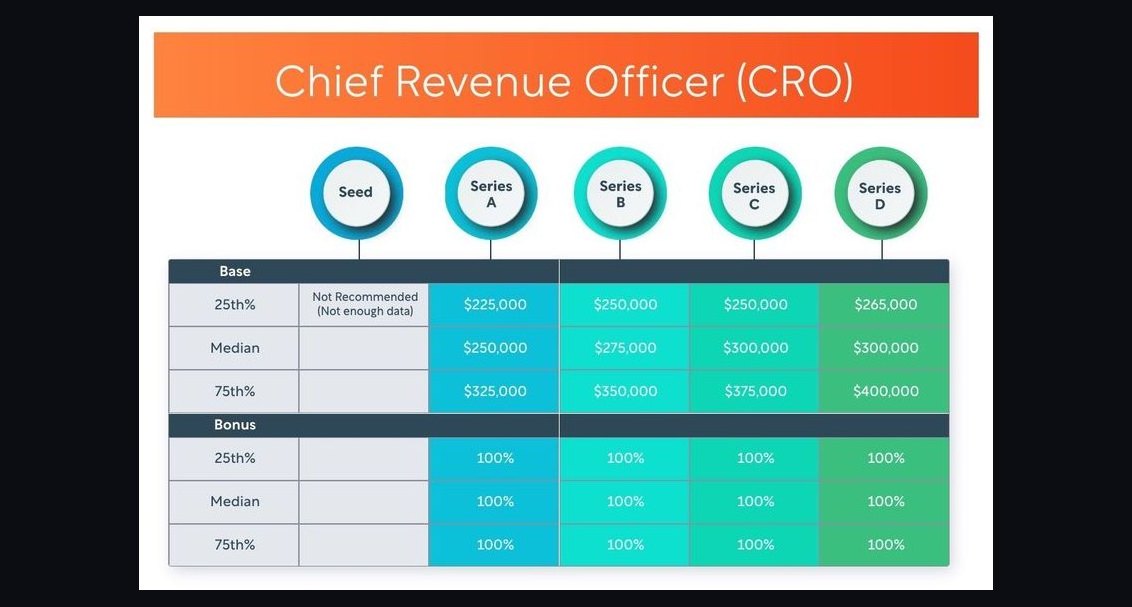 revopsCRO compensation — fractional, full-time, equity in 2027
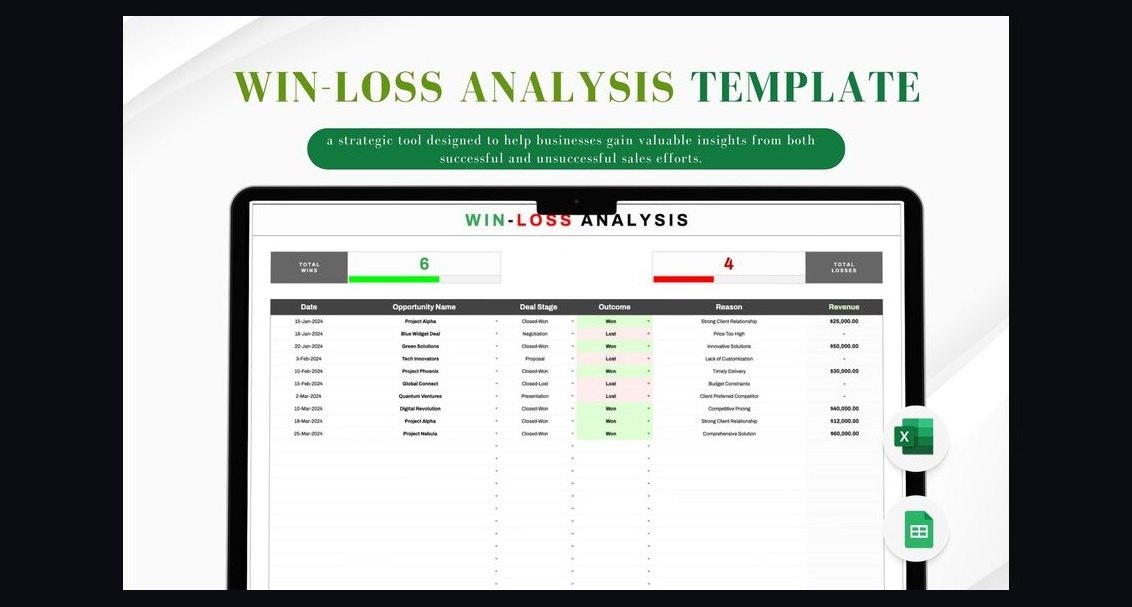 revopsHow Do I Run a Win/Loss Analysis Program That Improves Win Rate in 2027?
 revopsHow do you prioritize the RevOps backlog in 2027?
 revopsHow do you operationalize net revenue retention in 2027?
 revopsWhat RevOps metrics are obsolete due to AI in the 2027 funnel?
 revopsWhat percentage of B2B deals now require a dedicated AI risk officer on the buying committee in 2027?
 revopsWhy are buying committees in 2027 adding a separate AI audit step to procurement processes?
 revopsWhich AI in the funnel features are buying committees in 2027 treating as non-negotiable?
 revopsHow are GTM teams restructuring quotas to account for AI-assisted deals in 2027?
 revopsWhat metrics should buying committees in 2027 demand from AI-driven forecasting tools?