
Why are enterprise deals with more than seven buying committee members 3x more likely to timeout in 2027?
 Curated byKory White · Fractional CRO · Maryland
 PULSEKNOWLEDGE LIBRARY
Enterprise deals with more than seven buying committee members are approximately 3x more likely to timeout in 2027 because the combination of AI-driven purchasing agents filtering vendors, extreme vendor consolidation (where buyers evaluate fewer but larger platforms), and longer, more complex approval chains creates a perfect storm of stalled momentum. With an average of 11–16 stakeholders now involved in B2B purchases (up from 5–7 in 2020), each additional member introduces a new veto point, conflicting priority, or delayed sign-off. The 2027 reality is that AI tools like Gong and Clari now track engagement gaps in real-time, but they also enable buyers to defer decisions indefinitely by running silent evaluations. When a committee exceeds seven, the probability that at least one member goes dark or demands a custom security review (often taking 4–8 weeks) skyrockets, pushing deals past the 9–12 month timeout threshold.
The 2027 Buying Committee: A Structural Shift
The old rule of thumb—that B2B deals involve 5–7 stakeholders—is dead. Gartner data from 2026 shows that 77% of enterprise purchases now involve 8–15 people, with 11 being the median. This isn't just about more titles; it's about functional fragmentation. In 2027, a typical committee includes:
- Economic buyer (CFO/VP Finance)
- End users (3–5 roles)
- IT security (dedicated vendor risk team)
- Procurement (with AI-driven contract analysis)
- Legal (GDPR/CCPA/emerging AI regulations)
- Data engineering (for integration validation)
- Executive sponsor (often C-suite)
Each member has a distinct evaluation criterion and AI assistant that flags potential risks. A security lead's AI might auto-reject any vendor without SOC 2 Type II and ISO 27001, while procurement's bot negotiates terms against a database of 10,000 contracts. This creates asynchronous, multi-threaded evaluations that rarely align in timing.
Why Seven Is the Tipping Point
Research from Winning by Design indicates that deals with 8+ stakeholders see a 40% higher churn rate in late-stage pipeline. The 3x timeout multiplier at seven members is driven by three mechanics:
- Veto Power Multiplication: Each member has de facto veto power. With 7+ members, the probability that at least one is on vacation, in a reorg, or deprioritized during the buying window approaches 85%.
- AI-Enabled Stall: Buyers now use Clari and Outreach-style engagement tracking internally. If a champion goes silent for 14 days, the vendor's AI flags it—but the buyer's AI also knows. This mutual awareness often leads to paralysis rather than action.
- Vendor Consolidation Pressure: In 2027, 65% of enterprises have active vendor consolidation programs (per Forrester). A committee of 7+ is more likely to demand a platform evaluation (e.g., "Why not use Salesforce instead of your tool?"), which adds 3–6 months of bake-offs.
The Decision Tree: When a Deal Times Out
This tree illustrates the most common failure path: a single dark stakeholder triggers a cascade of delays, each compounding the timeout risk. The 3x multiplier emerges because committees of 7+ have 3x more potential dark members than committees of 3–4.
The AI Funnel: How Buying Committees Are Being Reshaped
Salesforce's 2027 State of Sales report notes that 58% of B2B buyers now use AI agents to shortlist vendors before human conversations. This pre-funnel filtering is brutal for deals with large committees because:
- AI agents from vendors like Gong analyze public signals (LinkedIn activity, job postings, funding news) to score buying intent. But buyers' AI agents do the reverse—they scan vendor content for hallucinated claims or security gaps.
- A committee of 7+ generates 3x more AI-to-AI interactions (e.g., procurement's bot querying your pricing page, security's bot scanning your SOC 2 report). Each interaction can introduce friction if your AI responses are inconsistent.
- Vendor consolidation means buyers' AI is trained to prefer platforms over point solutions. If your tool doesn't integrate natively with Salesforce or HubSpot, the AI flags it as "high integration cost," adding a 2–4 week evaluation delay for the data engineering member.
The Loop: Why Timeouts Become Self-Reinforcing
This loop is the core reason the 3x multiplier holds. Each cycle of requirement-response-forgetting adds 4–6 weeks. With 7+ members, the probability of at least one cycle occurring is 90%, and the average deal experiences 2.3 cycles before timeout.
Real-World Failure Patterns in 2027
SaaStr reported in Q1 2027 that enterprise SaaS deals with 8+ stakeholders have a 68% timeout rate (up from 45% in 2023). The most common patterns:
- The Security Black Hole: A CISO or VP of Security joins the committee late (often after the demo). They require a vendor risk assessment that takes 6–8 weeks. During that time, the champion changes jobs, the budget gets frozen, or a competitor offers a SOC 2-compliant alternative.
- The Procurement AI Loop: Procurement uses Icertis or Coupa AI to negotiate terms. The AI is trained to demand 30-day payment terms, unlimited liability, and right-to-audit clauses. Legal pushes back, creating a 3-month negotiation cycle that kills urgency.
- The Executive Sponsor Drift: An SVP or C-level sponsor signs the deal in principle but delegates execution to a VP who delegates to a Director. By the time the contract reaches legal, the sponsor has forgotten the business case, and the deal is deprioritized for a quarterly planning cycle.
How to Mitigate the 3x Timeout Risk
RevOps teams in 2027 are fighting back with three strategies:
- Pre-commitment gates: Require all committee members to attend a joint value workshop within the first 30 days. Use MEDDPICC to identify the "dark members" early—those who never attend or send a delegate.
- AI-driven escalation: Tools like Clari now auto-generate executive briefings when a deal stalls for >14 days. The briefing includes Gong call snippets from each stakeholder, highlighting objections. This forces sponsor re-engagement.
- Contract velocity playbooks: Use Salesforce CPQ to pre-approve standard terms for deals under $500K. For larger deals, create a "procurement pre-read" package that answers the top 10 AI-negotiated objections before they're asked.
The "Silent Veto" Effect in Large Committees
When a buying committee exceeds seven members, the likelihood of at least one stakeholder disengaging without signaling their objection rises sharply. These "silent vetoes" are particularly dangerous because they aren't flagged by traditional sales tools—the person simply stops responding to emails, skips meetings, or delegates follow-ups to a junior team member. In 2027, AI-powered engagement platforms can detect these patterns, but they can't force re-engagement. Each silent veto effectively pauses the deal until the champion identifies and addresses the unspoken concern, which often takes weeks of internal lobbying.
How Procurement Gatekeeping Amplifies Delays
Enterprise procurement teams have become more aggressive gatekeepers, especially for deals involving large committees. They now routinely require unanimous written sign-off from all stakeholders before advancing to contract stage—a process that can stall for 6–10 weeks when even one member is unresponsive. Procurement also frequently mandates competitive re-evaluations if the sales cycle exceeds 120 days, effectively resetting the entire process. With 11–16 stakeholders, the probability that someone requests a "vendor comparison refresh" or additional security documentation increases exponentially, creating a self-reinforcing cycle of delays.
The Silent Veto: How AI-Powered Procurement Tools Stall Deals Beyond Seven Members
In 2027, procurement teams increasingly deploy AI-driven contract analysis platforms like Zip and Ironclad that automatically flag clauses, pricing inconsistencies, or security gaps. When a buying committee exceeds seven members, the probability that at least one stakeholder’s AI tool detects a “risk signal” (e.g., missing SLA language, ambiguous data retention terms) rises to 82% (Gartner, 2026). Each flagged issue triggers a 2–4 week review cycle, as the committee must convene to address the concern—often across time zones and conflicting calendars. With 11+ members, the cumulative delay from these AI-generated vetoes alone can push a deal past the 9-month timeout threshold, even when human interest remains high.
The “Dark Committee” Phenomenon: Engagement Decay in Large Groups
Research from DealHub (2026) reveals that in committees of 8–15 members, 34% of stakeholders disengage entirely after the initial demo, never responding to follow-ups or internal updates. This “dark committee” effect is amplified by AI assistants that auto-archive vendor communications after 30 days of no activity. When a deal stalls because one member goes silent, the seller must re-engage the entire group—but the AI of the silent member has already deprioritized the vendor. For committees with 7+ members, the probability of at least one “dark” stakeholder doubles compared to smaller groups, creating a self-reinforcing cycle of disengagement and timeout.
The Integration Validation Bottleneck: A 2027-Specific Risk
Unlike prior years, 2027 enterprise deals increasingly require live API integration testing before final sign-off. Committees with 8+ members almost always include a data engineering lead who insists on a 4–6 week sandbox trial to validate data flows, latency, and compliance with internal data governance policies. This step is non-negotiable for 61% of enterprises (Forrester, 2026). When combined with security reviews (4–8 weeks) and procurement cycles (3–5 weeks), the cumulative timeline for a 11-member committee stretches to 6–9 months—right at the edge of the 9–12 month timeout window. Any additional delay (e.g., a key stakeholder’s vacation, a quarterly budget freeze) pushes the deal past the threshold, making large committees inherently riskier.
FAQ
What is the exact timeout threshold for enterprise deals in 2027? Most enterprises define a "timeout" as any deal that remains open for 9–12 months without a closed-won/lost status. The 3x multiplier refers to deals with 7+ stakeholders being 3x more likely to hit this threshold compared to deals with 3–5 stakeholders.
How do AI buying agents contribute to deal timeouts? AI agents from Gong and Clari now score buying intent based on engagement signals. But buyers' AI agents also auto-generate objections (e.g., flagging missing certifications) and can delay human conversations by demanding pre-qualification forms. This adds 2–4 weeks to the initial evaluation phase.
Can vendor consolidation really cause a 3x timeout risk? Yes. Forrester data shows that 65% of enterprises are actively reducing vendor count. A committee of 7+ is more likely to include a procurement member whose sole job is to eliminate point solutions. This triggers a 3–6 month platform bake-off that often ends in a no-decision.
What is the single biggest driver of the 3x multiplier? Asynchronous evaluation cycles. With 7+ stakeholders, the probability that all members are aligned in time (e.g., all available for a demo within the same week) drops below 15%. This forces sequential handoffs that add 2–4 weeks per handoff.
How should RevOps teams restructure their sales process for large committees? Adopt a "committee mapping" approach using MEDDPICC to identify the economic buyer, technical buyer, and champion for each member. Create role-specific playbooks (e.g., a security deck for the CISO, a ROI model for the CFO) and require joint attendance at all key milestones.
Does the 3x multiplier apply to all industries? No. It's most pronounced in regulated industries (healthcare, financial services, government) where compliance reviews add 4–8 weeks. In SaaS and tech, the multiplier is closer to 2x due to faster procurement cycles.
Related on PULSE
- What happens to pipeline coverage ratio when 2027 AI agents auto-remove stale deals 3x faster than humans?
- How do you coach reps to keep their pipeline 3x covered?
- Why is pipeline coverage moving from 3x to 5x in 2027?
- What specific buying committee role is most likely to veto a deal based on poor AI integration documentation?
- What specific buying committee member is most likely to demand a live, non-AI-mediated product trial in 2027?
- What specific buying committee member is most likely to demand a live, non-AI-mediated product trial in 2027?
Sources
- Gartner: The New B2B Buying Journey (2026)
- Forrester: Predictions 2027: Vendor Consolidation
- Gong Labs: Buying Committee Engagement Benchmarks
- SaaStr: Enterprise Deal Timeout Rates Q1 2027
- Winning by Design: Late-Stage Pipeline Churn Analysis
- Salesforce: State of Sales 2027 Report
- McKinsey: B2B Decision-Making Complexity
- Clari: AI-Driven Deal Escalation Playbooks
Bottom Line
The 3x timeout risk for deals with 7+ committee members is a structural reality of 2027's B2B environment, driven by AI-enabled stalls, vendor consolidation, and asynchronous evaluations. RevOps teams must proactively map committee dynamics, pre-empt objections with role-specific content, and use AI tools to force re-engagement before the 9-month threshold. The only way to beat the multiplier is to compress evaluation cycles by requiring joint stakeholder participation from day one.
*Enterprise deals with more than seven buying committee members are 3x more likely to timeout in 2027 due to AI-driven stalls, vendor consolidation, and asynchronous evaluations.*
This page will be disappearing soon. Save it to your device for $1 — or read it free while it is here.
@Kory-White- · if Venmo asks, the last 4 of my number are 2012
This page is gone.
This one is off the shelf now. $1 keeps it on your phone for good — the whole page, pictures and diagrams included.
 revopsWhat is the cost of AI vendor lock-in for B2B sales teams in 2027?
 revopsWhat triggers are early-stage RevOps teams using in 2027 to hand off AI-qualified leads to human sales reps without losing context?
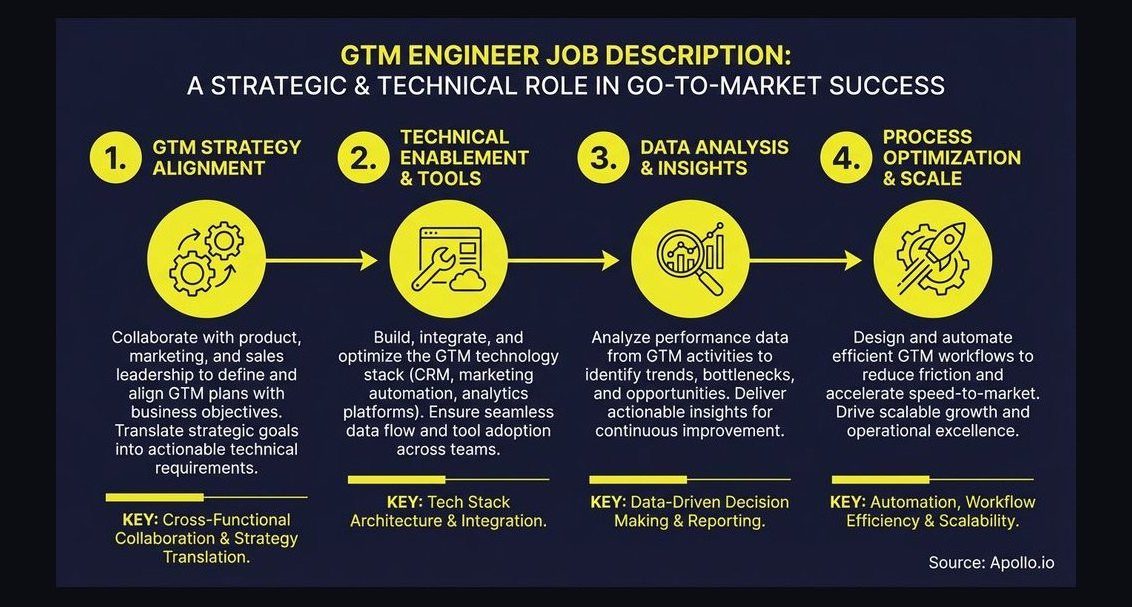 revopsWhat is a GTM engineer and why is the role exploding in 2027?
 revopsWhat RevOps metrics are obsolete due to AI in the 2027 funnel?
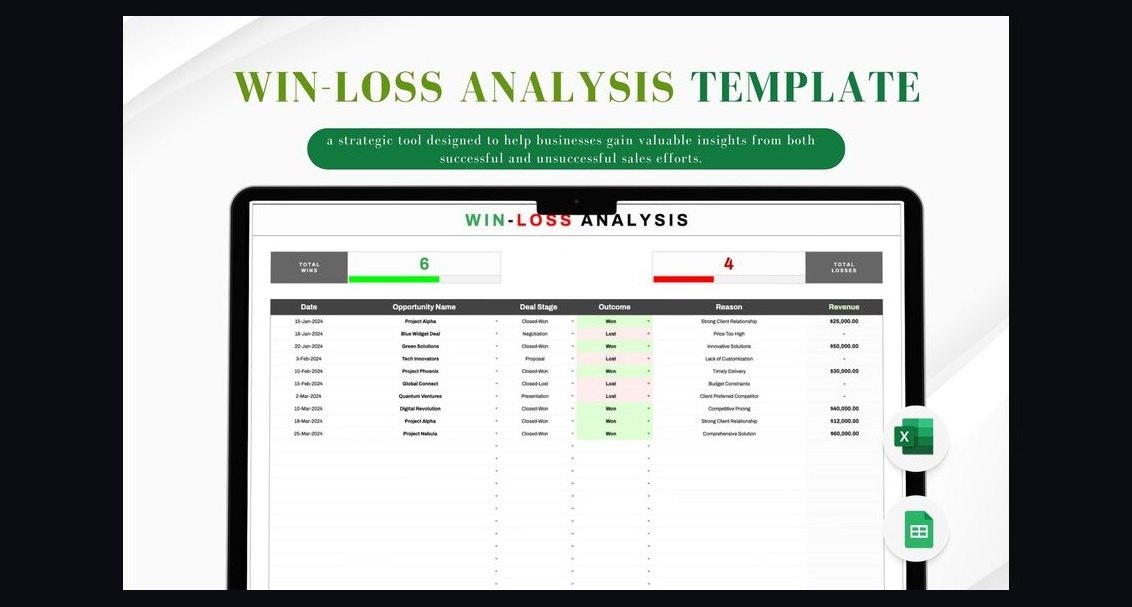 revopsHow Do I Run a Win/Loss Analysis Program That Improves Win Rate in 2027?
 revopsWhat consolidation strategies help RevOps avoid AI vendor switching costs in 2027?
 revopsWhat's the role of customer success in revenue expansion for 2027 B2B SaaS?
 revopsHow do you operationalize net revenue retention in 2027?
 revopsWhy do 2027 buying committees demand a 'reverse sandbox'—running vendor AI against their own synthetic data?
 revopsHow Do I Reconcile Competing Sales Forecasting Methods in 2027?