

Are longer sales cycles in 2027 forcing RevOps to redefine the 'MQL-to-revenue' attribution model?
 Curated byKory White · Fractional CRO · Maryland
Quality
Certified

Yes. Sales cycles stretching to 12-18 months for larger deals, buying committees exceeding ten stakeholders, and AI agents generating untracked research activity are forcing RevOps to redefine MQL-to-revenue attribution. Single-touch models miscredit the deal team's actual influence, so RevOps is replacing the MQL threshold with weighted, multi-touch scoring that spans the full committee and cycle.
The two attribution models compared
For most of the last decade, RevOps ran one of two simple attribution models: first-touch, which gives 100% of the credit to whatever channel or asset first put a company in the CRM, or last-touch, which gives all the credit to the final activity before a deal closes. Both models were built for a world where a single buyer clicked an ad, filled out a form, got scored as an MQL, and moved through a fairly linear handoff to sales. That world is gone for any deal with real deal size and real deal risk attached to it.
The alternative RevOps teams are converging on is weighted, multi-touch (sometimes called "path" or "committee") attribution. Instead of one moment deciding the whole story, every meaningful interaction across the cycle — a webinar attendance, a security questionnaire response, a Slack thread with a champion, a pricing page revisit by a second stakeholder — earns a fraction of credit. The fractions are set by rules: who the person is (economic buyer vs. end user), how deep the engagement was (a 45-minute demo vs. a newsletter open), and how close it sits to the eventual close date.
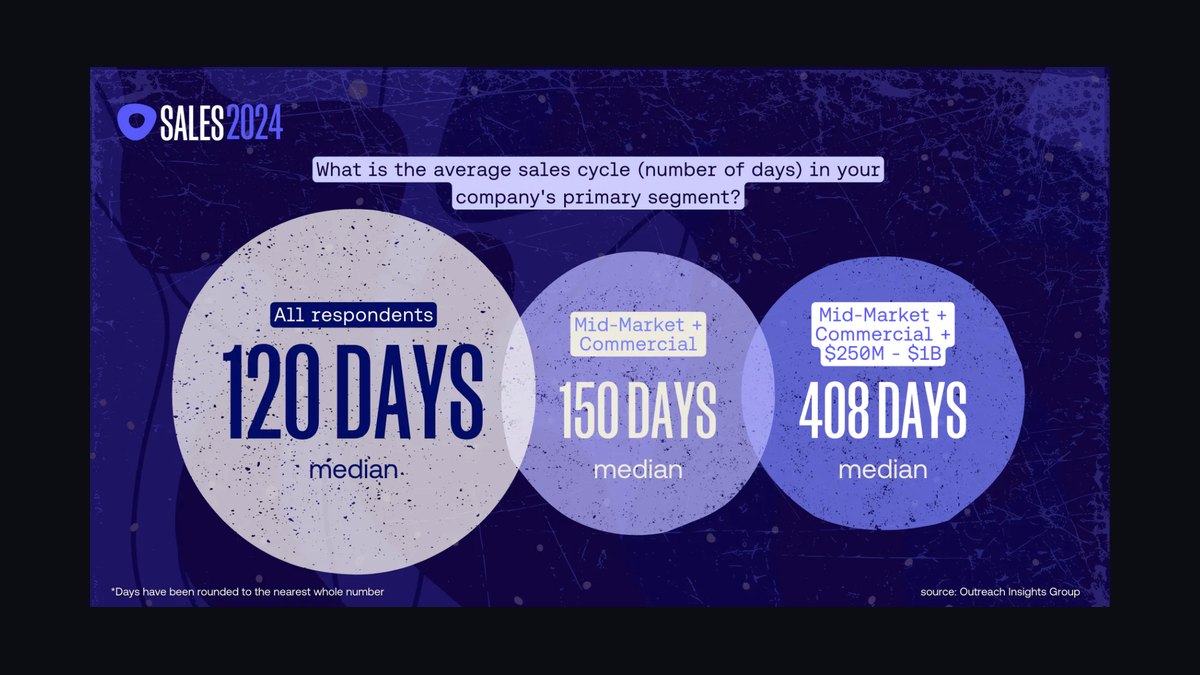
The practical difference between the two models shows up most clearly in longer cycles. In a 30-60 day cycle with one buyer, first-touch and last-touch and a weighted model will usually agree on which channel mattered, because there simply aren't enough competing touches to create disagreement. Stretch that cycle to 12-18 months with ten-plus stakeholders, and the models diverge sharply: last-touch will credit whatever activity happened right before the signature — often a legal review or a final pricing call — even though that activity did nothing to create the opportunity. First-touch has the opposite problem: it freezes credit on a touch from over a year earlier and ignores everything the committee did to actually build consensus.
RevOps teams that have not yet redefined their model tend to notice the mismatch first in forecasting, not in marketing reporting: pipeline that "shouldn't" have converted (based on the touches the model saw) closes anyway, because the model never saw the touches that mattered. That gap — model-visible activity versus real buying-committee activity — is the single clearest signal that an attribution model built for short, single-buyer cycles needs to be redefined for long, multi-threaded ones.
How to decide between them
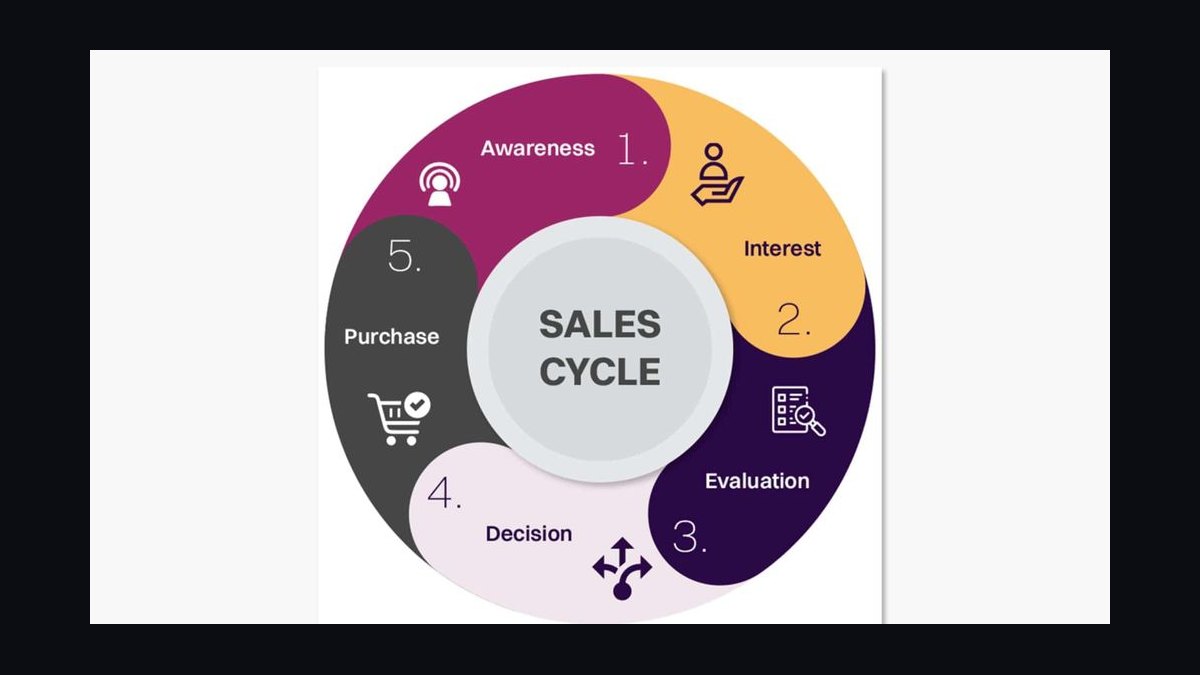
Not every team needs to rebuild its attribution model immediately. The decision should be driven by three factors: cycle length, committee size, and how much of the buying activity is happening off the CRM (in Slack, AI chat tools, procurement portals, or partner ecosystems). A team with a 45-day cycle and two stakeholders gets little benefit from a heavyweight weighted model — the added complexity outweighs the accuracy gain. A team with a 12-month-plus cycle and a double-digit stakeholder count is almost certainly under-crediting the touches that actually drove the deal.
The recalibration step at the bottom of the tree matters as much as the initial choice. A model that fit the business a year ago can go stale quickly if deal size, cycle length, or committee composition shifts — which is exactly the pressure many B2B sellers are under right now as buyers consolidate vendors and push more scrutiny into each individual purchase. RevOps should treat the "which model" decision as a standing quarterly review tied to the sales-ops forecasting cadence, not a one-time architecture choice.
Concrete numbers behind each approach
The economics of the decision come down to how much revenue the model is misattributing, and how expensive it is to fix. A few reference points RevOps teams commonly use when building the business case internally:
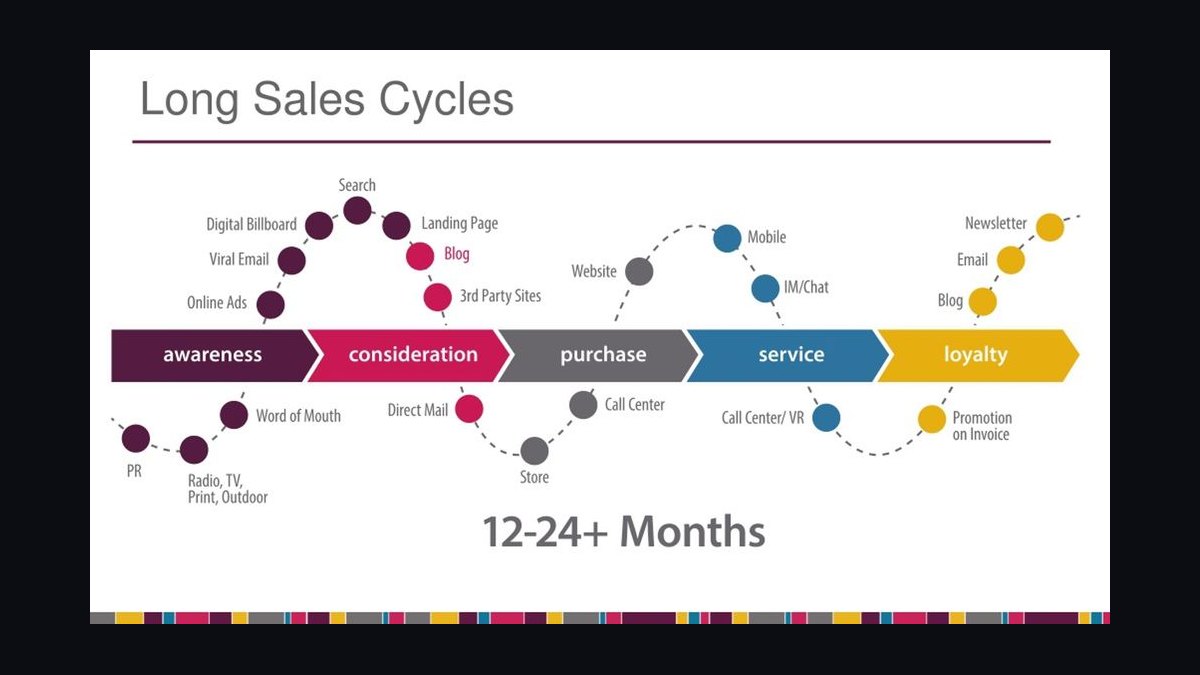
- Cycle length threshold. Once average time-to-close for a segment passes roughly nine months, last-touch models start systematically over-crediting late-stage activities like contract redlines and final pricing calls — activities that are necessary but rarely the reason a deal exists in the first place.
- Committee size threshold. Enterprise buying groups in the six-to-twelve stakeholder range are now common for six- and seven-figure software purchases. Each additional stakeholder beyond the first two or three adds touches the legacy model wasn't designed to weigh, because those models were built around a single "lead."
- Off-CRM activity share. A meaningful minority of buying-committee research and validation now happens in channels the CRM never sees directly — internal Slack discussion, security and procurement portals, and increasingly AI research assistants that summarize vendor comparisons for a stakeholder who never fills out a form. Teams that don't ingest these signals are working from an incomplete picture no matter how sophisticated their scoring math is.
- Weighting ranges in practice. Teams building weighted models typically start simple: economic buyers and budget holders get roughly double the credit weight of an individual contributor's engagement, and machine-generated interactions (auto-scheduling, bot replies) get discounted to a fraction — often somewhere around a third — of an equivalent human interaction, so automation doesn't artificially inflate a deal's score.
- Recalibration cadence. Because buyer behavior and tooling both keep shifting, most teams that have redefined their model plan to review weightings quarterly against actual closed-won and closed-lost outcomes rather than setting weights once and leaving them static for a year.
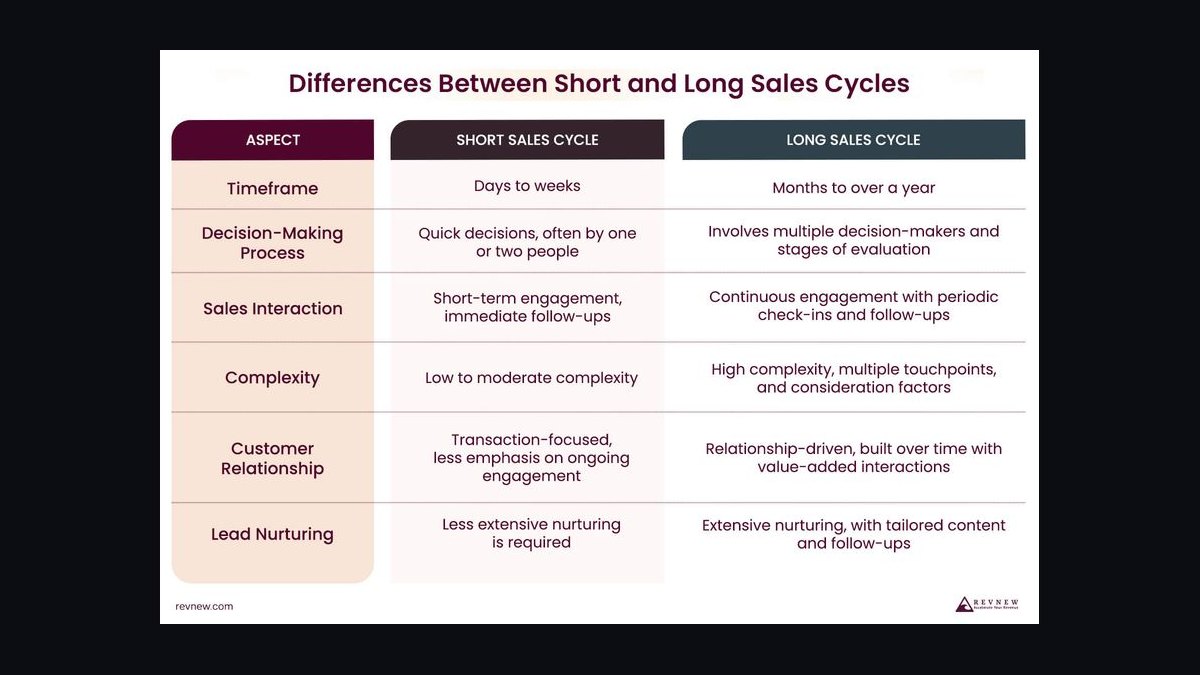
None of these numbers are meant to be copied verbatim into a scoring engine — every business's deal shape is different. Their value is as sanity checks: if your committee size, cycle length, and off-CRM activity share look like the ranges above, your current single-touch model is very likely under-attributing revenue to the interactions that actually created it.
Implementation details and sequencing
Redefining the model is a sequencing problem as much as an analytics one. Ripping out the MQL overnight and replacing it with an unproven scoring system is riskier than most RevOps leaders should accept, since sales compensation, marketing budget allocation, and board-level pipeline reporting all lean on whatever the "official" metric is. The safer path runs both models in parallel before cutting over.

A few sequencing details are worth calling out explicitly because they're where implementations tend to stall:
First, stakeholder role mapping has to happen before scoring, not alongside it. If the model can't reliably tell a budget-holder from an end user, every weighting decision downstream is built on guesswork. This usually means pulling in org-chart signals, email domain seniority cues, and meeting-attendee titles rather than relying on a single CRM contact field that's often stale.
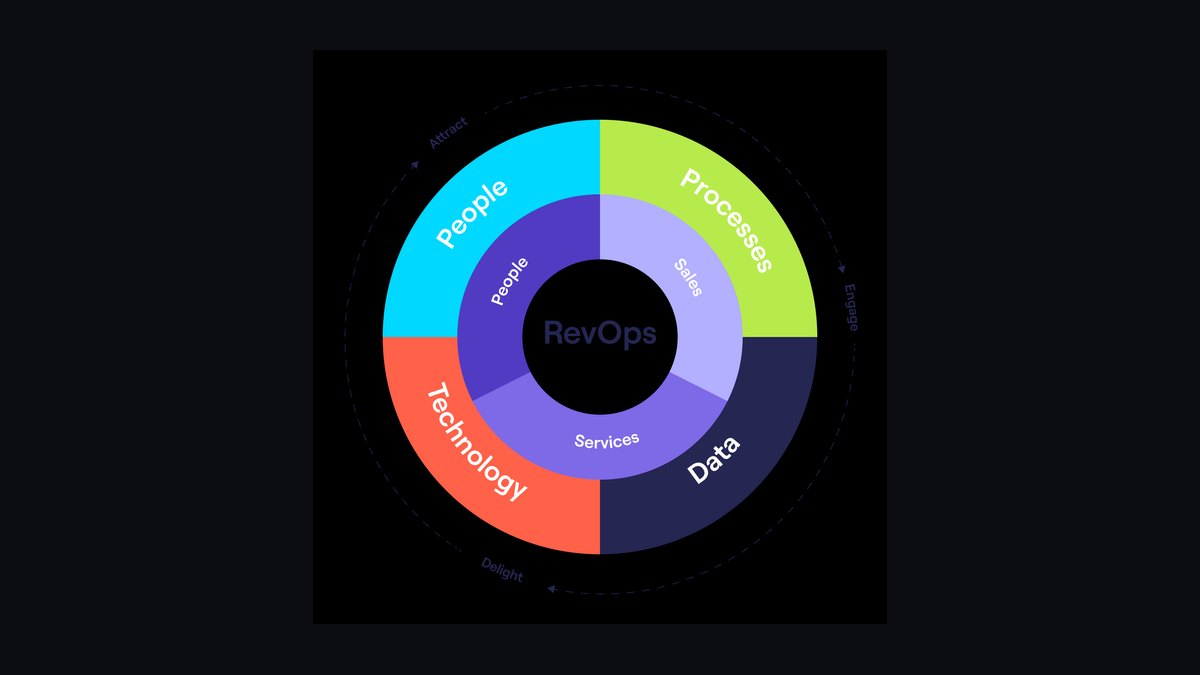
Second, off-CRM signal ingestion — call transcripts, shared Slack channels where sales has visibility, procurement or security portal activity — should be treated as its own workstream with its own timeline, because it typically requires new integrations rather than configuration changes to the CRM itself. Teams that skip this step end up with a "weighted" model that's really just a more complicated version of the same CRM-only blind spot.
Third, the parallel-run period is not optional. Sales and finance need to see that the new model actually correlates with real closed revenue before compensation or forecasting shifts to it — otherwise the redefinition becomes a trust problem instead of an accuracy improvement. A full quarter is a reasonable minimum; longer-cycle businesses may need two quarters to get a statistically meaningful comparison.
Finally, retiring the legacy MQL as the primary metric doesn't mean deleting it. Many teams keep a simplified version alive as an early-funnel health indicator — it's still useful for measuring top-of-funnel volume — while the weighted score becomes the metric that actually governs handoffs, compensation, and revenue forecasting.
Related questions
Does a longer sales cycle always hurt attribution accuracy?
Not inherently. A longer cycle produces more data points to work with. The risk is only in applying a model built for short, single-buyer cycles to a long, multi-threaded one — the data is there, but the model isn't built to use it.
Can a smaller RevOps team realistically build a weighted attribution model?
Yes, at a simplified scale. Start with two or three stakeholder-role tiers and basic time-decay weighting rather than a full committee-mapping system, and expand complexity only once the simple version proves more accurate than last-touch.
Should marketing and sales compensation switch to the new model at the same time?
Not necessarily. Many teams shift reporting and forecasting to the weighted model first, then move compensation over once a full cycle of parallel-run data confirms the new model holds up under real payout stakes.
What happens to historical attribution data when the model changes?
It should be preserved, not discarded. Re-scoring a sample of past closed deals under the new model is exactly how teams validate the new weights before rolling it out live.
FAQ
Is the MQL metric dead in 2027? Not dead, but demoted. Many teams keep a simplified MQL as an early funnel-volume signal while a weighted, multi-touch score becomes the metric that actually governs handoffs, forecasting, and compensation.
What's the single biggest cause of attribution error in long cycles? Crediting one moment — usually the first or last touch — for a decision that ten-plus stakeholders actually made together over many months. The fix is spreading credit across the whole committee and timeline, not eliminating credit for any one touch.
Do AI agents really change attribution math? Yes. When AI tools handle scheduling, initial research, or comparison summaries without a human clicking a tracked link, that activity needs to be captured and weighted separately — usually at a discount versus genuine human engagement — so automation doesn't inflate a deal's score.
Is weighted attribution worth it for a short, simple sales cycle? Usually not. The added complexity mainly pays off once cycles run long and committees run large; a 30-45 day cycle with one or two buyers rarely needs more than a basic multi-touch or last-touch model.
How long should a team run the old and new model in parallel? A full quarter at minimum, long enough to compare the new model's scores against actual closed-won and closed-lost outcomes before shifting compensation or board reporting onto it.
Who should own the redefinition project — marketing ops or sales ops? Neither exclusively. Because the model touches lead scoring, sales compensation, and revenue forecasting, it needs a RevOps owner who can align marketing, sales, and finance on one shared definition rather than letting each function keep its own version.
Sources
- Gartner — Sales Insights
- Gong — Revenue Intelligence Resources
- Clari — Revenue Platform
- Forrester — B2B Research
- McKinsey — Growth, Marketing & Sales Insights
- HubSpot — State of Marketing Report
- Salesforce — Research and Reports
- Bain & Company — B2B Sales Insights
Related on PULSE
- How does the 2027 vendor consolidation wave redefine ideal customer profile scoring for platform health checks?
- How are 2027 longer sales cycles forcing you to change your compensation model?
- Which 2027 vendor consolidation trends are forcing RevOps to rebuild attribution models?
- Why are longer sales cycles forcing RevOps to revise quota models in 2027?
- Why are longer sales cycles in 2027 forcing B2B companies to adopt outcome-based pricing models?
- Can forcing headcount consolidation in RevOps actually lengthen sales cycles by reducing specialist input?
This page will be disappearing soon. Save it to your device for $1 — or read it free while it is here.
@Kory-White- · if Venmo asks, the last 4 of my number are 2012
This page is gone.
This one is off the shelf now. $1 keeps it on your phone for good — the whole page, pictures and diagrams included.
 revopsHow do you prioritize the RevOps backlog in 2027?
 revopsWhat does the WNBA's 2026 CBA mean for player pay and revenue sharing in 2027?
 revopsHow Do I Reconcile Competing Sales Forecasting Methods in 2027?
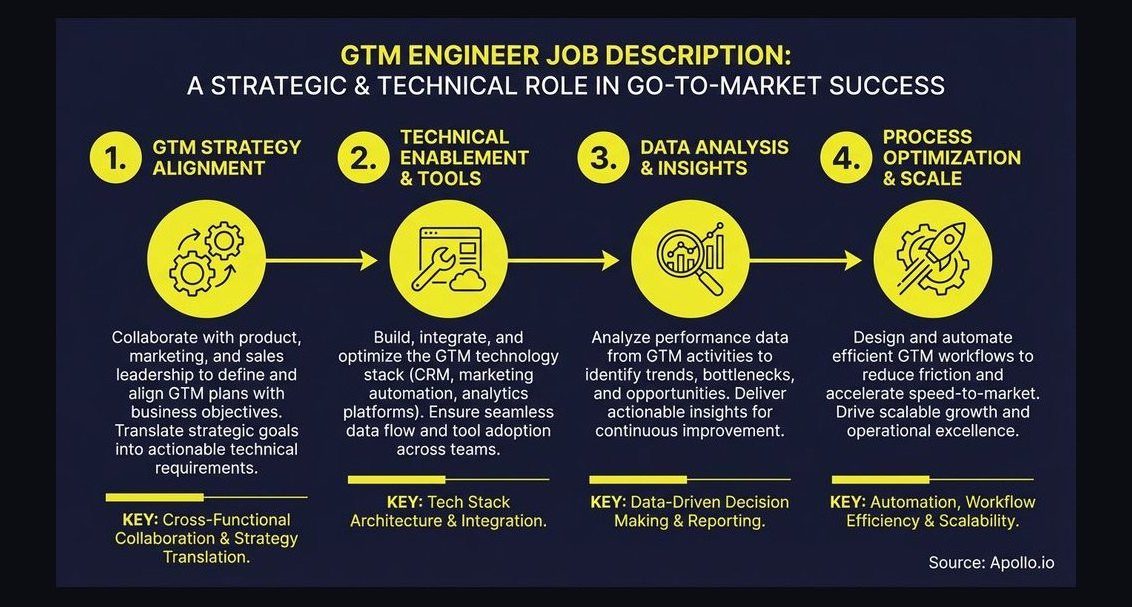 revopsWhat is a GTM engineer and why is the role exploding in 2027?
 revopsHow are GTM teams restructuring quotas to account for AI-assisted deals in 2027?
 revopsWhat vendor consolidation moves are most likely to disrupt existing ABM workflows in 2027?
 revopsHow do you rebuild a sales team's trust in the forecast after a mid-year quota reset in 2027?
 revopsWhich vendor consolidation patterns are signaling a shift toward single-platform GTM stacks in 2027?
 revopsWhy Do Buying Committees Now Insist on AI-Generated ROI Proof Before Vendor Demos in 2027?
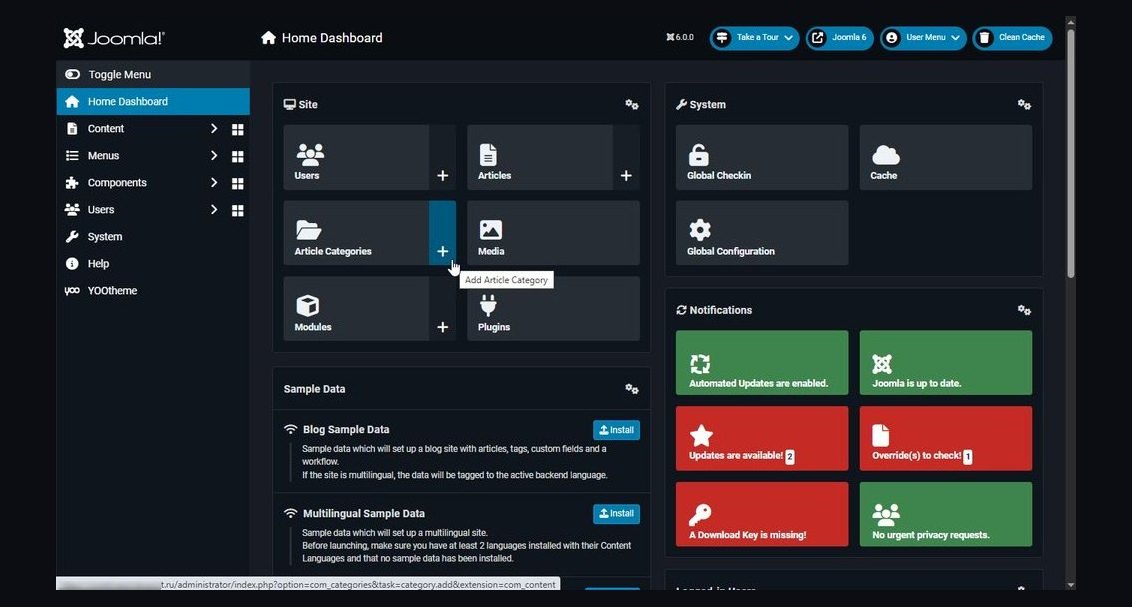 revopsHow Do I Build a Board-Ready GTM Efficiency Dashboard in 2027?