

How should sales enablement evolve when buying committee members are trained by their own AI coaches in 2027?
 Curated byKory White · Fractional CRO · Maryland
Quality
Certified

Enablement must stop producing static battle cards and start managing the data that trains both sides of the negotiation: the buyer's AI coach and the rep's own AI copilot. That means building structured objection datasets, running AI-vs-AI rehearsal loops before live meetings, and tracking deal velocity against AI-coached committees instead of content consumption. Enablement becomes a data-curation and RevOps function, not a content library.
The outcome you should expect
When buying committee members arrive having already rehearsed against their own AI coach, the shape of the sales conversation changes before the rep ever speaks. The committee member has typically run three to five simulated exchanges — pricing pushback, competitive comparison, implementation risk — and has a short list of pre-tested phrasings ready to deploy. Reps who walk in with a generic deck built for "typical" objections will feel like they're being tested against a script they can't see, because they are.
The realistic outcome for an enablement org that adapts well is not that AI coaching disappears as a factor — it's that the rep's own preparation closes the gap. Teams that build a rep-side copilot trained on the same categories of objections (pricing, TCO, competitive displacement, implementation risk) report meetings that feel less like ambush and more like a negotiation between two prepared parties. The committee member's AI coach surfaces an objection; the rep, primed by enablement's structured data feed, has a ready, specific counter rather than a scramble. That's the practical bar: not eliminating the AI-coached advantage, but matching preparation with preparation.

The failure mode to expect if enablement doesn't adapt is a slow bleed rather than a dramatic loss — deals don't die outright, they stall. A rep gets asked the same sharp, specific question three different ways by three different committee members (because their coaches drew from overlapping training data), fails to recognize the pattern, and burns a follow-up call re-explaining something that should have been pre-empted. Multiply that across a pipeline and the result is longer cycles, more follow-up meetings, and lower first-call-to-next-step conversion — not because the product is worse, but because the rep's preparation layer hasn't caught up to the buyer's.
What drives that outcome
Three forces determine whether a rep wins or loses the preparation gap: how current the objection data is, how well the rep's copilot is trained on the same categories the buyer's coach uses, and how quickly enablement can close the loop from a lost objection to an updated training set. Stale battle cards lose against a coach retrained on last week's competitor announcement. A rep copilot trained only on won-deal transcripts (survivorship bias) misses the objections that actually killed deals. And a slow feedback loop means the same objection sinks five reps before enablement notices the pattern.

The mechanism is essentially a race between two update cycles: how fast the buyer's coach absorbs new public information (pricing pages, review sites, competitor case studies) versus how fast enablement absorbs new objection patterns from actual calls and pushes them back out to reps. Whichever side updates faster controls the tempo of the conversation.
The practical implication is that enablement's core operating rhythm shifts from quarterly content refreshes to a weekly-or-faster review cadence. A quarterly battle card update cycle simply cannot keep pace with a buyer-side coach that's updated continuously against public data. Teams that treat this as a RevOps data pipeline problem — not a content authoring problem — are the ones that close the gap.

Benchmarks and realistic ranges
Concrete targets help enablement leaders know whether they're actually keeping pace or just going through the motions. A few reference ranges, based on how mature AI-augmented enablement functions currently operate:
- Objection-to-update turnaround: aim for under 5 business days from a rep flagging a new, unhandled objection to that objection being tagged, countered, and pushed into the shared enablement resource (rep copilot, updated card, or coaching note). Teams above two weeks are effectively always one cycle behind.
- Objection coverage: a mature enablement dataset should have documented, tested counters for at least 80-90% of the objections showing up in the last 90 days of call transcripts. Below 60% coverage, reps are improvising on the majority of substantive pushback, which is a strong predictor of stalled deals.
- Detection accuracy: reps should be able to correctly identify whether a committee member is working from AI-coached talking points (versus organic curiosity) most of the time — a rough operating target is 70%+ accuracy, trained through short pattern-recognition drills rather than guesswork. Overconfident misreads (treating a naturally sharp buyer as AI-coached, or vice versa) waste prep time or leave reps flat-footed.
- Cycle-length delta: expect a measurable difference — often in the range of 10-20% longer cycles — for deals where a committee is AI-coached and the rep's prep hasn't caught up, compared to deals where the rep's copilot and objection data are current. This is the single most useful metric for proving the ROI of investing in this workflow, because it's directly tied to revenue timing, which is the language RevOps leadership already tracks.
- Refresh cadence for buyer-facing data assets: dynamic buyer profiles and objection graphs should be reviewed at minimum monthly, with a lightweight weekly pass for anything tied to a live competitive threat (a competitor price change, a new case study, a negative review cycle).

These are directional benchmarks, not universal constants — actual numbers will vary by deal size, sales cycle length, and how commoditized the category is. The value of tracking them is comparative: is this quarter's turnaround faster or slower than last quarter's, and is the cycle-length delta shrinking as the enablement loop matures.
Risks, edge cases, and failure modes
The most common failure is treating this as a one-time project rather than an ongoing operating rhythm. A team that builds a solid objection dataset in Q1 and never revisits it has effectively built a new static playbook — just a more sophisticated one that will go stale exactly like the PDF battle cards it replaced. The discipline has to be the weekly or biweekly review cycle, not the initial build.

A second risk is over-indexing on won-deal data. If the rep copilot and objection library are trained primarily on calls that led to closed-won outcomes, they systematically miss the objections that actually kill deals, because those conversations are underrepresented in the training set. Enablement needs a deliberate process for pulling from closed-lost and stalled-deal transcripts, even though those conversations are less pleasant to review.
A third failure mode is false confidence in "AI coach detection." Reps who are told to watch for structured, rapid-fire objection sequences as a signal of AI coaching can start misreading naturally sharp, well-prepared buyers as AI-augmented — and adjust their tone in ways that come across as condescending or overly rehearsed. The detection skill needs to inform how a rep prepares, not change how they treat the person in the room. Committee members are still people making a decision with their own judgment, regardless of what tool helped them prepare.

A fourth edge case is data governance. Feeding real call transcripts, even redacted ones, into a training pipeline that a rep's AI assistant draws from raises the same data-handling questions as any other customer data pipeline — consent language in call-recording disclosures, PII redaction before anything leaves the CRM, and clear ownership of who can access the raw transcripts versus the synthesized objection patterns. Enablement teams that skip this step create legal and trust exposure that has nothing to do with sales performance and everything to do with basic data hygiene.
Finally, there's a coordination risk between enablement, sales ops, and whatever team owns the CRM and call-recording tooling. If enablement builds a great objection-tagging workflow but it lives in a spreadsheet nobody else touches, the loop breaks the moment the person who built it goes on vacation. This needs to be a shared, documented process — ideally sitting inside the same RevOps tooling stack that already owns call recording and deal data, not a shadow system enablement runs alone.

A practical rollout plan
Start narrow. Pick one deal stage or one commonly lost objection category (pricing pushback is usually the highest-volume starting point) and build the full loop end-to-end for that one category before expanding. Trying to build a comprehensive objection graph across every possible topic on day one guarantees an unfinished project.
- Week 1-2: Audit existing losses. Pull the last 60-90 days of closed-lost and stalled deal transcripts. Tag every instance of the target objection category. This gives you a real baseline instead of a guess at what buyers are actually pushing back on.
- Week 3: Build the structured dataset. For each tagged objection, document the exact phrasing pattern, the context it showed up in, and — critically — what a strong counter actually looks like, drawn from calls where a rep handled it well. This becomes the seed data for both human coaching notes and any rep-facing AI tool.
- Week 4: Train and distribute. Push the dataset out in whatever form your reps actually use — a living coaching doc, a searchable objection library, or, if the team has one, a rep-facing AI assistant trained on this data. Run a short live drill where reps practice against the most common phrasings.
- Ongoing, weekly: Flag and review. Every new call gets scanned (by the rep or by a lightweight review process) for objections that don't match the existing dataset. Anything new gets triaged within the week and added.
- Monthly: Measure and expand. Check the benchmarks above — turnaround time, coverage, cycle-length delta — for the category you started with. Once that loop is running smoothly with minimal manual effort, add the next objection category and repeat.

The key discipline in this rollout is resisting the urge to scale before the loop is proven. A single well-maintained objection category with a fast, reliable weekly review cycle produces more measurable deal-velocity improvement than five half-maintained categories that go stale within a quarter.
Related questions
Do reps need their own AI assistant to compete with AI-coached buyers?
Not necessarily a dedicated AI tool — a well-maintained, frequently updated objection library and coaching cadence can close most of the gap. The AI assistant is a delivery mechanism, not the substance; the substance is current, specific counter-data.
How is this different from traditional battle card maintenance?
The cadence and specificity are different. Battle cards are typically refreshed quarterly and written in general terms; this approach requires weekly review and ties directly to real transcript evidence of what buyers are actually saying.
Who owns this process — enablement or RevOps?
It works best as a shared responsibility: enablement owns the coaching content and rep training, while RevOps or sales ops typically owns the underlying data pipeline (call recording, tagging infrastructure, CRM integration) that feeds it.
What's the fastest way to start without new tooling?
Manually tag objections from recent lost-deal transcripts in a shared doc or spreadsheet, review weekly, and coach live. The dataset and cadence matter more than the tooling in the first 90 days.
FAQ
Does every buying committee member actually use an AI coach today? No — adoption varies widely by industry, deal size, and how technically sophisticated the buyer organization is. The point isn't to assume every buyer is AI-coached, but to build a preparation process robust enough to handle it when they are, without over-investing for buyers who aren't.
Will this replace human sales coaching and managers? No. Managers still coach judgment, tone, and relationship-building — things a dataset of objection patterns can't teach. This workflow is a supplement that keeps the factual and competitive layer of preparation current, not a replacement for coaching.
How do we know if a rep is actually using the updated objection data? Track it the same way you'd track any enablement asset adoption — usage logs if it's delivered through a tool, or simple spot-checks in call reviews to see whether reps are deploying the newer counters versus falling back on old habits.
What if our call volume is too low to generate enough training data? Smaller teams can supplement internal transcripts with win-loss interview notes, competitive intelligence from sales ops, and publicly available competitor materials, applying the same tagging discipline to a smaller but still real dataset.
Is there a risk of over-preparing and sounding robotic? Yes, if counters are memorized verbatim rather than internalized. Coaching should emphasize understanding why a counter works, not reciting a script, so reps can adapt phrasing naturally in the room.
How does this affect discount governance and pricing conversations? Objection data on pricing pushback should feed directly into whatever discount governance process already exists, so reps have both a tested talking point and a clear sense of where they actually have room to negotiate versus where policy is firm.
Sources
- Gong Labs: AI in Sales Conversations
- Gartner: Sales Enablement Research
- Forrester: B2B Buying Behavior Research
- McKinsey: B2B Sales in the AI Era
- Harvard Business Review: Sales Enablement
- SaaStr: Sales and GTM Insights
- Salesforce: State of Sales Research
Related on PULSE
- How should discount governance evolve as the company scales from founder-led to a hired VP Sales or CRO?
- How do you coach the coaches — developing your sales managers?
- How should a 2027 sales org train managers as sales coaches?
- What should sales enablement measure when reps carry their own AI copilots?
- How should RevOps structure win-loss data so it actually improves future deals?
This page will be disappearing soon. Save it to your device for $1 — or read it free while it is here.
@Kory-White- · if Venmo asks, the last 4 of my number are 2012
This page is gone.
This one is off the shelf now. $1 keeps it on your phone for good — the whole page, pictures and diagrams included.
 revopsWhy are longer sales cycles in 2027 driving adoption of AI-based meeting summarization tools?
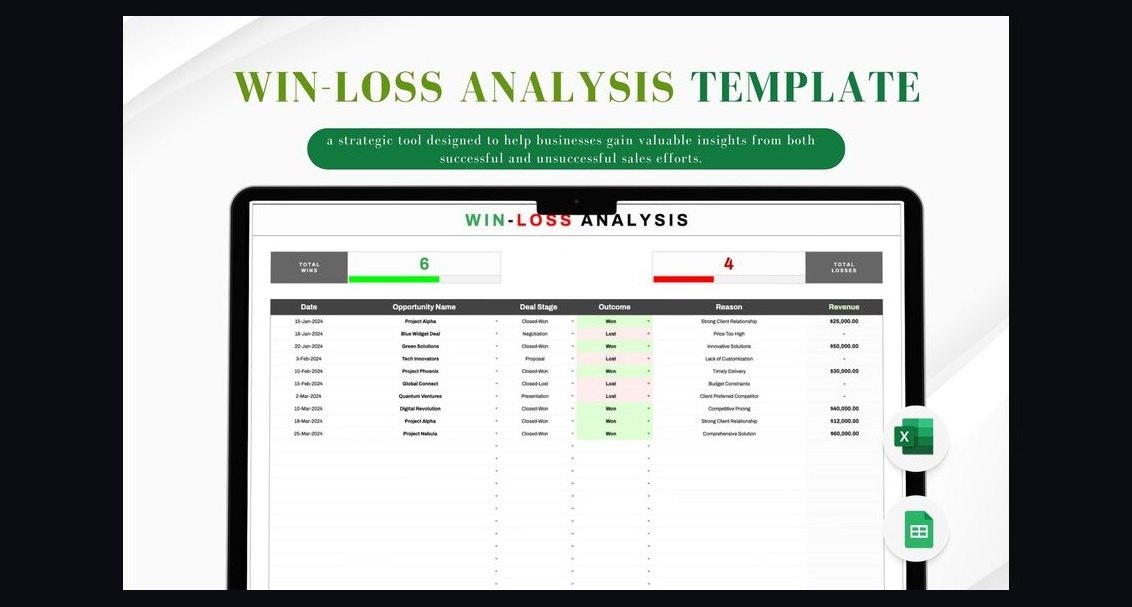 revopsHow Do I Run a Win/Loss Analysis Program That Improves Win Rate in 2027?
 revopsHow does vendor consolidation impact sales tech stack integration costs in 2027?
 revopsWhat role does AI play in reducing vendor bloat for enterprise GTM stacks in 2027?
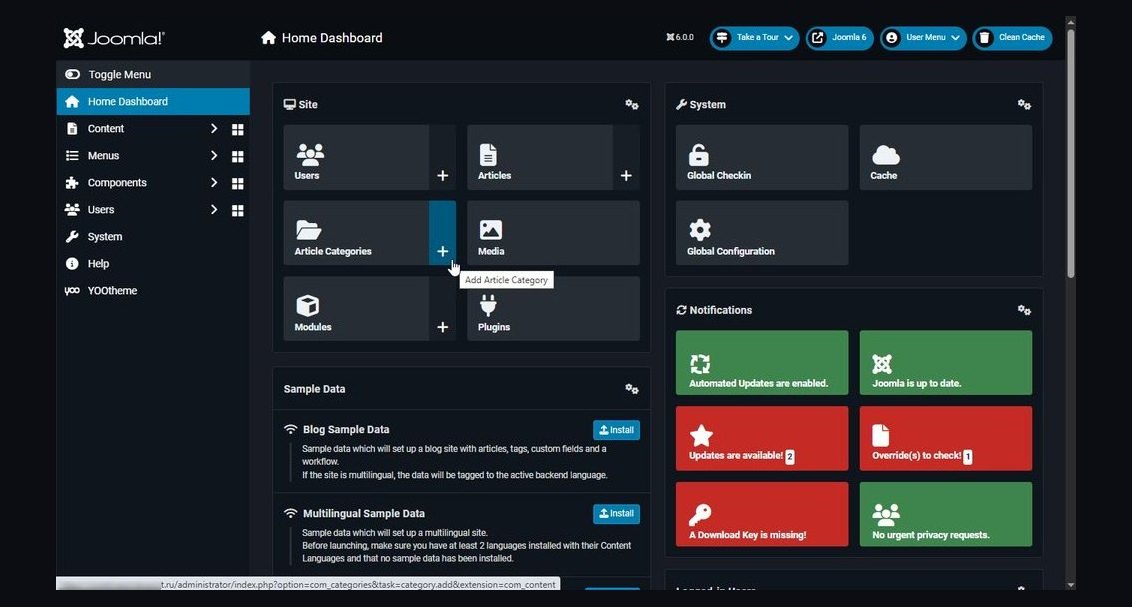 revopsHow Do I Build a Board-Ready GTM Efficiency Dashboard in 2027?
 revopsHow do you rebuild a sales team's trust in the forecast after a mid-year quota reset in 2027?
 revopsHow do you prioritize the RevOps backlog in 2027?
 revopsHow do longer sales cycles in 2027 impact the calculation of customer acquisition cost?
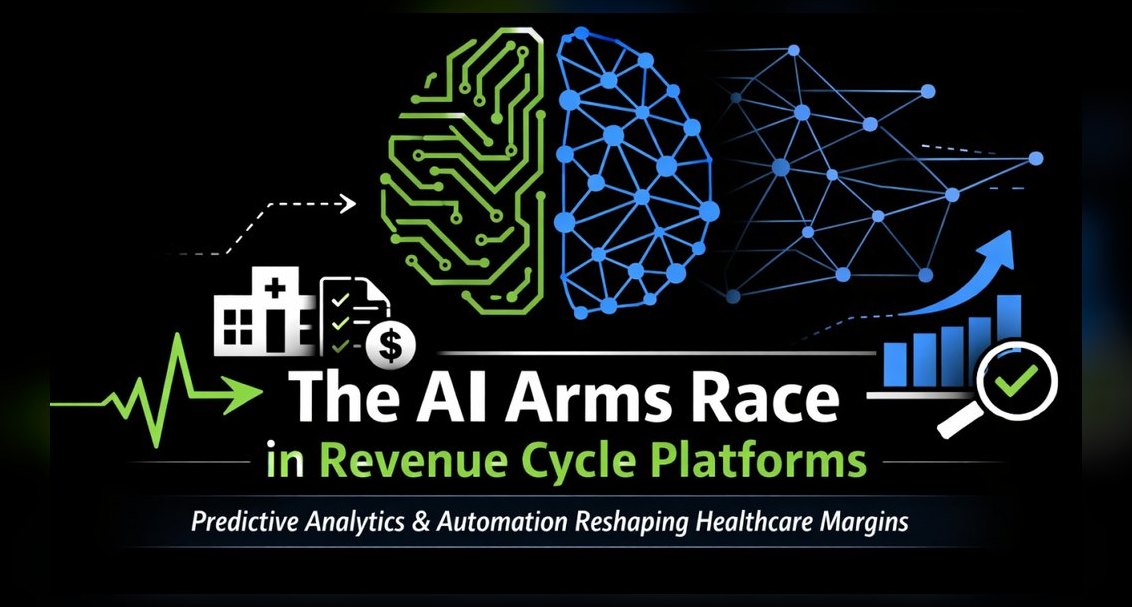 revopsHow is AI in the funnel reshaping the scoring of B2B inbound leads in 2027?
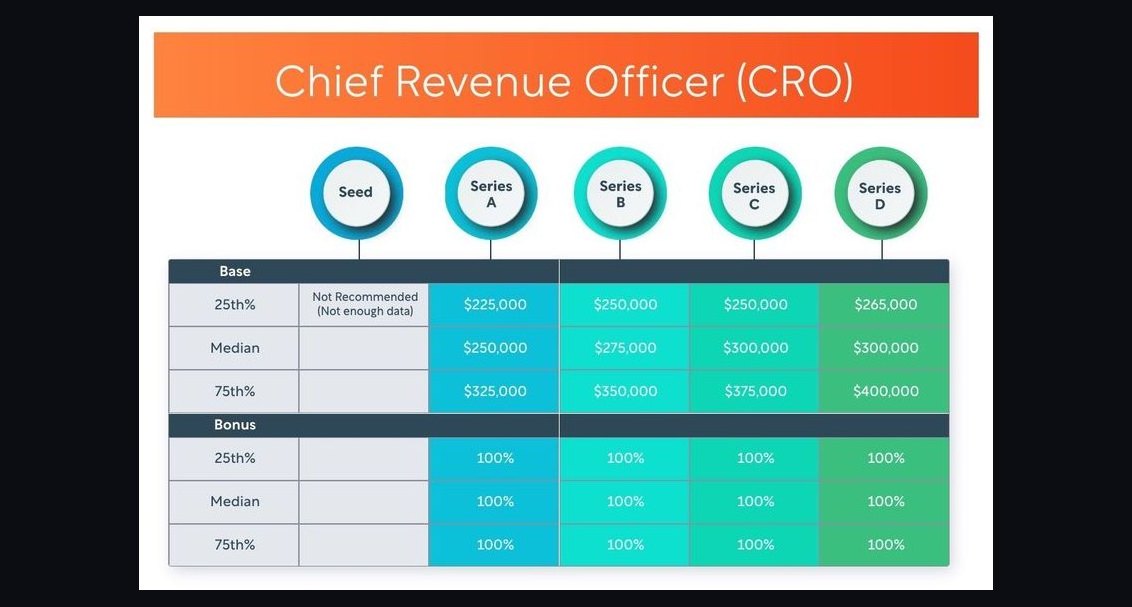 revopsCRO compensation — fractional, full-time, equity in 2027