


How do you winterize a wakeboard boat the right way in 2028?
Quality
Certified

To winterize a wakeboard boat the right way in 2028, you fully drain and antifreeze the ballast system, stabilize and fog the engine, flush the closed or raw-water cooling loop with marine antifreeze, pull and trickle-maintain the batteries, and dry out every soft good before storage. The ballast tanks, pumps, and plumbing are what separate a wake boat from an ordinary runabout — trapped water there is the single most common cause of spring failures. Done in order, the whole job takes a careful weekend and protects a boat that often carries a five-figure repair exposure in its drivetrain and electronics alone.
Wakeboard and surf boats are heavier, wetter, and more mechanically complex than the runabouts most winterizing checklists were written for. They pull hundreds of pounds of water in and out of the hull on every set, run bigger stereo and battery banks, and increasingly ship with hybrid-assist and drive-by-wire systems on 2027–2028 model years. That complexity means a generic "fog it and cover it" routine leaves failure points untouched. The right approach treats the boat as a set of water-holding subsystems — cooling, ballast, plumbing, bilge — and proves each one is empty and protected before the first hard freeze.
What makes winterizing a wake boat different from a regular boat?
The defining difference is ballast. A wakeboard boat's whole purpose is to displace water to shape a wake, so it carries integrated hard tanks, bladder bags, or both, plumbed through reversible pumps, sea strainers, and dozens of feet of hose. Every one of those runs holds standing water after your last set. Water expands roughly 9% when it freezes, and a hose or pump housing that can't accommodate that expansion splits. Because ballast plumbing snakes through the bilge and under seating, a split you can't see in November becomes a flooded compartment and a dead pump in April. This is why any credible winterizing sequence for a surf boat starts and ends with the ballast system, not the engine.
The second difference is electrical load. Surf and wake boats run large house battery banks to feed amplifiers, tower speakers, underwater lights, and increasingly a 48-volt or hybrid-assist accessory system on newer platforms. Those banks self-discharge over a cold winter, and a lead-acid or AGM battery left partially charged in freezing temperatures can freeze solid and rupture. Lithium (LiFePO4) banks, now common on premium 2028 boats, don't freeze the same way but must not be *charged* below freezing and want to be stored around a 50–60% state of charge. Getting the electrical side wrong is expensive precisely because these boats carry so much of it. Treat winterizing as an operations problem — a repeatable checklist with proof at each step — the same way a good seasonal operations playbook treats any recurring, high-stakes process.
What's the correct order of operations?
Sequence matters because some steps contaminate others. You run the engine to circulate stabilizer and antifreeze, so fuel and cooling work happens while the motor is warm; ballast draining happens on the trailer with the bow slightly high; battery removal happens last so you can run pumps and the blower right up until the boat is parked. Doing ballast before the final engine run, or pulling batteries before you've purged the plumbing, forces you to redo work.
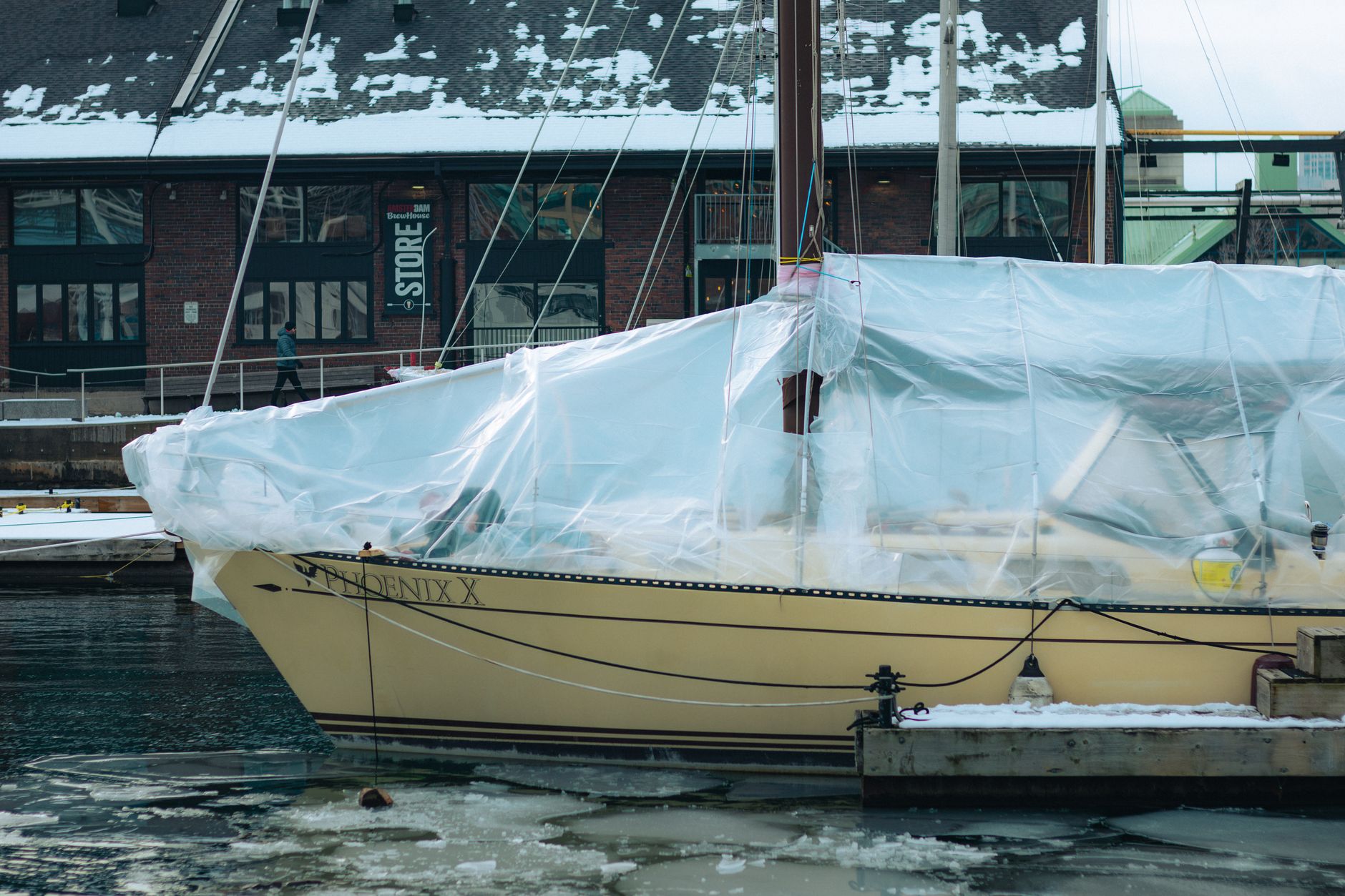
Here's the master sequence most marine techs and owner's manuals converge on for an inboard/V-drive wake boat:
The two orange steps — ballast purge and cooling-loop antifreeze — are the ones that cause catastrophic, boat-out-of-commission damage if skipped. Everything else is about longevity and starting easy in spring. If you only have limited time and a freeze is coming tonight, do those two first and come back for the rest.
How do you properly drain and protect the ballast system?
Start by running each ballast pump in its empty/drain direction until it sucks air and stops moving water — most 2026-and-newer control screens have a dedicated "empty all" or "winterize" cycle that sequences every tank for you. But an empty-cycle rarely gets everything. Hard tanks have low spots, bag systems trap water in folds, and reversible pumps hold water in the housing. After the automated cycle, physically raise the bow (jack the trailer tongue or park nose-up) so residual water migrates toward the drain/pickup, and run the pumps again.
Then decide between two protection methods. The blow-out method uses low-pressure compressed air (or a dedicated ballast blower) pushed through the vents or fill lines to force standing water out of tanks, bags, and hoses — no chemicals, nothing to flush in spring, but you must be thorough because air finds the easy path and can leave pockets. The antifreeze method draws non-toxic propylene glycol marine antifreeze (the pink -50°F/-100°F RV/marine type, never automotive ethylene glycol) through the system until it runs pink from every outlet, guaranteeing any trapped water is diluted below its freeze point. Many owners in genuinely cold climates do both: blow out the bulk, then pull antifreeze through to protect the dregs and lubricate the pump seals. Whichever you choose, cycle each pump a final time after treating so the impeller and housing themselves are protected. A written per-tank checklist beats memory here — the same disciplined, evidence-per-step verification that keeps any complex operational process from silently failing.
Don't forget the sea strainer, ballast sea-strainer screen, and any surf-gate or wake-shaping actuators. Clear the strainer of debris, and on surf systems with hydraulic or electric gates, wipe and lubricate the mechanisms per the manufacturer's guidance so they don't seize over winter.
How do you winterize the engine and cooling system?
Wake boats run either raw-water (open) cooling, where lake water circulates directly through the block, or closed (heat-exchanger) cooling, where a sealed antifreeze loop is cooled by raw water on the other side of an exchanger. You need to know which you have, because the steps differ.
For fuel, top the tank to about 95% full to minimize the air space where condensation forms, add a marine fuel stabilizer (critical with today's ethanol-blended pump gas, which absorbs water and phase-separates over months), and run the engine 10–15 minutes so stabilized fuel reaches the injectors or carburetor and the whole rail is protected.
For oil, change it and the filter while the engine is warm from that run — warm oil carries suspended acids and moisture out with it, and you don't want those sitting in the crankcase eating bearings all winter. Change the V-drive and transmission fluid too if you're near interval.
For cooling, warm the engine to open the thermostat, then circulate marine antifreeze through the loop until it discharges pink and cold. On a raw-water boat you're displacing all the lake water in the block, manifolds, and exhaust risers; on a closed-cooling boat you're protecting the raw-water side and verifying the closed loop's coolant concentration is rated for your lowest expected temperature. Then fog the cylinders — spray fogging oil into the intake (or through spark-plug ports) so a protective film coats cylinder walls and rings against corrosion. Finally, inspect the raw-water impeller; many techs pull it for winter so the vanes don't take a set against the pump housing, leaving it where they'll see it as a spring reminder to reinstall.

A note on 2028 drivetrains: more wake boats now ship with electronic throttle, hybrid-assist starters/alternators, and integrated emissions gear. Follow the manufacturer's winterizing supplement for these — some hybrid systems want a specific state-of-charge for storage and have a guided lay-up mode in the dash software. When in doubt, the dealer service bulletin is the source of truth, not a generic outboard checklist.
What about plumbing, batteries, and the interior?
Fresh-water plumbing — the ski/wake washdown, transom shower, sink, and any freshwater tank — is easy to overlook and cheap to protect. Drain the tank, then either blow the lines out with low-pressure air or pump pink antifreeze through until it runs from every faucet and the shower head. Don't forget the water heater if equipped; bypass and drain it per its instructions.
Batteries are where lithium and lead-acid part ways. For flooded/AGM banks, fully charge them, then either remove them to a cool, dry indoor space on a smart maintainer, or leave them installed on a multi-bank marine maintainer if the boat is stored where the charger can stay plugged in. A full battery resists freezing; a discharged one does not. For LiFePO4 banks common on 2028 premium boats, store them at roughly 50–60% state of charge, disconnect them, and critically — never let the system attempt to charge them below freezing, which permanently damages the cells. Many smart lithium BMS units block cold charging automatically, but verify yours does. Clean and dielectric-grease all terminals either way.

Interior and soft goods are about mold and mildew, not freeze. Wake boats trap water everywhere — under bean-bag seating, in the wet storage, in the bilge. Pull the plug and let the bilge drain fully, prop every locker and glovebox open, remove or fully dry all cushions and life vests, and consider desiccant tubs or a low-draw dehumidifier if storing indoors. Wipe vinyl with a marine protectant, retract or remove the tower Bimini and speakers per the manual, and treat the trailer too — grease the bearings (or check the bearing-buddy/oil-bath level), check tire pressure, and chock so it's not sitting flat-spotted for six months.
Finally, cover it right. A breathable, vented cover or shrink-wrap with vents prevents the trapped-moisture greenhouse that grows mildew; a sealed tarp does the opposite. Store bow-high so any water that finds its way in drains toward the plug, and leave that plug out with a bright reminder tag so nobody launches in spring with an open hull.
How much does professional winterizing cost versus DIY in 2028?
There's real money on both sides. Costs vary widely by region, engine, and shop rate, so rather than quote a figure that would be fiction, think about it as a trade-off between labor cost and risk cost. A DIY winterization spends on consumables — several gallons of marine antifreeze, fresh oil and filters, fuel stabilizer, fogging oil, a maintainer — plus your weekend. A professional lay-up bundles those consumables into a flat or hourly service and adds a trained eye that may catch a weeping seal or a marginal impeller before it fails.
The decision usually turns on two things: your comfort working around the ballast and cooling systems, and the consequence of a mistake. A cracked block or a flooded ballast bay from one missed drain point can dwarf a season of professional lay-ups, which is why many owners DIY the routine steps but pay a shop the first year to learn the boat's specific quirks and drain points. If you keep the boat under warranty or a service plan, confirm whether professional winterizing is required to keep coverage valid — some 2027–2028 warranties condition drivetrain coverage on documented seasonal service. Treating that documentation trail as part of the job — dated photos, receipts, a saved checklist — is exactly the kind of record-keeping discipline that protects you if a warranty claim is ever questioned.
Related questions
When should you winterize a wakeboard boat?

Before the first hard freeze in your area — typically late September to November in cold climates. Watch the forecast, not the calendar; a single overnight freeze on a full ballast system can split hoses. If in doubt, winterize early.
Can you skip winterizing in a mild climate?
If temperatures never approach freezing you can skip the antifreeze steps, but never skip fuel stabilizer, an oil change, battery maintenance, and drying the interior. Ethanol fuel degradation, corrosion, and mildew happen regardless of temperature.
Do you need to winterize the ballast bags specifically?
Yes — bags trap water in folds even after the empty cycle. Raise the bow, run the pumps to air, then blow out or pull antifreeze through. Split bags and seized ballast pumps are the most common spring wake-boat failures.
Is RV antifreeze safe for a wakeboard boat?
Use the non-toxic propylene glycol pink antifreeze (the RV/marine type) for potable plumbing and ballast. Never use automotive ethylene glycol antifreeze anywhere water can reach the lake — it's toxic to aquatic life and to people.
How long does winterizing take?
A thorough DIY job on a wake boat runs a careful half to full day for someone who knows the boat, longer the first time. Rushing is where drain points get missed, so budget the time rather than squeezing it into an evening before a freeze.
FAQ
Do I really need to fog the engine every winter? Fogging protects cylinder walls and rings from corrosion during months of sitting. For a boat stored in a humid or unheated space, yes — it's cheap insurance. For a short lay-up in a climate-controlled space it matters less, but most manufacturers still recommend it.
Should batteries stay in the boat or come out? Either works if they stay charged. Removing them to a cool, dry indoor spot on a smart maintainer is safest against freezing and theft. If left aboard, keep them on a multi-bank marine maintainer. Lithium banks should be disconnected, stored around 50–60% charge, and never charged below freezing.

What's the difference between raw-water and closed cooling for winterizing? Raw-water systems circulate lake water directly through the engine, so you must displace all of it with antifreeze. Closed systems have a sealed antifreeze loop cooled by a raw-water side — you verify the closed loop's rating and protect only the raw-water side. Check which your boat has before starting.
Can freezing damage happen even if I drained the ballast? Yes. Draining removes the bulk, but low spots in tanks, folds in bags, and water in pump housings retain enough to split components. That's why the correct method finishes with a blow-out or antifreeze pull and a final pump cycle, not just an empty command on the screen.
Do I need to change the oil before storage or in spring? Before storage. Warm used oil carries out the acids and moisture that would otherwise corrode bearings all winter. Change it hot after your stabilizer run, then you start spring on clean oil ready to go.
How do I winterize a surf boat with hydraulic surf gates? Treat the gates as their own subsystem: cycle them through full range to clear water, wipe and lubricate the actuators or hydraulic rams per the manual, and confirm no water is trapped in the mechanism or its plumbing. Then winterize ballast and engine as normal.
Is shrink-wrap or a cover better? Both work if they breathe. Vented shrink-wrap gives the tightest, most weatherproof seal for outdoor storage; a quality vented canvas cover is reusable and fine for covered or indoor storage. The failure mode for either is trapping moisture — never seal a damp boat under an unvented tarp.
Does newer boat tech change the winterizing routine? 2027–2028 boats with drive-by-wire, hybrid-assist, and integrated screens often include a guided winterize/lay-up mode and specific storage state-of-charge requirements. Follow the manufacturer's supplement for those systems rather than a generic checklist, and keep the service records for warranty.
Sources
- BoatUS — Winterizing Your Boat
- Discover Boating — How to Winterize a Boat
- West Marine — Winterizing Your Boat's Engine and Systems
- Malibu / Axis Owner's Resources — Ballast System Care
- Nautique — Owner's Manuals & Winterization Guidance
- MasterCraft — Boat Care and Winterization
- NADA / J.D. Power Boat Values — Seasonal Maintenance Guidance
- BRP / Rotax Marine — Engine Storage Recommendations
- Interlux / Marine Antifreeze Product Guides
Related on PULSE
- How do you cycle a new saltwater reef aquarium the right way in 2028?
- What's the right way to navigate IT vs business stakeholders?
- What's the right way to recover a deal where your champion got promoted out of the buying role mid-cycle?
- What's the right way to extract honest feedback from a buyer who chose a competitor — without sounding salty?
- What's the right way to handle Security review with limited resources?
- What's the right way to handle "we need to think about it" when the buyer ghosts you for 2 weeks after?
This page will be disappearing soon. Save it to your device for $1 — or read it free while it is here.
@Kory-White- · if Venmo asks, the last 4 of my number are 2012
This page is gone.
This one is off the shelf now. $1 keeps it on your phone for good — the whole page, pictures and diagrams included.
 revopsHow do you measure renewal ghosting when sales on Outreach and leadership only reviews pipeline coverage monthly on Dynamics 365 in 2027?
 revopsHow do you model expansion rate for land-and-expand on Pipedrive without another point solution in 2027?
 revopsHow do you fix broken lead routing when no dedicated RevOps hire yet and leadership only reviews win rate monthly on Dynamics 365 in 2027?
 revopsHow do you automate CAC payback for multi-product bundles on Pipedrive without another point solution in 2027?
 revopsWhat is the RevOps playbook for legal redline cycle time during event-sourced pipeline on Salesforce when no dedicated RevOps hire yet in 2027?
 revopsHow do you attribute stage conversion for marketplace listings on Pipedrive without another point solution in 2027?
 revopsHow do you score ARR waterfall for marketplace listings on Pipedrive without another point solution in 2027?
 revopsHow do you reconcile bookings vs billings for AE-led on Pipedrive without another point solution in 2027?
 revopsHow do you audit sales cycle length for land-and-expand on Pipedrive without another point solution in 2027?
 revopsHow do you dedupe NRR for event-sourced pipeline on Pipedrive without another point solution in 2027?