


How do you introduce a second dog into a one-dog household in 2028?
Quality
Certified

Introduce a second dog by starting on neutral ground with a parallel leashed walk, keeping the first week structured around separation, resource control, and short supervised sessions rather than a single dramatic "meeting." The single biggest predictor of long-term success is not the first handshake but the resident dog's baseline stability and how carefully you stage-manage food, toys, and sleeping space in the first 30 days. In 2028, the process is unchanged in fundamentals but easier to execute well, because affordable behavior cameras, standardized shelter matching data, and Fear Free-certified support have made the introduction far more measurable than it was a decade ago.
Bringing a second dog home is one of those decisions that feels like an emotional event and is actually an operations problem. Owners who treat it as an operations problem — with a plan, a schedule, defined roles, and a way to measure whether it's going well — succeed at dramatically higher rates than owners who "just let them figure it out." The good news is that the playbook is well established, the failure modes are predictable, and almost every mistake happens in a small number of high-risk moments you can plan around in advance. What follows is the full system: how to prepare, how to run the first meeting, what the first month looks like day by day, how to read the warning signs, and what's genuinely different about doing this in 2028.
What should you do before the second dog ever comes home?
The introduction succeeds or fails weeks before the two dogs meet. Preparation is where you buy down almost all of your risk, and it splits into two tracks: matching the right dog and preparing the home. On matching, the temperament and energy of the new dog matter far more than breed, size, or coat. A common and costly mistake is choosing a second dog that mirrors the first — two high-drive adolescents of the same sex, for example, is one of the harder combinations to manage. The more reliable pairing is complementary: a calm, confident resident dog with a younger or more deferential newcomer, or an opposite-sex pairing, which historically shows lower rates of persistent same-household conflict. If your resident dog has any history of resource guarding, leash reactivity, or fear-based aggression, resolve or substantially improve that *before* adding a second dog. A second dog does not fix a behavior problem; it multiplies it.
On the home side, you want the environment fully staged before arrival so nothing has to be improvised in a high-tension moment. That means a separate feeding station for each dog in different rooms, two of every high-value resource (beds, water bowls, chews) so there is nothing worth fighting over, a crate or gated "safe room" for the newcomer, and every disputed item — the resident dog's favorite toys, the couch, the bed — decided in advance so you're enforcing a plan rather than reacting. Baby gates are the single most useful tool you can own, because they let the dogs see, smell, and habituate to each other with a hard physical boundary that removes any possibility of a fight while trust is still forming. RevOps-minded owners will recognize this as the same principle behind any good rollout plan: you stage the environment, define the guardrails, and remove the failure modes before you flip the switch — you don't launch and hope.

How do you run the actual first meeting?
The first meeting should happen on genuinely neutral territory — a park, a quiet street, a friend's yard — never inside the home or the yard the resident dog already considers its own. Territory is the biggest single accelerant of a bad first meeting, and it costs you nothing to remove it simply by choosing where you meet. Bring two handlers, one calm and experienced person per dog, each dog on a loose leash. Tension travels straight down the leash, so a tight, anxious grip is one of the most common self-inflicted wounds in a first introduction. Your job is to stay loose, upbeat, and boring.
Rather than walking the dogs nose-to-nose, start with a parallel walk: the two handlers walk the dogs in the same direction, maybe fifteen to twenty feet apart, gradually narrowing the distance as both dogs stay relaxed. This lets them gather information about each other — movement, scent, body language — without the pressure of a face-to-face standoff, which is the exact geometry most likely to trigger a defensive reaction. When both dogs are loose and curious, you allow a brief three-to-five-second sniff, then cheerfully call them apart and reward. Short, positive, and interrupted-on-a-good-note beats long and open-ended every time. Watch for the green flags — loose wagging, play bows, soft eyes, curved approaches — and the red flags — stiff freezing, hard staring, raised hackles, a closed mouth, or a tucked tail. If you see the red flags, calmly increase distance and go back to parallel walking. You are never in a hurry, and there is no prize for rushing.
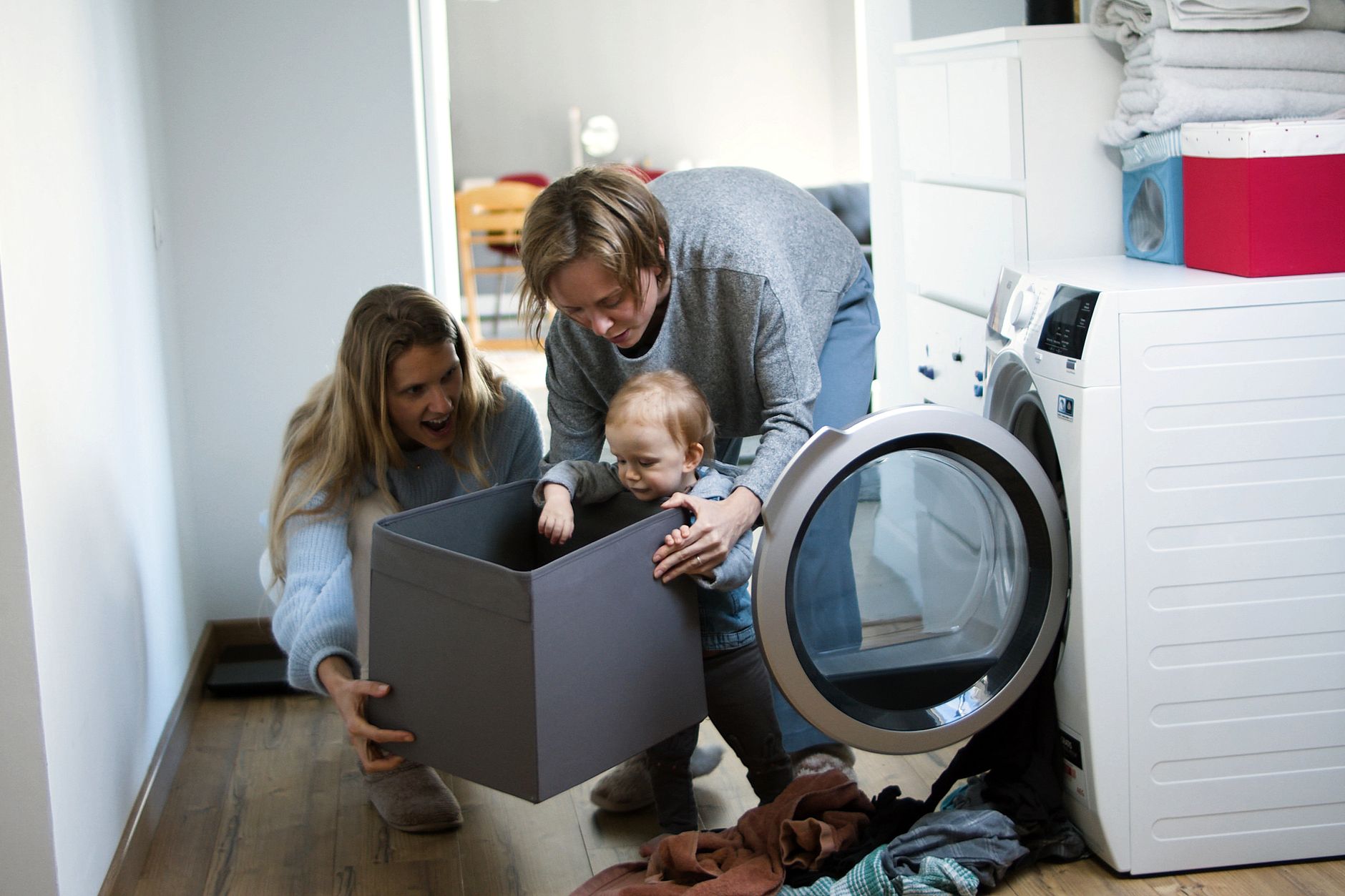
Once the dogs have had several relaxed contacts, walk them home *together* so they arrive as a loose pack rather than as an intruder crossing the threshold. Enter the house with the resident dog's most prized possessions already put away, and ideally let the new dog explore the space first while the resident dog is outside or in another room, then swap. The goal of day one is not friendship. It's a neutral, uneventful first day that leaves both dogs with nothing to be anxious about.
What do the first 30 days actually look like?
The introduction is a month-long process, not a single afternoon, and the biggest mistake owners make is declaring victory after a good first meeting and then removing all the structure. Think in three phases. The first roughly week is separation and habituation: the dogs live largely apart, divided by baby gates or crate-and-rotate, sharing scent and proximity but never left alone together. They eat in separate rooms, and every interaction is short, supervised, and ended before either dog gets tired or over-aroused. You are deliberately keeping the emotional temperature low.
The second phase, roughly the second and third weeks, is structured integration: more time together, still always supervised, built around calm shared activities like parallel walks and training sessions rather than unstructured free play, which is where most early scuffles happen. You reward calm coexistence — two dogs lying in the same room ignoring each other is the win you're training for, not two dogs wrestling. The final phase is earned freedom, where supervised-together time expands only as fast as the dogs demonstrate they can handle it. Crucially, you never leave the two dogs alone together, unseparated, until you have weeks of consistently relaxed interaction behind you; the crate-and-rotate routine stays in place well past the point where it feels necessary. Regression is normal — a great week followed by a tense day is a signal to add structure back, not a sign the pairing has failed.
Throughout all three phases, protect the resident dog's status and routine. The resident dog should keep — and ideally get more of — its established privileges: fed first, greeted first, walked in its usual spots, given uninterrupted one-on-one time with you every single day. New-dog guilt tempts owners to lavish attention on the newcomer, which is precisely how you manufacture resentment and guarding in the dog who was there first. This is the household-management version of a lesson every operator eventually learns about onboarding into an existing system: you stabilize and reassure the incumbent before you optimize for the new arrival, because the incumbent's stability is the platform everything else is built on.
How do you tell normal friction from a real problem?

Some conflict is not just normal but healthy — it's how dogs establish the ground rules of living together. A quick air-snap, a warning growl, or a brief noisy squabble that ends instantly with no injury and both dogs shaking off and moving on is communication, not aggression. Owners who panic and punish every growl teach dogs to suppress the warning and skip straight to the bite, which is far more dangerous. Let dogs have their normal conversations. What you're watching for is the small set of signals that a pairing needs professional help: fights that draw blood or require you to physically separate the dogs, conflict that keeps escalating in frequency or intensity rather than settling over weeks, one dog relentlessly bullying or stalking the other, a dog too frightened to eat or move freely in its own home, or guarding that generalizes to more and more resources. Persistent same-sex aggression between two adults, in particular, is a pattern that rarely resolves on its own and often needs expert intervention early.
The practical rule is that time should be your ally. In a healthy introduction, tension trends downward week over week even if individual days wobble. If, after three to four weeks of consistent, correct management, things are getting worse rather than better, that's your cue to bring in a certified professional — a veterinary behaviorist or a credentialed trainer — rather than grinding forward and hoping. Involving a professional early is not an admission of failure; it's the same instinct any good operator has to escalate a problem while it's still small and cheap to fix instead of after it's compounded. And a first step that's easy to overlook: a full vet check on both dogs, because pain, thyroid issues, and undiagnosed medical problems drive a surprising share of dog-dog aggression, and no amount of training fixes a behavior that's actually a symptom.
What's genuinely different about doing this in 2028?

The fundamentals of dog introductions haven't changed and won't — canine social behavior is not on a product roadmap. What has changed is the quality of the tools and the data around the process, and they've made a careful introduction meaningfully easier to execute and to measure. The most useful shift is at the shelter and rescue level: standardized, data-driven behavior assessments and matching programs are now widespread, so adopters increasingly get honest, structured information about a dog's energy, sociability, and history with other dogs instead of a guess. Choosing a complementary second dog — the single highest-leverage decision in the whole process — is simply better informed than it was even a few years ago.
At home, affordable AI-enabled pet cameras have quietly become the standout tool for the crate-and-rotate weeks. Modern cameras don't just stream video; they flag body-language cues and alert you to escalating arousal or a squabble when you're in another room or briefly out of the house, which turns the hardest part of the process — knowing what the dogs do when you're not directly watching — into something you can actually monitor. Paired with the continued growth of the Fear Free movement, which has trained a large network of veterinarians and trainers in low-stress handling, a first-time owner in 2028 has more affordable expert support than ever. None of this replaces the core work of neutral introductions, doubled resources, separate feeding, and patient supervised integration. What the tooling does is give you visibility and a faster feedback loop — which, as any systems operator knows, is exactly what turns a stressful, opaque process into a manageable, measurable one. The plan is old; the instrumentation is new.
Related questions
Should the second dog be the same sex as my first dog?
Opposite-sex pairings historically show the lowest rates of persistent conflict, especially with two adults. Same-sex, same-age, high-energy pairings are the hardest to manage. Temperament match still matters more than sex, but if you have a choice, opposite-sex is the safer default.
How long does it take for two dogs to get along?

Plan for a full 30 days of structured management, and expect true relaxed coexistence to take anywhere from a few weeks to a few months. Some dogs are relaxed within days; others need patient integration. Trend matters more than any single day.
Can I introduce a puppy to an older resident dog?
Yes, and it's often easier because puppies are less threatening to a resident dog. The catch is protecting your older dog: give it puppy-free zones, uninterrupted rest, and its own space, since a relentless puppy can genuinely stress a senior dog.
Should I let my dogs "fight it out" to establish hierarchy?
No. Letting dogs fight to sort themselves out is outdated and dangerous — it can cause injury and cement a hostile relationship. Manage the environment, reward calm coexistence, and let normal low-level communication happen without staged confrontations.
What if my resident dog is aggressive or reactive?
Address that behavior with a professional *before* adding a second dog. A new dog amplifies existing problems rather than resolving them. Get the resident dog to a stable baseline first, or you're building a two-dog household on an unstable foundation.
FAQ
Where should the first meeting happen? On neutral territory the resident dog doesn't consider its own — a park, a quiet street, or a friend's yard. Never inside your home or fenced yard, where territorial instinct makes a defensive reaction far more likely.
What is a parallel walk and why does it work? Two handlers walk the dogs in the same direction, about fifteen to twenty feet apart, slowly narrowing the gap as both stay relaxed. It lets the dogs gather information without the pressure of a nose-to-nose standoff, which is the geometry most likely to trigger conflict.

How do I feed two dogs so they don't fight? Feed them in separate rooms or on opposite sides of a baby gate, and pick up bowls when they're done. Food is one of the highest-value resources and a common flashpoint, so remove the competition entirely rather than supervising it.
Is growling between my dogs a bad sign? Not necessarily. A growl or a brief air-snap is normal communication and a warning you want your dog to feel free to give. Punishing every growl teaches a dog to skip the warning and go straight to a bite. Watch for escalation, injury, and fights you must break up — those are the real red flags.
Should I give the new dog extra attention to help it settle in? No — prioritize the resident dog. Keep it fed first, greeted first, and give it daily one-on-one time. Over-focusing on the newcomer breeds resentment and resource guarding in the dog who was there first. Reassure the incumbent before you fuss over the arrival.
When can I leave the two dogs home alone together? Only after several weeks of consistently relaxed, supervised interaction — not days. Until then, use crate-and-rotate or gated separation whenever you're away or can't actively watch. Keep the separation routine in place well past the point where it feels necessary.
What should I do before adopting the second dog? Stage the home with doubled resources, separate feeding stations, and baby gates; decide contested items in advance; get both dogs a full vet check; and choose a complementary temperament rather than a mirror of your first dog. Resolve any existing behavior problems in the resident dog first.
When should I call a professional? Call a certified trainer or veterinary behaviorist if fights draw blood, conflict escalates rather than settles over three to four weeks, one dog is relentlessly bullying or terrorizing the other, or a dog is too afraid to eat or move freely. Earlier is always cheaper than later.
Sources
- ASPCA — Introducing Your New Dog to Other Dogs
- American Kennel Club — How to Introduce a Second Dog
- The Humane Society of the United States — Introducing Dogs to Dogs
- Fear Free Pets — Low-Stress Handling and Introductions
- Preventive Vet — Introducing a Second Dog to Your Home
- International Association of Animal Behavior Consultants (IAABC)
- VCA Animal Hospitals — Introducing a Second Dog into the Household
- ASPCA — Resource Guarding in Dogs
Related on PULSE
- My company merged sales and marketing into one team — should I leave?
- What's the right way to add a second sales manager when the first one is overworked but the team is only 8 reps?
- How do we execute take-out campaigns that convert competitive losses into wins on the second touch?
- Should onboarding fees be one-time or amortized into ARR?
This page will be disappearing soon. Save it to your device for $1 — or read it free while it is here.
@Kory-White- · if Venmo asks, the last 4 of my number are 2012
This page is gone.
This one is off the shelf now. $1 keeps it on your phone for good — the whole page, pictures and diagrams included.
 revopsWhat is the RevOps playbook for legal redline cycle time during enterprise outbound on Salesforce when parent-company rollup reporting in 2027?
 revopsHow do you model multi-thread gaps when no dedicated RevOps hire yet and leadership only reviews expansion rate monthly on Dynamics 365 in 2027?
 revopsHow do you audit multi-thread gaps when no dedicated RevOps hire yet and leadership only reviews sales cycle length monthly on Dynamics 365 in 2027?
 revopsHow do you reconcile bookings vs billings for AE-led on Pipedrive without another point solution in 2027?
 revopsHow do you attribute stage conversion for marketplace listings on Pipedrive without another point solution in 2027?
 revopsHow do you attribute stage conversion for pod-based selling on Pipedrive without another point solution in 2027?
 revopsHow do you attribute stage conversion for enterprise outbound on Pipedrive without another point solution in 2027?
 revopsHow do you attribute call recordings not tied to opps when no dedicated RevOps hire yet and leadership only reviews stage conversion monthly on Dynamics 365 in 2027?
 revopsHow do you dedupe NRR for services-led sales on Pipedrive without another point solution in 2027?
 revopsHow do you automate CAC payback for BDR-to-AE split on Pipedrive without another point solution in 2027?