


Top 10 Best Colleges Nobody Talks About in 2027
Quality
Certified
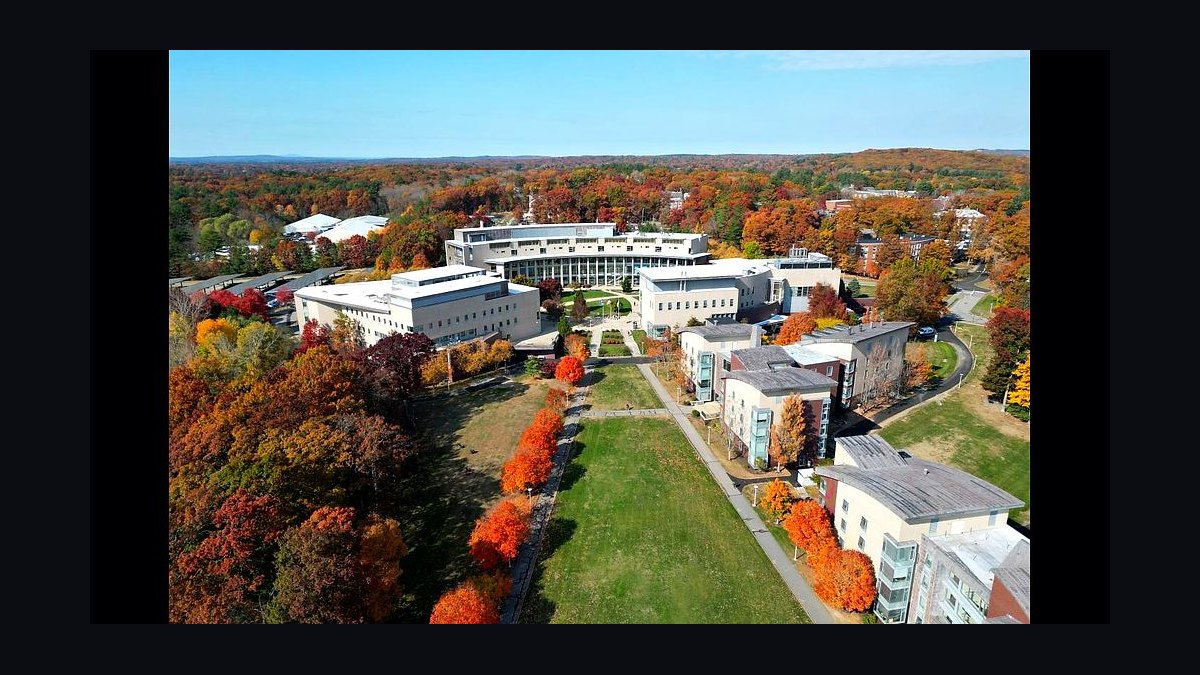
The Best Overall under-the-radar college is Olin College of Engineering in Needham, Massachusetts, a tiny ~390-student undergraduate engineering school whose 50% tuition scholarship for every admitted student and project-based, no-departments curriculum produce engineers that top firms and graduate programs fight over — all from a school most families have never heard of.
The Best Value pick is Berea College in Kentucky, which charges $0 tuition to every enrolled student through its No-Tuition Promise, funded by a roughly $1.6 billion endowment, while requiring a campus work program that graduates students with near-zero debt. This list is for families and high-achieving students willing to look past brand names to find schools with extraordinary outcomes, intimate class sizes, and unusual missions.
Every pick uses real, publicly reported data on enrollment, cost, and outcomes.
How We Ranked the Top 10
We weighted each college against what families and students actually care about when the famous names are off the table: real academic strength, what happens after graduation, and whether the price makes sense. We drew on published figures from U.S. News, Niche, the National Center for Education Statistics (NCES), College Board, and individual college sites. The weighting:
- Academic performance and rigor — 25%
- College/post-grad outcomes — 20%
- Value and cost — 15%
- Teachers and resources — 15%
- Environment and fit — 15%
- Distinctiveness and mission — 10%
A school that coasts on a famous name but underdelivers drops fast; the winners here punch far above their public profile.
1Olin College of Engineering 🏆 BEST OVERALL
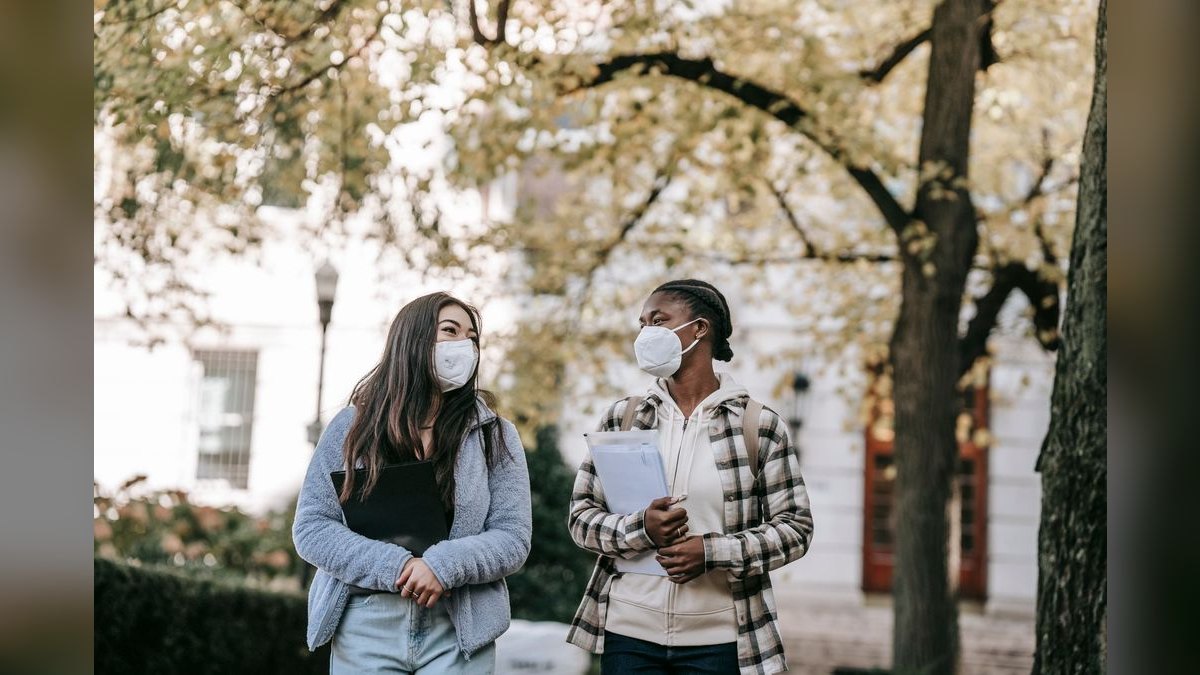
Type: Private (nonprofit, undergraduate engineering) | Tuition: ~$59,000/yr list, but every student receives a 50% tuition scholarship | Best for: Future engineers who want hands-on, team-based learning
Founded in 1997 and graduating its first class in 2006, Olin College in Needham, Massachusetts enrolls only about 390 undergraduates, giving it one of the lowest student-teacher ratios in American engineering at roughly 8:1. Olin has no academic departments and no tenure; students build real projects from their first semester, including a senior-year SCOPE program where teams solve live problems for sponsors like Boeing and Microsoft.
Admitted students post mid-50% SAT scores around 1480–1560, and the half-tuition Olin Scholarship goes to everyone admitted. Graduates flow into top engineering jobs and into PhD programs at MIT, Stanford, and Berkeley at rates that embarrass far larger schools.
Pros:
- Guaranteed 50% tuition scholarship for every admitted student
- Project-based curriculum with no departments or rigid majors
- Roughly 8:1 student-teacher ratio and ~390 total students
- Outsized placement into elite jobs and PhD programs
Cons:
- Engineering-only — no liberal arts or business majors
- Tiny size means limited course breadth and social scale
Verdict: The most complete hidden gem here — elite engineering outcomes, half-price tuition, and a curriculum nobody else matches.
2Webb Institute

Type: Private (naval architecture and marine engineering) | Tuition: Full-tuition scholarship for every U.S. student | Best for: Students set on ship and marine engineering
Webb Institute in Glen Cove, New York enrolls roughly 100 students total and offers a single degree: a double major in naval architecture and marine engineering. Every U.S.-citizen student receives a full-tuition scholarship, so families pay only room, board, and fees. Webb's signature is its eight-week Winter Work Term every year, placing students in shipyards, design firms, and at sea. The result is one of the most remarkable outcomes in higher education: Webb routinely reports near-100% job placement or graduate-school admission within months of graduation. SAT scores cluster high, and the rigorous, structured curriculum leaves no electives in the early years.
Pros:
- Full-tuition scholarship for every U.S. student
- Near-100% placement into jobs or grad school
- Mandatory paid winter externships every year
- About 100 students with deep faculty access
Cons:
- One degree program only — zero flexibility
- Extremely small and geographically isolated
Verdict: A specialist's dream — free tuition and unbeatable placement, but only if marine engineering is the goal.
3Cooper Union

Type: Private (art, architecture, engineering) | Tuition: ~$23,000/yr after the guaranteed half-tuition scholarship | Best for: Top art, architecture, and engineering students in New York City
Founded by industrialist Peter Cooper in 1859, Cooper Union sits in Manhattan's East Village and enrolls about 850 students across three schools: art, architecture, and engineering. For more than a century it was fully free; today every admitted student still receives a guaranteed half-tuition scholarship, and the school has committed to returning to free tuition. Admission is fiercely competitive, especially in architecture, which runs a respected five-year program.
Cooper's small size, Manhattan location, and design-heavy reputation make it a destination for students who want a focused, studio-driven education at a fraction of private-school cost.
Pros:
- Guaranteed half-tuition scholarship for all admitted students
- Prime Manhattan location for art, design, and engineering
- Selective, studio-intensive programs with strong reputations
- Roughly 850 students and close faculty mentorship
Cons:
- Cost of living in NYC is steep on top of reduced tuition
- Only three narrow schools of study
Verdict: A storied, half-free design and engineering school in the heart of New York for students who already know their craft.
4Deep Springs College

Type: Private (two-year, work-and-study) | Tuition: Full scholarship — tuition, room, and board covered | Best for: Intellectually intense students wanting a radical experience
Deep Springs College sits on a cattle ranch and alfalfa farm in the California high desert and enrolls only about 30 students at a time. It is a two-year program built on three pillars: academics, labor, and self-governance. Students run the ranch, govern the college through committees, and study a demanding liberal-arts curriculum in seminars of a handful of people. Every student receives a full scholarship covering tuition, room, and board. After two years, Deep Springers transfer at extraordinary rates to Harvard, Yale, Brown, and the University of Chicago. It is one of the most selective and unusual colleges in the country.
Pros:
- Full scholarship covering tuition, room, and board
- About 30 students with seminar-of-five intimacy
- Remarkable transfer rates to elite universities
- Hands-on labor and genuine student self-governance
Cons:
- Two-year program only — students must transfer to finish
- Extreme isolation and rigorous, demanding lifestyle
Verdict: A one-of-a-kind incubator for serious thinkers — free, tiny, and a springboard to the most selective universities.
5College of the Ozarks

Type: Private (Christian, work college) | Tuition: No tuition charged through the work program | Best for: Students who want to graduate debt-free through earned labor
Nicknamed "Hard Work U," the College of the Ozarks in Point Lookout, Missouri enrolls about 1,400 students and charges no tuition. Instead, every student works an on-campus job for 15 hours a week plus two 40-hour work weeks, covering the cost of education through the college's Work Education Program and donor funding. The school admits students with demonstrated financial need and a willingness to work.
Graduates leave with little to no debt, a strong work ethic, and degrees in fields from agriculture to nursing to education. The campus runs its own dairy, restaurant, and mill staffed by students.
Pros:
- No tuition — covered by a campus work program
- Students graduate with minimal or zero debt
- Hands-on jobs build real, marketable work experience
- Strong programs in nursing, agriculture, and education
Cons:
- Required 15-hour weekly work commitment is demanding
- Conservative Christian environment won't fit everyone
Verdict: A debt-free education built on earned labor — ideal for hardworking students who want to leave without loans.
6Soka University of America

Type: Private (liberal arts) | Tuition: ~$36,000/yr with generous aid; many pay far less | Best for: Students wanting global liberal arts and guaranteed study abroad
Soka University of America in Aliso Viejo, California enrolls about 450 students and offers a single liberal arts bachelor's degree with concentrations in fields like environmental studies, international relations, and humanities. Every student is required to study abroad for a semester, and the campus is genuinely international, drawing students from dozens of countries. Soka's endowment funds need-based aid that meets full demonstrated need, so many students pay a fraction of the sticker price. Class sizes are tiny, the campus overlooks the Pacific, and graduation and retention rates are exceptionally high for a school almost nobody outside California has heard of.
Pros:
- Need-based aid meets full demonstrated financial need
- Mandatory study-abroad semester for every student
- About 450 students with a truly global community
- High retention and graduation rates
Cons:
- One broad liberal-arts degree — no professional majors
- Small and relatively young, with a modest alumni network
Verdict: A globally minded, generously funded liberal-arts gem on the California coast for internationally curious students.
7Berea College 💎 BEST VALUE
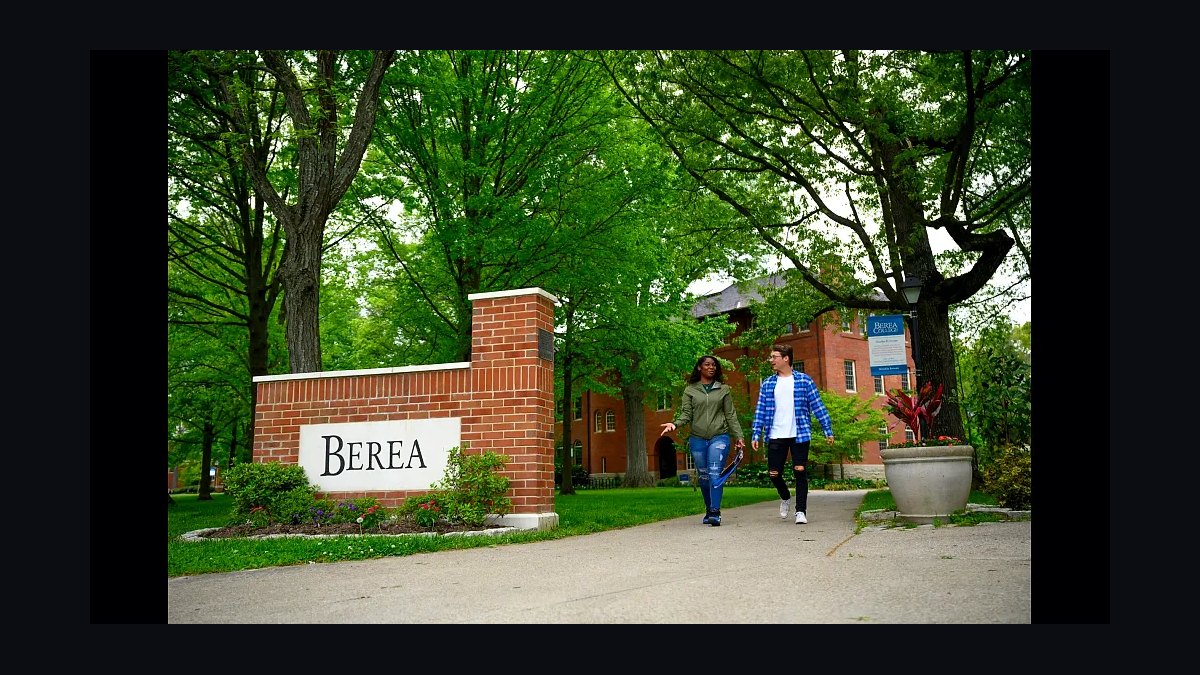
Type: Private (liberal arts, work college) | Tuition: $0 — every student attends free via the No-Tuition Promise | Best for: High-need, high-achieving students who want a debt-free degree
Berea College in Berea, Kentucky enrolls roughly 1,600 students and charges no tuition to anyone — a promise it has kept since 1892, funded by an endowment of about $1.6 billion. Every student receives a four-year tuition scholarship worth more than $180,000, and in exchange works 10–15 hours a week in the college's labor program. Berea admits primarily students from low-income backgrounds, especially from Appalachia, and meets remaining costs with aid so that students graduate with very little debt. It consistently ranks among the top liberal-arts colleges in the South for outcomes relative to cost.
Pros:
- Zero tuition for every enrolled student, guaranteed
- Roughly $1.6 billion endowment funds the No-Tuition Promise
- Work program builds experience and covers living costs
- Strong liberal-arts outcomes for first-generation students
Cons:
- Admission limited mainly to high-financial-need students
- Required labor program adds to the academic workload
Verdict: The value champion bar none — a genuinely free, well-resourced liberal-arts education for students who need it most.
8New College of Florida
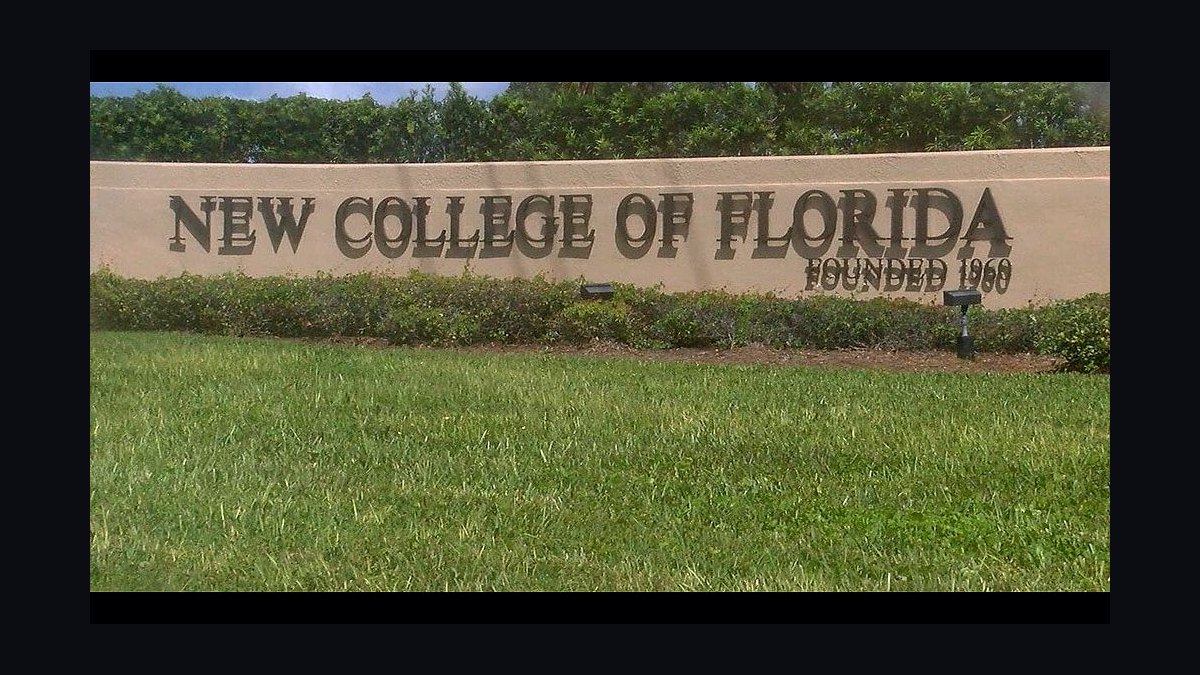
Type: Public (honors liberal arts) | Tuition: Roughly $6,900/yr in-state, often covered by aid | Best for: Independent students who want narrative grades and self-designed study
New College of Florida in Sarasota is the state's designated honors college, enrolling about 700 students. It is famous for replacing letter grades with detailed written evaluations and for letting students design their own contracts and a required senior thesis. In-state tuition runs around $6,900 a year before aid, making it one of the best academic values in public higher education. New College sends an unusually high share of graduates into PhD programs and the Fulbright scholarship pipeline, and its tiny seminar classes feel more like a private liberal-arts college than a state school.
Pros:
- Low public in-state tuition around $6,900 per year
- Narrative evaluations instead of letter grades
- High placement into PhD programs and Fulbright awards
- Self-designed academic contracts and a senior thesis
Cons:
- Unconventional grading can complicate some grad applications
- Recent governance changes have drawn national debate
Verdict: A public honors college with private-college intimacy — superb value for self-directed, scholarly students.
9Agnes Scott College
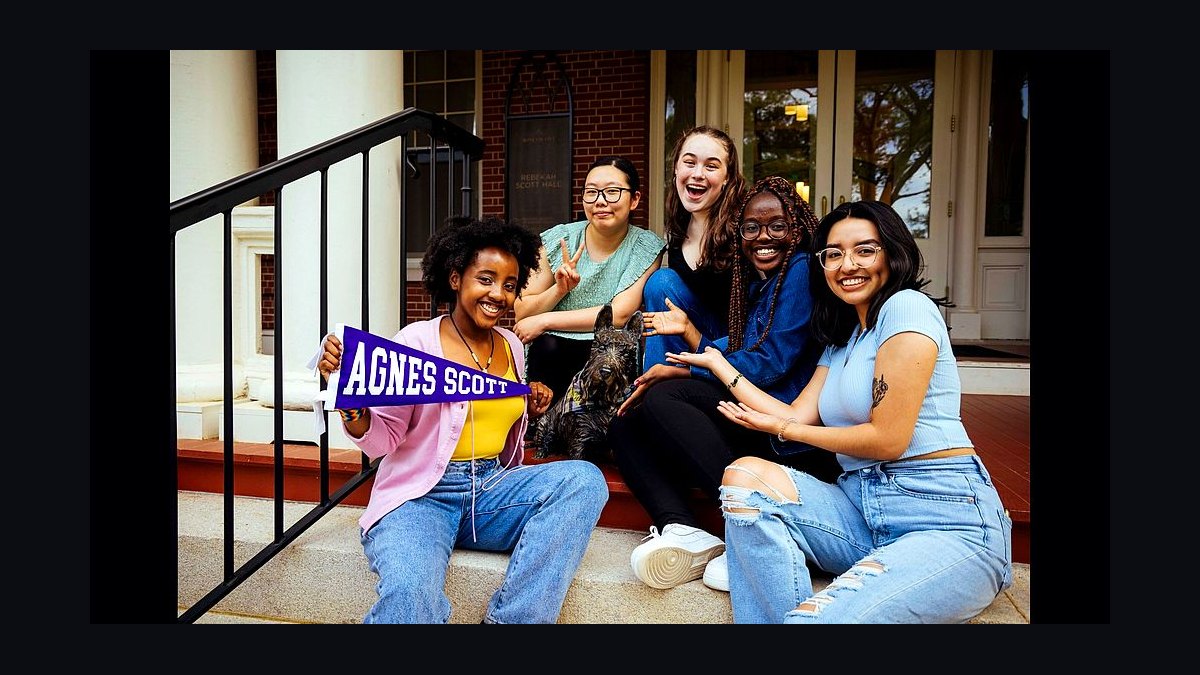
Type: Private (women's liberal arts) | Tuition: ~$50,000/yr list, with generous merit and need aid | Best for: Women seeking a close-knit liberal-arts college near Atlanta
Agnes Scott College in Decatur, Georgia, just outside Atlanta, is a women's liberal-arts college of about 1,000 students with a roughly 10:1 student-faculty ratio. Its signature SUMMIT program gives every student a global learning trip and leadership coursework built into the curriculum at no extra charge. Agnes Scott meets a strong share of demonstrated need and offers substantial merit scholarships, so net cost often falls well below the sticker price. The college sends a high proportion of graduates into graduate and professional programs and benefits from being minutes from the resources of a major city.
Pros:
- SUMMIT program includes a funded global trip for all students
- Roughly 10:1 student-faculty ratio in a 1,000-student college
- Strong merit scholarships lower net cost substantially
- Atlanta-area location with internship and research access
Cons:
- Women's-college model is a specific fit, not for everyone
- Full sticker price is high before aid is applied
Verdict: A nurturing, globally focused women's college near a major city — strong value once merit and need aid are counted.
10Hillsdale College
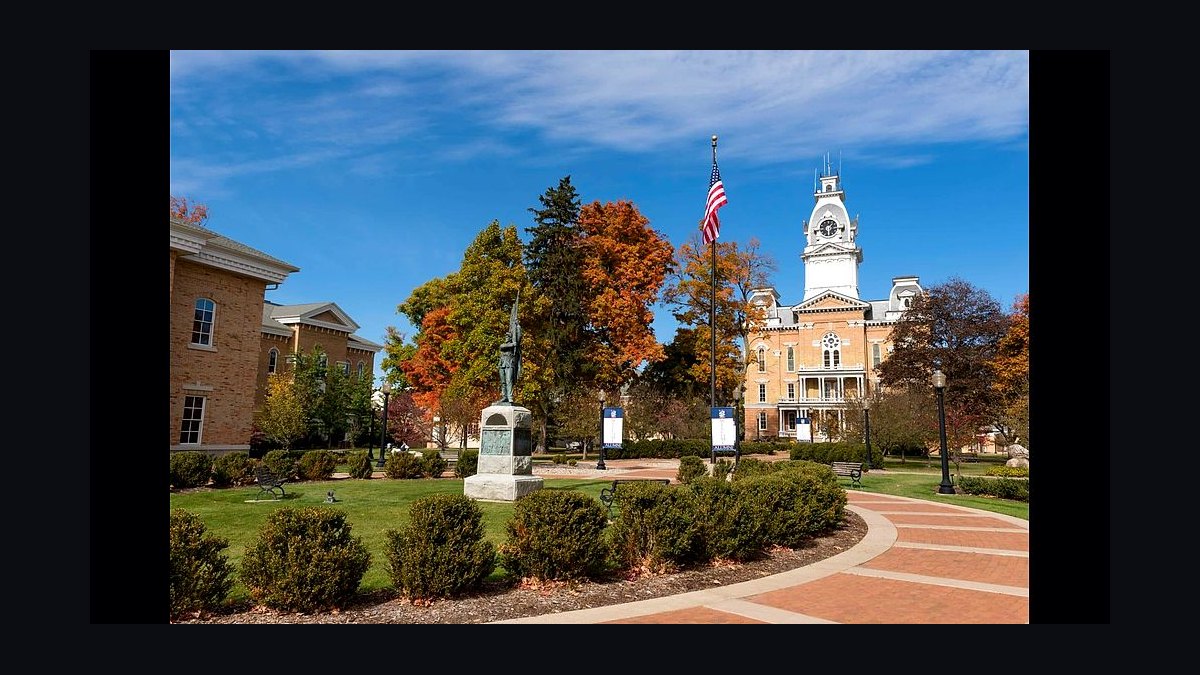
Type: Private (classical liberal arts) | Tuition: ~$31,000/yr — among the lowest private liberal-arts prices | Best for: Students who want a rigorous classical, great-books education
Hillsdale College in Hillsdale, Michigan enrolls about 1,500 students and is known for its classical liberal-arts core rooted in the great books of Western civilization. The college famously accepts no federal funding, which lets it set its own admissions and curriculum standards, and it keeps tuition relatively low at around $31,000 a year. Students complete a substantial core curriculum in history, philosophy, literature, and the constitution regardless of major. Hillsdale draws academically strong, motivated students and reports solid placement into graduate schools, law, and public service, with a famously engaged and loyal alumni network.
Pros:
- Lower-than-average private tuition around $31,000 per year
- Rigorous classical great-books core for all students
- Accepts no federal funding, ensuring curricular independence
- Engaged alumni network and strong grad-school placement
Cons:
- Distinct ideological identity is a specific cultural fit
- No federal aid means fewer standard financial-aid options
Verdict: A rigorous, lower-cost classical college for students who want a structured great-books education and a tight community.
Which One's Right for You?
What to Look For When Choosing a Hidden-Gem College
- Real outcomes, not name recognition — Look at graduate-school placement, job rates, and Fulbright or PhD pipelines. Schools like Webb and Deep Springs beat famous names on these numbers.
- True cost after aid — A school with a high sticker price but full-need aid can cost less than a cheaper school. Compare net price, not list tuition.
- Class size and faculty access — Ratios near 8:1 to 10:1 mean real mentorship. Tiny schools like Olin and Soka deliver attention you cannot get at large universities.
- Mission and required programs — Mandatory work programs, study abroad, or a great-books core shape your four years. Confirm the model fits how you want to learn.
- Fit over flexibility — Single-degree schools like Webb offer no escape hatch if you change your mind. Match the program's narrowness to how settled your goals are.
What matters less than marketing implies: glossy rankings tiers, big-name sports, and sprawling campuses. A school's actual outcomes, net cost, and faculty access affect your future far more than its national brand.
FAQ
What is the best little-known college overall? Olin College of Engineering earns our top spot for its guaranteed 50% tuition scholarship, project-based engineering curriculum, and outsized placement into elite jobs and PhD programs from a school of just ~390 students.
Which hidden-gem college is the best value? Berea College charges $0 tuition to every student through its No-Tuition Promise, funded by a ~$1.6 billion endowment, letting students graduate with minimal debt — the strongest value on this list.
Are there colleges that are completely free to attend? Yes. Berea College and College of the Ozarks charge no tuition through work programs, Deep Springs covers tuition, room, and board, and Webb Institute gives every U.S. student a full-tuition scholarship.
Do these lesser-known colleges have good outcomes? Many post outcomes that rival elite schools. Webb Institute reports near-100% placement, Deep Springs transfers students to Harvard and Yale at high rates, and New College of Florida feeds the PhD and Fulbright pipeline.
Why have I never heard of these colleges? Most are very small, narrowly focused, or avoid the marketing and athletics that build national brands. Schools like Olin, Webb, and Deep Springs enroll only dozens to a few hundred students, so they stay off most families' radar.
Are these colleges hard to get into? Several are extremely selective. Deep Springs, Olin, Webb, and Cooper Union admit small classes from strong applicant pools, so admission can be as competitive as at far more famous schools.
Bottom Line
For families and students willing to look past brand names, Olin College of Engineering is our Best Overall hidden gem — a tiny, project-driven engineering school with a guaranteed half-tuition scholarship and elite outcomes. Berea College is our Best Value, offering a genuinely free, well-resourced liberal-arts education funded by a ~$1.6 billion endowment.
If your priorities lean toward marine engineering, a radical two-year experience, global study, or a classical core, use the decision tree above to route yourself to Webb, Deep Springs, Soka, or Hillsdale instead. Judge these schools on net cost, outcomes, and fit — not fame — and you may find the best education your money can buy.
Related on PULSE
- Top 10 Historically Black Colleges and Universities in the Southeast in 2027
- Top 10 Small Colleges in Vermont in 2027
- Top 10 Agricultural Colleges in the Midwest in 2027
- Top 10 Liberal Arts Colleges in New England in 2027
- Top 10 Best Colleges for Return on Investment in 2027
- Top 10 Best Colleges for Financial Aid in 2027
Sources
- U.S. News — Best Colleges rankings and profiles
- Niche — college reviews and rankings
- NCES — College Navigator data
- College Board — BigFuture college search
- Olin College of Engineering
- Webb Institute
- Berea College — No-Tuition Promise
- Deep Springs College
- College of the Ozarks
- New College of Florida
*Best colleges nobody talks about review — hidden-gem colleges rankings, ratings, review 2027, and a review of the top under-the-radar college picks for families.*
People also search for: best colleges nobody talks about · top colleges nobody talks about · top rated colleges nobody talks about · top ranked colleges nobody talks about · highest rated colleges nobody talks about · colleges nobody talks about reviews
This page will be disappearing soon. Save it to your device for $1 — or read it free while it is here.
@Kory-White- · if Venmo asks, the last 4 of my number are 2012
This page is gone.
This one is off the shelf now. $1 keeps it on your phone for good — the whole page, pictures and diagrams included.
 pulse-schoolsTop 10 Public Universities in Maine in 2027
 pulse-schoolsTop 10 Public Elementary Schools in Alaska in 2027
 pulse-schoolsTop 10 Private Colleges in Illinois in 2027
 pulse-schoolsTop 10 Public Universities in Texas in 2027
 pulse-schoolsTop 10 Public Universities in Louisiana in 2027
 pulse-schoolsTop 10 Private Colleges in Kentucky in 2027
 pulse-schoolsTop 10 Public High Schools in Cleveland in 2027
 pulse-schoolsTop 10 Private High Schools in San Antonio in 2027
 pulse-schoolsTop 10 Private Colleges in Alaska in 2027
 pulse-schoolsTop 10 Best Debt-Free Colleges in 2027