
A Speech for a Charity Fundraiser
 Curated byKory White · Fractional CRO · Maryland
 PULSEKNOWLEDGE LIBRARY
A charity fundraiser speech should open by clearly stating the cause and the urgent need it addresses, then share a brief, compelling story or statistic that humanizes the issue. The core of the speech asks the audience for a specific type of support—whether donations, time, or auction bids—and explains how their contribution will create a tangible impact. It closes with a heartfelt thank-you and a clear call to action, typically directing people to donation stations, bidding paddles, or pledge cards.
Crafting a powerful charity fundraiser speech requires blending emotional storytelling with practical persuasion, moving your audience from passive listeners to active participants in your mission. The most effective speeches follow a deliberate structure that builds empathy, establishes credibility, and makes giving feel both urgent and rewarding. By mastering the art of the fundraising speech, you can transform a room of polite attendees into a community of committed donors who feel personally invested in your cause.
What Is the Best Emotional Arc to Use in a Charity Fundraiser Speech?
The emotional arc of a charity fundraiser speech is the invisible thread that guides your audience from curiosity to compassion to action. This arc typically follows a three-act structure: first, you establish a shared understanding of the problem; second, you create an emotional connection through a personal story; third, you offer a path to resolution through giving. The key is to move from head to heart to hands—starting with facts, then feelings, and finally action.
Begin by grounding your audience in a relatable truth. For example, "Every one of us has faced a moment when we needed help. Tonight, we have the chance to be that help for someone else." This universal sentiment lowers defenses and creates a sense of shared humanity. Then, introduce the specific problem your organization addresses, but do so through a lens of possibility rather than despair. Instead of "The situation is hopeless," say "The situation is urgent, but we have a proven solution."

The emotional peak of your speech should occur just before the call to action. This is where you share the story of transformation that shows what's possible. Let the emotion build naturally through your voice and pacing. Avoid rushing to the ask. Instead, let the audience sit in the feeling of hope for a moment. Then, when you make the ask, it feels like a natural next step—not a sales pitch. For more on structuring emotional narratives, see How to Structure a Best Man Speech, which offers techniques for pacing that apply to fundraising.
How Do I Structure a Personal Story That Drives Donations?
A personal story in a charity fundraiser speech must do more than entertain—it must drive donations. The most effective stories follow the "Before, After, Bridge" structure: describe the struggle before help arrived, paint the picture of transformation after help was given, and then bridge that transformation to the audience's potential role. This structure creates a clear cause-and-effect that makes giving feel like a direct investment in a happy ending.
Start with a specific, sensory detail that places the listener in the moment of need. For instance: "She sat at the kitchen table, the eviction notice in her hand, wondering how she would tell her children they had nowhere to go." This is the "Before" section. Keep it brief but vivid. Then, introduce the intervention: "Our caseworker arrived the next day with a rental assistance check and a plan." This is the bridge—showing how your organization turned the tide.
Finally, describe the transformation: "Today, she has a stable job, her children are thriving in school, and she volunteers at our organization every weekend." This is the "After." End the story by connecting it back to the audience: "That story is possible because of donors like you. And there are hundreds more waiting to be written." This direct link between story and donation is what makes the narrative effective. For additional guidance on crafting transformation stories, explore A Speech to Thank Donors at a Fundraiser, which covers how to honor donor impact.

What Are the Most Critical Delivery Techniques for a Fundraising Speech?
Delivery techniques in a charity fundraiser speech are the difference between words that are heard and words that are felt. The most critical techniques include vocal variety, purposeful eye contact, open body language, and strategic silence. These elements work together to create a presence that commands attention and builds trust, making your audience more receptive to your message.
Vocal variety is your primary tool for emotional manipulation. Lower your pitch and slow your pace when describing the problem—this signals seriousness and invites reflection. Raise your pitch and speed up slightly when sharing the solution—this conveys hope and energy. Use a pause of two to three seconds after a key statistic or emotional line. The silence allows the weight of your words to sink in, and it signals confidence. A speaker who isn't afraid of silence is a speaker worth listening to.
Eye contact builds intimacy and trust. In a room of 100 people, you can't look at everyone, but you can make each person feel like you're speaking to them directly. Choose three to five friendly faces in different sections of the room and rotate between them, holding each gaze for about three seconds. In virtual settings, look directly into the camera lens—not at your own image on the screen. This creates the illusion of eye contact for remote viewers. For more on mastering public speaking presence, see How to Add Humor to a Retirement Speech, which offers techniques for balancing warmth and authority.

How Do I Handle Common Fundraising Speech Mistakes Gracefully?
Common fundraising speech mistakes can derail even the most well-prepared speaker, but knowing how to handle them gracefully can turn a potential disaster into a moment of authenticity. The most frequent errors include speaking too fast, forgetting the ask, overloading with statistics, and using a guilt-inducing tone. Each has a simple fix that preserves your credibility and keeps your audience engaged.
Speaking too fast is almost always caused by nerves. The fix is to build deliberate pauses into your written script. Write "PAUSE" in bold letters at three to four key points in your speech. When you hit those marks, take a slow breath and look at your audience. This not only slows you down but also adds gravitas to your words. If you feel yourself speeding up, take a sip of water—it's a natural pause that resets your pace.
Forgetting the ask is surprisingly common. Speakers get so wrapped up in their story that they forget to clearly ask for donations. The fix is to write the ask in a separate, bold sentence at the end of your speech notes. Practice it aloud until it feels natural. If you realize mid-speech that you haven't made the ask, simply add it: "And that's why I'm asking you to give generously tonight." It's never too late to make the ask clear.

Overloading with statistics numbs your audience. The fix is to choose one or two powerful numbers and frame them within your story. For example, instead of listing five data points, say: "One in five children in our city goes to bed hungry. That's 10,000 kids. And we can change that tonight." The single statistic becomes memorable because it's tied to a specific, human-scale number.
Using a guilt-inducing tone backfires by making people feel defensive rather than generous. The fix is to frame the problem as an opportunity for impact, not a burden. Instead of "If you don't give, these children will suffer," say "Your gift tonight means these children will have a better tomorrow." Hope motivates action; guilt creates resistance.
How Do I Adapt My Speech for Different Types of Fundraisers?
Adapting your charity fundraiser speech to different event types is essential for maximizing impact. The core structure remains the same, but the tone, length, and specific content should shift based on whether you're speaking at a formal gala, a casual community event, a virtual fundraiser, or a memorial cause. Understanding these nuances ensures your message resonates with the specific audience in the room.

Formal gala or dinner: Use a polished, slightly formal tone. Open with a gracious welcome that acknowledges major donors and sponsors by name. Allow for a longer speech of five to seven minutes, which gives you time for a full story, a clear ask, and a closing vision. End with a formal thank-you and a call to visit auction tables or donation stations. The atmosphere is elevated, so your language should match that sophistication.
Casual community fundraiser: Use a warm, conversational tone as if you're speaking to friends. Open with a brief, personal anecdote or a self-deprecating joke that shows you're approachable. Keep the speech shorter—three to four minutes. Emphasize collective impact and how every person in the room can make a difference. The ask can be more direct: "We need your help tonight. Every dollar counts, and every dollar stays right here in our community."
Virtual or hybrid fundraiser: Adapt your delivery for the camera. Speak directly to the lens, not your screen, to create eye contact. Use shorter sentences and more pauses to compensate for audio lag. Hold up physical props like a photo of a beneficiary or a thank-you card to create visual interest. Make the call to action simple and clickable: "Click the link in the chat or visit our website to give." The virtual format requires more energy and clarity to hold attention.
How Do I End a Charity Fundraiser Speech with Maximum Impact?
The ending of your charity fundraiser speech is your final opportunity to inspire action and leave a lasting impression. A strong closing should summarize your core message, reiterate the call to action, and leave the audience feeling hopeful and proud to be part of the solution. The most effective endings follow a simple formula: recap, ask, vision, gratitude.

Start your closing by briefly recapping the problem and the solution in one sentence: "Tonight, we've seen that hunger is real in our city, but we've also seen that hope is real when we work together." This reminds the audience of the emotional journey they've just taken. Then, restate the call to action with clarity and urgency: "Now, I'm asking you to join us. Please visit the donation table, scan the QR code on your program, or text [keyword] to [number]. Every gift, no matter the size, makes a difference."
Next, paint a vision of the future that includes your audience's contribution: "When you leave tonight, you'll know that you were part of something bigger than yourself. You didn't just attend an event—you repaired something. You gave hope a chance to grow." This transforms the act of giving from a transaction into a meaningful experience. Finally, end with a heartfelt thank-you: "Thank you for being here. Thank you for caring. And thank you for making tonight possible." Then pause, smile, and let the silence speak.
For a formal gala, consider adding a matching-gift announcement at this point: "I'm thrilled to announce that a generous donor has pledged to match every dollar we raise tonight. Your gift goes twice as far." For a lighter, community event, you might end with a simple, warm statement: "I'm so grateful to share this evening with you. Let's make it count." The key is to leave the audience feeling inspired and clear on what to do next.
Related questions
How long should a charity fundraiser speech be?
Aim for 3 to 7 minutes. Shorter speeches (around 3 minutes) work best for quick emotional appeals, while longer ones (up to 7 minutes) allow you to share a story, state the need, and make a clear ask without losing the audience's attention.
What is the most important part of a fundraising speech?
The "ask" itself is critical, but it must be preceded by a compelling story or statistic that creates an emotional connection. Without that foundation, the ask can feel hollow—so lead with a real example of who or what the donation will help.
Should I use humor in a charity speech?
Light, appropriate humor can help warm up the audience, but avoid jokes that might trivialize the cause. A brief, relatable anecdote that brings a smile is fine; the tone should still convey sincerity and urgency.
How do I handle nervousness when speaking?
Practice your speech aloud at least three times, ideally in front of a mirror or a small, supportive group. Focus on breathing slowly before you start, and remember that the audience is there to support the cause—not to judge your delivery.
Do I need to mention specific donation amounts?
It's helpful to suggest a range (e.g., "any gift from $10 to $100 makes a difference") rather than a fixed number. This gives donors a clear starting point while respecting different financial situations, and it often increases overall participation.
What if I forget part of my speech?
Don't panic—pause, take a breath, and glance at your notes if you have them. The audience won't notice a brief pause, and you can simply skip to the next point. Authenticity matters more than perfection.
FAQ
How do I open a charity fundraiser speech? Start with a warm welcome that acknowledges the audience's presence and generosity. A simple "Thank you for being here tonight" works, but make it personal by mentioning the specific event or the shared commitment to the cause.
What's the best way to ask for money without sounding pushy? Frame the ask as an invitation to join a solution, not a demand for charity. Use language like "I'm asking you to partner with us" or "Your gift makes you part of something bigger." Be direct but respectful.
How do I handle a tough crowd or low energy in the room? Acknowledge the energy honestly: "I know it's been a long evening, and I appreciate your attention." Then pivot to a powerful story or a striking fact to re-engage them. Shorten your speech if needed.
Should I use slides or visual aids during my speech? Use visuals sparingly and only if they add emotional weight. A single photo of a beneficiary or a simple infographic showing impact can be powerful, but avoid text-heavy slides that distract from your words.
How do I incorporate a matching gift challenge into my speech? Announce the challenge after your main story but before the call to action: "I'm thrilled to announce that [sponsor] has pledged to match every dollar we raise tonight, up to [amount]. That means your gift goes twice as far."
What if I'm not a professional speaker or I'm nervous? Authenticity is more important than polish. Audiences forgive a stumble if your heart is clearly in the right place. Practice, breathe, and remember why you're there—to help a cause you believe in.
How do I close a fundraising speech effectively? Summarize your core message, restate the call to action, and end with a vision of hope and a heartfelt thank-you. Leave the audience feeling inspired and part of a meaningful story.
Can I use statistics in my speech? Yes, but use them sparingly and always frame them within a human story. One powerful statistic—"1 in 5 children in our city goes to bed hungry"—can be more effective than a dozen numbers.
Sources
- Charity Navigator
- GuideStar (Candid)
- Internal Revenue Service (IRS)
- Association of Fundraising Professionals (AFP)
- The Chronicle of Philanthropy
- Giving USA Foundation
- Toastmasters International
- Stanford Social Innovation Review
- Nonprofit Quarterly
- National Council of Nonprofits
Related on PULSE
- [A Speech to Thank Donors at a Fundraiser](/knowledge/sp0079)
- [What is the least obvious yet most reliable behavioral marker indicating a person is covertly experiencing spiritual awakening rather than psychiatric decompensation, and how can a clinician distinguish between the two in a single initial interview without relying on self-report?](/knowledge/sp0259)
- [A Speech for a Town Hall on a Local Issue](/knowledge/sp0229)
- [A Toast for a Thanksgiving Dinner](/knowledge/sp0140)
@Kory-White- · if Venmo asks, the last 4 of my number are 2012
 pulse-speechesA Wedding Speech for a Second Marriage
 pulse-speechesHow to Write a Heartfelt Eulogy When You're Grieving
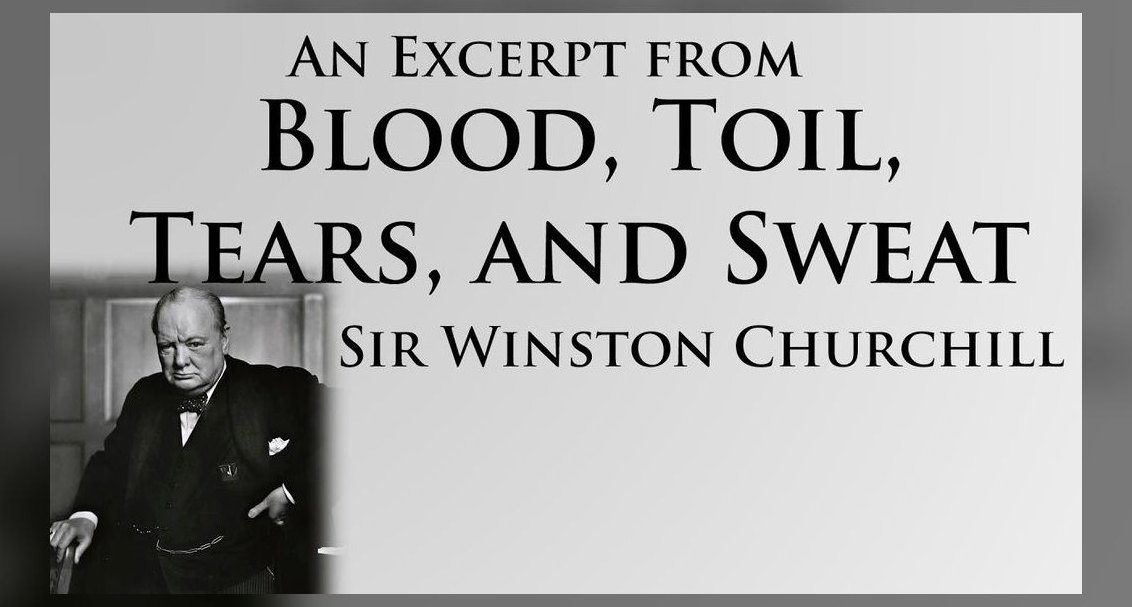 pulse-speechesWhat Makes Winston Churchill's "Their Finest Hour" a Great Speech
 pulse-speechesA Toast for a Gender Reveal
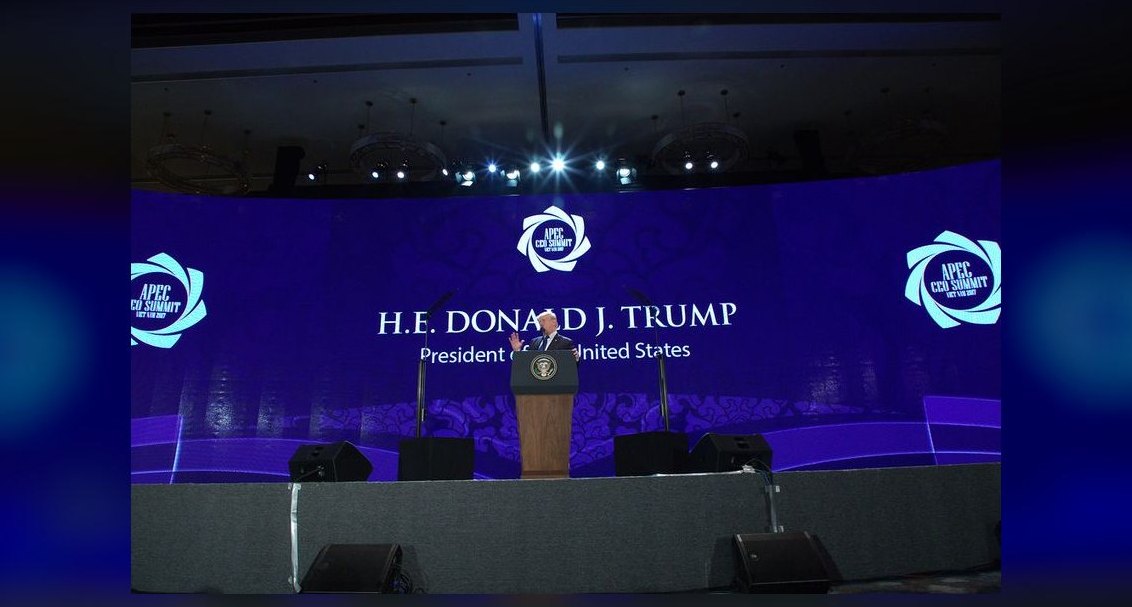 pulse-speechesA Graduation Speech for a Kindergarten Graduation
 pulse-speechesA Toast for a Baby Shower
 pulse-speechesA Speech for a Customer Appreciation Event
 pulse-speechesA Toast for a Housewarming
 pulse-speechesHow to Structure a Best Man Speech
 pulse-speechesA Speech for Welcoming a New Hire