
A Team Win Celebration Speech
 Curated byKory White · Fractional CRO · Maryland
 PULSEKNOWLEDGE LIBRARY
A team win celebration speech is a structured 3–5 minute address delivered after a group achievement that names the specific win, acknowledges the struggle, credits 2–4 people with concrete examples, and closes with a forward-looking statement to strengthen team bonds and motivate future performance.
What it is and why it matters
A team win celebration speech is not a casual thank-you or a generic round of applause. It is a deliberate ritual that transforms a moment of success into a shared narrative the team carries forward. The speech serves as a psychological anchor—organizational psychology research consistently shows that teams who celebrate together build stronger trust, higher psychological safety, and improved collaboration for future challenges. When delivered well, this speech marks the transition from effort to achievement, giving the team permission to feel proud before turning toward the next goal.
The stakes are higher than most leaders realize. A poorly delivered celebration speech can inadvertently erode trust—forgetting a key contributor, making it about yourself, or rushing through the moment leaves team members feeling unseen. A great speech, by contrast, creates a lasting memory that reinforces the behaviors and values that produced the win. It signals to every person in the room that their contribution matters and that leadership pays attention to who did what.
From a revenue operations perspective, the team win celebration speech has a direct tie to retention and performance. According to Gallup research, teams with high recognition culture see 14% higher productivity and 44% lower turnover. The speech is one of the highest-leverage moments a RevOps leader has to reinforce that culture. It costs nothing but preparation time and delivers outsized returns in team cohesion and motivation.
The speech also serves a strategic function beyond morale. It publicly codifies what the organization values. When you name specific contributions—"Maria redesigned the quote-to-cash workflow that saved us 40 hours per month"—you are telling the entire team what behaviors lead to recognition. You are shaping the culture with every word. This is why the speech must be intentional, not improvised.
The step-by-step process
The most effective team win celebration speeches follow a repeatable structure that mirrors how humans naturally process success. Below is the process broken into actionable steps, with a mermaid diagram to visualize the flow.
Step 1: Identify the specific win and key contributors. Before you write a single word, clarify exactly what the team achieved. "We closed the Acme deal worth $2.3M in annual recurring revenue" is specific. "We did great" is not. Then gather intelligence on who contributed what. Ask 2–3 trusted team members: "Who else really stepped up on this?" This prevents accidental omissions.
Step 2: Write the opening line. Name the win in clear, unmistakable terms. Example: "Tonight we celebrate something real—we just closed the largest deal in company history, a $2.3M ARR contract with Acme Corp." Then pause for 2–3 seconds. Let the room absorb it before continuing.
Step 3: Prepare 2–4 specific contribution examples. For each person you plan to name, write one concrete sentence about what they did. "Sarah stayed until midnight to rebuild the integration that made the demo possible." "Marcus caught the pricing error that would have cost us the deal." These specifics make the recognition land.
Step 4: Identify the hardest moment story. Every win has a near-failure. Find the moment when things looked impossible and describe how the team pulled through. Use concrete details: the time, the obstacle, the person who solved it. "I remember Tuesday at 10 PM when the server crashed and we thought we'd lost everything—and then Jamal found a backup from six hours earlier."

Step 5: Write the closing statement. Look forward, not backward. "This win proves what this team is capable of. I can't wait to see what we do next." Keep it brief and genuine.
Step 6: Practice out loud 2–3 times. Time yourself. Aim for 3–5 minutes. Practice in front of a mirror or record yourself. Listen for places where you rush or where your voice drops. Adjust pacing accordingly.
Step 7: Deliver with intentional presence. Stand in front of the team, not behind a podium. Make eye contact across the room. Pause after the opening line. Pause after naming contributors. Let applause happen without cutting it off. Drop your volume on emotional lines.
The entire process takes about 30 minutes of preparation. Skipping any step risks a speech that feels generic or rushed. The investment is small compared to the impact.
Costs, timelines, and typical ranges
The cost of preparing and delivering a team win celebration speech is almost entirely time-based. There is no financial outlay required. The typical preparation timeline breaks down as follows:
- Gathering intelligence on contributors: 5–10 minutes. Ask 2–3 team members who did what. This prevents accidental omissions that can damage trust.
- Writing the speech: 10–15 minutes. Draft the opening, 2–4 contribution examples, the hardest moment story, and the closing. Keep it to 400–600 words total for a 3–5 minute delivery.
- Practice time: 10–15 minutes. Practice out loud 2–3 times. Record yourself once to check pacing and volume.
- Total preparation time: 25–40 minutes.
The delivery itself takes 3–5 minutes. For a team of 5–10 people, you can name everyone individually. For a team of 20 or more, name 2–4 representatives from different functions and acknowledge the rest as a group. The speech should not exceed 5 minutes regardless of team size—attention spans fade quickly after that point.
Frequency guidelines: Deliver a team win celebration speech after any significant milestone that involved collective effort. For RevOps teams, this might include:
- Closing a major deal or hitting quarterly revenue targets
- Successfully launching a new system or process (e.g., new CRM implementation)
- Completing a complex migration or integration project
- Achieving a significant efficiency improvement (e.g., reducing quote-to-cash cycle by 30%)
Avoid overusing the format. If you give a structured celebration speech for every minor win, it loses its power. Reserve it for achievements that genuinely required extraordinary effort from multiple people. A general rule: no more than one per month for most teams, and no more than four per quarter.
Cost of getting it wrong: The hidden cost of a poor team win celebration speech is measurable in engagement and retention. A 2023 study by Workhuman found that employees who feel unrecognized are twice as likely to say they plan to leave within a year. For a RevOps team of 10 people with an average salary of $120,000, losing one person costs roughly $30,000–$60,000 in recruiting and ramp-up time. The 30 minutes you invest in a great speech is insurance against that loss.

Where teams get it wrong
Most team win celebration speeches fail for predictable reasons. Understanding these failure modes helps you avoid them.
Mistake 1: Making it about yourself. The most common error is using phrases like "I knew we could do it" or "I pushed hard for this." Even if you played a crucial role, the speech is not about you. Let others celebrate your contribution. If you must acknowledge your role, do it briefly and pivot: "I'm proud of what we built together." The moment you center yourself, you diminish everyone else.
Mistake 2: Forgetting the quiet contributors. The salesperson who closed the deal gets mentioned. The person who fixed the broken spreadsheet at midnight gets forgotten. Make a deliberate effort to recognize people from different functions—operations, engineering, support, design. If you're not sure who contributed what, ask before the speech. A missed name feels like an intentional slight.
Mistake 3: Using the speech to set new expectations. "Great job on this win, but next quarter we need to double it" kills the celebration instantly. The team win speech is purely about acknowledgment and gratitude. If you need to discuss future targets, schedule a separate meeting for the next day. Let the team enjoy the moment without layering on pressure.
Mistake 4: Being vague. "Thanks everyone for your hard work" is forgettable. "Sarah stayed until midnight to fix the integration that made the demo possible" is memorable. Specificity is the difference between a speech that lands and one that evaporates. Every contribution you name should include a concrete action and a tangible result.
Mistake 5: Rushing through the delivery. Nervous speakers rush. They skip pauses, talk too fast, and cut off applause. The result feels transactional rather than celebratory. Practice deliberate pacing. Pause after the opening line. Pause after naming contributors. Let the room react before you continue. A measured pace conveys confidence and gives the moment weight.
Mistake 6: Ignoring the hardest moment. Every win involved struggle. If you skip that part, the victory feels unearned. The hardest moment story creates emotional resonance and makes the achievement feel real. It also gives the team a shared narrative they can carry forward—"Remember when we almost lost it and we didn't?"
Mistake 7: Delivering bad news or criticism in the same speech. This is a cardinal sin. Never use a celebration speech to address problems, performance issues, or future concerns. The speech is a pure positive moment. Any negative content contaminates the entire experience and undermines trust.
Mistake 8: Using the same speech for multiple wins. You can reuse the structure, but the specific win, the names, and the hardest moment story must be unique to each achievement. Using the exact same speech twice makes it feel generic and reduces its emotional impact. The team will notice.
Decision framework: when to choose what
Not every team win requires the same speech format. The decision framework below helps you match the speech structure to the occasion, team size, and culture.
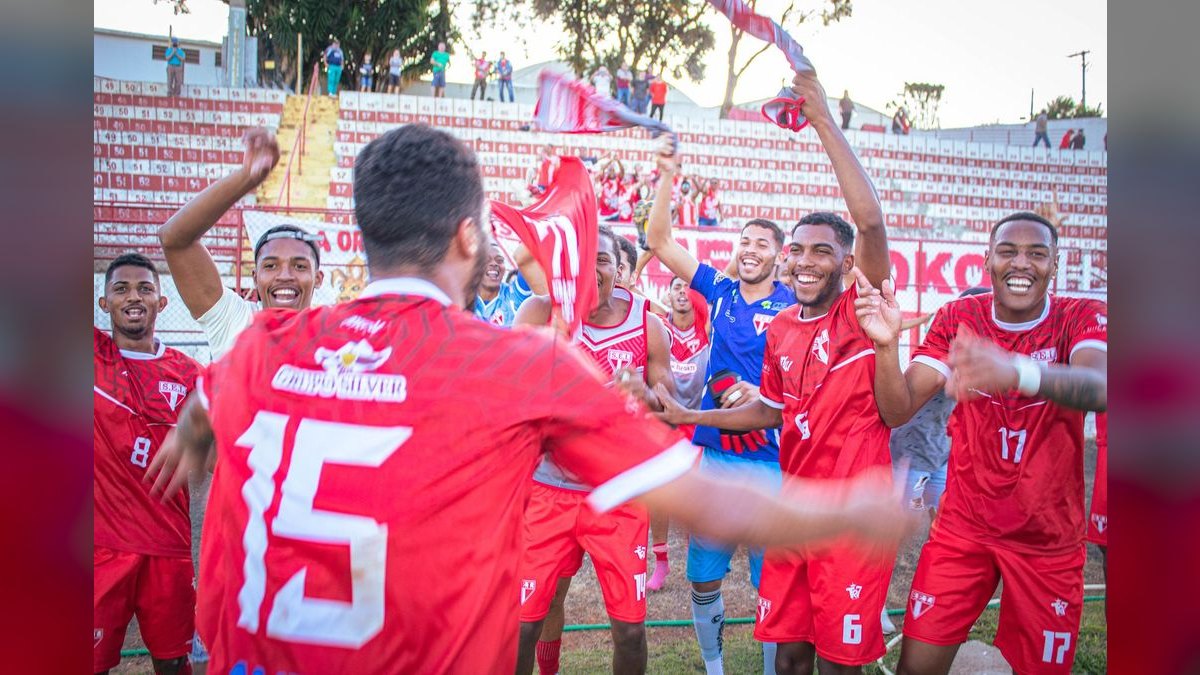
High-impact wins (e.g., closing a multi-million dollar deal, launching a major platform, hitting quarterly revenue targets by a significant margin) deserve the full structured speech: opening with the specific win, naming 2–4 contributors with concrete examples, telling the hardest moment story, and closing with a forward-looking statement. This takes 3–5 minutes.
Routine wins (e.g., completing a standard sprint, hitting a monthly target, finishing a minor project) merit a shorter toast-style acknowledgment. Stand up, name the win, thank 1–2 people briefly, and raise a glass. Keep it under 90 seconds. Over-celebrating routine wins dilutes the impact of the big celebrations.
Team size adjustments: For teams of 1–10 people, name every individual with a specific contribution. This creates maximum impact because each person feels personally seen. For teams of 11–30, name 2–4 representatives from different functions and acknowledge the rest as a group. For teams of 30 or more, name 2–3 function leads and acknowledge the broader group—"And to everyone in operations, engineering, and support who made this possible—thank you."
Culture adjustments: Formal cultures (corporate, financial services, legal) respond better to structured remarks with measured tone and occasional data points. Informal cultures (startups, creative agencies, tech teams) respond better to conversational, humorous, shorter speeches. Match your delivery to the team's existing communication style. If unsure, err on the side of authenticity—people can tell when you're performing.
Remote and hybrid considerations: For remote teams, keep your camera on and positioned at eye level. Look directly into the camera when speaking, not at your screen. Use intentional pauses to compensate for audio lag. Consider sharing a slide with specific shout-outs or a visual representation of the achievement. For hybrid teams, address both the in-person and remote groups equally—don't forget the people on the screen.
Related questions
How long should I practice a team win celebration speech?
Practice out loud at least 2–3 times for a total of 10–15 minutes. Record yourself once to check pacing and volume. Don't memorize word-for-word—leave room for spontaneity and genuine emotion.
Can I give a team win speech if I'm not the manager?
Yes. Any team member can deliver a celebration speech, and it often feels more authentic coming from a peer. Keep the tone humble and focus on collective effort rather than positioning yourself as the speaker.
Should I include metrics and revenue numbers in the speech?
Yes, if they are specific and meaningful. "We closed $2.3M in new annual recurring revenue" lands harder than "we did great." Keep metrics simple and relatable—one or two numbers maximum.
What if I forget someone's name during the speech?
Say "and so many others whose names I'd need a second to remember" rather than fumbling through a list. The team will appreciate your honesty more than a perfect delivery. Follow up with the person privately afterward.
Is it appropriate to use slides during the speech?
For larger teams or remote settings, a single slide with key names or a visual representation of the achievement can be helpful. For small in-person groups, keep it to just your voice and presence.
How do I handle absent team members during the speech?
Acknowledge them directly: "I want to thank everyone here, and I also want to recognize Sarah and Marcus who couldn't be with us tonight but were essential to this win." Follow up with a personal message to each absent person the next day.
FAQ
What is the ideal length for a team win celebration speech? Aim for 3 to 5 minutes. That's enough time to acknowledge the team's effort, highlight key contributions, and build emotion without losing attention. Shorter speeches risk feeling rushed, while longer ones can lose momentum. For routine wins, keep it under 90 seconds.
Should I mention individual names or just the team as a whole? Do both. Start by celebrating the collective win, then call out 2–4 specific contributions with concrete examples. This makes people feel seen without singling anyone out for too long. For teams under 10 people, name everyone individually.
How do I keep the speech from sounding like a corporate announcement? Use real, specific examples of the team's hard work—like a late-night push or a creative solution. Keep the tone conversational and avoid jargon like "synergy" or "leverage." A touch of humor or a personal story can make it feel genuine.
Is it okay to include data or metrics in the speech? Yes, but keep it simple and relatable. "We beat our revenue target by 40%" lands better than a string of numbers. Hard data reinforces the win, but too many stats feel dry. Focus on the impact, not just the figures.
When is the best time to give the speech during a celebration? Early in the event, right after the initial excitement settles. This sets a positive tone and gives people a shared focus before they break into smaller conversations. Avoid waiting until the end when energy may have faded.
What if I'm nervous or not a natural public speaker? That's normal—most people feel that way. Practice out loud 2–3 times and keep a few bullet points on a card rather than reading word-for-word. Remember, the team is rooting for you. Authenticity matters more than perfection.
Can I use the same speech for multiple wins? You can reuse the structure, but always customize the specific win, the names, and the hardest moment story. Using the exact same speech twice makes it feel generic and reduces its emotional impact. Each win deserves its own version.
How do I handle a team win speech when the win was unexpected? Embrace the surprise in your opening: "I don't think any of us saw this coming, and that makes it even sweeter." Then follow the same structure of naming contributors and telling the hardest moment story. The surprise itself becomes part of the narrative.
What if someone important to the win is no longer on the team? Acknowledge their contribution with grace: "I also want to recognize Alex, who was with us for part of this journey and whose work was essential to where we are today." This shows maturity and ensures their effort isn't forgotten.
Should I practice the speech beforehand? Yes, practice out loud at least 2–3 times. This helps you find natural phrasing, time yourself, and build confidence. But don't memorize it word-for-word—leave room for spontaneity and genuine emotion. Record yourself once to check pacing.
Sources
- Toastmasters International - Speech Structure Guidelines
- Harvard Business Review - Leadership Communication and Team Motivation
- Forbes - Workplace Culture and Team Recognition Best Practices
- American Psychological Association - Psychology of Group Recognition
- TED Talks - Recorded Speeches on Teamwork and Celebration
- Inc. Magazine - How to Give a Great Team Speech
- The Muse - Public Speaking Tips for Leaders
- Psychology Today - The Power of Recognition in Teams
- Gallup - Employee Recognition and Retention Statistics
- Workhuman - The Impact of Recognition on Employee Retention
Related on PULSE
- [A Speech for an IPO Celebration](/knowledge/sp0200)
- [A Speech for a Championship Celebration](/knowledge/sp0211)
- [A Motivational Speech for a Sales Team](/knowledge/sp0056)
- [A Speech for a Team Offsite Kickoff](/knowledge/sp0195)
- [A New Manager’s First Speech to the Team](/knowledge/sp0097)
- [A Team Kickoff Speech to Rally a New Quarter](/knowledge/sp0048)
@Kory-White- · if Venmo asks, the last 4 of my number are 2012
 pulse-moviesTop 10 Movies on Netflix 2027
 pulse-moviesTop 10 Movies on Max 2027
 pulse-moviesTop 10 Fantasy Movies of All Time in 2027
 pulse-moviesTop 10 Documentaries of All Time in 2027
 pulse-moviesTop 10 Superhero Movies of All Time in 2027
 pulse-moviesTop 10 Romance Movies of All Time in 2027
 pulse-moviesTop 10 Westerns of All Time in 2027
 pulse-moviesTop 10 Musical Movies of All Time in 2027
 pulse-moviesTop 10 Thriller Movies of All Time in 2027
 pulse-moviesTop 10 Crime Movies of All Time in 2027