
A Speech to Welcome Guests to a Milestone Birthday
 Curated byKory White · Fractional CRO · Maryland
 PULSEKNOWLEDGE LIBRARY
Quality
Certified
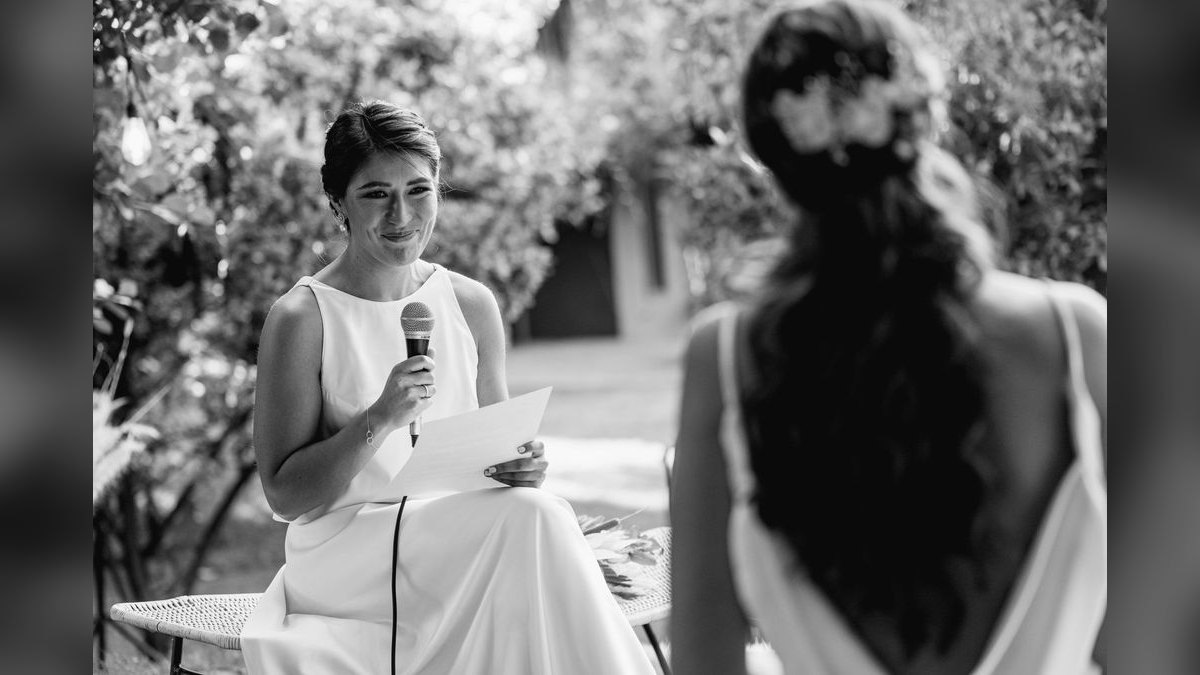
A welcome speech for a milestone birthday should open the celebration with genuine warmth, gratitude, and focus on the honoree. It typically begins by thanking guests for attending, acknowledges the significance of the milestone (such as a 50th, 60th, or 80th birthday), and includes a brief heartfelt tribute highlighting the honoree's character or shared memories. The tone can range from formal to lighthearted depending on the honoree’s personality and event style, but the goal remains the same: make everyone feel included, celebrate the person of honor, and set a joyful tone for the evening.
How do you structure a milestone birthday welcome speech for maximum emotional impact?
The most effective milestone birthday speeches follow a clear emotional arc that guides guests from welcome to reflection to celebration. Start with a warm greeting that thanks everyone for coming and immediately names the honoree and the milestone, such as “We’re here tonight to celebrate Sarah turning 50, and I can’t think of a better group to do it with.” Then move into a brief reflection on why this person matters—share one specific, true trait that defines them, like their uncanny ability to remember everyone’s birthday or their habit of showing up with soup when you’re sick. Follow with a short, meaningful story or inside moment that illustrates that trait in action; this is where the room connects emotionally. End with a clear toast that invites everyone to raise their glass, then transition smoothly into the party with a line like “Now let’s eat, drink, and make sure [name] knows how much we love them.” This structure—welcome, reflection, story, toast—works for any age and keeps the speech under three minutes, which is ideal for maintaining attention before food and dancing.
How do you adapt your speech tone for different milestone ages?
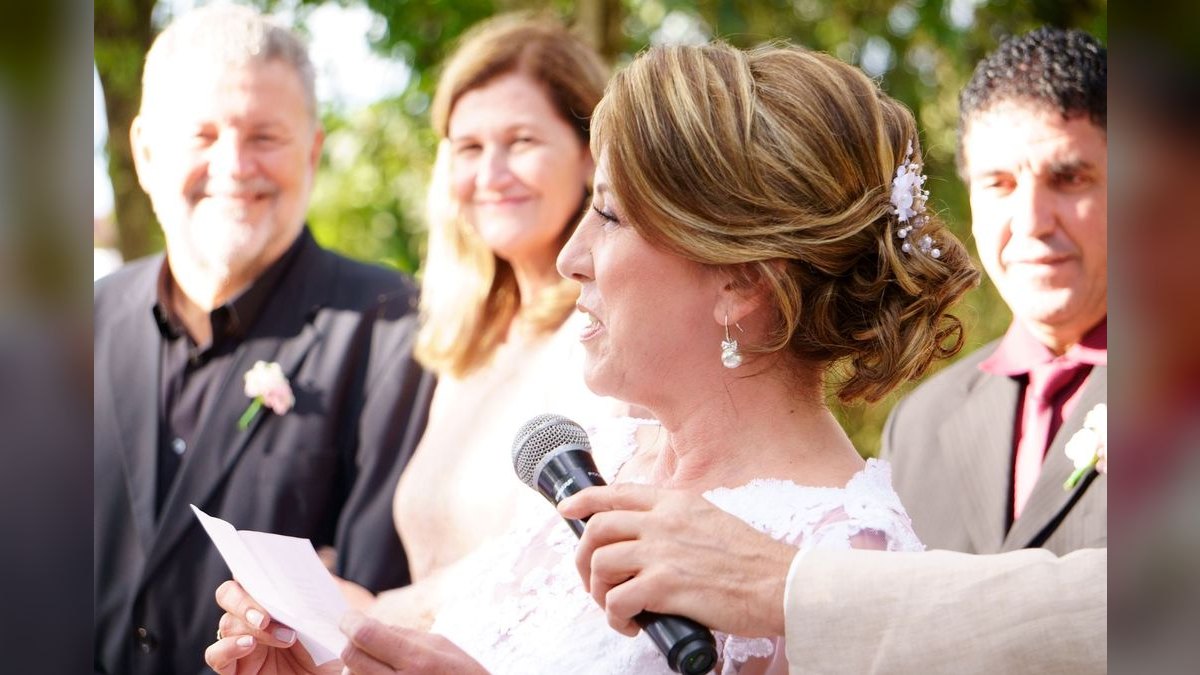
The tone of your welcome speech should shift naturally with the honoree’s age and the vibe of the celebration. For a 30th or 40th birthday, lean into humor and lighthearted energy—mention inside jokes, shared adventures, or gentle teasing about entering a new decade, like “Welcome to your 30s, where the back starts hurting and the wine gets better.” For a 50th or 60th, blend warmth with nostalgia, highlighting life accomplishments and the people who have been part of the journey; this is a good time to mention children, career milestones, or long friendships. For a 75th, 80th, or 100th birthday, shift toward reverence and gratitude—acknowledge the honoree’s wisdom, resilience, and the legacy they’ve built over decades. In all cases, avoid negative or embarrassing stories, and never mention exact ages if the honoree is sensitive about them. When in doubt, ask a close family member beforehand what tone would feel most comfortable, and always keep the speech inclusive so everyone from old friends to new acquaintances feels part of the moment.
How do you deliver a milestone birthday speech with confidence?
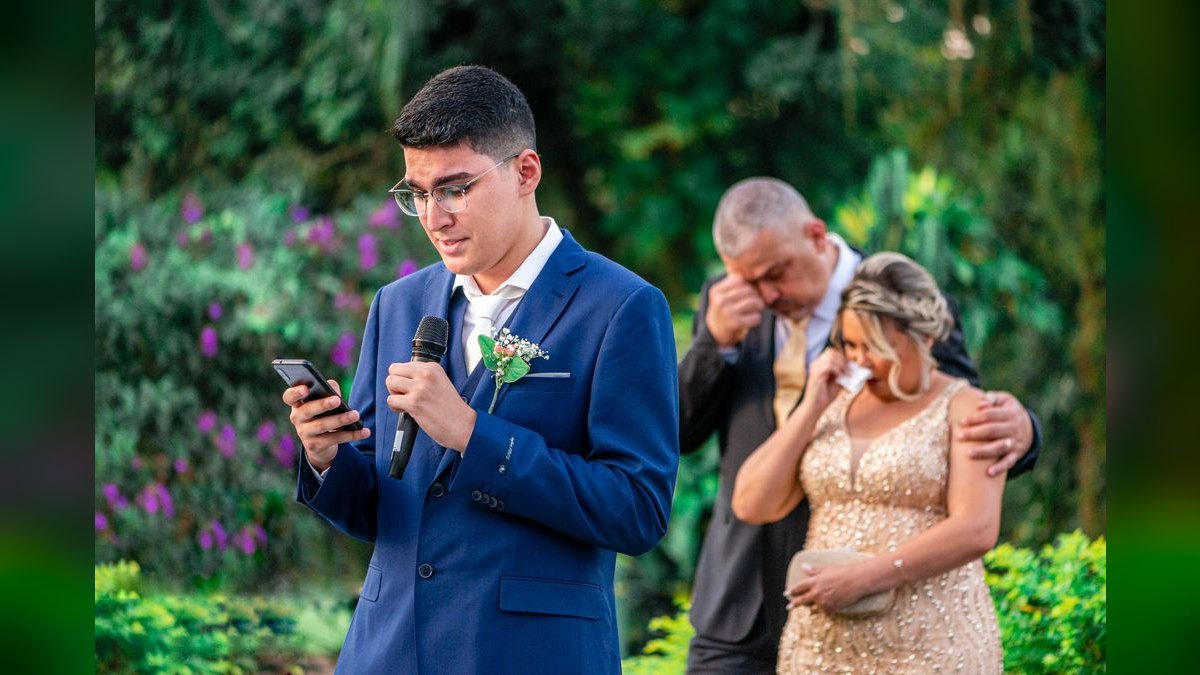
Even the best-written speech can fall flat without confident delivery, so practice is essential. Read your speech aloud at least three times before the event, timing yourself to ensure you stay within three to four minutes—most people speak faster when nervous, so aim for a slower pace. Print your speech in large, easy-to-read font on a single card or sheet of paper; avoid reading from a phone or tablet, which can feel impersonal and distract from eye contact. When you stand to speak, take a slow breath before your first word, make eye contact with the honoree first, then scan the room to connect with the audience. Speak a little slower than you think you need to, and pause after key points—nervous speakers often rush through the best lines. If you feel emotional, that’s fine; pause, take a breath, and continue. A genuine moment of emotion often makes the speech more memorable and authentic. Finally, hold your glass low until the very end of the toast—raising it too early signals “wrap up” and people start reaching for theirs before you’re ready.
What are the most common mistakes in milestone birthday speeches and how to avoid them?
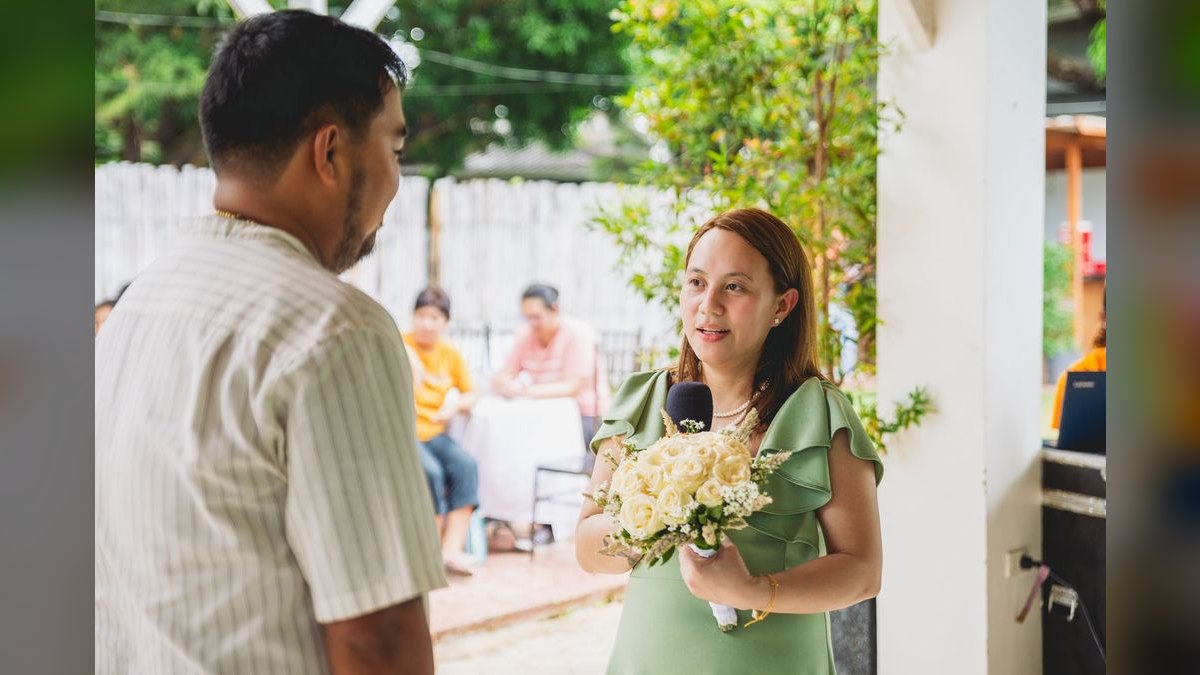
The biggest mistake speakers make is trying to cover too much—listing every achievement, every family member, every life event. This turns a warm moment into a recitation and loses the audience within 60 seconds. Instead, pick one single trait or story that captures the honoree’s essence and build the speech around that. Another common error is using inside jokes that exclude most of the room; if half the guests don’t know the reference, they feel left out rather than included. If you must include an inside story, follow it with a one-line explanation so everyone can laugh together. Avoid negative or embarrassing anecdotes, even if you think they’re funny—milestone birthdays are about celebration, not roasting. Finally, don’t forget to actually toast at the end; many speakers get emotional and forget the final call to action, leaving guests unsure whether to drink or wait. End clearly with “Please raise your glasses to [name]” and wait for everyone to join before speaking the final words.
How do you write a 2-minute version of a milestone birthday speech?
When time is tight—food is waiting, or the energy is high—a condensed version keeps the essence without the fluff. Start with a single sentence of welcome: “Good evening, everyone, thank you for being here to celebrate [name]’s [age] birthday.” Immediately name one specific trait: “If you know [name], you know they have this way of making everyone feel like the most important person in the room.” Then move straight to the toast: “So lift your glass to [name]—to [age] years of being exactly who they are, and to all the years still coming. Happy birthday—cheers!” This stripped-down version runs about 90 seconds and hits all the key notes: gratitude, recognition, a personal touch, and a clear ending. It works especially well for large parties where multiple people will speak, or for honorees who prefer less attention.

What should you include in the toast portion of the speech?
The toast is the emotional climax of your speech, so it should be clear, heartfelt, and inclusive. Begin by asking everyone to raise their glass, then state the honoree’s name and the milestone, such as “To [name], on [his/her/their] [age] birthday.” Follow with a brief wish or acknowledgment of the future, like “May the years ahead be filled with as much joy as you’ve given us.” End with a simple “Cheers!” or “Happy birthday!” and then take a sip yourself to model the action. Avoid making the toast too long—three to four sentences is ideal—and never rush through it; this is the moment guests will remember most. If you’re emotional, let a brief pause happen rather than forcing words, as authenticity resonates more than perfection.
Related questions
How long should a milestone birthday welcome speech be?
Aim for 3 to 5 minutes when spoken aloud, which translates to about 400 to 600 words. This gives you enough time to warmly greet guests, share a few personal memories, and lead into the celebration without losing attention.
What’s the best way to start a milestone birthday speech?
Open with a sincere thank-you to everyone for coming, then immediately tie it to the guest of honor. A simple line like “We’re here tonight to celebrate someone truly special” works well, followed by a brief, genuine compliment or a short anecdote.
Should I include humor in a milestone birthday speech?
Light, respectful humor is fine—one or two funny memories or gentle jokes can make the speech feel personal and lively. Avoid anything that could embarrass the honoree or make guests uncomfortable; the goal is to uplift, not roast.
How do I handle nervousness when delivering a birthday speech?
Practice the speech out loud a few times beforehand, and keep a printed copy with key points. Take a slow breath before starting, make eye contact with a few friendly faces, and remember that guests are on your side—they want you to succeed.
What should I avoid saying in a milestone birthday speech?
Skip negative comments about aging, comparisons to other people’s achievements, or inside jokes that exclude most guests. Also avoid lengthy tangents or listing every life event—focus on what makes the honoree feel celebrated and loved.
Do I need to thank specific people in the speech?
It’s thoughtful to thank close family members or main organizers briefly, but keep it general unless you’re sure everyone knows them. A simple “Thanks to the family for pulling this together” works, then return the focus to the birthday person.
FAQ
How do I start a milestone birthday welcome speech? Begin with a warm greeting that thanks everyone for coming, then immediately name the honoree and the milestone. For example: “Good evening, everyone, and thank you for being here to celebrate Sarah’s 50th birthday.” This sets a clear, welcoming tone from the first sentence.
What if I get emotional during the speech? That’s perfectly fine and often makes the speech more memorable. Pause briefly, take a breath, and continue. Guests appreciate authenticity and will be moved by genuine emotion rather than a polished delivery.
Should I memorize the speech or read it? Neither extreme is ideal—practice until you know the key points and flow, but keep a printed copy with large font as a safety net. Reading word-for-word feels stiff, but being completely memorized can cause panic if you lose your place.
How do I handle a large crowd where I don’t know everyone? Introduce yourself and your relationship to the honoree in the first 10 seconds: “I’m Maya, [name]’s youngest daughter.” This orients everyone and makes the speech feel personal even to strangers in the room.
Can I use the same speech for different milestone ages? The structure works for any age, but the tone and content should shift—lighter for 30s and 40s, more nostalgic for 50s and 60s, and reverent for 75 and above. Always tailor the stories and humor to the honoree’s personality and comfort level.
What if the honoree doesn’t want a speech at all? Respect their wishes—a short, one-minute welcome that simply thanks guests and invites them to enjoy the evening is often sufficient. You can still toast briefly without a full tribute.
How do I end the speech smoothly? End with a clear call to action: “Please raise your glasses to [name],” followed by the toast and “Cheers!” Then immediately transition with “Now let’s enjoy the evening” or “Dinner is served” to keep the momentum going.
Should I include jokes about aging in a milestone birthday speech? Light humor about aging is fine if the honoree has a good sense of humor about it, but avoid negative or stereotypical comments. Phrases like “leveling up” or “you’re not old, you’re vintage” work well for most crowds.
How do I practice the speech effectively? Read it aloud at least three times, timing yourself each time. Record yourself to hear your pace and tone, then adjust. Practice in front of a mirror or a friend for feedback on eye contact and body language.
What if I forget part of the speech mid-delivery? Don’t panic—pause, reference your notes, or simply skip to the next part you remember. Most guests won’t notice a small gap, and recovering gracefully is better than forcing a forgotten line.
Sources
- Toastmasters International - Speech Delivery Tips
- The Emily Post Institute - Toasting Etiquette
- American Speech-Language-Hearing Association - Public Speaking
- Harvard Business Review - How to Give a Memorable Speech
- The New York Times - Milestone Birthday Traditions
- Psychology Today - The Power of Storytelling in Speeches
- National Institutes of Health - Social Bonding Through Celebration
- Forbes - Public Speaking Tips for Nervous Speakers
Related on PULSE
This page will be disappearing soon. Save it to your device for $1 — or read it free while it is here.
@Kory-White- · if Venmo asks, the last 4 of my number are 2012
This page is gone.
This one is off the shelf now. $1 keeps it on your phone for good — the whole page, pictures and diagrams included.
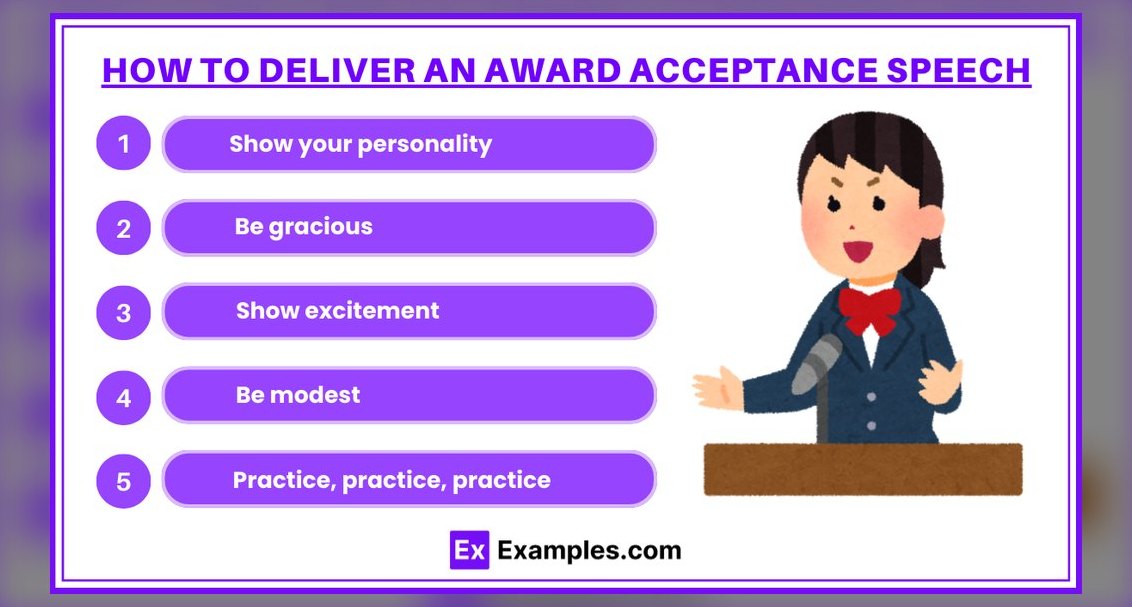 pulse-speechesA Gracious Award Acceptance Speech
 pulse-speechesMark Antony’s Funeral Oration (Shakespeare) — Key Passages and Lessons
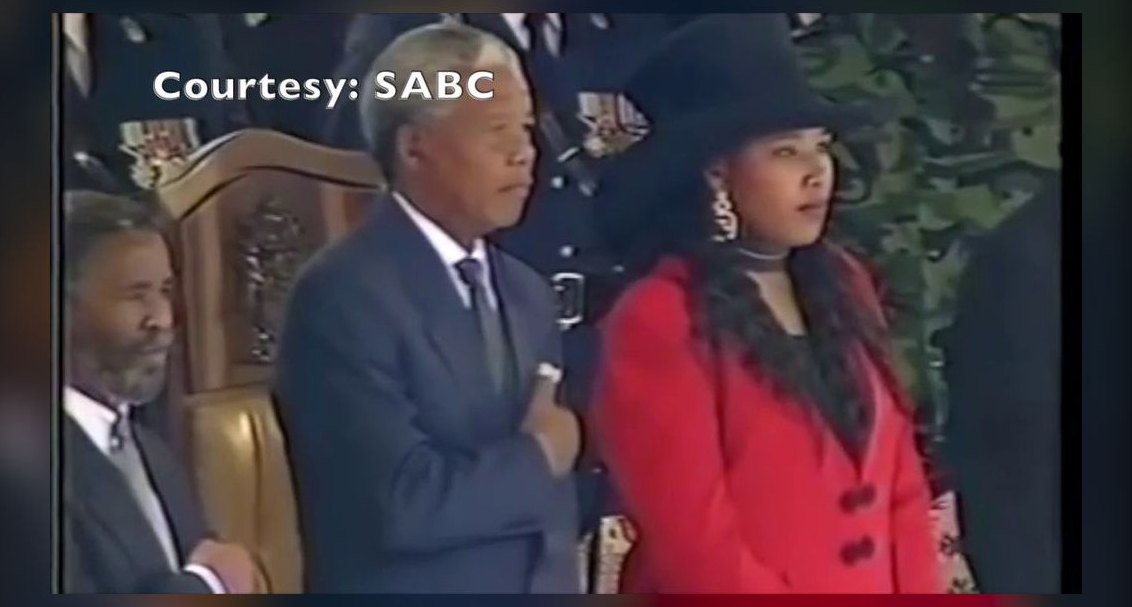 pulse-speechesNelson Mandela’s I Am Prepared to Die (1964) — Key Passages and Lessons
 pulse-speechesA Loving Eulogy for a Parent
 pulse-speechesEleanor Roosevelt’s The Struggle for Human Rights (1948) — Key Passages
 pulse-speechesA Funny-but-Warm Best Man Speech
 pulse-speechesMartin Luther King Jr.’s I Have a Dream (1963) — Key Passages and Lessons
 pulse-speechesAn Employee of the Year Acceptance Speech
 pulse-speechesA Promotion Celebration Toast for a Teammate
 pulse-speechesA Speech to Introduce a Keynote Speaker